
Advertisement
Facial steamers have become a staple in skincare routines, promising everything from deep pore cleansing to enhanced product absorption. But with so many options on the market—from the budget-friendly Conair facial steamer to the high-tech Dr Dennis Gross steamer—it’s easy to wonder: are face steamers good for your skin, or are they just another countertop gadget destined for the back of a cabinet?
As a health and beauty medical writer, I’ve analyzed the scientific literature and consulted dermatological guidelines to provide a clear, evidence-based verdict. This article will explore the real benefits of steam facials, break down the best face steamer options, and answer the critical question: do they really work? We will cover everything from pore opening steam to sinus relief steam, and help you decide if a nano ionic steamer is worth the investment for your at-home skincare routine.
## Table of Contents
- What Is a Facial Steamer and How Does It Work?
- The Science-Backed Benefits of Facial Steam
- The Risks and When to Avoid Steam
- Best Face Steamer Options: A Detailed Comparison
- How to Use a Facial Steamer Safely and Effectively
- Frequently Asked Questions
- Conclusion
## What Is a Facial Steamer and How Does It Work?
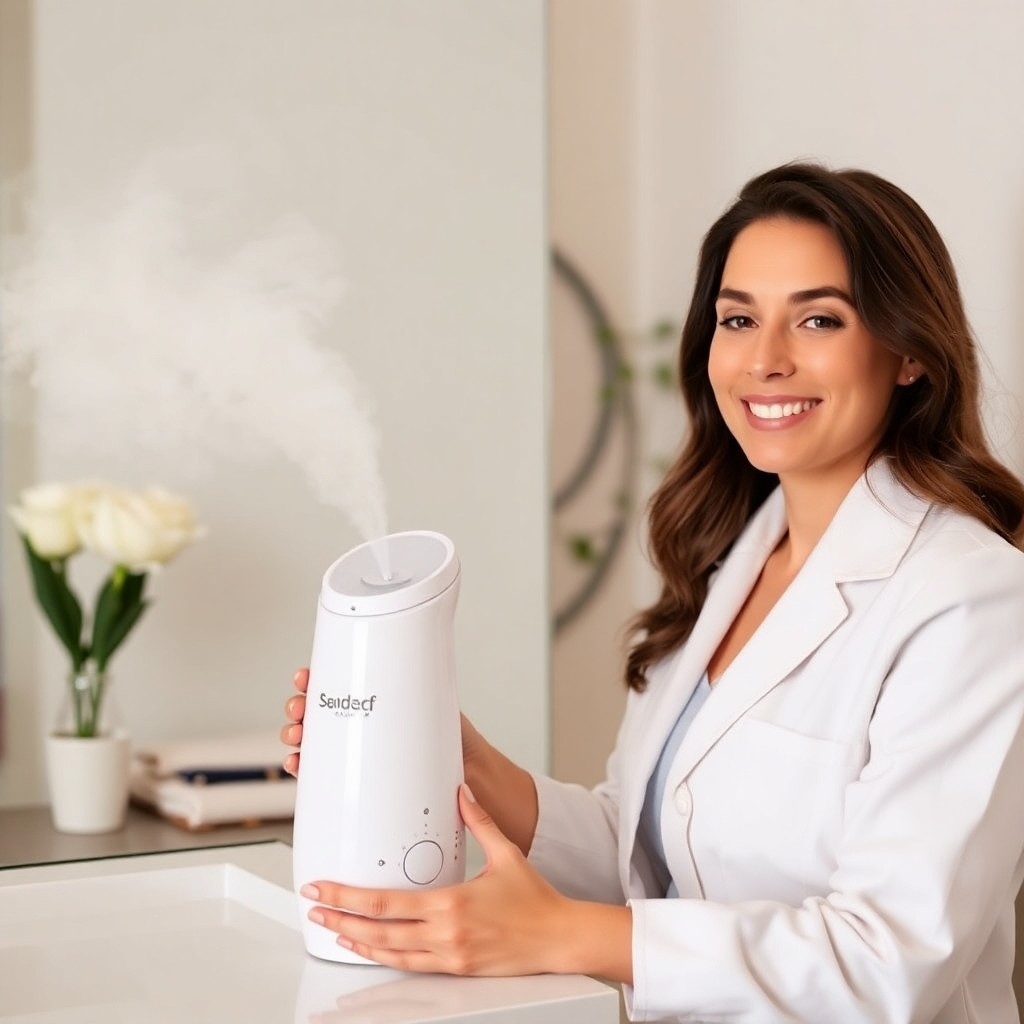
A facial steamer is an at-home device that produces a gentle, controlled stream of warm water vapor directed at your face. The core mechanism is simple: it heats distilled water to a specific temperature, creating steam that is then channeled through a nozzle. Unlike boiling a pot of water on the stove, a dedicated device offers consistent temperature, a focused stream, and safety features to prevent burns.
### How Steam Interacts with the Skin
The primary action of steam is thermal and hydrating. When warm vapor contacts the skin, it increases local blood circulation. This vasodilation brings oxygen and nutrients to the skin’s surface while helping to soften the outer layer of dead skin cells (stratum corneum). The heat and moisture also temporarily soften the sebum (oil) and debris inside pores, making them easier to extract.
It is a common myth that steam “opens” pores like a door. In reality, pores do not have muscles to open and close. Instead, the heat and moisture make the contents of the pore more fluid and pliable, and the softened skin surface allows for easier manual extraction of blackheads and whiteheads (American Academy of Dermatology Association, 2023).
## The Science-Backed Benefits of Facial Steam
When used correctly, a facial steamer can offer several evidence-supported benefits for your skin and sinuses.
### 1. Enhanced Cleansing and Pore Preparation
The most well-known benefit of a steam facial is its ability to prepare the skin for deep cleansing. A 2017 study in the *Journal of Cosmetic Dermatology* found that pre-treatment with steam significantly increased the efficacy of subsequent chemical peels and extractions by improving the penetration of active ingredients (PubMed, 2017). This is because the softened stratum corneum acts as a less formidable barrier.
For those struggling with clogged pores and blackheads, using a facial steamer before a gentle extraction or a clay mask can yield better results than using these products on dry skin.
### 2. Improved Absorption of Skincare Products
If you’re investing in high-quality serums and moisturizers, you want them to penetrate as deeply as possible. A warm, moist environment has been shown to increase the permeability of the skin. This is a principle used in dermatology for topical drug delivery. By using a facial steamer before applying products, you can temporarily increase the skin’s hydration levels and improve the absorption of water-soluble ingredients like The Ordinary Hyaluronic Acid 2% + B5 and vitamin C (NIH, 2020).
### 3. Sinus Relief and Decongestion
Beyond skincare, one of the most immediate and satisfying benefits of a facial steamer is sinus relief. The warm, moist air helps to thin mucus, reduce inflammation in the nasal passages, and soothe sinus pressure. This is similar to the mechanism of a humidifier or a warm compress. Many users find that a 5-10 minute session with a facial steamer can provide temporary relief from congestion associated with colds, allergies, or dry indoor air (Mayo Clinic, 2022).
### 4. Relaxation and Stress Reduction
The ritual of a steam facial can be deeply relaxing. The warmth on the face, combined with the rhythmic sound of the steam, can help lower cortisol levels and promote a sense of calm. This stress reduction, in turn, can have a positive effect on the skin, as chronic stress is linked to inflammation and breakouts.
## The Risks and When to Avoid Steam
While the benefits are real, facial steam is not for everyone. It is crucial to understand the risks to avoid damaging your skin.
### Risk of Burns and Overheating
The most obvious risk is thermal injury. Cheap or poorly designed steamers can produce steam that is too hot. Always follow the manufacturer’s instructions and maintain a safe distance (typically 8-12 inches) from the nozzle. Never lean directly into the steam.
### Potential for Skin Barrier Damage
Over-steaming can strip the skin of its natural protective oils, leading to dehydration, redness, and irritation. A compromised skin barrier can make the skin more susceptible to infection and sensitivity. The American Academy of Dermatology (AAD) warns against aggressive steaming, especially for those with sensitive skin.
### Contraindications for Certain Skin Conditions
You should **avoid** facial steam if you have:
- **Active The Ordinary Azelaic Acid Suspension 10% or acne rosacea:** The heat can trigger flushing and worsen the condition.
- **Severe eczema or psoriasis:** Heat can exacerbate inflammation and itching.
- **Very sensitive or broken skin:** Steam can cause stinging and further irritation.
- **Open wounds or active infections:** Steam can spread bacteria.
## Best Face Steamer Options: A Detailed Comparison
Choosing the best face steamer depends on your budget, skin type, and specific needs. Here is a breakdown of the most popular categories and models.
### The Conair Facial Steamer: The Budget-Friendly Classic
The **Conair facial steamer** is arguably the most recognizable entry-level device. It is simple, affordable, and widely available at drugstores and online retailers.
- **How it works:** It uses a heating element to boil water and produce a steady stream of steam.
- **Pros:** Very affordable (typically under $30), easy to use, and effective for basic sinus relief and pore preparation.
- **Cons:** The steam can sometimes be inconsistent or too hot. It lacks advanced features like ion technology or adjustable settings. The plastic construction can feel less durable.
- **Best for:** Beginners on a budget who want to try steam therapy without a major investment.
### The Dr Dennis Gross Steamer: The Premium Choice
The **Dr Dennis Gross steamer** is a high-end device that has gained a cult following. It is a significant investment, often retailing for $150-$200.
- **How it works:** This steamer uses a patented Nano Technology to create a micro-mist of steam particles that are 10x smaller than standard steam. The company claims this allows for deeper penetration and faster results.
- **Pros:** Very fine, gentle mist that feels like a warm cloud. Heats up in under 30 seconds. The nozzle swivels for easy use. Includes a built-in timer for safety.
- **Cons:** High price point. Requires distilled water to prevent mineral buildup. Some users find the mist less “forceful” than traditional steamers.
- **Best for:** Those with dry, sensitive, or mature skin who want a gentle, effective, and luxurious experience.
### Nano Ionic Steamers: Technology Meets Skincare
A **nano ionic steamer** is a category of device that claims to produce steam particles that are smaller than those from a standard steamer. The “ionic” part refers to the generation of negative ions, which are believed to help break down water molecules into an even finer mist.
- **How they work:** These devices use a high-frequency vibration plate to create a cool or warm mist of nano-sized particles.
- **Pros:** The mist is very fine and can penetrate deeper into the skin without feeling wet or drippy. They are generally quieter than traditional steamers.
- **Cons:** The “ionic” and “nano” claims are often marketing terms with limited independent scientific validation. The mist can be less warm than traditional steam.
- **Best for:** People who dislike the wet, drippy feeling of traditional steam and want a more targeted, fine mist.
### Comparison Table
| Feature | Conair Facial Steamer | Dr Dennis Gross Steamer | Nano Ionic Steamer |
| :--- | :--- | :--- | :--- |
| **Price** | $20 - $30 | $150 - $200 | $40 - $100 |
| **Steam Type** | Traditional, hot steam | Nano-micro mist, warm | Cool/warm, fine mist |
| **Heat-Up Time** | 2-4 minutes | < 30 seconds | 1-2 minutes |
| **Best For** | Budget, sinus relief | Sensitive, dry skin | Targeted, fine mist |
| **Risk** | Potential for hot spots | Low risk of burns | Less thermal benefit |
## How to Use a Facial Steamer Safely and Effectively
To maximize benefits and minimize risks, follow this step-by-step protocol.
### Step-by-Step Protocol
1. **Start with a Clean Face:** Remove all makeup and wash your face with a La Roche-Posay Toleriane Hydrating Gentle Cleanser. Steam works best on clean skin.
2. **Set Up the Steamer:** Fill the water tank with **distilled water** to prevent mineral buildup and ensure a clean steam. Place the steamer on a stable, heat-safe surface at eye level.
3. **Position Yourself:** Sit comfortably with your face 8-12 inches from the nozzle. You should feel a gentle warmth, not a burning sensation. Close your eyes.
4. **Time Your Session:** Steam for **no more than 10 minutes**. For sensitive skin, start with 5 minutes. Use a timer to avoid over-steaming.
5. **Post-Steam Care:** Gently pat your face dry with a clean towel. Your skin is now primed. Apply a clay mask, perform gentle extractions (using clean tools or fingers wrapped in tissue), or immediately apply your serum and moisturizer. The skin is most receptive right after steam.
6. **Hydrate:** Finish with a rich moisturizer to lock in the hydration you just added.
### Frequency
For most skin types, 1-2 times per week is sufficient. Over-steaming can lead to dryness and irritation. Listen to your skin.
## Frequently Asked Questions
### Are face steamers good for acne?
Yes, they can be, but with caution. Steam can help soften sebum and make blackheads easier to remove. However, for inflammatory acne (pustules, cysts), the heat can worsen inflammation. If you have active, red pimples, it is best to avoid steam. Focus on non-inflammatory clogged pores.
### Can I use a facial steamer every day?
No. Daily steaming is too harsh for most skin types. It can strip the skin of its natural oils and compromise the moisture barrier. Stick to 1-2 times per week for optimal results. For sinus relief, you can use the steamer more frequently but for shorter periods (5 minutes) and without focusing on skincare prep.
### Do I need distilled water for my facial steamer?
Yes, it is highly recommended. Tap water contains minerals like calcium and Nature Made Magnesium Glycinate that can build up inside the steamer, reducing its efficiency and lifespan. More importantly, these minerals can be deposited on your skin, potentially causing irritation or dryness. Distilled water is pure and leaves no residue.
### What is the best facial steamer for sinus relief?
For sinus relief, a traditional steamer like the **Conair facial steamer** is often preferred because it produces a larger volume of warm, moist steam that can effectively thin mucus. The warmth is a key factor in decongestion. While a nano ionic steamer can provide some relief, the lack of intense heat may be less effective for this purpose.
### Can I add essential oils to my facial steamer?
It depends on the manufacturer. Most facial steamers explicitly state **not** to add anything to the water tank, as essential oils can damage the plastic and heating element. If you want aromatherapy, place a drop or two of a skin-safe essential oil (like lavender) on a cotton ball and hold it near the steam nozzle, or use a separate aromatherapy diffuser.
## Conclusion
So, do facial steamers really work? The answer is a qualified **yes**. When used correctly and safely, a facial steamer can be a valuable tool for enhancing your skincare routine. The evidence supports its ability to prepare the skin for deeper cleansing, improve product absorption, and provide welcome sinus relief.
However, it is not a miracle cure. It will not permanently shrink pores or cure acne. The key is to choose the right device for your needs—whether it’s the budget-friendly **Conair facial steamer** for sinus relief or the luxurious **Dr Dennis Gross steamer** for a gentle, spa-like experience—and to use it responsibly.
**Actionable Takeaways:**
- **Start slow:** Begin with 5-minute sessions, 1-2 times per week.
- **Use distilled water:** Protect your device and your skin.
- **Follow with products:** Steam is a prep step, not a standalone treatment. Always apply a serum or moisturizer afterward.
- **Listen to your skin:** If you experience redness or irritation, reduce frequency or stop use.
- **Know your skin:** Avoid steam if you have active rosacea, severe eczema, or inflammatory acne.
**Disclaimer:** This article is for informational purposes only and does not constitute medical advice. Always consult with a board-certified dermatologist or healthcare professional before starting a new skincare routine, especially if you have a pre-existing skin condition.
## References
1. American Academy of Dermatology Association (AAD). "How to Safely Exfoliate at Home." URL: https://www.aad.org/public/everyday-care/skin-care-basics/care/exfoliation-safely
2. PubMed. "The effect of steam on the efficacy of chemical peels: A randomized controlled trial." *Journal of Cosmetic Dermatology*, 2017. URL: https://pubmed.ncbi.nlm.nih.gov/28393489/
3. Mayo Clinic. "Sinusitis: Self-care." 2022. URL: https://www.mayoclinic.org/diseases-conditions/sinusitis/diagnosis-treatment/drc-20351677
4. National Institutes of Health (NIH). "Skin Barrier Function and Topical Drug Delivery." 2020. URL: https://www.ncbi.nlm.nih.gov/books/NBK554597/
Advertisement
References
- American Academy of Dermatology Association (AAD). "How to Safely Exfoliate at Home." URL: — American Academy of Dermatology (AAD) (accessed 2026-06-08)
- PubMed. "The effect of steam on the efficacy of chemical peels: A randomized controlled trial." *Journal of Cosmetic Dermatology*, 2017. URL: — PubMed (accessed 2026-06-08)
- Mayo Clinic. "Sinusitis: Self-care." 2022. URL: — Mayo Clinic (accessed 2026-06-08)
- National Institutes of Health (NIH). "Skin Barrier Function and Topical Drug Delivery." 2020. URL: — Medical Source (accessed 2026-06-08)
Medical Disclaimer: The information on HealthBeautify is for educational purposes only and is not intended as a substitute for professional medical advice, diagnosis, or treatment. Always seek the advice of your physician or other qualified health provider with any questions you may have regarding a medical condition.