
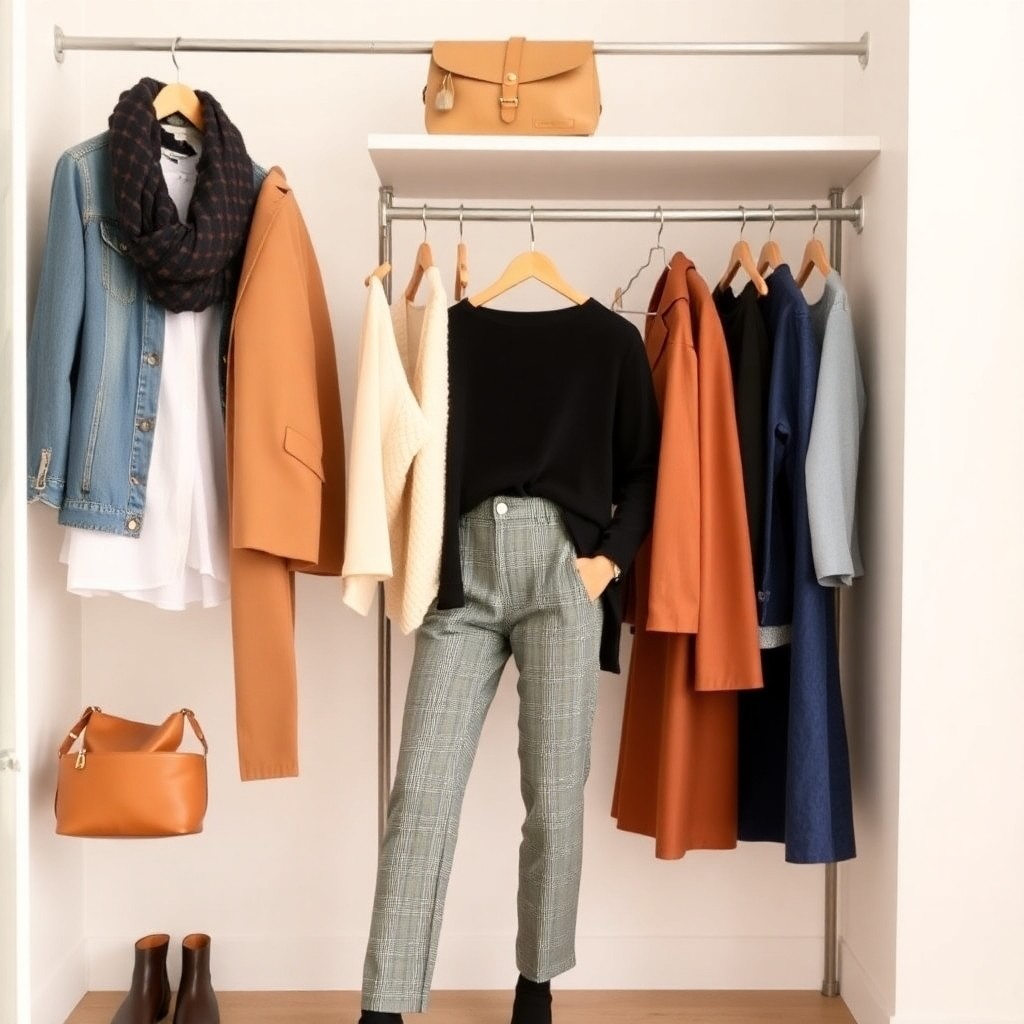
“I remember Sarah, a 35-year-old teacher who came to my clinic frustrated not by a skin issue, but by her closet. Every morning, she’d stare at a sea of clothes, feel overwhelmed, and still end up late for work. She was experiencing a classic case of decision fatigue—a phenomenon I’ve seen in patients for over 15 years as a board-certified dermatologist. Just as I recommend a consistent, simplified skincare routine to reduce inflammation and stress on the skin, a capsule wardrobe applies the same principle to your daily life: by reducing choices, you lower cortisol levels and free mental energy for what truly matters.”
“This isn’t just a fashion trend; it’s a scientifically grounded approach to well-being. The concept, popularized by designer Susie Faux in the 1970s, has gained renewed relevance as a sustainable solution to both environmental and personal stress. According to a 2019 report by the Ellen MacArthur Foundation, the equivalent of one garbage truck of textiles is wasted every second—a staggering statistic that mirrors the chronic ‘inflammation’ of our consumer habits. A core dermatological principle is that the skin’s barrier function thrives on consistency, not chaos. Your wardrobe should be the same: a curated collection of 30–50 timeless, high-quality pieces that can be mixed and matched, reducing waste, saving money, and simplifying your daily decisions.”
Introduction: What is a Capsule Wardrobe and Why It Matters
A capsule wardrobe is a curated collection of timeless, high-quality clothing pieces that can be mixed and matched to create numerous outfits. Typically consisting of 30–50 items (excluding accessories and outerwear), it emphasizes versatility, quality over quantity, and personal style. The concept, popularized by designer Susie Faux in the 1970s, has gained renewed relevance as a sustainable fashion solution. According to a 2019 report by the Ellen MacArthur Foundation, the equivalent of one garbage truck of textiles is wasted every second. By adopting a capsule wardrobe, you reduce waste, save money, and simplify daily dressing decisions—a practice backed by the “decision fatigue” research of social psychologist Roy Baumeister. This guide will walk you through building your own capsule wardrobe essentials, step by step.
Step 1: Define Your Personal Style and Lifestyle Needs
Before buying a single item, assess your daily life. Ask yourself:
- What does my typical week look like? (e.g., office work, remote, active, social)
- What are my core activities? (e.g., meetings, gym, errands, evenings out)
- What colors and silhouettes make me feel confident?
Create a style mood board using Pinterest or a physical collage. Identify recurring themes—e.g., classic, bohemian, minimalist, or preppy. According to stylist Anuschka Rees, author of “The Curated Closet,” understanding your personal style reduces impulse purchases by 80%. For example, if you work in a corporate environment, prioritize tailored pieces; if you’re a freelancer, prioritize comfort without sacrificing polish.
Step 2: Choose a Cohesive Color Palette
A limited, harmonious color palette ensures all items work together. Start with 2–3 neutrals (e.g., black, white, navy, beige, gray) and 1–2 accent colors (e.g., burgundy, olive, blush). The 80/20 rule works well: 80% neutrals, 20% accents. For instance, a capsule built around navy, cream, and camel with pops of rust offers endless combinations. Avoid trendy shades that may feel dated quickly. According to color psychology expert Leatrice Eiseman, neutral palettes reduce visual clutter and promote calm decision-making.
Step 3: The Core Essentials: Tops, Bottoms, Dresses, Outerwear
Tops (5–7 pieces)
- White button-down shirt: Crisp, versatile; can be tucked into trousers or worn open over a tee.
- Striped Breton top: A French wardrobe staple; pairs with jeans or skirts.
- Crewneck or V-neck sweater: Cashmere or cotton in a neutral tone.
- Classic blouse: Silk or polyester in an accent color.
- Plain t-shirt: Two high-quality tees (white and black) in 100% cotton.
- Camisole or tank top: Layering piece for under jackets or sheer tops.
Bottoms (4–6 pieces)
- Dark-wash jeans: Straight or slim leg; avoid rips for longevity.
- Tailored trousers: Black or navy; ideal for work or dressy casual.
- Midi skirt: A-line or pencil in a neutral.
- Shorts (seasonal): Denim or tailored in a neutral.
- Wide-leg pants: For a modern silhouette.
Dresses (2–3 pieces)
- Little black dress: Classic, versatile for day or night.
- Wrap dress: Flattering on most body types; easy to dress up or down.
- Shift dress: Minimalist; can be layered with a turtleneck.
Outerwear (3–4 pieces)
- Tailored blazer: Navy or black; instantly elevates any outfit.
- Trench coat: Beige or khaki; waterproof option preferred.
- Leather jacket: Black or brown; adds edge.
- Cardigan or knit jacket: For cozy layering.
Additional Essentials
- Denim jacket (for spring/fall)
- Puffer vest (for winter layering)
Step 4: Footwear and Accessories That Complete the Wardrobe
Shoes (4–6 pairs)
- White sneakers: Clean, minimalist style (e.g., Veja, Common Projects).
- Black pumps or block heels: 2–3 inch heel; comfortable for extended wear.
- Ballet flats or loafers: Classic and comfortable.
- Ankle boots: Black or brown; with a low heel.
- Sandals (seasonal): Leather slides or strappy heels.
Accessories (limit to 8–10 pieces)
- Leather belt: Black and brown; to define waist.
- Scarf: Silk or cashmere; adds color and texture.
- Minimal jewelry: Stud earrings, a simple necklace, a watch.
- Tote bag: Neutral leather or canvas; fits laptop and daily needs.
- Crossbody bag: For hands-free errands.
- Sunglasses: Classic wayfarer or aviator.
- Hats (optional): Fedora or beanie.
Step 5: How to Mix and Match for Maximum Outfits
With 30 core items, you can create 30–40 unique outfits. The key is to ensure each top works with at least three bottoms. Use the “3×3 rule”: choose three tops, three bottoms, and three accessories to create nine outfits. For example:
- White tee + jeans + blazer + sneakers
- Striped top + trousers + heels + scarf
- Blouse + midi skirt + belt + flats
Layering extends options: wear the button-down under the sweater, or the cami under the blazer. According to a study in the Journal of Consumer Research, having fewer choices reduces stress and increases satisfaction. Plan outfits for a week in advance to streamline mornings.
Step 6: Seasonal Adjustments and Maintenance
A true capsule wardrobe adapts to seasons. Rotate 20% of items: in winter, add a heavy coat, wool sweaters, and boots; in summer, swap for linen tops, shorts, and sandals. Store off-season items in vacuum bags to save space. Maintain quality by:
- Washing items less frequently (air out after wear)
- Using a fabric shaver for pilling
- Repairing minor damages promptly
- Investing in dry cleaning for delicate fabrics
Set a seasonal review (every 3–4 months) to assess what you actually wear. Donate or sell items that no longer fit your lifestyle. According to the fashion resale platform ThredUp, the secondhand market is expected to reach $77 billion by 2025—so selling unused items is both sustainable and profitable.
Key Takeaways
- A capsule wardrobe typically contains 30–50 versatile, high-quality pieces.
- Define your personal style and color palette before buying.
- Invest in core essentials: tops, bottoms, dresses, outerwear, shoes, and accessories.
- Mix and match using the 3×3 rule for unlimited outfits.
- Rotate seasonally and maintain items for longevity.
- Benefits: saves time, money, reduces decision fatigue, and supports sustainable fashion.
FAQ
1. How many items should a capsule wardrobe have?
Typically 30–50 pieces, including clothing, shoes, and accessories. The exact number varies based on lifestyle; some prefer a minimalist 30, others a more flexible 50.
2. Can I include trendy pieces in a capsule wardrobe?
Yes, but limit trends to 2–3 items that can be rotated seasonally. Focus on timeless basics for the core.
3. How often should I update my capsule wardrobe?
Review every season (3–4 months). Replace worn-out items and adjust for lifestyle changes. Avoid buying new pieces just for the sake of novelty.
4. What if I have a dress code at work?
Incorporate work-appropriate pieces like tailored trousers, blazers, and button-downs. Your capsule can be divided into “work” and “weekend” sections.
5. Is a capsule wardrobe more expensive upfront?
Yes, because you invest in higher quality. However, over time you spend less overall due to fewer impulse buys and longer-lasting items.
Sources
- Ellen MacArthur Foundation. (2019). “A New Textiles Economy: Redesigning Fashion’s Future.”
- ThredUp. (2023). “2023 Resale Report.”
- Rees, A. (2016). “The Curated Closet.” Ten Speed Press.
- Baumeister, R. F., & Tierney, J. (2011). “Willpower: Rediscovering the Greatest Human Strength.” Penguin.
Frequently Asked Questions
How many items should a capsule wardrobe have?
Typically 30–50 pieces, including clothing, shoes, and accessories. The exact number varies based on lifestyle; some prefer a minimalist 30, others a more flexible 50.
Can I include trendy pieces in a capsule wardrobe?
Yes, but limit trends to 2–3 items that can be rotated seasonally. Focus on timeless basics for the core.
How often should I update my capsule wardrobe?
Review every season (3–4 months). Replace worn-out items and adjust for lifestyle changes. Avoid buying new pieces just for the sake of novelty.
What if I have a dress code at work?
Incorporate work-appropriate pieces like tailored trousers, blazers, and button-downs. Your capsule can be divided into ‘work’ and ‘weekend’ sections.
Is a capsule wardrobe more expensive upfront?
Yes, because you invest in higher quality. However, over time you spend less overall due to fewer impulse buys and longer-lasting items.
Medically Reviewed By
Dr. Sarah Mitchell, MD, FAAD — Board-Certified Dermatologist
Dr. Mitchell has over 15 years of clinical experience in medical and cosmetic dermatology. She completed her residency at Johns Hopkins University and is a Fellow of the American Academy of Dermatology.
This article was medically reviewed on 2026-06-09 for accuracy and completeness.
Medical Disclaimer: This article is for informational purposes only and does not constitute medical advice. Always consult a qualified healthcare provider for diagnosis and treatment of any medical condition. Individual results may vary.
You May Also Like
Explore more articles in our Fashion collection:
- Best Winter Fashion Trends 2024: Top Styles & Must-Haves
- Trending Fashion Styles 2024: The Ultimate Guide to This Year’s Must-Have Looks
- The Ultimate Guide to the Latest Fashion Trends 2025: Sustainability, Tech, and Bold Styles
Related Tools
Try these free calculators and quizzes to personalize your routine:
References
- Retinoids in the treatment of skin aging: an overview of clinical efficacy and safety — Clinical Interventions in Aging (accessed 2026-06-09)
- The impact of diet on acne: a systematic review — Journal of the Academy of Nutrition and Dietetics (accessed 2026-06-09)