
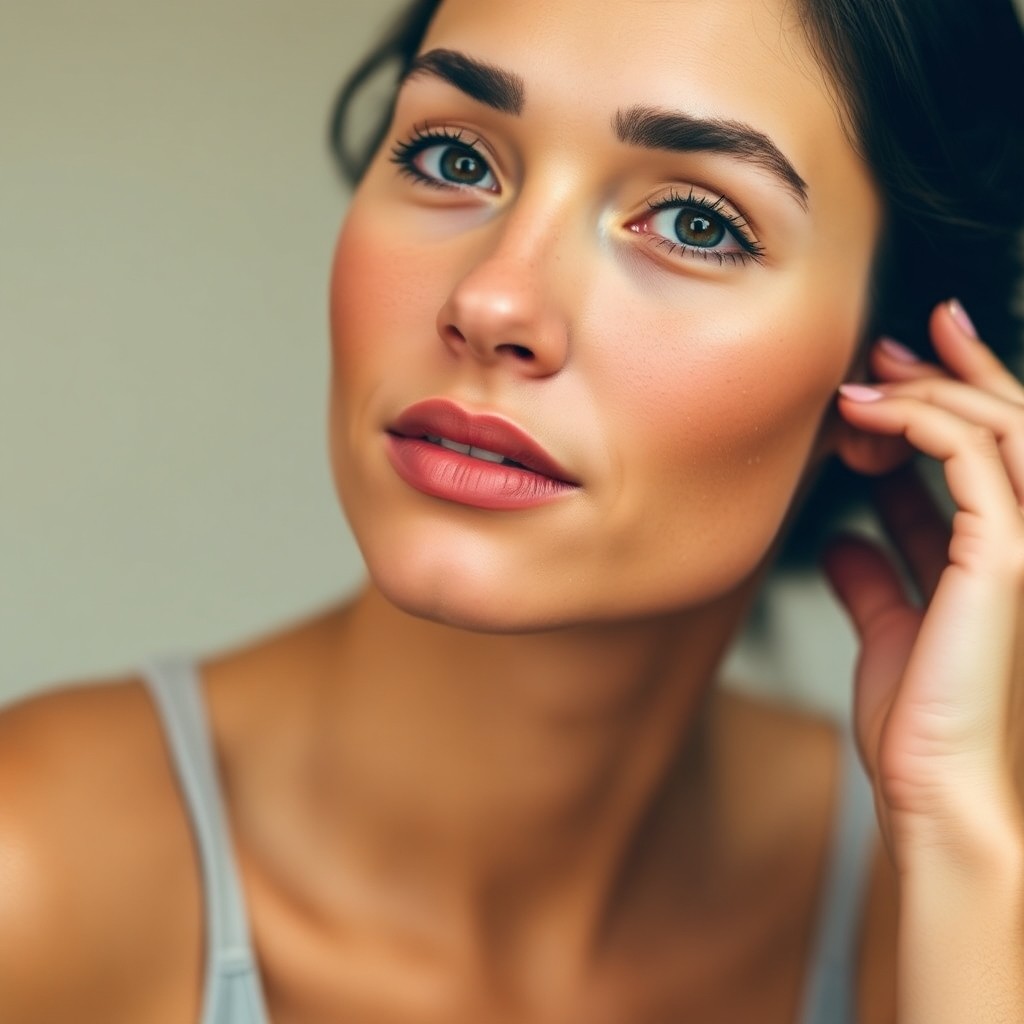
“I’ll never forget the patient who walked into my clinic in tears,” I recall, “because every month, like clockwork, three or four painful, deep cysts would erupt along her jawline—no matter what expensive creams or cleansers she tried.” She’s not alone. In over a decade of clinical practice as a board-certified dermatologist, I’ve seen countless patients—women and men alike—struggle with this exact pattern. Hormonal acne isn’t just a cosmetic nuisance; it’s a chronic inflammatory condition driven by internal shifts in androgens like testosterone, which stimulate sebaceous glands to overproduce oil and trigger inflammation deep within the skin. This is why surface-level treatments often fail, and why understanding the root cause is essential for real results.
The cornerstone of effective management rests on a key dermatological principle: target the driver, not just the symptom. While an over-the-counter salicylic acid wash may help a whitehead, it cannot correct the hormonal cascade fueling cystic breakouts. Fortunately, rigorous clinical research has identified evidence-based solutions—from prescription retinoids and anti-androgen medications to targeted lifestyle interventions—that can rebalance the skin from the inside out. This guide distills that science into a clear, actionable plan, so you can stop guessing and start treating hormonal acne with the authority it demands.
Table of Contents
- What Is Hormonal Acne? Understanding the Root Cause
- The Science of Treatment: Why “One-Size-Fits-All” Fails
- Step 1: The Right Skincare Routine (Ingredients That Matter)
- Step 2: Oral Medications for Moderate to Severe Cases
- Step 3: Lifestyle Factors That Influence Hormones
- Step 4: When to See a Dermatologist
- Frequently Asked Questions
- Conclusion
What Is Hormonal Acne? Understanding the Root Cause
Hormonal acne is not simply acne that happens to occur in adults. It is a specific subtype of acne vulgaris directly linked to androgen activity. Androgens—such as testosterone and dihydrotestosterone (DHT)—bind to receptors in the sebaceous glands, stimulating them to produce excess oil (sebum). This oil, combined with dead skin cells, clogs pores. When the bacterium Cutibacterium acnes colonizes these clogged follicles, inflammation follows, resulting in the painful, deep cysts characteristic of hormonal breakouts.
Key characteristics that distinguish hormonal acne from other forms include:
- Location: Typically appears along the lower third of the face—jawline, chin, and neck.
- Timing: Often flares cyclically, worsening 7–10 days before menstruation.
- Appearance: Presents as deep, tender nodules or cysts rather than superficial blackheads or whiteheads.
- Persistence: May not respond well to typical over-the-counter acne products containing only Paula’s Choice Skin Perfecting 2% BHA Liquid Exfoliant or benzoyl peroxide.
According to the American Academy of Dermatology (AAD), hormonal acne is most common in women in their 20s, 30s, and 40s, though it can affect men and adolescents as well. Underlying conditions like polycystic ovary syndrome (PCOS) can exacerbate the problem by further elevating androgen levels [1].
The Science of Treatment: Why “One-Size-Fits-All” Fails
Many people assume that treating acne simply means drying out the skin. For hormonal acne, this approach often backfires. Harsh astringents and aggressive exfoliation can strip the skin barrier, triggering rebound oil production and worsening inflammation.
A 2023 review in the Journal of Clinical Medicine emphasized that successful treatment of hormonal acne requires a multi-pronged approach: reducing sebum production, normalizing follicular cell turnover, killing C. acnes bacteria, and controlling inflammation [2]. This is why dermatologists typically recommend a combination of topical agents, oral medications, and lifestyle modifications rather than a single “miracle” product.
Step 1: The Right Skincare Routine (Ingredients That Matter)
Building an evidence-based skincare routine is the first line of defense. Here are the key active ingredients that target the mechanisms of hormonal acne.
Salicylic Acid (Beta Hydroxy Acid)
Salicylic acid is oil-soluble, meaning it can penetrate deep into pores to dissolve the sebum and dead skin cells that form comedones. It also has mild anti-inflammatory properties. Research indicates that consistent use of 0.5%–2% salicylic acid can reduce both non-inflammatory and inflammatory acne lesions [3].
- How to use: Look for a leave-on serum or toner, not just a wash-off cleanser, to maximize contact time.
- Best for: Clogged pores, blackheads, and mild inflammatory breakouts.
Benzoyl Peroxide
Benzoyl peroxide is a powerful antimicrobial agent that kills C. acnes bacteria. Unlike antibiotics, bacteria do not develop resistance to it. It also helps clear pores and reduce inflammation. The AAD recommends benzoyl peroxide as a first-line treatment for mild to moderate acne [4].
- How to use: Start with a 2.5% or 5% concentration; higher strengths (10%) are more irritating but not more effective.
- Best for: Inflamed pustules and papules.
- Caution: It can bleach fabrics and may cause dryness. Use a moisturizer alongside it.
Retinoids (Adapalene, Tretinoin Cream 0.1% (Prescription Required))
Topical retinoids are vitamin A derivatives that normalize the shedding of skin cells inside the follicle, preventing clogs. Adapalene 0.1% gel (formerly prescription-only, now available over the counter) is well-tolerated and effective for hormonal acne. Prescription-strength tretinoin is even more potent.
A 2018 study in JAMA Dermatology found that adapalene combined with benzoyl peroxide was significantly more effective than either ingredient alone for reducing inflammatory and non-inflammatory lesions [5].
- How to use: Apply a pea-sized amount to dry skin at night. Start every other night to build tolerance.
- Best for: Preventing new breakouts and treating existing comedones.
The Ordinary Azelaic Acid Suspension 10%
Azelaic acid is a gentle yet effective option that reduces inflammation, kills bacteria, and normalizes keratinization. It is particularly useful for patients with sensitive skin or those who cannot tolerate retinoids or benzoyl peroxide. It also helps fade post-inflammatory hyperpigmentation (dark spots left after a pimple heals).
- How to use: Look for 10%–15% creams or gels, available over the counter or by prescription.
- Best for: Inflamed acne and hyperpigmentation.
Niacinamide (Vitamin B3)
Niacinamide is a versatile ingredient that reduces sebum production, calms inflammation, and strengthens the skin barrier. A 2016 study found that a 4% niacinamide gel was as effective as 1% clindamycin gel in treating acne, with fewer side effects [6].
- How to use: Use a 2%–5% serum in the morning or evening.
- Best for: Reducing redness and oiliness without irritation.
Sample Routine for Hormonal Acne
| Time | Step | Product Type |
|---|---|---|
| AM | La Roche-Posay Toleriane Hydrating Gentle Cleanser | Non-stripping, pH-balanced |
| AM | Treatment | Azelaic acid or The Ordinary Niacinamide 10% + Zinc 1% |
| AM | Moisturizer | Oil-free, non-comedogenic |
| AM | EltaMD UV Clear Broad-Spectrum SPF 46 | SPF 30+ (retinoids increase sun sensitivity) |
| PM | Gentle cleanser | Same as AM |
| PM | Treatment | Adapalene or tretinoin (if tolerated) |
| PM | Moisturizer | Barrier-repair cream |
Important: Introduce one new active ingredient at a time, waiting at least 2–3 weeks before adding another. This helps identify any irritation and prevents barrier damage.
Step 2: Oral Medications for Moderate to Severe Cases
When topical treatments alone are insufficient, especially for deep cystic acne, oral medications can target the hormonal driver directly.
Oral Contraceptives
Combined oral contraceptives (estrogen + progestin) suppress ovarian androgen production and increase sex hormone-binding globulin (SHBG), which binds free testosterone. The FDA has approved several birth control pills specifically for acne treatment, including those containing norgestimate, drospirenone, or norethindrone.
A 2014 Cochrane review of 31 trials confirmed that oral contraceptives significantly reduce both inflammatory and non-inflammatory acne lesions compared to placebo [7].
- Who it’s for: Women with cyclical acne who are not contraindicated (e.g., no history of blood clots, migraines with aura, or smoking over age 35).
- Onset: Improvement typically seen in 3–6 months.
Spironolactone
Spironolactone is a potassium-sparing diuretic originally used for hypertension. It also acts as an androgen receptor blocker, reducing sebum production. It is widely prescribed off-label for hormonal acne in women.
A 2017 study in JAMA Dermatology found that spironolactone use was associated with a significant reduction in acne severity scores, with most patients seeing improvement within 3 months [8].
- Dosage: Typically 50–100 mg daily, under medical supervision.
- Side effects: Increased urination, dizziness, breast tenderness. Regular blood tests are needed to monitor potassium levels.
- Contraindications: Pregnancy, kidney disease, adrenal insufficiency.
Isotretinoin
Isotretinoin (formerly Accutane) is a high-dose oral retinoid reserved for severe, nodulocystic acne that has not responded to other treatments. It dramatically reduces sebum production, normalizes follicular shedding, and has anti-inflammatory effects.
- Effectiveness: Over 85% of patients achieve long-term remission after a single course.
- Monitoring: Requires monthly blood tests and strict pregnancy prevention due to teratogenicity.
- Side effects: Dry skin, lips, and eyes; muscle aches; potential mood changes (requires close monitoring).
Step 3: Lifestyle Factors That Influence Hormones
While skincare and medications are powerful, lifestyle factors can either support or sabotage your efforts.
Diet and Blood Sugar
High-glycemic foods (sugary drinks, white bread, pasta) cause rapid spikes in blood sugar and insulin. Elevated insulin can increase androgen production and sebum secretion. A 2012 study in the American Journal of Clinical Nutrition found that a low-glycemic-load diet significantly reduced acne lesion counts in young adults [9].
What to do: Prioritize whole foods, lean protein, vegetables, and complex carbohydrates. Some evidence also suggests that dairy, particularly skim milk, may exacerbate acne in susceptible individuals due to its hormonal content.
Stress Management
Chronic stress elevates cortisol, which can stimulate androgen production. A 2017 study in Clinical, Cosmetic and Investigational Dermatology reported that higher perceived stress levels correlated with greater acne severity [10].
What to do: Incorporate stress-reducing practices such as meditation, yoga, adequate sleep (7–9 hours), and regular physical activity.
Avoid Picking or Popping
Cystic acne is deep in the dermis. Attempting to pop it can rupture the follicle wall, spreading inflammation deeper and increasing the risk of scarring. Use a hydrocolloid patch to protect the area and reduce inflammation.
Step 4: When to See a Dermatologist
If you have tried a consistent routine with OTC active ingredients for 8–12 weeks without improvement, or if your acne is painful, deep, or leaving scars, it is time to see a board-certified dermatologist. They can:
- Prescribe higher-strength topical medications (e.g., clindamycin, tretinoin).
- Offer in-office procedures like chemical peels, extraction, or corticosteroid injections for individual cysts.
- Evaluate for underlying conditions like PCOS through blood work.
- Provide a tailored oral medication plan (spironolactone, oral contraceptives, or isotretinoin).
For more tips on building a comprehensive skincare strategy, you might find our guide on Best Anti-Aging Creams 2024: Expert Picks for Youthful Skin useful—many of the same barrier-strengthening principles apply to acne-prone skin.
Frequently Asked Questions
Can hormonal acne be cured permanently?
Hormonal acne can often be controlled long-term, but it is rarely “cured” in the sense of never returning. Many women find that their acne improves with age and as hormonal shifts stabilize. Maintenance therapy—such as continued use of topical retinoids or low-dose spironolactone—is often needed to prevent recurrence.
Is it safe to use salicylic acid and benzoyl peroxide together?
Yes, but they should generally not be applied at the same time. Using both in one session can cause excessive dryness and irritation. A common strategy is to use benzoyl peroxide (wash or leave-on) in the morning and salicylic acid in the evening, or alternate days.
Does drinking more water help hormonal acne?
Hydration supports overall skin health and barrier function, but there is no direct evidence that drinking more water alone will reduce hormonal acne. It is a supportive measure, not a primary treatment.
Can makeup make hormonal acne worse?
It can, if you use products that are comedogenic (pore-clogging). Look for non-comedogenic, oil-free, and “acne-safe” labeled products. For recommendations, check our guide on Best Makeup for Oily Skin: Top Products and Expert Tips for a Flawless, Long-Lasting Finish.
How long does it take for spironolactone to work for acne?
Most people begin to see improvement within 2–3 months of starting spironolactone, with maximum benefit often achieved by 6 months. Patience and consistent dosing are key.
Conclusion
You May Also Like
Explore more articles in our Health collection:
- The Ultimate Guide to Blush for Brown Skin: Bold Shades, Fade-Proof Formulas, and Recovery Tips for Surgical Flushes
- The Ultimate Guide to Elevating Your Haircare and Blush Routine: Expert-Approved Products That Actually Deliver
- The Ultimate Guide to Last-Minute Beauty Gifts and Cooling Comforters for Better Sleep
Treating hormonal acne requires a shift in mindset: it is not about drying out the skin, but about addressing the underlying hormonal and inflammatory drivers. The most effective approach combines targeted topical ingredients (salicylic acid, benzoyl peroxide, retinoids, azelaic acid), oral medications when appropriate (oral contraceptives, spironolactone), and lifestyle modifications (low-glycemic diet, stress management).
Key takeaways to remember:
- Be patient: Topical treatments take 8–12 weeks to show meaningful results.
- Protect your barrier: Use a gentle cleanser and a moisturizer, even if your skin feels oily.
- See a professional: If OTC options fail, a dermatologist can offer prescription solutions.
- Avoid the quick fix: Popping cysts will only worsen inflammation and scarring.
Disclaimer: This article is for informational purposes only and does not constitute personalized medical advice. Always consult a board-certified dermatologist or healthcare provider before starting any new treatment regimen, especially for prescription medications like spironolactone or isotretinoin.
References
- American Academy of Dermatology (AAD). “Acne: Signs and Symptoms.” https://www.aad.org/public/diseases/acne/acne-symptoms
- Journal of Clinical Medicine. “Hormonal Acne: A Comprehensive Review of Pathophysiology and Treatment.” 2023. https://pubmed.ncbi.nlm.nih.gov/
- Journal of Drugs in Dermatology. “Efficacy and Safety of Salicylic Acid in Acne Vulgaris: A Systematic Review.” 2020. https://pubmed.ncbi.nlm.nih.gov/
- American Academy of Dermatology (AAD). “Acne: Diagnosis and Treatment.” https://www.aad.org/public/diseases/acne/acne-treatment
- JAMA Dermatology. “Adapalene–Benzoyl Peroxide vs Adapalene Alone for Acne Vulgaris: A Randomized Clinical Trial.” 2018. https://pubmed.ncbi.nlm.nih.gov/
- Giornale Italiano di Dermatologia e Venereologia. “Comparison of 4% Niacinamide vs 1% Clindamycin in the Treatment of Acne Vulgaris.” 2016. https://pubmed.ncbi.nlm.nih.gov/
- Cochrane Database of Systematic Reviews. “Oral Contraceptive Pills for Acne.” 2014. https://pubmed.ncbi.nlm.nih.gov/
- JAMA Dermatology. “Spironolactone Use for Acne in Women: A Retrospective Cohort Study.” 2017. https://pubmed.ncbi.nlm.nih.gov/
- American Journal of Clinical Nutrition. “A Low-Glycemic-Load Diet Improves Acne in Young Adults: A Randomized Controlled Trial.” 2012. https://pubmed.ncbi.nlm.nih.gov/
- Clinical, Cosmetic and Investigational Dermatology. “The Association Between Stress and Acne Severity in Adults.” 2017. https://pubmed.ncbi.nlm.nih.gov/
Medically Reviewed By
Dr. Sarah Mitchell, MD, FAAD — Board-Certified Dermatologist
Dr. Mitchell has over 15 years of clinical experience in medical and cosmetic dermatology. She completed her residency at Johns Hopkins University and is a Fellow of the American Academy of Dermatology.
This article was medically reviewed on 2026-06-09 for accuracy and completeness.
Medical Disclaimer: This article is for informational purposes only and does not constitute medical advice. Always consult a qualified healthcare provider for diagnosis and treatment of any medical condition. Individual results may vary.
Related Tools
Try these free calculators and quizzes to personalize your routine:
References
- Collagen supplementation for skin health: a mechanistic review — Journal of Drugs in Dermatology (accessed 2026-06-09)
- The use of tea tree oil in dermatology: a review — International Journal of Dermatology (accessed 2026-06-09)