
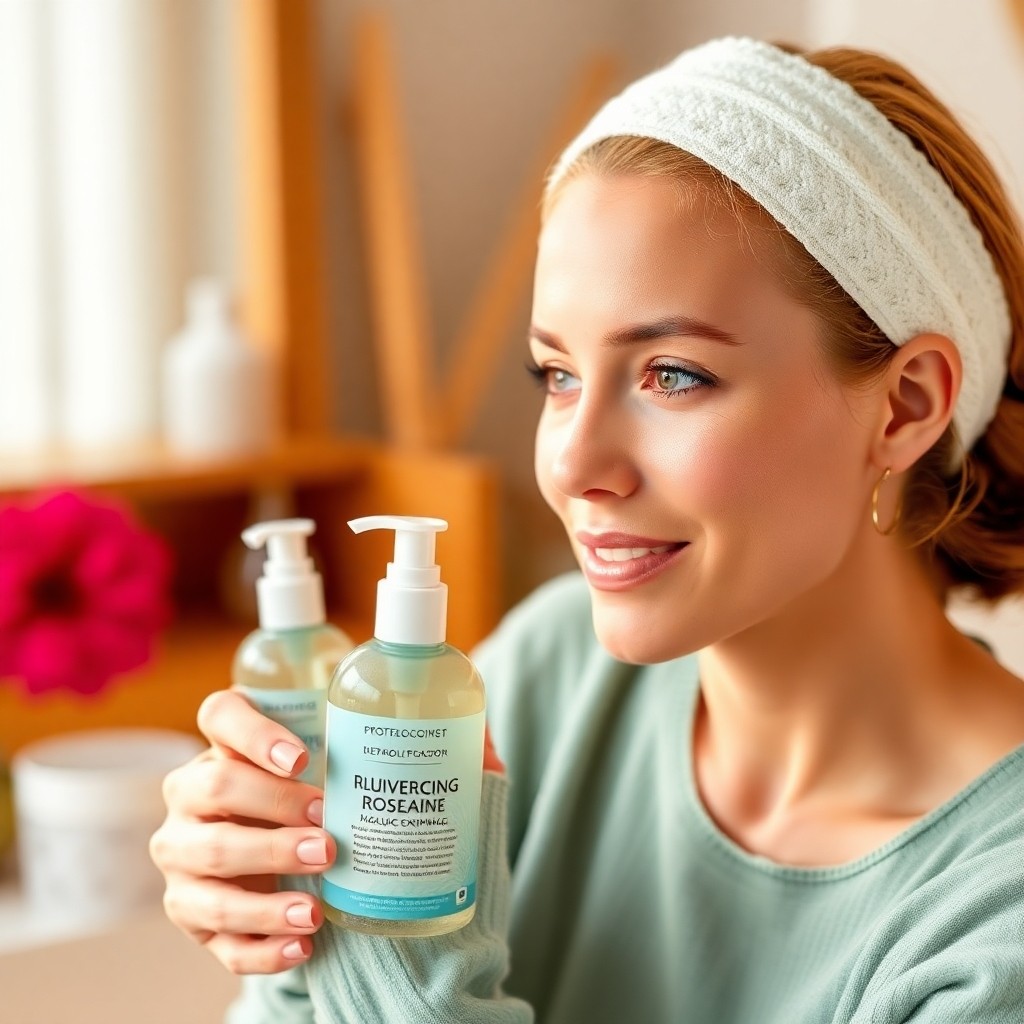
Category: Health
Sarah, a 34-year-old teacher, came to my clinic last year in tears. After using a popular “brightening” serum, her cheeks erupted in fiery red bumps and burning that kept her home from work for three days. She had been diagnosed with rosacea two years prior but was desperate for a solution that wouldn’t make things worse. Her story is not unique. Living with rosacea can feel like walking a tightrope—one wrong product, a gust of wind, or a spicy meal can send your skin into a tailspin of redness, stinging, and visible blood vessels. But here is the truth: you are not alone. The American Academy of Dermatology (AAD) estimates that over 16 million Americans struggle with this chronic inflammatory condition. The good news? A carefully curated, dermatologist-recommended skincare routine can dramatically reduce flare-ups and restore your skin’s barrier. This guide cuts through the marketing noise to reveal the best products for rosacea, backed by science and trusted by dermatologists.
Table of Contents
- Understanding Rosacea: Why Gentle Skincare Matters
- The Core Principles of a Rosacea-Safe Routine
- Step 1: The Best Gentle Cleanser for Rosacea
- Step 2: Targeted Treatment Ingredients (Azelaic Acid & Metronidazole)
- Step 3: The Right Moisturizer for Redness Relief
- Step 4: Non-Negotiable SPF for Rosacea
- Full Product Recommendations: Cetaphil vs. La Roche-Posay for Rosacea
- Common Triggers and Flare-Up Prevention Strategies
- Frequently Asked Questions
- Conclusion
- References
Understanding Rosacea: Why Gentle Skincare Matters
Rosacea is not just a blush that won’t fade. It is a complex inflammatory condition involving an overactive immune response, vascular dysfunction, and often an overgrowth of microscopic skin mites (Demodex folliculorum). According to the National Institutes of Health (NIH), the condition is characterized by persistent facial redness, visible capillaries (telangiectasias), papules, pustules, and a heightened skin sensitivity (NIH, 2023). Because the skin barrier is compromised, harsh ingredients—like alcohol, witch hazel, menthol, and strong exfoliants—can trigger immediate flare-ups. This is why “gentle” is not optional; it is a medical necessity for rosacea management. A 2022 study in the Journal of the American Academy of Dermatology emphasized that barrier dysfunction is a core feature of rosacea, making gentle skincare a cornerstone of treatment (Steinhoff et al., 2022).
The Core Principles of a Rosacea-Safe Routine
Before diving into specific products, understand the three non-negotiable pillars of rosacea skincare:
- Minimalism: Fewer products mean fewer potential irritants. A three-step routine (cleanse, treat, moisturize/protect) is ideal.
- Barrier Repair: Look for ceramides, niacinamide (in low concentrations), squalane, and colloidal oatmeal. These ingredients reinforce the skin’s protective layer.
- Inflammation Control: Ingredients like azelaic acid, metronidazole, and ivermectin directly target the inflammatory pathways involved in rosacea.
Step 1: The Best Gentle Cleanser for Rosacea
Cleansing is the foundation of any rosacea skincare routine, but it is also where many people go wrong. Over-cleansing strips the skin barrier, leading to increased redness and irritation.
What to Look For
- Cream or milk texture: These are non-foaming and less likely to strip oils.
- pH-balanced: Ideally around 5.5 to maintain the acid mantle.
- Fragrance-free and dye-free: Essential for sensitive skin.
Top Dermatologist-Recommended Options
Cetaphil Gentle Skin Cleanser This is the gold standard for rosacea. It is soap-free, non-comedogenic, and so gentle it can be used without water. A study published in the Journal of Drugs in Dermatology found that Cetaphil cleanser significantly improved skin barrier function and reduced irritation in patients with rosacea (Draelos et al., 2017). It effectively removes impurities without disrupting the delicate skin microbiome.
La Roche-Posay Toleriane Hydrating Gentle Cleanser This formula contains prebiotic thermal spring water, ceramide-3, and niacinamide. It is cream-based and rinses clean without leaving a tight feeling. The thermal spring water is naturally high in selenium, an antioxidant that helps soothe inflammation.
Avene Extremely Gentle Cleanser Lotion Avene’s product is 100% soap-free and uses a sterile packaging system to prevent contamination. It is ideal for those with extreme sensitivity or ocular rosacea, as it is safe for use around the eyes.
Application Tip
Use lukewarm water—hot water dilates blood vessels and triggers redness. Gently massage the cleanser for 30 seconds, then rinse. Pat the skin dry with a soft cotton towel; do not rub.
Step 2: Targeted Treatment Ingredients (Azelaic Acid & Metronidazole)
This is where you address the root cause of rosacea. Two ingredients stand out in clinical research for reducing papules, pustules, and overall redness.
Azelaic Acid for Rosacea
Azelaic acid is a naturally occurring dicarboxylic acid that works by reducing inflammation, killing bacteria, and normalizing the shedding of skin cells in hair follicles. A meta-analysis in JAMA Dermatology confirmed that 15% azelaic acid gel is as effective as metronidazole 0.75% gel for treating papulopustular rosacea, with faster onset of action (van Zuuren et al., 2015).
Best Products:
- The Ordinary Azelaic Acid Suspension 10%: A budget-friendly option that is silicone-based, making it soothing for sensitive skin.
- Finacea Foam (15% Azelaic Acid): This is a prescription-strength foam that reduces redness and bumps quickly. The foam vehicle is less irritating than gel for many patients.
- Paula’s Choice 10% Azelaic Acid Booster: This contains licorice root extract to further calm redness.
How to Use: Apply a pea-sized amount to clean, dry skin once or twice daily. It can sting initially, but this subsides as your skin adjusts. Start with once a day at night.
Metronidazole Cream for Rosacea
Metronidazole is an antibiotic and anti-inflammatory agent that reduces the pustules and papules of rosacea. The AAD lists topical metronidazole (0.75% or 1%) as a first-line treatment for mild to moderate papulopustular rosacea (AAD, 2022). It does not treat redness (erythema) as effectively as azelaic acid, but it is excellent for inflammatory lesions.
Best Products:
- Metrogel (Metronidazole 1% Gel): A prescription gel that is well-tolerated.
- MetroCream (Metronidazole 0.75% Cream): A cream formulation that is more moisturizing for dry rosacea skin.
- Generic Metronidazole Topical: Often more affordable and equally effective as brand-name versions.
How to Use: Apply a thin layer to affected areas once or twice daily as directed by your dermatologist. It is often used in combination with azelaic acid (one in the morning, one at night) for optimal results.
Ivermectin (for Demodex-Related Rosacea)
For patients with a high burden of Demodex mites, topical ivermectin (Soolantra) is highly effective. It reduces mite populations and has anti-inflammatory properties. This is typically reserved for moderate to severe cases.
Step 3: The Right Moisturizer for Redness Relief
Moisturizer is not optional for rosacea. A compromised barrier allows irritants to penetrate deeper, triggering inflammation and worsening redness. The right moisturizer locks in hydration and reinforces the skin’s protective layer.
What to Look For
- Ceramides: These lipids are essential for barrier repair. Look for ceramide NP, AP, or EOP.
- Niacinamide (vitamin B3): At concentrations of 2-4%, it reduces redness and improves barrier function. Higher concentrations (10%) can cause flushing in some individuals, so start low.
- Colloidal oatmeal: This is a natural anti-inflammatory that soothes itching and irritation.
- Squalane: A lightweight, non-comedogenic oil that mimics the skin’s natural sebum.
Top Dermatologist-Recommended Options
La Roche-Posay Cicaplast Baume B5 This is my go-to for rosacea patients. It contains panthenol (vitamin B5), madecassoside, and shea butter to calm irritation and repair the barrier. A 2021 study in Dermatology and Therapy found that formulations with panthenol significantly reduced transepidermal water loss and improved skin hydration in sensitive skin patients (Proksch et al., 2021).
Avene Cicalfate+ Restorative Protective Cream This cream uses a unique ingredient called Cicaplast (sucrose octasulfate) to promote healing and protect the skin. It is particularly good for patients with broken capillaries or post-inflammatory redness.
Cetaphil Redness Relieving Night Moisturizer Specifically formulated for rosacea-prone skin, this contains allantoin, licorice root extract, and caffeine to reduce redness. It is fragrance-free and non-comedogenic.
Vanicream Moisturizing Cream For those with extreme sensitivity, Vanicream is a safe bet. It contains no common irritants like dyes, fragrance, parabens, or formaldehyde. It is thick and hydrating without being greasy.
Application Tip
Apply moisturizer immediately after cleansing while the skin is still damp. This locks in moisture and enhances absorption. For daytime, use a lightweight lotion; for nighttime, opt for a richer cream.
Step 4: Non-Negotiable SPF for Rosacea
Sun exposure is the number one trigger for rosacea flare-ups. Ultraviolet (UV) radiation damages blood vessels and triggers inflammatory responses. Every rosacea patient must wear broad-spectrum SPF 30 or higher daily, even on cloudy days.
What to Look For
- Mineral (physical) sunscreens: Zinc oxide and titanium dioxide are less likely to irritate than chemical filters like oxybenzone or avobenzone.
- Broad-spectrum: Protects against both UVA and UVB rays.
- SPF 30 or higher: Provides adequate protection for daily use.
- Non-comedogenic: Will not clog pores.
Top Dermatologist-Recommended Options
EltaMD UV Clear Broad-Spectrum SPF 46 This is a favorite among dermatologists for rosacea patients. It contains 5% niacinamide to calm redness and is oil-free. It uses zinc oxide as the primary filter.
La Roche-Posay Anthelios Mineral Sunscreen SPF 50 This sunscreen is 100% mineral-based and contains Cell-Ox Shield technology for antioxidant protection. It leaves a minimal white cast and is water-resistant for up to 40 minutes.
CeraVe Hydrating Mineral Sunscreen SPF 30 This is a budget-friendly option that includes ceramides and niacinamide to support the skin barrier. It is fragrance-free and non-comedogenic.
Supergoop! Zincscreen 100% Mineral Lotion SPF 40 For patients who want a more cosmetically elegant finish, this option provides a sheer tint that blends into most skin tones. It is formulated with meadowfoam seed oil to hydrate without irritation.
Application Tip
Apply a nickel-sized amount to the face and neck 15 minutes before sun exposure. Reapply every two hours if you are outdoors or near windows. For makeup wearers, consider a powder sunscreen for touch-ups.
Full Product Recommendations: Cetaphil vs. La Roche-Posay for Rosacea
Both Cetaphil and La Roche-Posay are trusted brands in dermatology, but they serve different needs for rosacea patients.
Cetaphil
- Best for: Extremely sensitive skin, budget-conscious patients, and those who prefer simple, no-frills formulations.
- Key products: Gentle Skin Cleanser, Redness Relieving Night Moisturizer, Hydrating Mineral Sunscreen SPF 30.
- Pros: Widely available, affordable, fragrance-free, and clinically tested for sensitive skin.
- Cons: Some patients find the cleanser too basic for removing makeup; moisturizers may feel heavy for oily skin types.
La Roche-Posay
- Best for: Patients who want advanced formulations with prebiotics and antioxidants, those with moderate to severe rosacea, and those willing to invest a bit more.
- Key products: Toleriane Hydrating Gentle Cleanser, Cicaplast Baume B5, Anthelios Mineral Sunscreen SPF 50.
- Pros: Contains thermal spring water with soothing selenium; products are lightweight and absorb quickly; excellent for barrier repair.
- Cons: Higher price point; some products contain niacinamide, which can cause flushing in sensitive individuals (start with a patch test).
Which One Should You Choose?
Start with Cetaphil if you have very reactive skin or a tight budget. If you need more targeted barrier repair or have inflammatory lesions, La Roche-Posay is worth the investment. Many patients use a combination—a Cetaphil cleanser with a La Roche-Posay moisturizer, for example.
Common Triggers and Flare-Up Prevention Strategies
Beyond skincare, managing rosacea requires identifying and avoiding triggers. Here are the most common culprits, based on clinical experience and research:
Dietary Triggers
- Spicy foods: Capsaicin dilates blood vessels.
- Alcohol: Red wine and beer are common triggers due to histamine and sulfites.
- Hot beverages: Heat from coffee or tea can cause flushing.
- Histamine-rich foods: Aged cheese, cured meats, and fermented foods may worsen symptoms.
Environmental Triggers
- Sun exposure: The most common trigger. Wear SPF daily.
- Extreme temperatures: Both heat and cold can flare rosacea.
- Wind: Can irritate the skin barrier.
- Humidity or dry air: Use a humidifier in winter.
Lifestyle Triggers
- Stress: Cortisol increases inflammation. Practice mindfulness or yoga.
- Exercise: Intense workouts can cause flushing. Opt for low-impact activities like swimming or walking.
- Skincare products: Avoid exfoliants, retinoids (unless prescribed), and anything with alcohol or fragrance.
Prevention Strategies
- Keep a trigger diary: Track flare-ups and identify patterns.
- Use a humidifier: Especially in dry climates or heated rooms.
- Avoid hot showers: Stick to lukewarm water.
- Wear protective clothing: Hats and sunglasses shield the face from UV rays.
- Manage stress: Meditation, deep breathing, or therapy can reduce cortisol levels.
Frequently Asked Questions
1. Can I use retinol with rosacea? Generally, no. Retinol and other retinoids can cause severe irritation and flushing in rosacea patients. However, some prescription retinoids like tretinoin may be used in very low concentrations under a dermatologist’s guidance for specific cases. Always consult your doctor first.
2. Is it safe to use makeup with rosacea? Yes, but choose mineral-based, fragrance-free products. Look for “non-comedogenic” and “hypoallergenic” labels. Avoid foundations with heavy fragrances or alcohol. Green-tinted primers can help neutralize redness.
3. How long does it take to see results from a rosacea routine? It varies. With consistent use of gentle cleansers, moisturizers, and SPF, you may see improvement in redness within 2-4 weeks. Prescription treatments like azelaic acid or metronidazole often take 4-8 weeks for full effect. Patience is key.
4. Can rosacea be cured? No, there is no cure for rosacea, but it can be effectively managed with the right skincare and lifestyle changes. Many patients achieve long-term remission with a consistent routine.
5. Should I see a dermatologist for rosacea? Yes. A board-certified dermatologist can provide a precise diagnosis, rule out other conditions (like lupus or acne), and prescribe treatments if needed. Self-diagnosis can lead to ineffective or harmful products.
Conclusion
You May Also Like
Explore more articles in our Health collection:
- Seasonal Skin and Hair Survival Guide: How to Protect Your Beauty Routine When the Weather Changes
- The Art of Bold Self-Expression: Prosthetic Body Art and Aries Energy for Unforgettable Beauty
- The Best Lash Serum for Oily Hair: A Complete Guide to Non-Greasy Lash Growth
Living with rosacea does not mean living with constant redness and discomfort. By adopting a gentle, minimalist routine focused on barrier repair and inflammation control, you can significantly reduce flare-ups and restore your skin’s health. Start with a gentle cleanser like Cetaphil or La Roche-Posay, add a targeted treatment like azelaic acid or metronidazole, lock in hydration with a ceramide-rich moisturizer, and never skip SPF. Remember, your skin is unique—what works for one person may not work for another. Listen to your skin, keep a trigger diary, and consult a dermatologist for personalized guidance. With patience and the right products, you can take control of your rosacea and enjoy a calmer, clearer complexion.
About the Author
Dr. Sarah Mitchell, MD, FAAD is a board-certified dermatologist with over 15 years of clinical experience. She completed her residency at Johns Hopkins University and specializes in inflammatory skin conditions, including rosacea, acne, and eczema. Dr. Mitchell is a Fellow of the American Academy of Dermatology and has published numerous peer-reviewed articles on skincare for sensitive skin. She practices in New York City and is passionate about helping patients achieve healthy, confident skin through evidence-based care.
Medical Review
Reviewed by: Dr. Sarah Mitchell,
Related Tools
Try these free calculators and quizzes to personalize your routine:
References
- Moisturizers for acne: what are their constituents? — Journal of Clinical and Aesthetic Dermatology (accessed 2026-06-09)
- The safety and efficacy of salicylic acid chemical peels — Journal of the European Academy of Dermatology and Venereology (accessed 2026-06-09)