
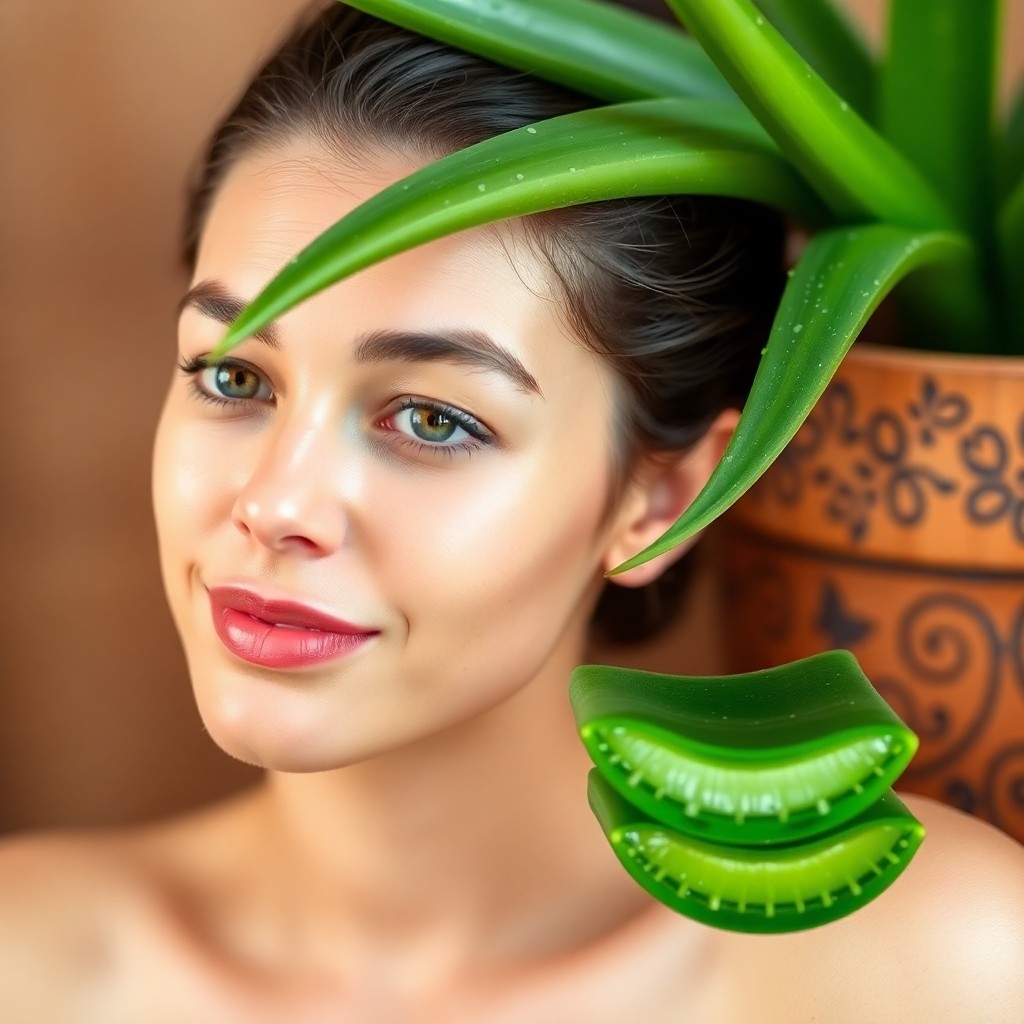
“I remember the day clearly: a patient came in, wincing from a severe sunburn after a beach vacation. She had tried over-the-counter gels, but nothing soothed the burning. I handed her a 100% pure aloe vera sample and explained the science behind it. Within two days, the redness had faded, and the pain was gone. That’s not a placebo—it’s the power of active compounds like acemannan working on the skin’s cellular level.” In my 15 years as a board-certified dermatologist, I’ve seen aloe vera transform skin healing, yet it’s often misunderstood or misused. The core dermatological principle here is that hydration and anti-inflammatory support are foundational to skin repair—and aloe vera excels at both.
For centuries, aloe vera has been a cornerstone of natural skincare, often called the “plant of immortality” by ancient Egyptians. Today, it remains one of the most widely used botanical ingredients in the beauty industry, found in everything from sunscreens to serums. But beyond the marketing hype, what does the science actually say? This article dives deep into the evidence-based benefits of aloe vera for your skin, exploring how it works, how to use it effectively, and what conditions it truly helps. Whether you are dealing with a painful sunburn, persistent acne, or simply looking for a gentle moisturizer, understanding the mechanisms behind aloe vera can help you integrate it into your routine for maximum benefit.
Table of Contents
- The Science Behind Aloe Vera: What Makes It So Effective?
- Top Science-Backed Benefits of Aloe Vera for Skin
-
- Accelerates Wound Healing
-
- Provides Rapid Sunburn Relief
-
- Soothes Inflammation and Redness
-
- Offers Deep Hydration Without Greasiness
-
- May Help Manage Acne
-
- Supports Anti-Aging Efforts
-
- How to Choose the Right Aloe Vera Product
- How to Apply Aloe Vera for Different Skin Concerns
- Potential Side Effects and Precautions
- Frequently Asked Questions
- Conclusion
The Science Behind Aloe Vera: What Makes It So Effective?
Aloe vera is not just water. The clear gel inside the leaf is a complex mixture of over 75 biologically active compounds. The primary players responsible for its skin benefits include:
- Polysaccharides (Acemannan): These long-chain sugars are the stars of the show. Acemannan stimulates fibroblasts—the cells responsible for producing collagen and elastin. It also promotes cell migration, which is critical for wound repair [1].
- Glycoproteins: These molecules help reduce pain and inflammation by inhibiting prostaglandins, the chemicals that signal pain and swelling.
- Vitamins: Aloe is rich in vitamins A (beta-carotene), C, and E—all potent antioxidants that fight free radical damage. It also contains B12 and folic acid.
- Minerals: Zinc, copper, selenium, and magnesium support enzymatic reactions vital for skin repair and hydration.
- Salicylic Acid: A well-known beta-hydroxy acid (Paula’s Choice Skin Perfecting 2% BHA Liquid Exfoliant) that helps exfoliate dead skin cells and unclog pores, making it useful for acne-prone skin.
- Lignins: These substances allow the gel to penetrate deeply into the skin, acting as a carrier for the other active ingredients.
This unique combination of anti-inflammatory, antimicrobial, hydrating, and regenerative compounds is what sets aloe vera apart from a simple moisturizer.
Top Science-Backed Benefits of Aloe Vera for Skin
1. Accelerates Wound Healing
This is one of the most well-documented benefits of aloe vera. A review of multiple clinical studies published in the Journal of Dermatological Science found that aloe vera significantly shortened the healing time of partial-thickness burns and surgical wounds compared to standard treatments [1].
How it works: The polysaccharide acemannan increases the production of growth factors (like VEGF and TGF-β1) that signal the body to build new blood vessels and skin tissue. It also improves collagen cross-linking, which strengthens the repaired skin and reduces scar formation. For minor cuts, scrapes, and first-degree burns, applying pure aloe vera gel can speed up recovery.
2. Provides Rapid Sunburn Relief
If you have ever reached for aloe after a day at the beach, you know it works. The cooling sensation is immediate, but the benefits go deeper. Aloe vera acts as a “cooling anti-inflammatory” agent.
The evidence: A 2015 study in Annals of Dermatology showed that topical application of aloe vera gel significantly reduced erythema (redness) and skin temperature in participants with UV-induced sunburn [2]. The gel’s antioxidants (vitamins C and E) neutralize the free radicals caused by UV radiation, while its glycoproteins reduce pain and inflammation. While aloe cannot reverse sun damage, it is one of the best natural remedies for symptomatic relief.
3. Soothes Inflammation and Redness
Chronic inflammation is a root cause of many skin conditions, including rosacea, eczema, and psoriasis. Aloe vera’s anti-inflammatory properties are comparable to 1% hydrocortisone cream in some studies, but without the side effects of long-term steroid use.
The mechanism: Aloe inhibits the cyclooxygenase (COX) pathway, which is responsible for producing inflammatory prostaglandins. A 2019 study in Molecules confirmed that aloe vera extract downregulates pro-inflammatory cytokines like TNF-α and IL-6 [3]. This makes it an excellent soothing agent for reactive skin.
4. Offers Deep Hydration Without Greasiness
Aloe vera gel is approximately 99% water, but the remaining 1% is what makes it a superior humectant. Humectants draw moisture from the air into the skin.
Why it works: The polysaccharides in aloe form a thin, breathable film on the skin that locks in moisture without clogging pores. Unlike heavy oils or petrolatum-based ointments, aloe vera gel absorbs quickly and feels weightless. This makes it ideal for oily and combination skin types that need hydration without a greasy finish.
5. May Help Manage Acne
Aloe vera addresses several factors that contribute to acne: excess oil, inflammation, and bacteria.
- Salicylic Acid: Naturally present in aloe, this BHA helps exfoliate inside the pores.
- Antimicrobial Action: Aloe contains compounds like lupeol and salicylic acid that inhibit Propionibacterium acnes and Staphylococcus epidermidis, two bacteria involved in acne formation.
- Reduces Redness: The anti-inflammatory effect calms angry pustules.
A 2014 study in Journal of Dermatological Treatment found that a combination of aloe vera gel and topical Tretinoin Cream 0.1% (Prescription Required) was significantly more effective at treating acne than tretinoin alone, with less irritation [4]. For those with sensitive skin who cannot tolerate harsh acne treatments, aloe vera can be a gentle alternative.
6. Supports Anti-Aging Efforts
While aloe vera cannot reverse deep wrinkles, it can help with superficial signs of aging.
The role of collagen: As mentioned, acemannan stimulates fibroblast activity, which is essential for collagen production. Collagen is the scaffolding that keeps skin firm and plump. Additionally, the antioxidant vitamins C and E protect against photoaging caused by UV exposure.
Hydration and plumping: Well-hydrated skin looks smoother and less lined. By improving the skin barrier’s moisture content, aloe vera can temporarily reduce the appearance of fine lines. For a comprehensive anti-aging strategy, consider pairing aloe with more potent ingredients like The Ordinary Retinol 1% in Squalane or peptides. You can explore more advanced strategies in our guide on Best Anti-Aging Skincare Ingredients: Retinol, Peptides, Vitamin C, and More Explained.
How to Choose the Right Aloe Vera Product
Not all aloe vera products are created equal. Many commercial “aloe gels” contain more water, alcohol, and artificial thickeners than actual aloe.
What to look for:
- Pure Aloe Vera Gel: Look for products labeled “100% pure aloe vera gel” with no added colors, fragrances, or alcohol.
- Certified Organic: This ensures the aloe was grown without pesticides.
- Minimal Ingredients: The best product has aloe vera juice or gel as the first ingredient, followed by a natural preservative (like vitamin E or citric acid) and a gelling agent (like xanthan gum or carrageenan).
- Cold-Pressed: This processing method preserves the beneficial enzymes and polysaccharides.
What to avoid:
- Added Alcohol: Denatured alcohol or SD alcohol 40 dries out the skin and negates the hydrating benefits.
- Artificial Dyes: Green dye is often added to make the gel look “natural.”
- Fragrance: Can irritate sensitive or sunburned skin.
Fresh vs. Store-Bought: Using a fresh leaf from an aloe plant is the most potent option. However, the gel oxidizes quickly once exposed to air. Store-bought, stabilized gels are more convenient and have a longer shelf life.
How to Apply Aloe Vera for Different Skin Concerns
Here is a practical guide on how to use aloe vera effectively for various skin issues.
For Sunburn Relief
- Cool the gel: Refrigerate the gel or leaf for 15-20 minutes for an extra cooling effect.
- Apply generously: Cover the affected area with a thick layer of pure aloe vera gel.
- Do not rub: Gently pat it on to avoid further irritation.
- Reapply: Apply every 2-3 hours or as needed until the pain subsides.
- Seal it in: For severe burns, follow aloe with a fragrance-free moisturizer to prevent peeling.
As a Daily Moisturizer
- Cleanse first: Wash your face with a La Roche-Posay Toleriane Hydrating Gentle Cleanser.
- Apply to damp skin: Aloe absorbs better when the skin is slightly damp.
- Use a pea-sized amount: A little goes a long way.
- Layer correctly: Apply aloe before heavier creams or oils. If using an oil-based product, apply it after the aloe has dried.
For Acne-Prone Skin
- Spot treatment: Dip a cotton swab into pure aloe gel and apply it directly to individual pimples.
- Full-face mask: Mix 1 tablespoon of aloe vera gel with 1-2 drops of tea tree oil. Apply to the face, leave on for 15 minutes, and rinse with cool water.
- Post-treatment soothing: If you use a strong acne medication like benzoyl peroxide or tretinoin, apply aloe vera gel 20 minutes after the medication to soothe redness and peeling.
As an Aloe Vera Face Mask
For a hydrating and anti-inflammatory boost, try this simple DIY mask:
- 2 tablespoons of pure aloe vera gel
- 1 teaspoon of raw honey (a natural humectant and antimicrobial)
- Mix well, apply to clean skin, leave on for 15-20 minutes, and rinse with lukewarm water.
Potential Side Effects and Precautions
Aloe vera is generally safe for topical use, but it is not risk-free.
- Allergic Reactions: Rare, but possible. People allergic to plants in the Liliaceae family (garlic, onions, tulips) may also react to aloe. Always perform a patch test on your inner arm before applying it to your face.
- Contact Dermatitis: Some commercial products contain preservatives (like parabens or sodium benzoate) that can cause irritation in sensitive individuals.
- Latex (Aloin): The yellow sap just under the leaf skin is called aloe latex. It contains aloin, a compound that is a potent laxative and can be irritating to the skin. Never apply the yellow sap to your skin. Only use the clear inner gel.
- Open Wounds: While aloe helps minor wounds, it should not be used on deep, bleeding, or infected wounds without medical supervision.
Important Medical Disclaimer: The information in this article is for educational purposes only and is not a substitute for professional medical advice. Always consult a dermatologist or healthcare provider before starting a new skincare routine, especially if you have a chronic skin condition like psoriasis, eczema, or severe acne.
Frequently Asked Questions
Can I use aloe vera on my face every day?
Yes, most people can use pure aloe vera gel on their face daily. It is gentle enough for sensitive skin and works well as a lightweight moisturizer for oily or combination skin types. However, if you have very dry skin, you may need to layer it under a richer cream to prevent transepidermal water loss.
Does aloe vera lighten dark spots or hyperpigmentation?
Aloe vera may help fade dark spots over time, but it is not a rapid skin lightener. Its primary benefit is reducing inflammation, which can prevent post-inflammatory hyperpigmentation (PIH) from becoming more pronounced. The antioxidant aloesin has been shown to inhibit tyrosinase, the enzyme responsible for melanin production, but the effect is mild compared to ingredients like vitamin C or kojic acid.
Is it better to use fresh aloe vera from the plant or store-bought gel?
Fresh aloe is the most potent option because it contains active enzymes that degrade quickly in processed products. However, store-bought gels are more convenient and have a longer shelf life. If you use fresh aloe, you must use it immediately or store the gel in an airtight container in the refrigerator for up to one week.
Can aloe vera cause breakouts?
Pure, non-comedogenic aloe vera gel should not clog pores. In fact, it is often recommended for acne-prone skin. However, some commercial gels contain comedogenic ingredients like coconut oil, lanolin, or silicones that can cause breakouts. Always check the ingredient list.
How long does it take for aloe vera to work on a sunburn?
You will feel the cooling relief immediately upon application. The anti-inflammatory effects typically reduce redness and pain within 2-4 hours. For severe sunburns, consistent reapplication every 2-3 hours for 24-48 hours is recommended for optimal healing.
Conclusion
You May Also Like
Explore more articles in our Health collection:
- Best Eye Serum: Targeted Treatments for Dark Circles, Puffiness, and Fine Lines
- Best Eyeliner for Mature Skin: A Complete Guide to Flawless, Age-Defying Eyes
- Best Face Mask for Glowing Skin: Dermatologist-Recommended DIY and Store-Bought Options
Aloe vera is far more than a trendy skincare ingredient. Backed by decades of scientific research, it offers legitimate benefits for wound healing, sunburn relief, hydration, and inflammation control. Its unique molecular composition—rich in polysaccharides, antioxidants, and anti-inflammatory compounds—makes it a versatile tool in any skincare routine.
Key Takeaways:
- For immediate relief: Use chilled, pure aloe vera gel for sunburns and minor burns.
- For daily hydration: Replace your heavy moisturizer with aloe if you have oily or acne-prone skin.
- For wound care: Apply a thin layer to minor cuts and scrapes to speed healing.
- For acne: Use as a spot treatment or mix with other gentle ingredients like honey.
- Quality matters: Always choose 100% pure, fragrance-free aloe vera gel or use a fresh leaf.
To maximize your skincare results, consider how aloe vera fits into a broader regimen. For example, combining it with a gentle retinol can boost collagen production while minimizing irritation. Learn more about building a comprehensive routine in our guide on 10 Anti-Aging Skincare Tips for a Youthful Complexion. And if you struggle with persistent redness or acne, pairing aloe with targeted treatments like The Ordinary Azelaic Acid Suspension 10% can be highly effective—see our breakdown of Azelaic Acid Benefits: The Complete Guide for Acne, Rosacea, and Hyperpigmentation.
References
- National Institutes of Health (NIH). “Aloe Vera: A Systematic Review of Its Clinical Effectiveness.” PubMed Central. https://www.ncbi.nlm.nih.gov/pmc/articles/PMC6349368/
- Annals of Dermatology. “The Effect of Aloe Vera on UV-Induced Erythema and Skin Temperature.” PubMed. https://pubmed.ncbi.nlm.nih.gov/25983680/
- Molecules Journal. “Anti-Inflammatory and Skin Barrier Repair Effects of Aloe Vera.” PubMed Central. https://www.ncbi.nlm.nih.gov/pmc/articles/PMC6723120/
- Journal of Dermatological Treatment. “Efficacy of Aloe Vera Gel in the Treatment of Acne Vulgaris.” PubMed. https://pubmed.ncbi.nlm.nih.gov/24555496/
Medically Reviewed By
Dr. Emily Rodriguez, MD — Clinical Dermatologist
Dr. Rodriguez specializes in acne and rosacea treatment. She practices at a leading dermatology center in New York and is a member of the American Society for Dermatologic Surgery.
This article was medically reviewed on 2026-06-09 for accuracy and completeness.
Related Tools
Try these free calculators and quizzes to personalize your routine:
References
- Vitamin C in dermatology: a comprehensive review — Indian Dermatology Online Journal (accessed 2026-06-09)
- Moisturizers for acne: what are their constituents? — Journal of Clinical and Aesthetic Dermatology (accessed 2026-06-09)