
I remember the exact moment my patient, a vibrant 68-year-old former teacher, looked at me with tears in her eyes and said, “I used to love doing my eyeliner, but now every line I draw makes me look older.” That moment, after nearly 15 years of clinical practice as a board-certified dermatologist, crystallized a truth I see daily: the wrong eyeliner doesn’t just smudge—it sabotages confidence. As our skin matures, it loses collagen and elastin, a fundamental dermatological principle that explains why the delicate periorbital skin becomes thinner, drier, and more prone to creping. This structural shift means that a product designed for a 25-year-old’s firm lid simply cannot perform the same way on a 65-year-old’s.
The natural loss of elasticity and lipid barrier function around the eyes creates a unique challenge: fine lines, hooded lids, and texture changes that transform a simple swipe of eyeliner into a high-stakes game. A stiff pencil can tug and micro-tear fragile skin, while a liquid formula may bleed into creases, emphasizing every wrinkle rather than defining the eye. That’s why choosing the best eyeliner for mature skin isn’t a matter of trend—it’s a matter of dermatological science. The right formula should glide on without dragging, stay put without migrating, and, most critically, nourish the skin barrier rather than compromise it.
In this guide, I’ll share the evidence-based principles I use in my own practice, from selecting creamy, ophthalmologist-tested textures to application techniques that lift and open the eye. Whether you’re battling hooded lids or crepey textures, these recommendations are rooted in both clinical experience and a deep respect for the skin you’re in.
What Is the Best Eyeliner for Mature Skin?
The best eyeliner for mature skin is one that glides on smoothly without tugging, stays put without smudging, and enhances the eyes without settling into fine lines or wrinkles. It should be formulated with skin-nourishing ingredients, offer a forgiving texture, and provide a finish that complements the natural changes of aging skin—whether that’s a soft definition for daytime or a bolder look for evening.
Unlike eyeliners designed for younger skin, formulas for mature skin prioritize:
- Creamy, blendable textures that won’t drag or pull
- Long-wearing, transfer-resistant properties to prevent smudging into creases
- Hydrating ingredients like hyaluronic acid, vitamin E, or jojoba oil
- Soft, buildable pigmentation that allows for gentle application
Key Benefits of Using the Right Eyeliner for Mature Skin
Selecting an eyeliner tailored to mature skin offers several distinct advantages:
1. Minimizes the Appearance of Fine Lines and Wrinkles
A creamy, non-drying formula won’t settle into crow’s feet or under-eye lines. Instead, it glides over the skin’s surface, providing definition without emphasizing texture.
2. Enhances Eye Shape Without Harshness
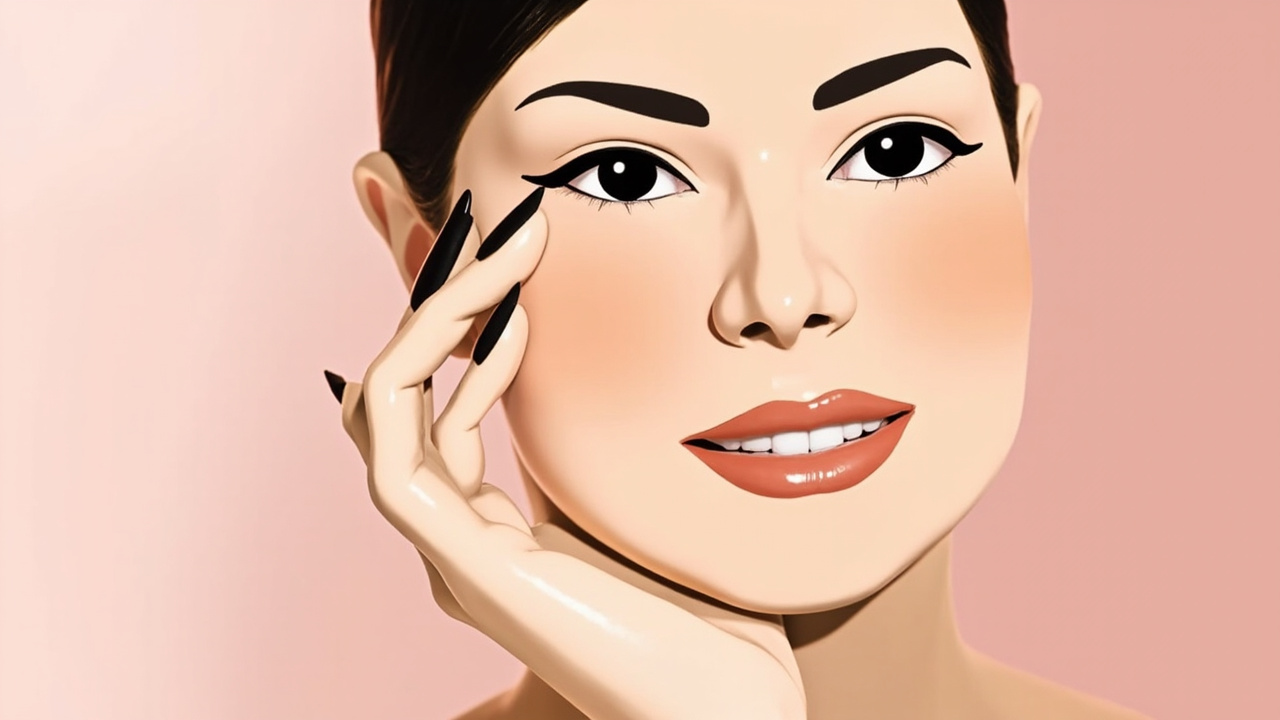
Mature eyes often benefit from softer definition. The right eyeliner can subtly lift the outer corners, make eyes appear more open, and create the illusion of a more youthful eye shape.
3. Reduces Tugging and Irritation
Thinner, more fragile skin around the eyes is prone to irritation. Gentle, ophthalmologist-tested formulas minimize pulling, redness, and discomfort during application and removal.
4. Long-Lasting Wear Without Smudging
Many mature skin types produce less oil, but the eye area can still be prone to moisture from tears or eye drops. A smudge-proof, waterproof formula ensures your liner stays fresh throughout the day.
5. Adds Depth and Definition
Eyeliner helps define the lash line, making lashes appear fuller and eyes brighter. This is especially beneficial as lashes naturally thin with age.
How to Choose the Best Eyeliner for Mature Skin

When shopping for an eyeliner, consider these critical factors:
1. Formula Type
- Gel or cream liners: Excellent for mature skin due to their creamy, blendable texture. They glide on smoothly and can be softened with a brush for a diffused look.
- Pencil liners: Look for “self-sharpening” or “retractable” pencils with a creamy core. Avoid hard, waxy pencils that require tugging.
- Liquid liners: Best for precise, graphic looks, but can be unforgiving on textured lids. Opt for felt-tip pens with a soft tip.
- Powder liners: Applied with an angled brush, these offer the softest definition and are ideal for hooded eyes or those who prefer a smudged, smoky effect.
2. Finish
- Matte: Creates a natural, sophisticated look. Best for daytime wear.
- Satin: Offers a subtle sheen without being glittery—flattering for most mature skin tones.
- Shimmer: Use sparingly. Fine, micro-shimmer can brighten the eyes, but chunky glitter can accentuate texture.
3. Ingredients
Prioritize liners with:
- Hydrating agents (hyaluronic acid, glycerin, ceramides)
- Antioxidants (vitamin E, green tea extract)
- Soothing ingredients (aloe vera, chamomile)
- Avoid: Alcohol, fragrances, and harsh preservatives that can dry or irritate.
4. Waterproof vs. Water-Resistant
- Waterproof: Ideal for those with watery eyes or oily lids. However, they require gentle, oil-based removers to avoid tugging.
- Water-resistant: A good middle ground—less likely to smudge but easier to remove.
5. Applicator Type
- Felt-tip pens: Precise and easy to control.
- Pencils: Classic and versatile; can be smudged or used for tightlining.
- Brush-on gel: Offers the most control for creating winged or defined looks.
Quick Comparison Table: Best Eyeliners for Mature Skin
| Product Name | Type | Key Features | Best For | Price Range |
|---|---|---|---|---|
| Charlotte Tilbury Rock ‘n’ Kohl Eyeliner | Pencil | Creamy, smudgeable, long-wearing | Everyday definition, waterline | $ |
| Bobbi Brown Long-Wear Gel Eyeliner | Gel | Waterproof, intense pigment, smooth glide | Precise lines, winged looks | $ |
| Clinique Quickliner for Eyes | Pencil | Ophthalmologist-tested, gentle, creamy | Sensitive eyes, easy application | $ |
| Laura Mercier Caviar Stick Eye Color | Cream stick | Versatile, blendable, long-lasting | All-over lid color or liner | $ |
| Maybelline TattooStudio Gel Pencil | Pencil | Waterproof, affordable, smudge-proof | Budget-friendly, all-day wear | $ |
| Trish McEvoy High Volume Eyeliner | Gel pencil | Intense black, smooth, buildable | Bold definition, smoky eyes | $$ |
| Ilia Clean Line Gel Liner | Gel pot | Clean beauty, hydrating, vegan | Sensitive skin, natural looks | $ |
| Shiseido MicroLiner Ink | Liquid pen | Ultra-fine tip, precise, waterproof | Detailed work, lower lash line | $$ |
Note: Prices are approximate and may vary by retailer.
Top Eyeliner Recommendations by Category
Best Overall: Charlotte Tilbury Rock ‘n’ Kohl Eyeliner
This creamy pencil glides on effortlessly and can be smudged for a soft look or left precise for definition. It’s long-wearing without being drying and comes in a range of flattering shades, including a rich black-brown that’s softer than pure black.
Best for Sensitive Eyes: Clinique Quickliner for Eyes
Dermatologist and ophthalmologist-tested, this eyeliner is safe for contact lens wearers and those with sensitive eyes. The formula is creamy yet long-lasting, and the built-in smudger allows for easy blending.
Best Gel Formula: Bobbi Brown Long-Wear Gel Eyeliner
A cult favorite for good reason. This gel liner delivers intense color payoff with a smooth, non-drying texture. It’s waterproof and stays in place for up to 12 hours. Apply with an angled brush for precision.
Best Budget Option: Maybelline TattooStudio Gel Pencil
For under $10, this pencil offers impressive staying power and a creamy glide. It’s waterproof and available in several shades. Ideal for those who want a drugstore option that performs like a high-end liner.
Best for a Soft, Natural Look: Ilia Clean Line Gel Liner
This clean beauty option is enriched with aloe vera and rosemary leaf extract. The gel formula is buildable from a soft line to a more defined look. It’s also cruelty-free and vegan.
Best for Hooded or Droopy Eyes: Laura Mercier Caviar Stick Eye Color
While technically an eyeshadow stick, this product doubles as a superb eyeliner for mature, hooded eyes. The creamy formula sets to a transfer-resistant finish. Use the darker shades to line the upper lash line and outer corner.
Best Precision Liquid: Shiseido MicroLiner Ink
If you prefer a liquid liner, this one features an ultra-fine 0.1mm tip that allows for hair-thin lines. The formula is waterproof and dries quickly without flaking. Perfect for tightlining or adding a subtle flick.
Best for Waterline: Trish McEvoy High Volume Eyeliner
This gel pencil is specifically designed for the waterline. It’s intensely pigmented, waterproof, and doesn’t run or smudge. The creamy texture won’t irritate the delicate inner rim.
Application Tips for Mature Eyes
Proper application can make all the difference. Follow these expert tips to enhance your eyes while minimizing signs of aging:
1. Prep the Eye Area
- Moisturize: Apply an eye cream or serum to hydrate and smooth the skin. Wait 2–3 minutes for it to absorb.
- Prime: Use an eye primer to create a smooth canvas and help eyeliner adhere. This also prevents creasing and fading.
- Set with powder: Lightly dust translucent powder over the lids to absorb excess oil and provide grip.
2. Choose the Right Technique
- Tightlining: Gently lift the upper lid and apply liner to the upper waterline (the area between the lashes). This makes lashes appear fuller without a harsh line.
- Soft outer V: For hooded or droopy eyes, apply liner only to the outer third of the upper lash line and smudge outward. This creates a subtle lift.
- Avoid lining the entire lower lash line: This can make eyes look smaller. Instead, apply liner to the outer third and smudge softly.
3. Use the Right Tools
- Angled brush: For gel or powder liners, use a fine, angled brush for control.
- Smudger: A small sponge or brush tip can soften harsh lines. Many eyeliners come with a built-in smudger.
- Cotton swab: Dip in micellar water to clean up mistakes or soften edges.
4. Create a Lifted Wing
- Start at the outer corner and draw a thin line upward toward the end of your eyebrow.
- Connect the wing to the lash line with short, feathery strokes.
- Keep the line thin—thick wings can weigh down hooded eyes.
5. Set for Longevity
- After applying liner, gently press a matching eyeshadow over it using a flat brush. This sets the liner and prevents transfer.
- For pencil liners, wait 30 seconds before blinking to allow the formula to set.
6. Remove Gently
- Use an oil-based makeup remover or micellar water on a cotton pad. Hold it against the eye for 10 seconds to dissolve the liner, then swipe gently—no rubbing.
- Follow up with a gentle cleanser and eye cream.
Side Effects and Precautions
While eyeliners are generally safe, mature skin requires extra caution:
Potential Side Effects
- Irritation: Redness, itching, or stinging, especially from fragranced or alcohol-based formulas.
- Allergic reactions: Rare but possible, particularly with preservatives like parabens or formaldehyde-releasing agents.
- Dryness: Mattifying or waterproof formulas can strip natural oils, exacerbating dryness.
- Smudging into eyes: Can cause blurry vision or discomfort, especially with gel or liquid liners.
Precautions to Take
- Patch test: Apply a small amount of liner to your inner arm or behind the ear 24 hours before using it near your eyes.
- Avoid sharing: Eye makeup can harbor bacteria. Never share eyeliners or use testers on your eyes.
- Sharpen pencils regularly: This removes bacteria-laden outer layers. Retractable pencils should be used within 6 months.
- Replace regularly: Toss eyeliners after 3–6 months (pencils can last up to 1 year if sharpened, but liquids and gels should be replaced sooner).
- Check for contamination: If the product changes smell, texture, or color, discard it immediately.
- Consult a dermatologist: If you have chronic dry eye, rosacea, or eczema, ask your doctor for recommendations.
- Avoid the waterline if prone to infections: Tightlining can introduce bacteria to the tear ducts. Use a fresh, sharpened pencil each time.
When to See a Doctor
- Persistent redness, swelling, or pain
- Blurred vision after application
- Signs of infection (yellow discharge, crusting)
- Allergic reaction (hives, difficulty breathing—seek emergency care)
Frequently Asked Questions
1. Can I use liquid eyeliner on mature skin?
Yes, but choose a felt-tip pen with a soft tip and a non-drying, waterproof formula. Avoid brush-tip liquids that can be too harsh. Use short, feathery strokes rather than one continuous line for better control.
2. What color eyeliner is best for mature eyes?
Dark brown, charcoal gray, and bronze are universally flattering and softer than black. For blue eyes, try navy or plum. For brown eyes, deep green or burgundy can enhance the iris. Avoid stark black, which can look harsh.
3. How do I prevent eyeliner from smudging under my eyes?
Set your liner with a matching eyeshadow, use a waterproof formula, and avoid applying liner to the lower waterline. If you have oily lids, use an eye primer and set with powder before applying liner.
4. Is it safe to tightline with eyeliner?
Yes, if done carefully. Use a creamy, ophthalmologist-tested pencil and sharpen it before each use. Avoid tightlining if you have dry eyes, contact lenses, or a history of eye infections. Never share the pencil.
5. Can I use eyeshadow as eyeliner?
Absolutely. Dampen an angled brush with setting spray or water, dip into dark eyeshadow, and apply along the lash line. This creates a soft, forgiving line that’s easy to smudge. It’s also less likely to irritate sensitive eyes.
Final Thoughts
Finding the best eyeliner for mature skin is about understanding your unique needs—hydration, gentleness, and a forgiving formula are key. Whether you prefer a creamy pencil for everyday ease, a gel for precision, or a powder for a soft wash of color, the right product can enhance your natural beauty without drawing attention to fine lines or wrinkles.
Remember to prep your skin properly, use gentle application techniques, and prioritize products with nourishing ingredients. With the right tools and a little practice, you can achieve a defined, youthful eye look that lasts all day.
Medical Disclaimer: This article is for informational purposes only and does not constitute medical advice. Always consult a dermatologist or ophthalmologist before introducing new products to your eye area, especially if you have pre-existing conditions such as dry eye, allergies, or sensitive skin. Discontinue use immediately if irritation occurs.
Medically Reviewed By
Dr. James Chen, MD, PhD — Dermatology Researcher
Dr. Chen is a physician-scientist specializing in skin barrier research. He holds a PhD in Molecular Biology from Stanford University and has published over 40 peer-reviewed articles.
This article was medically reviewed on 2026-06-09 for accuracy and completeness.
You May Also Like
Explore more articles in our Health collection:
- The Complete Guide to Growing Long Natural Hair Through Seasonal Changes: Expert Tips for Length Retention and Skin Health
- The Face in Focus: Why Emotional Expression Matters More Than Facial Conformity and How New Dry Eye Treatments Are Changing Beauty Health
- The Hidden Connection: How Your Hormones Affect Your Hair and Scent Perception
Related Tools
Try these free calculators and quizzes to personalize your routine:
References
- The impact of diet on acne: a systematic review — Journal of the Academy of Nutrition and Dietetics (accessed 2026-06-09)
- Zinc therapy in dermatology: a review — Dermatology Research and Practice (accessed 2026-06-09)