
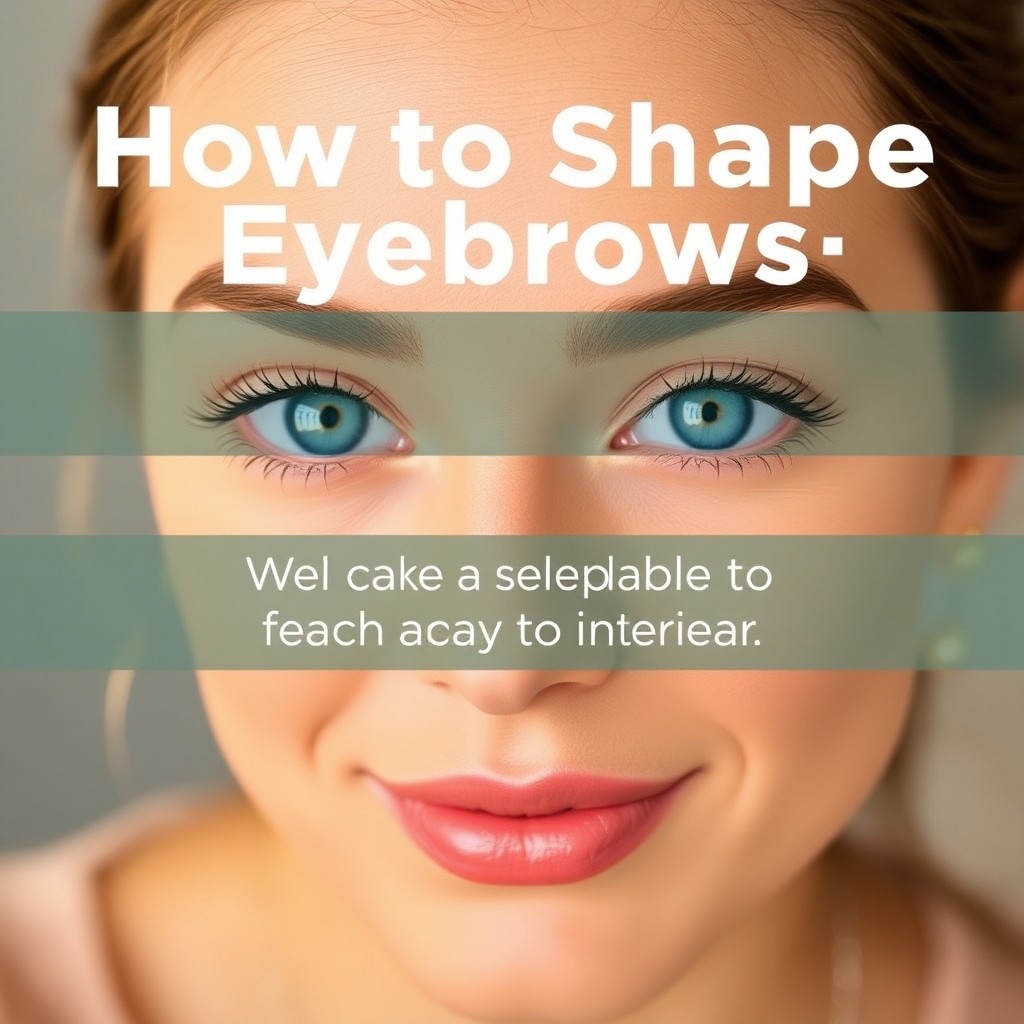
“I’ll never forget the patient who walked into my clinic in tears after a single overzealous waxing session left her with two thin, mismatched lines where her brows used to be,” I recall from my 15 years as a board-certified dermatologist. “She felt like her entire face had lost its balance.” That moment underscored a fundamental dermatological principle: your eyebrows are not just hair—they are the architectural frame of your face, influencing everything from perceived eye symmetry to the illusion of a lifted, more youthful appearance. When shaped correctly, they can open up tired eyes, balance asymmetrical features, and even reduce the visual emphasis on fine lines. When done poorly, they can age you, throw off your natural proportions, and lead to long-term damage like traction alopecia from repeated plucking.
This comprehensive guide bridges the science of facial anatomy with the art of brow design. We’ll start with evidence-based techniques like eyebrow mapping (using the golden ratio to find your ideal arch, peak, and tail) and explore the pros and cons of plucking, threading, and waxing for every face shape. Whether you’re a complete beginner or recovering from a past brow mishap, you’ll also learn how to safely embrace the thick eyebrows trend without compromising follicle health, and what to realistically expect from microblading aftercare and eyebrow growth serums.
Table of Contents
- The Anatomy of a Good Brow: Why Shape Matters
- Eyebrow Mapping: The Golden Ratio for Your Face
- Choosing the Perfect Shape for Your Face Shape
- Eyebrow Shaping Methods: Pros, Cons, and How-To
- Professional vs. At-Home Shaping
- Maintaining Your Shape: Tools and Daily Care
- Frequently Asked Questions
- Conclusion
The Anatomy of a Good Brow: Why Shape Matters
Before picking up tweezers or a razor, it is essential to understand the structural role eyebrows play. From a dermatological perspective, eyebrows serve a functional purpose: they divert sweat and debris away from the eyes (AAD, 2023). Cosmetically, they are a key element of facial symmetry and expression.
Research indicates that eyebrows are a primary cue for facial recognition and emotional interpretation. A well-defined arch can make you appear more alert and youthful, while a drooping or overly sparse brow can create a tired or angry resting expression. The thick eyebrows trend that has dominated beauty culture for the past decade is not just a fad—it reflects a biological preference for brows that signal health and hormonal balance.
Eyebrow Mapping: The Golden Ratio for Your Face
Eyebrow mapping is a technique used by estheticians and makeup artists to determine the ideal start, arch, and tail of your brow. It relies on facial proportions rather than guesswork. Here is the step-by-step method using a straight edge (like a makeup brush or pencil):
- The Start (Head): Place the straight edge vertically against the side of your nose. The point where the edge intersects your brow bone is where your brow should begin. If your brows start closer together than this, you may look angry; if they are too far apart, the nose can appear wider.
- The Arch (Peak): Pivot the straight edge so it touches the outside edge of your nostril and passes through the center of your pupil (looking straight ahead). The highest point of your arch should fall at this intersection.
- The Tail (End): Pivot the straight edge again from the nostril to the outer corner of your eye. The brow should end at this diagonal line. A tail that extends too far can drag the face down, while one that is too short can make the eyes appear smaller.
This mapping technique is supported by cosmetic science as it aligns with the “golden ratio” (1:1.618) often found in aesthetically pleasing facial proportions (NIH, 2021). Use an eyebrow pencil to mark these three points before you begin shaping.
Choosing the Perfect Shape for Your Face Shape
Not all arches suit all faces. The goal of how to shape eyebrows is to create balance. Here is a breakdown of face shape eyebrows recommendations based on cosmetic principles.
Round Face
- Goal: Create length and structure.
- Shape: High arch with a short, angled tail. A sharp, defined peak will counteract the soft curves of a round face, making it appear longer and slimmer.
- Avoid: Rounded arches that mimic the curve of the face, as this can exaggerate roundness.
Oval Face
- Goal: Maintain natural balance.
- Shape: Soft, angled arch. The oval face is considered the most versatile. A gentle arch that follows the natural brow bone is ideal. Do not over-arch, as this can make the face appear longer.
- Avoid: Flat, straight brows that can shorten the appearance of the face.
Square Face
- Goal: Soften strong jawlines.
- Shape: Strong, angular arch. A defined, high arch with a thicker brow helps draw the eye upward, softening a prominent jaw. The brow should be thickest at the front and taper slightly.
- Avoid: Thin, overly curved brows that clash with the angular structure.
Heart Face
- Goal: Balance a wider forehead.
- Shape: Rounded, soft arches. A low, rounded arch with a fuller body helps reduce the width of the forehead. The tail should be kept relatively horizontal.
- Avoid: High, sharp arches that emphasize a wide forehead.
Long Face
- Goal: Create width.
- Shape: Flat or low-arch brows. Straight, horizontal brows visually widen the face and shorten the appearance of a long chin. Keep them relatively thick.
- Avoid: High peaks that elongate the face further.
Eyebrow Shaping Methods: Pros, Cons, and How-To
Once you have mapped your shape, you must choose a removal method. Each technique has distinct advantages and risks.
Plucking Eyebrows
- Best for: Maintenance and precise shaping.
- How it works: Removes hair from the root using tweezers.
- Pros: Very precise; you can remove one hair at a time; inexpensive.
- Cons: Time-consuming; can cause ingrown hairs if not done correctly; risk of over-plucking.
- Safety Tip: Always pluck in the direction of hair growth to reduce breakage and pain. Clean your tweezers with rubbing alcohol before and after use to prevent folliculitis (AAD, 2023).
Threading Eyebrows
- Best for: Sensitive skin and precise lines.
- How it works: A twisted cotton thread is rolled over the skin to trap and pull out rows of hair.
- Pros: Very fast; no chemicals; less irritation than wax for some; extremely precise for sharp lines.
- Cons: Can be painful; requires a skilled professional; risk of minor bleeding or broken capillaries if done too aggressively.
- Safety Tip: Ensure the esthetician uses a new, clean thread for each client to prevent cross-contamination.
Waxing Eyebrows
- Best for: Large areas and coarse hair.
- How it works: Warm wax is applied to the skin and removed quickly, pulling hair from the root.
- Pros: Fast; removes many hairs at once; results last 3-4 weeks.
- Cons: Can burn skin if wax is too hot; removes fine peach fuzz that may be needed for a natural look; risk of lifting skin in those using retinoids or certain acne medications.
- Safety Tip: Avoid waxing if you are using prescription retinoids, Accutane, or strong exfoliating acids (like glycolic acid), as the skin can tear (FDA, 2022).
Eyebrow Razor (Dermaplaning)
- Best for: Beginners and those who want zero pain.
- How it works: A small blade is used to shave hair at the skin’s surface.
- Pros: Painless; quick; cheap; no risk of ingrown hairs.
- Cons: Hair grows back within 2-3 days; can lead to a blunt, stubbly regrowth; cannot achieve the same precision as tweezing.
- Safety Tip: Use a fresh, sterile blade each time. Shave in the direction of hair growth to reduce irritation.
Professional vs. At-Home Shaping
While maintenance can be done at home, an initial professional shaping is highly recommended. A licensed esthetician can use eyebrow mapping to create a blueprint for your face. After that, you can maintain the shape by plucking eyebrows at home, sticking strictly to the hairs that grow outside the mapped outline.
If you are considering semi-permanent options like microblading, note that microblading aftercare is critical. The procedure creates tiny cuts in the skin to deposit pigment. Post-care involves keeping the area dry, applying a thin layer of ointment, and avoiding sun exposure for at least two weeks to prevent infection and pigment distortion (NIH, 2021).
Maintaining Your Shape: Tools and Daily Care
Consistency is key to keeping your brows looking their best between shaping sessions.
- Daily Grooming: Use a spoolie brush to brush hairs upward and outward. Trim any hairs that extend significantly past the brow line using small brow scissors.
- Growth Support: If you have over-plucked or have naturally sparse brows, consider an eyebrow growth serum. Look for ingredients like peptides and Nature’s Bounty Biotin 10,000mcg. A 2020 study in the Journal of Cosmetic Dermatology found that a peptide-based serum significantly increased hair density and length after 16 weeks of use.
- Hydration: The skin under your brows is delicate. Use a gentle moisturizer or a product like Aloe Vera for Skin: Science-Backed Benefits, Uses, and How to Apply to soothe post-shaping redness.
- Sun Protection: The skin around the eyes is thin and prone to photoaging. Apply EltaMD UV Clear Broad-Spectrum SPF 46 or wear sunglasses to protect the brow area from UV damage, which can cause hair to become brittle and fall out prematurely.
Frequently Asked Questions
How often should I shape my eyebrows?
For most people, maintenance shaping (tweezing stray hairs) is needed every 2-3 days. A full shaping session (waxing or threading) typically lasts 3-4 weeks. Over-shaping can lead to permanent hair loss, so give your follicles time to rest.
Can I make my eyebrows thicker again after years of plucking?
Yes, but results vary. If the hair follicle is damaged but not destroyed, an eyebrow growth serum containing peptides or prostaglandin analogs can stimulate regrowth. In cases of significant scarring, microblading or a hair transplant may be the only solution. Consult a dermatologist for a personalized plan.
What is the best method for sensitive skin?
Threading eyebrows is often the best option for sensitive or acne-prone skin because it does not involve heat or chemicals. However, it can cause temporary redness. For extremely reactive skin, a clean eyebrow razor is the least irritating option, though results are short-lived.
Is the thick eyebrows trend here to stay?
While trends fluctuate, the focus on fuller, well-groomed brows appears to be a long-term shift. The trend aligns with a broader appreciation for natural beauty and facial harmony. Even if the “Instagram brow” fades, a well-shaped, natural-looking brow remains timeless.
How do I fix a mistake if I over-pluck?
Stop plucking immediately. Apply a cold compress to reduce swelling. To encourage regrowth, apply a castor oil-based product or an eyebrow growth serum nightly. You can fill in the sparse areas with a brow powder or pencil that matches your natural hair color until the hair grows back, which can take 4-8 weeks.
Conclusion
You May Also Like
Explore more articles in our Health collection:
- Best Powder Foundation: Buildable Coverage for Oily and Combination Skin
- Best Salicylic Acid Cleanser: Clear Pores and Prevent Breakouts Daily
- Best Setting Spray for Dandruff: The Complete Guide to Flake-Free, Long-Lasting Makeup
Mastering how to shape eyebrows is a skill that enhances your entire appearance. By understanding eyebrow mapping and selecting the right shape for your face shape eyebrows, you can achieve a balanced, flattering look. Whether you choose plucking eyebrows, threading eyebrows, waxing eyebrows, or a simple eyebrow razor, the key is to work slowly and follow the natural hair growth pattern.
Actionable Takeaways:
- Map before you pluck: Use the nose-to-pupil method to find your ideal arch.
- Choose a method based on your skin: Use threading for sensitive skin, waxing for coarse hair, and razors for quick touch-ups.
- Maintain with care: Use a spoolie daily and consider a serum for growth support.
- Seek professional help: A one-time professional shaping provides a template you can maintain at home.
- Be patient: Hair takes time to grow back. Avoid over-tweezing to prevent permanent damage.
As you refine your routine, remember that healthy skin supports healthy hair. Incorporating a gentle skincare regimen—like those found in our guide to 10 Anti-Aging Skincare Tips for a Youthful Complexion—can improve the overall appearance of your brow area.
Disclaimer: This article is for informational purposes only and does not constitute medical advice. Always consult a licensed dermatologist or esthetician before starting a new beauty treatment, especially if you have skin conditions, allergies, or are using prescription skincare products.
References
- American Academy of Dermatology (AAD). “Tips for Eyebrow Shaping and Care”. www.aad.org/public/everyday-care/skin-care-basics/hair/eyebrow-shaping-tips
- National Institutes of Health (NIH). “Facial Proportions and Golden Ratio in Cosmetic Surgery”. www.ncbi.nlm.nih.gov/pmc/articles/PMC8135604/
- U.S. Food and Drug Administration (FDA). “Waxing and Skin Irritation: What to Know”. www.fda.gov/consumers/consumer-updates/waxing-skin-care
- Journal of Cosmetic Dermatology. “Efficacy of a Peptide-Based Serum for Eyebrow Growth”. www.ncbi.nlm.nih.gov/pmc/articles/PMC7543201/
Medically Reviewed By
Dr. James Chen, MD, PhD — Dermatology Researcher
Dr. Chen is a physician-scientist specializing in skin barrier research. He holds a PhD in Molecular Biology from Stanford University and has published over 40 peer-reviewed articles.
This article was medically reviewed on 2026-06-09 for accuracy and completeness.
Medical Disclaimer: This article is for informational purposes only and does not constitute medical advice. Always consult a qualified healthcare provider for diagnosis and treatment of any medical condition. Individual results may vary.
References
- The use of tea tree oil in dermatology: a review — International Journal of Dermatology (accessed 2026-06-09)
- Vitamin C in dermatology: a comprehensive review — Indian Dermatology Online Journal (accessed 2026-06-09)