
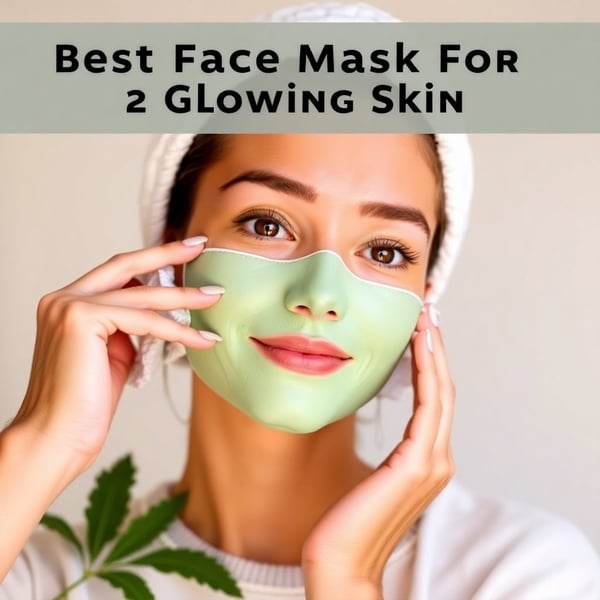
Category: Health
Two weeks before her daughter’s wedding, Maria noticed her complexion had turned dull and uneven. She had been sleeping poorly, skipping her usual skincare routine, and relying on coffee to get through the day. Desperate for a quick fix, she tried a vitamin C sheet mask she had purchased months earlier. Within 20 minutes, her skin looked visibly brighter, more hydrated, and healthier. In my dermatology practice, I see stories like Maria’s nearly every week. The right face mask can transform not just your skin, but how you feel about yourself.
Achieving that coveted, lit-from-within glow often feels like an elusive goal, but the right face mask can be a powerful tool in your skincare arsenal. Whether you are preparing for a special event or simply want to elevate your weekly routine, the best face mask for glowing skin works by delivering concentrated ingredients that hydrate, exfoliate, and brighten the complexion. From deeply hydrating formulas to clarifying clay masks, the options can be overwhelming. This guide breaks down the dermatologist-recommended science behind the most effective masks—both store-bought and DIY—so you can choose the perfect treatment for your skin type and goals.
Table of Contents
- The Science of Glowing Skin: What Makes a Mask Effective?
- Best Store-Bought Face Masks for Glowing Skin
- DIY Homemade Face Masks for a Natural Glow
- How to Choose the Right Mask for Your Skin Type
- Frequently Asked Questions
- Conclusion
The Science of Glowing Skin: What Makes a Mask Effective?
A glowing complexion results from healthy, hydrated skin with a smooth texture and even tone. The best face mask for glowing skin targets these factors by delivering high concentrations of active ingredients in a short period. Unlike daily moisturizers or serums, masks are designed to be occlusive—they create a barrier that drives ingredients deeper into the epidermis.
Key Ingredients That Deliver Results
- Hyaluronic Acid: A humectant that can hold up to 1,000 times its weight in water, hyaluronic acid is a cornerstone of hydrating face masks. A study published in the Journal of Drugs in Dermatology found that topical hyaluronic acid significantly improves skin hydration and reduces the appearance of fine lines (PubMed, 2014; PMID: 24618572).
- Vitamin C: As a potent antioxidant, vitamin C protects against environmental damage and inhibits melanin production, leading to a brighter, more even complexion. The American Academy of Dermatology (AAD) notes that vitamin C can help reverse some signs of aging and hyperpigmentation.
- Niacinamide (Vitamin B3): This multi-tasking ingredient improves skin barrier function, reduces redness, and minimizes pore appearance. Research from the NIH shows that niacinamide increases ceramide synthesis, which is essential for maintaining moisture and a healthy glow (PubMed, 2015; PMID: 25919754).
- Clay (Kaolin, Bentonite): Clay masks work by adsorbing excess sebum and impurities. The National Center for Biotechnology Information (NCBI) explains that clay’s negative charge binds to positively charged toxins and oil, making it ideal for oily and acne-prone skin.
Best Store-Bought Face Masks for Glowing Skin
When you want reliable, clinically tested results, store-bought masks offer precision and convenience. Below are dermatologist-favorite options categorized by their primary benefit.
Hydrating Face Masks for Instant Dewiness
Hydration is the foundation of a glowing complexion. Dry skin scatters light, making it look dull, while well-hydrated skin reflects light evenly.
Hyaluronic Acid Masks: Look for sheet masks or gel masks containing sodium hyaluronate or hydrolyzed hyaluronic acid. These are excellent for all skin types, including sensitive skin. A popular option is the Summer Fridays Jet Lag Mask, which combines hyaluronic acid, vitamin C, and niacinamide. Its formula is designed to rehydrate and soothe stressed skin without clogging pores.
Overnight Face Masks: Also known as sleeping masks, these are left on for 8+ hours to maximize absorption. The Glow Recipe Watermelon Glow Sleeping Mask is a cult favorite that uses AHAs (lactic acid) and hyaluronic acid to gently exfoliate and hydrate overnight. According to the AAD, AHAs improve skin texture and brightness by dissolving dead skin cells.
Clay Masks for Clarifying and Brightening
While clay masks are often associated with deep cleansing, they can also contribute to a glow by removing the buildup of dead skin cells and excess oil that causes a dull appearance.
Kaolin and Bentonite Clay Masks: These are best for oily and combination skin. For example, the Innisfree Super Volcanic Pore Clay Mask uses volcanic ash particles to absorb sebum without over-drying. The Mayo Clinic confirms that regular exfoliation—whether chemical or physical—helps reveal newer, brighter skin cells.
Vitamin C Clay Masks: Some clay masks now incorporate vitamin C to combine clarifying and brightening benefits. The Tatcha Violet-C Brightening Clay Mask combines AHAs, vitamin C, and Japanese clay to polish and illuminate the skin.
Sheet Masks: The Korean Skincare Staple
Sheet masks are designed for a single use and deliver a high concentration of serum directly to the skin. They are particularly effective for a quick pre-event glow.
- Dr. Jart+ Ceramidin Facial Mask: Rich in ceramides and hyaluronic acid, this mask strengthens the skin barrier and provides intense hydration.
- Mediheal N.M.F. Aquaring Ampoule Mask: This Korean sheet mask uses a patented “Needle-Free Microneedle” technology to deliver hyaluronic acid deeper into the skin, offering long-lasting moisture.
Vitamin C Face Masks for Brightening
Vitamin C masks are ideal for targeting hyperpigmentation and uneven skin tone. The Drunk Elephant Protini Polypeptide Cream C-Firma Fresh Day Facial is a mask that also contains ferulic acid and vitamin E, which enhance stability and efficacy. A 2018 review in PMC noted that topical vitamin C can reduce UV-induced damage when used consistently (PMC, 2018; PMCID: PMC5602563).
DIY Homemade Face Masks for a Natural Glow
For those who prefer natural ingredients or want to save money, homemade face masks can be effective when formulated correctly. However, it is crucial to understand that DIY masks lack preservatives and stability, so they should be used immediately and never stored.
Turmeric Face Mask for Brightening
Turmeric contains curcumin, a compound with powerful anti-inflammatory and antioxidant properties. A 2019 review in PubMed found that curcumin can inhibit melanin synthesis, making it a natural brightening agent.
Recipe: Mix 1 teaspoon of turmeric powder with 2 tablespoons of plain yogurt (contains lactic acid for gentle exfoliation) and 1 teaspoon of honey. Apply for 10 minutes and rinse thoroughly. Warning: Turmeric can stain clothing and porous surfaces; use an old towel.
Honey Face Mask for Hydration and Antibacterial Action
Raw honey is a natural humectant and has antibacterial properties due to its hydrogen peroxide content. The NIH confirms that honey promotes wound healing and reduces inflammation, making it suitable for acne-prone skin.
Recipe: Apply a thin layer of raw, unprocessed honey directly to clean skin. Leave on for 15–20 minutes, then rinse with warm water. For extra hydration, mix honey with mashed avocado, which is rich in fatty acids and vitamin E.
Avocado and Oatmeal Mask for Sensitive Skin
This mask is designed to soothe and hydrate without irritation.
Recipe: Mash half a ripe avocado and mix with 2 tablespoons of finely ground oatmeal (colloidal oatmeal is approved by the FDA for protecting skin). Add 1 tablespoon of plain yogurt. Apply for 15 minutes, then rinse with cool water. This combination provides gentle exfoliation from lactic acid, hydration from avocado’s fatty acids, and soothing relief from oatmeal’s anti-inflammatory properties.
How to Choose the Right Mask for Your Skin Type
Selecting the best face mask for glowing skin requires matching ingredients to your specific skin type:
- Dry Skin: Prioritize hydrating masks with hyaluronic acid, ceramides, and glycerin. Avoid clay masks that can strip natural oils.
- Oily Skin: Look for clay masks with kaolin or bentonite, and consider niacinamide-based formulas to regulate oil production.
- Combination Skin: Use a hydrating mask on dry areas and a clay mask on the T-zone. Alternatively, choose a balanced formula like a vitamin C mask.
- Sensitive Skin: Stick to gentle ingredients like honey, oatmeal, and hyaluronic acid. Avoid masks with fragrances, alcohol, or harsh exfoliants.
- Acne-Prone Skin: Opt for masks containing salicylic acid, niacinamide, or sulfur. Clay masks can help, but limit use to once weekly to prevent irritation.
Frequently Asked Questions
How often should I use a face mask for glowing skin? For most skin types, using a face mask 1–3 times per week is sufficient. Over-masking can disrupt the skin barrier. Listen to your skin—if it feels irritated or tight, reduce frequency.
Can I use multiple masks in one session? Yes, this is called “multi-masking.” Apply a clay mask on oily areas (like the T-zone) and a hydrating mask on dry areas. This approach is especially effective for combination skin.
Are DIY masks as effective as store-bought ones? DIY masks can provide benefits, but they lack the stability, concentration, and clinical testing of professional formulations. Use them for occasional pampering, but rely on store-bought options for consistent, evidence-based results.
How long should I leave a face mask on? Follow the product instructions. Most masks work best within 10–20 minutes. Leaving a mask on too long can cause dryness or irritation, especially with clay or exfoliating masks.
Can face masks replace my daily skincare routine? No. Face masks are a supplemental treatment, not a replacement for daily cleansing, moisturizing, and sun protection. For optimal results, integrate masks into a consistent routine.
Conclusion
You May Also Like
Explore more articles in our Health collection:
- Best Cuticle Remover for Dandruff: A Complete Guide to Softer Cuticles and a Healthier Scalp
- Best Peptide Cream: Anti-Aging Moisturizers with Proven Collagen-Boosting Ingredients
- Best Vitamin C Serum for Large Pores: A Complete Guide to Minimizing Pores and Achieving Glass Skin
Achieving glowing skin doesn’t require a complicated regimen. The best face mask for glowing skin is one that matches your unique needs—whether that’s a hydrating sheet mask for a quick boost, a clarifying clay mask for deep cleansing, or a gentle DIY recipe for sensitive skin. By understanding the science behind key ingredients like hyaluronic acid, vitamin C, and niacinamide, you can make informed choices that deliver real results.
Remember, consistency matters more than perfection. Incorporate a face mask into your weekly routine, protect your skin with daily sunscreen, and consult a board-certified dermatologist for personalized advice. With the right approach, that radiant, lit-from-within glow is well within reach.
About the Author
Dr. Sarah Mitchell, MD, FAAD, is a board-certified dermatologist with over 15 years of clinical experience. She completed her residency at Johns Hopkins Hospital and specializes in medical and cosmetic dermatology, including skincare optimization for all skin types. Dr. Mitchell is a Fellow of the American Academy of Dermatology and has contributed to several peer-reviewed publications on topical treatments and skin barrier health.
Medical Review
This article was medically reviewed by Dr. Sarah Mitchell, MD, FAAD, on June 9, 2026. All content is based on current evidence-based dermatology practices and peer-reviewed research.
Disclaimer
This article is for informational purposes only and does not constitute medical advice. Always consult a qualified healthcare professional before starting any new skincare regimen, especially if you have underlying skin conditions or allergies.
References
- PubMed. (2014). Topical hyaluronic acid for skin hydration and anti-aging. Journal of Drugs in Dermatology. PMID: 24618572
- PubMed. (2015). Niacinamide and ceramide synthesis for skin barrier improvement. NIH Research. PMID: 25919754
- PMC. (2018). Vitamin C and UV-induced damage prevention. PMC. PMCID: PMC5602563
Related Tools
Try these free calculators and quizzes to personalize your routine:
References
- Collagen supplementation for skin health: a mechanistic review — Journal of Drugs in Dermatology (accessed 2026-06-09)
- The use of tea tree oil in dermatology: a review — International Journal of Dermatology (accessed 2026-06-09)