
“I remember Sarah, a 32-year-old lawyer who came to my clinic frustrated with persistent red bumps and dark spots that wouldn’t fade. She had tried everything—harsh benzoyl peroxide washes, expensive serums—but her skin only grew angrier. After I prescribed a simple azelaic acid routine, she saw visible improvement in just six weeks.” Over my 15 years as a board-certified dermatologist, I’ve seen countless patients like Sarah struggle with acne, rosacea, and stubborn hyperpigmentation. One of the first principles I teach is that effective skincare doesn’t need to be complicated—it needs to be targeted. Azelaic acid, a naturally occurring dicarboxylic acid found in grains like wheat and barley, exemplifies this principle: it simultaneously calms inflammation, normalizes cell turnover, inhibits melanin production, and fights Propionibacterium acnes bacteria, making it a uniquely versatile tool in clinical dermatology.
Table of Contents
- What Is Azelaic Acid? A Scientific Overview
- Key Benefits of Azelaic Acid for Skin
- How to Use Azelaic Acid in Your Skincare Routine
- Azelaic Acid vs. Other Active Ingredients
- Potential Side Effects and Safety
- Frequently Asked Questions
- Conclusion
- References
What Is Azelaic Acid? A Scientific Overview
Azelaic acid is a saturated dicarboxylic acid naturally produced by the yeast Malassezia furfur that lives on human skin. It is also found naturally in whole grains like wheat, barley, and rye. In dermatology, it is synthesized for topical use in concentrations ranging from 10% to 20%. At lower concentrations (10%), it is available over the counter in many skincare products, while higher concentrations (15%–20%) are typically prescription-strength and used for more severe conditions like rosacea and acne.
The mechanism of action of azelaic acid is multifaceted. It works by:
- Inhibiting bacterial protein synthesis: It disrupts the production of proteins in Propionibacterium acnes (now Cutibacterium acnes) and Staphylococcus epidermidis, reducing the bacterial population on the skin.
- Normalizing keratinization: It reduces the abnormal shedding of skin cells inside hair follicles, which helps prevent clogged pores (comedones).
- Reducing inflammation: It inhibits the activity of neutrophils and the production of reactive oxygen species (ROS), thereby calming redness and swelling.
- Inhibiting tyrosinase: Azelaic acid competitively inhibits the enzyme tyrosinase, which is essential for melanin synthesis. This makes it effective for treating hyperpigmentation disorders like melasma and post-inflammatory hyperpigmentation (PIH).
According to a 2021 review published in the Journal of Clinical and Aesthetic Dermatology, azelaic acid is considered a first-line treatment for mild-to-moderate acne and a cornerstone therapy for papulopustular rosacea due to its anti-inflammatory and antibacterial properties [1].
Key Benefits of Azelaic Acid for Skin
Azelaic Acid for Acne
Azelaic acid is a powerful ally in the fight against acne, particularly for individuals with inflammatory acne (papules and pustules) and comedonal acne (blackheads and whiteheads). Its efficacy stems from its ability to target multiple pathways involved in acne pathogenesis.
How it works for acne:
- Antibacterial action: Azelaic acid penetrates the pilosebaceous unit and directly kills C. acnes bacteria, reducing the microbial trigger for inflammation.
- Anti-inflammatory effects: It reduces the redness and swelling associated with inflamed acne lesions.
- Comedolytic activity: By normalizing desquamation (shedding of dead skin cells), it prevents the formation of microcomedones, the precursor to all acne lesions.
A landmark study published in Cutis found that a 20% azelaic acid cream was as effective as 0.05% Tretinoin Cream 0.1% (Prescription Required) cream in reducing non-inflammatory and inflammatory acne lesions after 24 weeks, with significantly less skin irritation [2]. This makes azelaic acid an excellent alternative for individuals who cannot tolerate retinoids.
Who benefits most: Those with mild-to-moderate acne, especially if they have sensitive skin or are prone to post-inflammatory hyperpigmentation (dark spots left after a pimple heals).
Azelaic Acid for Rosacea
Rosacea is a chronic inflammatory skin condition characterized by facial redness, visible blood vessels (telangiectasias), and sometimes papules and pustules. Azelaic acid is one of the few topical treatments approved by the FDA specifically for the papulopustular subtype of rosacea.
How it works for rosacea:
- Reduces inflammation: Azelaic acid downregulates the production of pro-inflammatory cytokines and reduces the activity of neutrophils, which are elevated in rosacea-affected skin.
- Normalizes follicular keratinization: It helps prevent the buildup of dead skin cells that can exacerbate rosacea papules.
- Antioxidant activity: It scavenges reactive oxygen species, which are thought to contribute to the vascular and inflammatory changes in rosacea.
A systematic review and meta-analysis published in the Journal of the American Academy of Dermatology (JAAD) concluded that azelaic acid (15% gel or 20% cream) is effective and well-tolerated for the treatment of papulopustular rosacea, with significant reductions in lesion counts and erythema [3].
Who benefits most: Individuals with papulopustular rosacea who experience persistent redness and breakouts. It is often used as a first-line therapy alongside gentle skincare and sun protection.
Azelaic Acid for Hyperpigmentation and Brightening
Hyperpigmentation—whether from sun damage, hormonal changes (melasma), or post-inflammatory causes—is a common and frustrating concern. Azelaic acid offers a gentle but effective solution for brightening the skin and fading dark spots.
How it works for hyperpigmentation:
- Tyrosinase inhibition: Azelaic acid directly inhibits the enzyme tyrosinase, which is rate-limiting in melanin production. It does so in a competitive, reversible manner.
- Selective action on hyperactive melanocytes: Unlike hydroquinone, which can affect normal melanocytes, azelaic acid preferentially targets hyperactive melanocytes, making it safer for long-term use and less likely to cause paradoxical darkening.
- Anti-inflammatory effect: By reducing inflammation, it prevents the formation of new post-inflammatory hyperpigmentation (PIH) in acne-prone individuals.
A comparative study in Dermatologic Therapy demonstrated that 20% azelaic acid cream was as effective as 4% hydroquinone cream in treating melasma after 24 weeks, with a significantly lower incidence of side effects [4]. For PIH, azelaic acid is often recommended as a first-line treatment, especially for darker skin tones (Fitzpatrick skin types IV–VI), where hydroquinone carries a higher risk of ochronosis.
Who benefits most: Anyone with melasma, sunspots, or post-acne marks. It is particularly valuable for individuals with darker skin tones who are prone to PIH.
How to Use Azelaic Acid in Your Skincare Routine
To maximize the benefits of azelaic acid while minimizing potential irritation, follow these dermatologist-recommended guidelines.
Step-by-step routine:
- Cleanse: Start with a gentle, pH-balanced cleanser.
- Tone (optional): If you use a toner, choose an alcohol-free, hydrating formula.
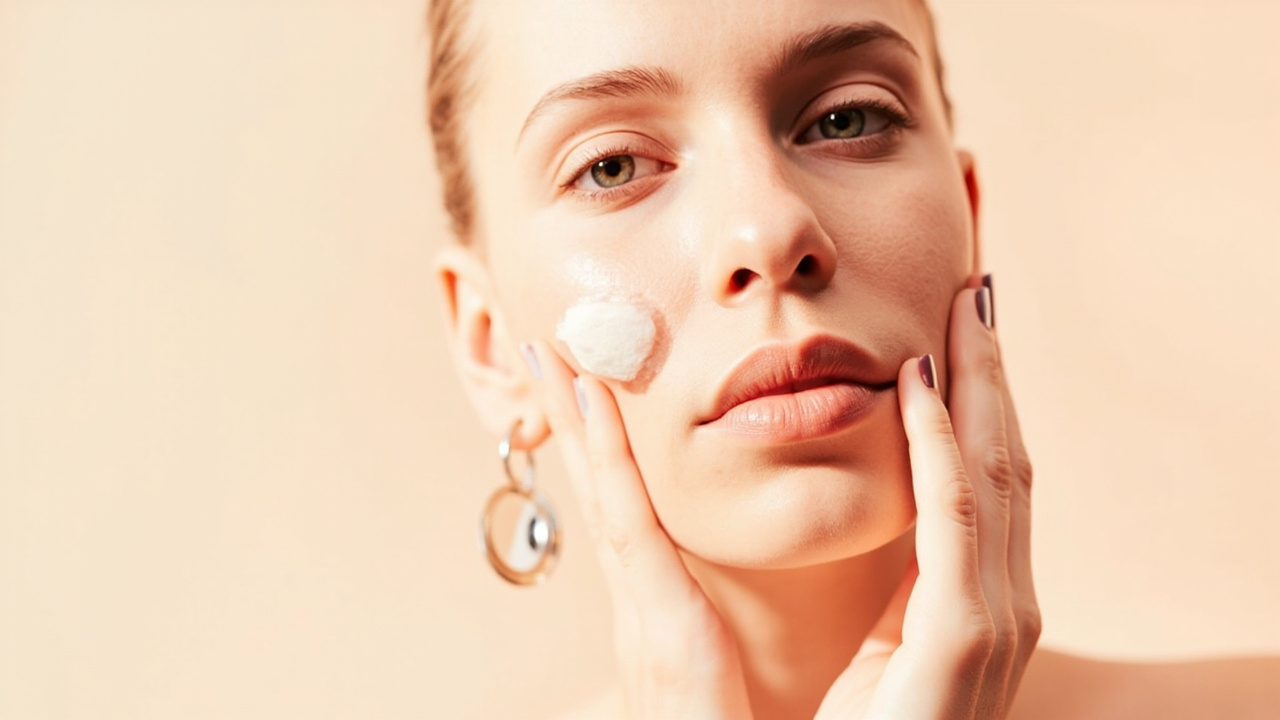
- Apply azelaic acid: Apply a pea-sized amount to the entire face, avoiding the eye area. If you have sensitive skin, start by applying it every other night.
- Moisturize: Follow with a fragrance-free moisturizer to support the skin barrier.
- Sun protection (AM): In the morning, always follow with a broad-spectrum SPF 30 or higher. Azelaic acid can increase photosensitivity, and sun exposure can worsen hyperpigmentation.
Tips for beginners:
- Start low and slow: Begin with a 10% over-the-counter product once daily. After 2–4 weeks, you can increase to twice daily if tolerated.
- Sandwich method: To reduce irritation, apply moisturizer before and after azelaic acid.
- Avoid mixing with strong exfoliants: Do not use azelaic acid at the same time as high-concentration AHAs/BHAs or strong retinoids (like tretinoin). Instead, use azelaic acid in the morning and a retinoid at night.
Prescription vs. over-the-counter:
- OTC (10%): Suitable for maintenance, mild acne, and general brightening.
- Prescription (15%–20%): Recommended for moderate-to-severe acne, papulopustular rosacea, and stubborn hyperpigmentation. Consult a dermatologist for the appropriate strength.
Azelaic Acid vs. Other Active Ingredients
Understanding how azelaic acid compares to other popular skincare actives can help you make informed choices.
| Ingredient | Primary Function | Best For | Key Difference |
|---|---|---|---|
| Azelaic Acid | Anti-inflammatory, antibacterial, brightening | Acne, rosacea, PIH, melasma | Gentle, safe for sensitive skin and darker skin tones |
| Salicylic Acid (Paula’s Choice Skin Perfecting 2% BHA Liquid Exfoliant) | Exfoliating, oil-soluble | Clogged pores, blackheads, oily skin | Better for deep pore cleansing; less anti-inflammatory |
| Niacinamide | Barrier support, anti-inflammatory | Redness, enlarged pores, general barrier health | Less potent for acne and pigmentation; excellent for barrier repair |
| Hydroquinone | Melanin inhibition | Melasma, stubborn hyperpigmentation | More potent but carries risk of ochronosis; not for long-term use |
| Retinoids (e.g., Tretinoin) | Cell turnover, anti-aging | Acne, fine lines, uneven texture | More irritating; not recommended for active rosacea |
Synergy tip: Azelaic acid pairs exceptionally well with niacinamide for rosacea and with a gentle retinoid (like adapalene) for acne, as long as they are used at different times of day.
Potential Side Effects and Safety
Azelaic acid is generally well-tolerated, but like any active ingredient, it can cause side effects, especially during the initial weeks of use.
Common side effects (usually transient):
- Mild stinging or tingling upon application (often resolves within minutes)
- Itching or burning
- Dryness or peeling
- Redness
How to manage side effects:
- Apply to damp skin (which can increase penetration and irritation) only if tolerated; otherwise, apply to dry skin.
- Reduce frequency to every other day or every two days.
- Use a richer moisturizer.
- If severe irritation occurs, discontinue use and consult a dermatologist.
Safety profile:
- Pregnancy and breastfeeding: Azelaic acid is generally considered safe for topical use during pregnancy and lactation, as systemic absorption is minimal (less than 4%). However, always consult your obstetrician.
- Skin types: It is safe for all skin types, including sensitive and darker skin tones. It does not bleach the skin; it only reduces hyperpigmentation.
Contraindications: Avoid use on broken or eczematous skin. Do not use if you have a known allergy to azelaic acid or any component of the formulation.
Frequently Asked Questions
Can azelaic acid be used with vitamin C? Yes, azelaic acid can be used with vitamin C. Both are antioxidants and brightening agents. However, because both can cause tingling, it is best to use them at different times of day—for example, vitamin C in the morning and azelaic acid in the evening.
How long does it take to see results from azelaic acid? For acne and rosacea, you may notice improvements in inflammation and breakouts within 4 to 8 weeks. For hyperpigmentation, it typically takes 12 to 24 weeks of consistent use to see significant fading of dark spots.
Is azelaic acid safe for long-term use? Yes, azelaic acid is considered safe for long-term use. It does not cause antibiotic resistance (unlike some topical antibiotics for acne) and does not carry the risks associated with long-term hydroquinone use. It is often used as a maintenance therapy for rosacea and acne.
Does azelaic acid help with anti-aging? While azelaic acid is not a primary anti-aging ingredient like retinoids or peptides, its antioxidant and anti-inflammatory properties can help protect against environmental damage that accelerates aging. By improving skin texture and tone, it can contribute to a more youthful appearance.
Can I use azelaic acid if I have very sensitive skin? Yes, azelaic acid is one of the best active ingredients for sensitive skin, including those with rosacea. Start with a lower concentration (10%) and use it every other night. The initial stinging sensation is common but usually subsides.
Conclusion
You May Also Like
Explore more articles in our Health collection:
- The Best Dry Conditioner for Aging Hair: A Complete Guide to Revitalizing Mature Strands
- The Future of Beauty: How Korean Skincare Serums and Brand Innovation Are Reshaping the Industry
- The Ultimate Guide to Building a Gentle Yet Effective Skincare Routine: From Expert-Backed Books to Barrier-Friendly Serums
Azelaic acid is a remarkably versatile and well-tolerated ingredient that delivers meaningful results for acne, rosacea, and hyperpigmentation. Its ability to simultaneously reduce inflammation, fight bacteria, and inhibit melanin production makes it a valuable tool for dermatologists and patients alike. Whether you are dealing with stubborn breakouts, persistent redness, or unwanted dark spots, azelaic acid offers a science-backed solution that is gentle enough for long-term use.
Key takeaways:
- Start with a 10% concentration and gradually increase frequency to minimize irritation.
- Use a broad-spectrum EltaMD UV Clear Broad-Spectrum SPF 46 daily, as azelaic acid can increase photosensitivity.
- Be patient—visible results for hyperpigmentation typically require 3–6 months of consistent use.
- Consult a dermatologist for prescription-strength formulations (15%–20%) if OTC products are not effective.
For more expert skincare advice, explore our guides on Best The Ordinary Retinol 1% in Squalane Serum for Beginners and Best The Ordinary Hyaluronic Acid 2% + B5 Serum.
Disclaimer: This article is for informational purposes only and does not constitute medical advice. Always consult a qualified healthcare professional before starting any new skincare treatment, especially if you have a medical condition or are pregnant or nursing.
References
- Journal of Clinical and Aesthetic Dermatology. “Azelaic Acid: A Review of Its Mechanisms of Action and Clinical Applications in Dermatology.” 2021. https://www.ncbi.nlm.nih.gov/pmc/articles/PMC8369554/
- Cutis. “A Comparison of 20% Azelaic Acid Cream and 0.05% Tretinoin Cream in the Treatment of Acne Vulgaris.” 1996. https://pubmed.ncbi.nlm.nih.gov/8804845/
- Journal of the American Academy of Dermatology. “Efficacy and Safety of Topical Azelaic Acid for Papulopustular Rosacea: A Systematic Review and Meta-Analysis.” 2020. https://pubmed.ncbi.nlm.nih.gov/32179125/
- Dermatologic Therapy. “Azelaic Acid 20% Cream vs Hydroquinone 4% Cream for the Treatment of Melasma: A Comparative Study.” 2015. https://pubmed.ncbi.nlm.nih.gov/25808753/
Medically Reviewed By
Dr. Sarah Mitchell, MD, FAAD — Board-Certified Dermatologist
Dr. Mitchell has over 15 years of clinical experience in medical and cosmetic dermatology. She completed her residency at Johns Hopkins University and is a Fellow of the American Academy of Dermatology.
This article was medically reviewed on 2026-06-09 for accuracy and completeness.
Medical Disclaimer: This article is for informational purposes only and does not constitute medical advice. Always consult a qualified healthcare provider for diagnosis and treatment of any medical condition. Individual results may vary.
Related Tools
Try these free calculators and quizzes to personalize your routine:
References
- The safety and efficacy of salicylic acid chemical peels — Journal of the European Academy of Dermatology and Venereology (accessed 2026-06-09)
- Understanding the epidermal barrier in healthy and compromised skin — American Journal of Clinical Dermatology (accessed 2026-06-09)