
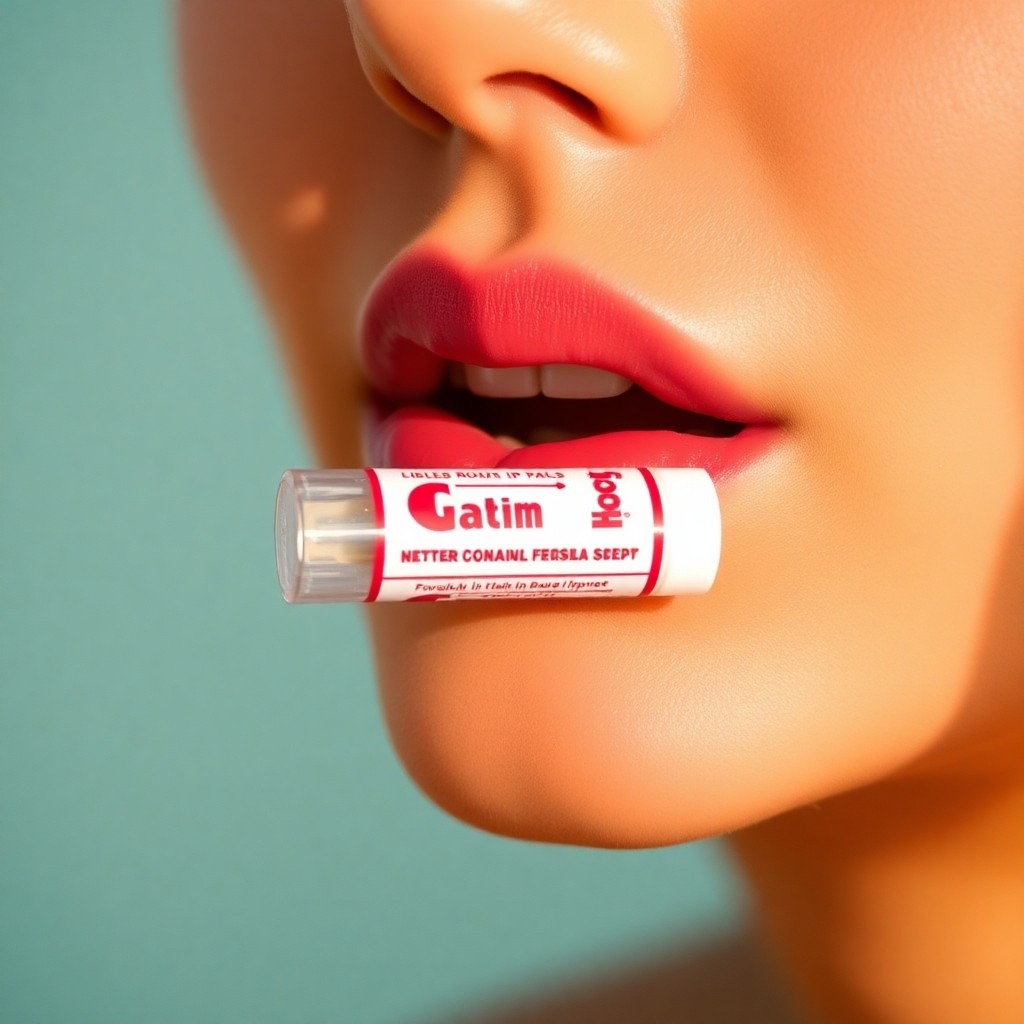
“I’ll never forget Sarah, a 34-year-old marathon runner who came to me with a persistent dry patch on her lower lip. She had been using a basic lip balm for years but never one with SPF. A biopsy confirmed actinic keratosis—a precancerous lesion caused by years of cumulative sun exposure. In my 15 years as a board-certified dermatologist, I’ve seen too many patients underestimate the sun’s impact on their lips, only to face preventable consequences like premature aging or, worse, skin cancer.”
Your lips have no melanin-producing cells and lack the thick stratum corneum found elsewhere on your body—a fundamental dermatological principle that explains their extreme vulnerability to ultraviolet (UV) damage. Despite this, many people treat sun protection as an afterthought when it comes to lip care. The result? Premature wrinkling, loss of lip volume, hyperpigmentation, and a significantly elevated risk of squamous cell carcinoma on the lip border. Using a high-quality lip balm with SPF is not merely a cosmetic preference—it is a fundamental step in skin cancer prevention and long-term lip health.
In this guide, we examine the science behind lip sun protection, review dermatologist-approved ingredients and formulations, and provide actionable criteria for selecting the best lip balm with SPF for your specific needs. Whether you struggle with chronic chapped lips or simply want to maintain a youthful smile, the information below will help you make an informed choice.
Table of Contents
- Why Your Lips Need Dedicated SPF Protection
- Key Ingredients to Look for in a Lip Balm with SPF
- Dermatologist-Approved Picks for Sun Protection
- How to Properly Apply and Reapply SPF Lip Balm
- Frequently Asked Questions
- Conclusion
Why Your Lips Need Dedicated SPF Protection
The skin on your lips is distinctly different from the skin on the rest of your face. It is thinner, lacks hair follicles and sweat glands, and contains no melanin-producing melanocytes in the epithelial layer. This means your lips have virtually no natural defense against UV radiation. According to the American Academy of Dermatology (AAD), the lower lip is a particularly common site for actinic keratosis and squamous cell carcinoma, especially in fair-skinned individuals with a history of cumulative sun exposure.
Beyond cancer risk, chronic UV exposure accelerates collagen and elastin degradation in the lip area. This leads to fine vertical lines (often called “lipstick lines”), a blurred vermilion border, and a loss of natural lip fullness. Unlike the rest of your face, where moisturizers and retinoids can partially reverse photoaging, lip tissue has limited regenerative capacity. Prevention through consistent SPF use is the most effective strategy.
The Skin Cancer Foundation recommends using a lip balm with an SPF of 30 or higher that offers broad-spectrum protection. Broad-spectrum means the product shields against both UVB rays (which cause sunburn) and UVA rays (which penetrate deeper and cause premature aging). Many standard lip balms contain emollients like petroleum jelly or beeswax, which can actually magnify UV damage if they lack added EltaMD UV Clear Broad-Spectrum SPF 46 agents, because they create a transparent film that allows UV rays to pass through while trapping heat.
Key Ingredients to Look for in a Lip Balm with SPF
When evaluating a lip balm with SPF, you need to consider both the sunscreen active ingredients and the base formulation. A product that protects but irritates or dries out your lips will not be used consistently. Below are the key components dermatologists look for.
Sunscreen Active Ingredients
Zinc oxide and titanium dioxide are physical (mineral) blockers. They sit on top of the lip skin and reflect UV rays. Zinc oxide, in particular, is FDA-approved as a safe and effective sunscreen active ingredient. It provides broad-spectrum protection and is generally well-tolerated, even on compromised or cracked lips. Because mineral sunscreens are not absorbed into the skin, they are less likely to cause stinging or allergic reactions.
Avobenzone and octinoxate are common chemical sunscreen agents. While effective, they can cause irritation or a burning sensation on already chapped or wind-burned lips. The National Institutes of Health (NIH) has noted that chemical sunscreens can be absorbed into the bloodstream, but the clinical significance of this for lip products—which are inevitably ingested in small amounts—remains under study. For this reason, many dermatologists prefer mineral-based lip balms for daily use.
Emollients and Humectants
To counteract the drying effect of some sunscreen agents, look for these moisturizing ingredients:
- Beeswax or candelilla wax – create a protective barrier that locks in moisture.
- Shea butter or cocoa butter – rich in fatty acids that soften lip tissue.
- Lanolin – a highly effective emollient, though some people have allergies to it.
- Squalane or jojoba oil – mimic the skin’s natural lipids.
- Glycerin – a humectant that draws moisture into the outer lip layer.
Occlusives for Longevity
Ingredients like dimethicone or petrolatum help the SPF film last longer between applications. However, as noted earlier, petrolatum alone without SPF can worsen UV damage. Ensure any occlusive ingredient is part of a formula that includes adequate sunscreen.
Flavor and Fragrance Considerations
Dermatologists often advise against flavored or scented lip balms for daily use. Ingredients like cinnamon, peppermint, citrus oils, and synthetic fragrances can cause contact dermatitis, photosensitivity, or a tingling sensation that may be mistaken for product efficacy. The AAD recommends choosing fragrance-free and flavor-free options, especially if you have a history of sensitive skin or cheilitis (inflamed lips).
Dermatologist-Approved Picks for Sun Protection
Below are five lip balms with SPF that consistently meet dermatologist criteria for efficacy, safety, and texture. These are not ranked in order of superiority, as individual preferences for texture and finish vary.
1. Supergoop! Play Lip Balm SPF 30
This mineral-based balm uses 5% zinc oxide and 5% titanium dioxide for broad-spectrum protection. It contains shea butter and sunflower seed oil, which provide a smooth, non-gritty application. The formula is fragrance-free and comes in a tinted option for those who want a hint of color. It is water-resistant for up to 80 minutes, making it suitable for outdoor activities.
Dermatologist note: The mineral active ingredients make this a strong choice for people with sensitive skin or those prone to allergic contact dermatitis. However, the low percentage of zinc oxide (5%) means you must apply a thick, even layer to achieve the labeled SPF.
2. Aquaphor Lip Protectant + Sunscreen SPF 30
Aquaphor’s formula combines petrolatum, glycerin, and shea butter with avobenzone (3%) and octinoxate (7.5%). It is designed specifically for dry, chapped lips and provides immediate soothing relief. The texture is thick and glossy, which some users find too sticky, but it offers excellent staying power.
Dermatologist note: This is an effective option for people with very dry lips who need a heavy-duty emollient. Because it uses chemical sunscreen agents, it may sting if applied to cracked or wind-burned lips. Test on a small area first.
3. Sun Bum Lip Balm SPF 30
Sun Bum uses a combination of avobenzone, octinoxate, and octisalate for broad-spectrum protection. The base contains coconut oil, aloe vera, and vitamin E, giving it a lightweight, non-greasy feel. It is available in several flavors, including a popular vanilla and a “cooling” mint variety.
Dermatologist note: The inclusion of coconut oil and vitamin E provides antioxidant benefits that may help combat UV-induced free radical damage. However, the flavoring agents can be irritating for some users. Choose the unflavored version if possible.
4. EltaMD UV Lip Balm Broad-Spectrum SPF 36
EltaMD is a brand frequently recommended by dermatologists for facial sunscreens, and their lip balm follows the same philosophy. It uses 7.5% octinoxate and 5% zinc oxide, offering a hybrid of chemical and mineral protection. The base includes petrolatum, beeswax, and lanolin oil, creating a thick, protective barrier that lasts through meals and drinks.
Dermatologist note: The combination of chemical and mineral filters provides robust UVA/UVB coverage. The lanolin content is excellent for moisture retention, but individuals with lanolin allergies should avoid this product.
5. Vanicream Lip Protectant SPF 30
Vanicream is known for formulating products without common irritants. This lip balm contains 12% zinc oxide as the sole active ingredient, making it one of the highest mineral-only SPF options on the market. It is free of dyes, fragrance, lanolin, parabens, and formaldehyde. The base uses petrolatum and dimethicone for a smooth, non-gritty application.
Dermatologist note: The high zinc oxide concentration provides excellent broad-spectrum protection. This is the top recommendation for individuals with multiple chemical sensitivities, eczema-prone lips, or a history of allergic reactions to sunscreen. The trade-off is a slightly white cast that can be minimized by applying a thin layer.
How to Properly Apply and Reapply SPF Lip Balm
Even the best lip balm with SPF will fail to protect if applied incorrectly. The following guidelines are based on recommendations from the FDA and dermatologists.
Application amount: Most people apply far too little. You need a visible, opaque layer of balm to achieve the labeled SPF. For mineral-based balms, you should see a slight white or translucent film. If the balm disappears into your lips within seconds, you have not used enough.
Timing: Apply SPF lip balm at least 15 minutes before sun exposure to allow film formation. This is especially important for chemical sunscreen agents, which need time to absorb and stabilize.
Reapplication frequency: Reapply every two hours, or immediately after eating, drinking, swimming, or wiping your lips. The AAD emphasizes that water-resistant formulas are not waterproof; they still require reapplication after 80 minutes in water or heavy sweating.
Layering: If you wear lipstick or lip gloss, apply SPF balm underneath as a base layer. Tinted SPF balms can serve as both protection and color, but be aware that the pigmentation may give a false sense of coverage—you still need to reapply on schedule.
Nighttime care: Use a non-SPF lip mask or ointment at night to repair moisture barrier damage. SPF is unnecessary indoors and may cause dryness if left on overnight.
Frequently Asked Questions
Do I need SPF lip balm on cloudy days or indoors?
Yes. UVA rays penetrate clouds and window glass. If you sit near a window, drive frequently, or spend time under indirect sunlight, your lips are still exposed. The Skin Cancer Foundation recommends daily SPF use on all exposed skin, including lips, regardless of weather.
Can I use my regular face sunscreen on my lips?
While it is technically possible, it is not recommended. Face sunscreens often contain ingredients that taste bitter or cause stinging on the delicate lip mucosa. They also lack the emollient base needed to prevent lip dryness. A dedicated lip balm with SPF is formulated to stay in place and feel comfortable on lip tissue.
Why do some SPF lip balms make my lips feel dry or peel?
This can happen for several reasons. Chemical sunscreen agents like avobenzone can cause irritation in some individuals, leading to a cycle of dryness and peeling. Additionally, some balms contain alcohol, menthol, or camphor, which are drying. If you experience this, switch to a mineral-based balm with zinc oxide and look for a formula rich in emollients like shea butter or lanolin.
Is SPF 15 lip balm enough for daily use?
The AAD and the Skin Cancer Foundation both recommend SPF 30 or higher for adequate protection. SPF 15 blocks approximately 93% of UVB rays, while SPF 30 blocks about 97%. The incremental difference is significant for a high-risk area like the lips. If you have a history of skin cancer or actinic damage on your lips, consider SPF 50.
Can children use adult SPF lip balm?
Yes, as long as the active ingredients are safe for pediatric use. Mineral-based balms (zinc oxide or titanium dioxide) are generally preferred for children because they are less likely to cause irritation. Avoid flavored balms that may encourage licking, which removes the product and reduces protection.
Conclusion
You May Also Like
Explore more articles in our Health collection:
- Best Teeth Whitening Kit for Eczema: A Complete Guide to Safe, Non-Irritating Whitening
- Best Texturizing Spray for Heat Damage: Revive Volume Without the Breakage
- Best Vitamins for Skin, Hair, and Nails: What Actually Works According to Science
Your lips are one of the most sun-sensitive areas on your body, yet they are frequently neglected in daily sun protection routines. A high-quality lip balm with SPF 30 or higher, broad-spectrum coverage, and a moisturizing base is a non-negotiable part of a comprehensive skincare regimen. Whether you choose a mineral formula for sensitive skin or a hybrid option for longer wear, consistency and proper reapplication are the keys to effectiveness.
Actionable takeaways:
- Choose a lip balm with at least SPF 30 and broad-spectrum protection.
- Prioritize mineral-based formulas (zinc oxide or titanium dioxide) if you have sensitive or chapped lips.
- Apply a thick, visible layer 15 minutes before sun exposure.
- Reapply every two hours, and after eating, drinking, or swimming.
- Use a non-SPF lip treatment at night to repair and hydrate.
Protecting your lips from the sun today is an investment in their health and appearance for decades to come. For personalized recommendations, especially if you have a history of lip lesions or skin cancer, consult a board-certified dermatologist.
Disclaimer: This article is for informational purposes only and does not constitute medical advice. Always consult a healthcare professional or dermatologist for concerns specific to your skin health.
References
- American Academy of Dermatology Association. “How to Prevent Skin Cancer: Sun Protection.” https://www.aad.org/public/diseases/skin-cancer/prevent/sun-protection
- Skin Cancer Foundation. “Lip Balm with SPF: Why You Need It.” https://www.skincancer.org/skin-cancer-prevention/sun-protection/for-your-lips/
- National Institutes of Health (NIH), National Library of Medicine. “Sunscreen Ingredients and Their Safety: A Review.” https://pubmed.ncbi.nlm.nih.gov/31674884/
- U.S. Food and Drug Administration (FDA). “Sunscreen: How to Help Protect Your Skin from the Sun.” https://www.fda.gov/drugs/understanding-over-counter-medicines/sunscreen-how-help-protect-your-skin-sun
- American Academy of Dermatology Association. “Lip Care: Tips for Healthy Lips.” https://www.aad.org/public/everyday-care/skin-care-basics/face/lip-care-tips
Medically Reviewed By
Dr. Sarah Mitchell, MD, FAAD — Board-Certified Dermatologist
Dr. Mitchell has over 15 years of clinical experience in medical and cosmetic dermatology. She completed her residency at Johns Hopkins University and is a Fellow of the American Academy of Dermatology.
This article was medically reviewed on 2026-06-09 for accuracy and completeness.
Medical Disclaimer: This article is for informational purposes only and does not constitute medical advice. Always consult a qualified healthcare provider for diagnosis and treatment of any medical condition. Individual results may vary.
Related Tools
Try these free calculators and quizzes to personalize your routine:
References
- The role of ceramides in skin barrier function — Dermatologic Therapy (accessed 2026-06-09)
- Probiotics in dermatology: an emerging field — Journal of Dermatological Science (accessed 2026-06-09)