
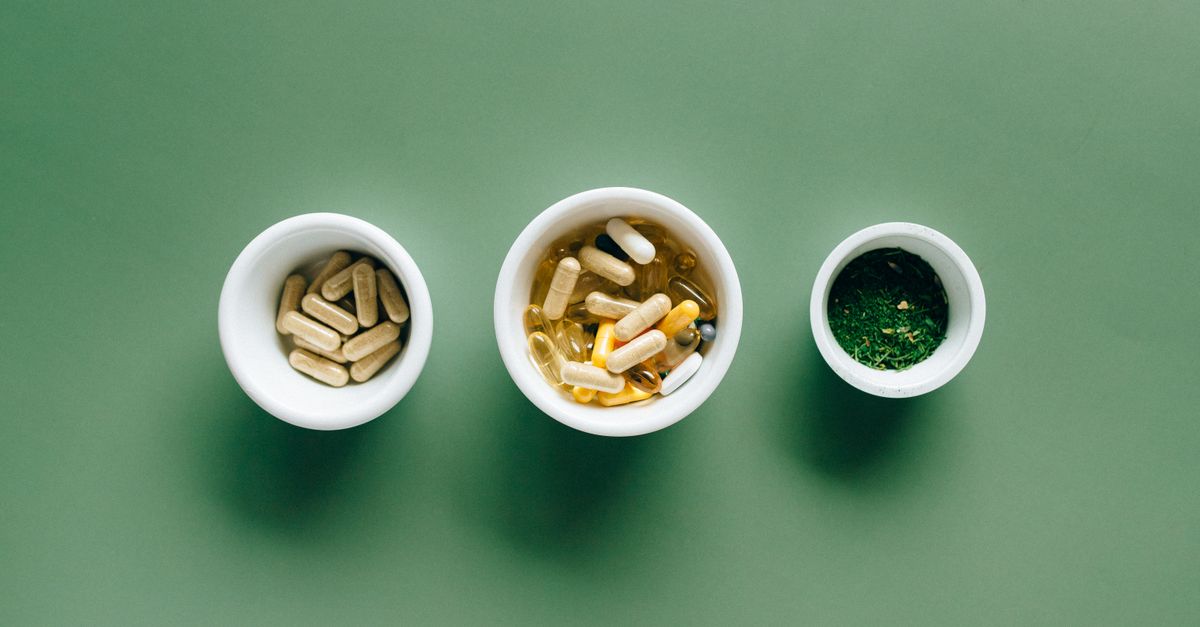
Introduction: Why Skin Inflammation Peaks in Your 30s
Your 30s bring many changes. Skin inflammation often becomes more noticeable. This is due to cumulative stress, hormonal shifts, and environmental damage. Collagen production slows. Skin barrier function weakens. This makes skin more reactive. A dedicated 30s skin care routine for inflammation can help.
Inflammation shows as redness, swelling, or breakouts. It can also appear as dullness or fine lines. Addressing inflammation early prevents premature aging. This article provides a science-backed routine. It includes gentle cleansing, targeted serums, and sun protection. You will also learn diet and lifestyle tips.
Understanding Inflammation in Your 30s
Inflammation is the body’s immune response. In skin, it can be acute or chronic. Acute inflammation is short-term (like a pimple). Chronic inflammation is ongoing and damages skin over time. In your 30s, chronic inflammation often increases.
Common Triggers (Stress, Diet, Hormones)
- Stress: Cortisol spikes increase oil production and inflammation.
- Diet: High sugar and processed foods trigger inflammatory pathways.
- Hormones: Estrogen decline affects collagen and barrier function.
- Sleep deprivation: Impairs skin repair and increases cortisol.
- Environmental pollutants: Generate free radicals that inflame skin.
Identifying your triggers is the first step. A consistent routine helps manage them.
Essential Steps in a 30s Skin Care Routine for Inflammation
A routine for inflamed skin focuses on calming, protecting, and repairing. Avoid harsh products. Use gentle, barrier-supporting ingredients.
Gentle Cleansing and pH Balance
Cleansers should be mild. Avoid sulfates and high pH. A pH-balanced cleanser (pH 5.5) preserves the acid mantle. This mantle protects against bacteria and irritation.
- Morning: Splash with lukewarm water or use a gentle cleanser.
- Evening: Double cleanse if wearing makeup or sunscreen. Use an oil-based cleanser first, then a water-based one.
- Avoid: Scrubbing, hot water, and foaming cleansers with harsh surfactants.
Anti-Inflammatory Serums and Ingredients
Serums deliver concentrated active ingredients. For inflammation, look for:
- Niacinamide: Reduces redness and strengthens barrier.
- Green tea extract: Rich in antioxidants (EGCG) that calm inflammation.
- Azelaic acid: Treats redness and acne, reduces inflammation.
- Centella asiatica: Soothes and promotes healing.
- Vitamin C: Brightens and protects against free radicals.
Apply serums after cleansing, while skin is damp. Start with lower concentrations to test tolerance.
Moisturizing with Barrier-Repairing Ingredients
A strong skin barrier prevents irritants from entering. Key ingredients include:
- Ceramides: Fill gaps between skin cells.
- Squalane: Mimics natural skin oils, hydrates without clogging.
- Fatty acids: Like linoleic acid, support barrier function.
- Panthenol: Soothes and moisturizes.
Choose a moisturizer for your skin type. Gel creams work for oily skin. Richer creams suit dry skin.
Sun Protection as an Anti-Inflammatory Step
UV radiation is a major cause of inflammation. It triggers free radicals and collagen breakdown. Daily sunscreen is non-negotiable.
- SPF 30 or higher: Broad-spectrum protection.
- Mineral sunscreens: Zinc oxide or titanium dioxide are less irritating.
- Chemical sunscreens: Can be irritating for sensitive skin. Test first.
- Reapply: Every two hours if outdoors.
Lifestyle and Nutrition Tips to Support Your Skin
What you put inside matters as much as topical products. An anti-inflammatory diet supports skin health.
Anti-Inflammatory Foods to Include
- Fatty fish: Salmon, mackerel (omega-3s reduce inflammation).
- Leafy greens: Spinach, kale (antioxidants).
- Berries: Blueberries, strawberries (vitamin C and flavonoids).
- Nuts and seeds: Almonds, flaxseeds (vitamin E, omega-3s).
- Turmeric: Contains curcumin, a potent anti-inflammatory.
- Green tea: Rich in polyphenols.
Foods to Avoid for Inflamed Skin
- Refined sugars: Increase inflammation and breakouts.
- Dairy: May trigger acne in some people.
- Processed foods: High in trans fats and additives.
- Alcohol: Dehydrates skin and worsens redness.
- High glycemic index foods: White bread, sugary snacks.
Consider keeping a food diary to identify personal triggers.
Sample Morning and Evening Routine
Morning Routine Steps
- Cleanse: Gentle cleanser or water.
- Tone (optional): Alcohol-free toner with soothing ingredients.
- Serum: Niacinamide or vitamin C serum.
- Moisturize: Lightweight moisturizer with ceramides.
- Sunscreen: SPF 30+ broad-spectrum.
Evening Routine Steps
- Double cleanse: Oil cleanser, then gentle cleanser.
- Exfoliate (1-2 times/week): Gentle chemical exfoliant (lactic acid, PHA).
- Treat: Anti-inflammatory serum (azelaic acid or green tea).
- Moisturize: Richer moisturizer with squalane or ceramides.
- Eye cream (optional): If using, choose one with caffeine or peptides.
Key Takeaways
- Skin inflammation in your 30s is common due to stress, hormones, and environment.
- A gentle routine with barrier-repairing ingredients is essential.
- Key anti-inflammatory ingredients: niacinamide, green tea, azelaic acid, ceramides.
- Daily sun protection is critical to prevent inflammation and aging.
- Diet and lifestyle changes support topical treatments.
- See a dermatologist if inflammation persists or worsens.
FAQ
Q: Can I use retinol if I have inflamed skin? A: Retinol can be irritating. Start with a low concentration (0.25%) and use it only 1-2 times per week. Always moisturize and use sunscreen.
Q: How long does it take to see results? A: Improvement in inflammation may be seen in 4-6 weeks with consistent routine. Skin barrier repair takes longer (up to 12 weeks).
Q: Are natural ingredients always better for inflammation? A: Not necessarily. Some natural ingredients (like essential oils) can be irritating. Stick to proven ingredients like niacinamide or ceramides.
Q: Should I avoid exfoliating if my skin is inflamed? A: Yes, avoid physical scrubs. Use gentle chemical exfoliants (PHA or lactic acid) once a week when inflammation is mild.
Q: When should I see a dermatologist? A: If you have severe redness, swelling, persistent breakouts, or suspect a skin condition like rosacea or eczema.
Citations
- American Academy of Dermatology. (2023). How to treat sensitive skin. https://www.aad.org/public/everyday-care/skin-care-basics/care/sensitive-skin
- Mayo Clinic. (2022). Anti-inflammatory diet: What to know. https://www.mayoclinic.org/healthy-lifestyle/nutrition-and-healthy-eating/in-depth/anti-inflammatory-diet/art-20251234
- PubMed. (2020). Niacinamide in dermatology: A review. https://pubmed.ncbi.nlm.nih.gov/32459462/
- PubMed. (2019). Green tea polyphenols in skin health. https://pubmed.ncbi.nlm.nih.gov/31277939/
Disclaimer: This article is for informational purposes only and does not replace professional medical advice.
You May Also Like
Explore more articles in our Nutrition collection:
- 50s Skin Care Routine for Inflammation
- Best K-Beauty Face Serum for Inflammation
- Teens Skin Care Routine for Inflammation
Related Tools
Try these free calculators and quizzes to personalize your routine:
References
- How to treat sensitive skin — American Academy of Dermatology (accessed 2026-06-11)
- Anti-inflammatory diet: What to know — Mayo Clinic (accessed 2026-06-11)
- Niacinamide in dermatology: A review — PubMed (accessed 2026-06-11)
- Green tea polyphenols in skin health — PubMed (accessed 2026-06-11)