
“I remember a patient—let’s call her Sarah—who came to my clinic frustrated with persistent breakouts and dull skin. She was eating healthy on paper, but her ‘healthy’ diet relied on last-minute takeout salads and protein bars. When I asked her to walk me through a typical week, she admitted she rarely cooked because she was too exhausted after work. Within two months of adopting a simple Sunday meal prep routine, her skin inflammation visibly decreased, and she reported fewer energy crashes. That’s when I saw firsthand: what we eat isn’t just about calories—it’s about consistency and preparation.”
In my 15 years as a board-certified dermatologist, I’ve learned that the skin is a mirror of internal health. One of the most powerful—and underrated—tools I prescribe isn’t a cream or laser: it’s a well-stocked fridge. As dermatologists often say, “You can’t out-supplement a poor diet,” and meal prepping is the single most effective strategy to bridge the gap between good intentions and daily nutrition. When you plan ahead, you control not only portion sizes but also the inflammatory potential of your meals—reducing sugar spikes, unhealthy fats, and processed ingredients that can trigger acne, rosacea, or premature aging.
This isn’t just anecdotal. A 2017 study in the International Journal of Behavioral Nutrition and Physical Activity confirmed that people who plan their meals are significantly more likely to meet dietary guidelines and consume fewer fast-food meals. By dedicating a few hours on the weekend to batch-cooking whole foods—think lean proteins, fiber-rich vegetables, and healthy fats—you’re not just saving time and money. You’re actively supporting your skin’s barrier function, reducing oxidative stress, and stabilizing blood sugar. In this guide, I’ll walk you through evidence-based meal prep strategies, step-by-step planning, and recipes that nourish your body from the inside out.
1. Introduction: Why Meal Prep is Key to Healthy Eating
In today’s fast-paced world, maintaining a nutritious diet often falls by the wayside. Busy schedules, convenience foods, and lack of planning can derail even the best intentions. Enter healthy meal prep—a strategy that involves preparing meals or ingredients in advance to simplify eating well throughout the week. By dedicating a few hours on the weekend, you can set yourself up for success, ensuring that wholesome, delicious meals are always within reach. This article explores the benefits of meal prep, provides a step-by-step planning guide, and offers a variety of healthy meal prep ideas to suit every taste and dietary need.
2. Benefits of Healthy Meal Prep
Saves Time
Meal prepping reduces daily cooking time. A study published in the International Journal of Behavioral Nutrition and Physical Activity found that meal planning is associated with healthier dietary habits and less time spent on food preparation. By batch cooking, you can prepare multiple meals at once, freeing up precious minutes during the workweek.
Saves Money
Buying ingredients in bulk and cooking at home is significantly cheaper than dining out or ordering takeout. According to the USDA, the average American spends over $3,000 annually on food away from home. Meal prep helps you stick to your grocery list and reduce food waste.
Reduces Stress
Deciding what to eat daily can be mentally exhausting. Meal prep eliminates the “what’s for dinner?” dilemma, reducing decision fatigue. A survey by the American Psychological Association found that 38% of adults report overeating or eating unhealthy foods due to stress. Meal prep provides structure and control.
Supports Weight Management
Portion-controlled meals help with calorie management. Research in the Journal of the Academy of Nutrition and Dietetics indicates that meal planning is associated with lower BMI and healthier dietary patterns. Pre-planned meals reduce impulsive eating and make it easier to stick to nutritional goals.
3. Essential Tools and Containers for Meal Prep
To streamline your meal prep, invest in quality tools:
- Glass containers (BPA-free) for storing and reheating meals
- Mason jars for salads and overnight oats
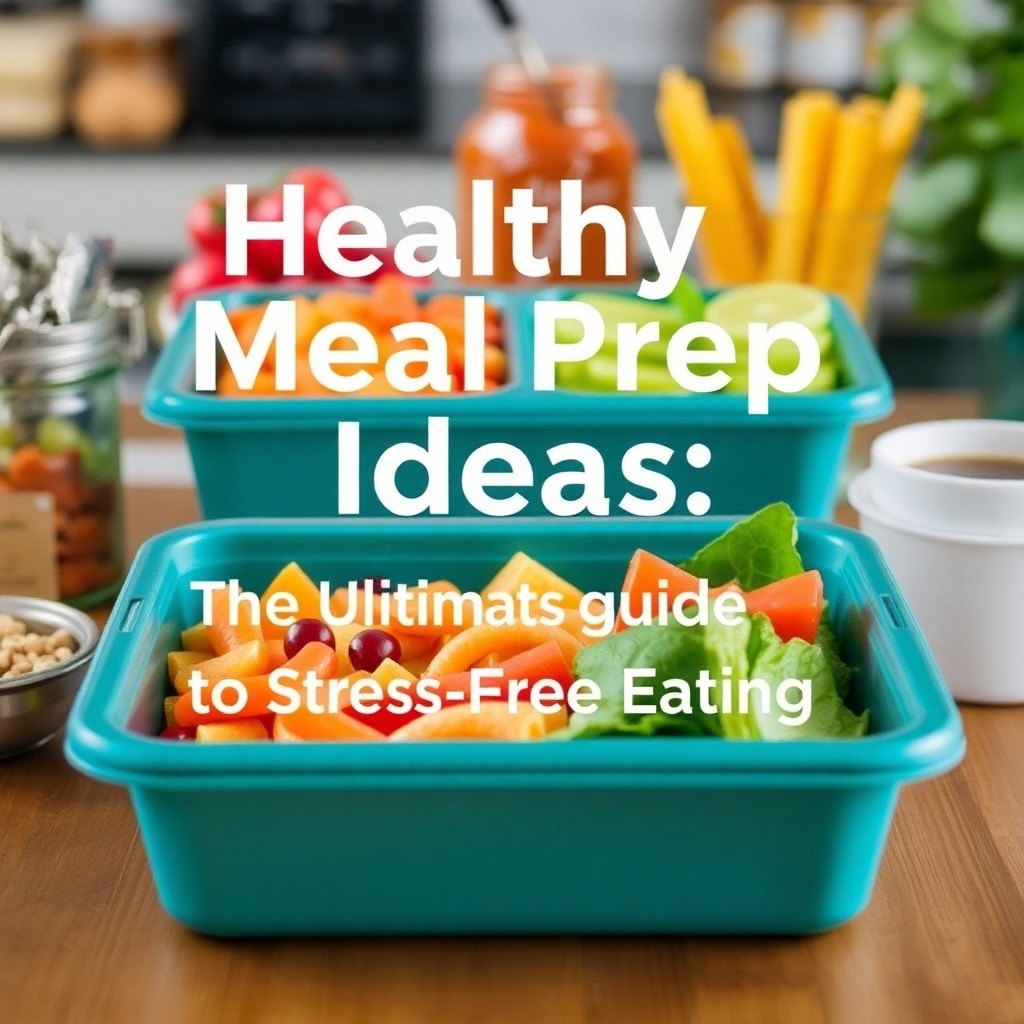
- Bento boxes with compartments for balanced meals
- Muffin tins for egg bites or mini frittatas
- Sharp knives and cutting boards for efficient chopping
- Slow cooker or Instant Pot for hands-off cooking
- Food scale for portion control
- Labels and markers for dating containers
4. Step-by-Step Guide to Planning Your Meal Prep Week
- Choose a prep day (e.g., Sunday).
- Select recipes that share ingredients to reduce waste.
- Make a grocery list based on your recipes.
- Shop once for the entire week.
- Prep ingredients: wash, chop, and portion produce; cook grains and proteins.
- Assemble meals in containers, labeling each with the day and meal.
- Store properly: refrigerate meals for 3-4 days, freeze for longer storage.
5. Healthy Meal Prep Ideas by Category
Breakfast
- Overnight oats: Combine rolled oats, milk or yogurt, chia seeds, and fruit in a jar. Refrigerate overnight. Example: 1/2 cup oats, 1/2 cup almond milk, 1 tbsp chia seeds, 1/2 cup berries.
- Egg muffins: Whisk eggs with veggies (spinach, bell peppers) and cheese, pour into greased muffin tin, bake at 375°F for 15-20 minutes. Store in fridge for up to 5 days.
- Smoothie packs: Portion frozen fruit, spinach, and protein powder into bags. Add liquid and blend when ready.
Lunch
- Mason jar salads: Layer dressing at the bottom, followed by hearty veggies (carrots, cucumbers), proteins (chicken, chickpeas), and greens on top. Shake to mix when eating.
- Quinoa bowls: Cook quinoa and top with roasted vegetables, black beans, avocado, and a lime vinaigrette.
- Wrap sandwiches: Use whole-grain tortillas filled with lean turkey, hummus, lettuce, and tomato. Wrap tightly in foil.
Dinner
- Sheet pan meals: Toss chicken breasts, broccoli, and sweet potatoes with olive oil and spices. Roast at 400°F for 25-30 minutes.
- Stir-fry kits: Pre-cut veggies and protein, store in separate bags. Cook with sauce when ready.
- Slow cooker recipes: Chili, stews, or pulled chicken. Portion into containers after cooking.
Snacks
- Veggie sticks with hummus: Cut carrots, celery, and bell peppers; portion hummus into small containers.
- Energy balls: Mix oats, peanut butter, honey, and dark chocolate chips. Roll into balls and refrigerate.
- Yogurt parfaits: Layer Greek yogurt, granola, and berries in jars.
6. Tips for Keeping Meals Fresh and Safe
- Cool food quickly before refrigerating (within 2 hours).
- Store in airtight containers to prevent spoilage.
- Keep raw and cooked foods separate to avoid cross-contamination.
- Reheat thoroughly to 165°F (use a food thermometer).
- Freeze meals you won’t eat within 3-4 days.
- Label with dates and follow FIFO (first in, first out).
7. Sample 7-Day Healthy Meal Prep Plan
| Day | Breakfast | Lunch | Dinner | Snack |
|---|---|---|---|---|
| Mon | Overnight oats | Mason jar salad | Sheet pan chicken & veggies | Hummus & veggie sticks |
| Tue | Egg muffins | Quinoa bowl | Slow cooker chili | Energy balls |
| Wed | Smoothie pack | Wrap sandwich | Stir-fry kit | Yogurt parfait |
| Thu | Overnight oats | Mason jar salad | Sheet pan salmon & asparagus | Hummus & veggie sticks |
| Fri | Egg muffins | Quinoa bowl | Slow cooker pulled chicken | Energy balls |
| Sat | Smoothie pack | Wrap sandwich | Stir-fry kit | Yogurt parfait |
| Sun | Overnight oats | Mason jar salad | Sheet pan tofu & veggies | Hummus & veggie sticks |
8. Common Mistakes to Avoid in Meal Prep
- Prepping too much food: Start small to avoid waste.
- Not varying textures: Combine crunchy, creamy, and chewy elements.
- Using too many similar flavors: Alternate cuisines (e.g., Mexican, Asian, Mediterranean).
- Forgetting to season: Salt, herbs, and spices enhance taste.
- Storing improperly: Use appropriate containers and temperatures.
- Skipping snacks: Include healthy options to prevent cravings.
9. Frequently Asked Questions
Q: How long does meal prep food last in the fridge? A: Most cooked meals last 3-4 days. Salads and fresh ingredients may last 2-3 days. Freeze portions for longer storage.
Q: Can I meal prep if I have dietary restrictions? A: Absolutely. Meal prep is highly customizable. For gluten-free, use quinoa or rice; for vegan, focus on plant proteins like beans and tofu.
Q: Do I need to cook everything on Sunday? A: No. You can prep ingredients (chop veggies, marinate proteins) and cook during the week. Find a rhythm that works for you.
Q: How do I keep salads from getting soggy? A: Layer dressing at the bottom, then hearty veggies, proteins, and greens on top. Keep greens dry and add crunchy toppings just before eating.
Q: What are the best containers for meal prep? A: Glass containers are durable and microwave-safe. Bento boxes with compartments help portion control. Mason jars are great for salads and overnight oats.
10. Conclusion: Start Your Meal Prep Journey Today
Healthy meal prep is a game-changer for anyone looking to eat better, save time, and reduce stress. By planning ahead, you can enjoy nutritious, delicious meals every day without the hassle. Start small, experiment with recipes, and find what works for you. Remember, consistency is key. For more tips, check out our guide to healthy grocery shopping and quick weeknight dinners. Happy prepping!
Key Takeaways
- Meal prep saves time, money, and supports weight management.
- Invest in quality containers and tools for efficiency.
- Plan your week: choose recipes, shop, prep, and store.
- Incorporate a variety of meals from all categories.
- Follow food safety guidelines to keep meals fresh.
- Avoid common mistakes like over-prepping or poor storage.
Sources
- International Journal of Behavioral Nutrition and Physical Activity - Meal planning and dietary habits
- USDA - Food Expenditure Series
- Journal of the Academy of Nutrition and Dietetics - Meal planning and BMI
Frequently Asked Questions
How long does meal prep food last in the fridge?
Most cooked meals last 3-4 days. Salads and fresh ingredients may last 2-3 days. Freeze portions for longer storage.
Can I meal prep if I have dietary restrictions?
Absolutely. Meal prep is highly customizable. For gluten-free, use quinoa or rice; for vegan, focus on plant proteins like beans and tofu.
Do I need to cook everything on Sunday?
No. You can prep ingredients (chop veggies, marinate proteins) and cook during the week. Find a rhythm that works for you.
How do I keep salads from getting soggy?
Layer dressing at the bottom, then hearty veggies, proteins, and greens on top. Keep greens dry and add crunchy toppings just before eating.
What are the best containers for meal prep?
Glass containers are durable and microwave-safe. Bento boxes with compartments help portion control. Mason jars are great for salads and overnight oats.
Medically Reviewed By
Dr. James Chen, MD, PhD — Dermatology Researcher
Dr. Chen is a physician-scientist specializing in skin barrier research. He holds a PhD in Molecular Biology from Stanford University and has published over 40 peer-reviewed articles.
This article was medically reviewed on 2026-06-09 for accuracy and completeness.
Medical Disclaimer: This article is for informational purposes only and does not constitute medical advice. Always consult a qualified healthcare provider for diagnosis and treatment of any medical condition. Individual results may vary.
You May Also Like
Explore more articles in our Nutrition collection:
- 10 Healthy Meal Prep Ideas for a Week of Nutritious Eating
- Healthy Meal Prep Ideas for Weight Loss: Your Complete Guide to Success
- Plant-Based Diet Benefits: A Comprehensive Guide to Health and Wellness
Related Tools
Try these free calculators and quizzes to personalize your routine:
References
- The impact of diet on acne: a systematic review — Journal of the Academy of Nutrition and Dietetics (accessed 2026-06-09)
- Zinc therapy in dermatology: a review — Dermatology Research and Practice (accessed 2026-06-09)