
Introduction: Why Meal Prep Helps with Weight Loss
Meal prepping is a powerful strategy for weight loss because it helps you control portions, stay aware of calorie intake, and reduce temptation. By planning and preparing meals in advance, you avoid impulsive eating and make healthier choices throughout the week. Studies show that individuals who meal prep are more likely to consume fewer calories and maintain a balanced diet (source: Journal of Nutrition Education and Behavior).
1. Key Principles of Healthy Meal Prep for Weight Loss
Calorie Deficit
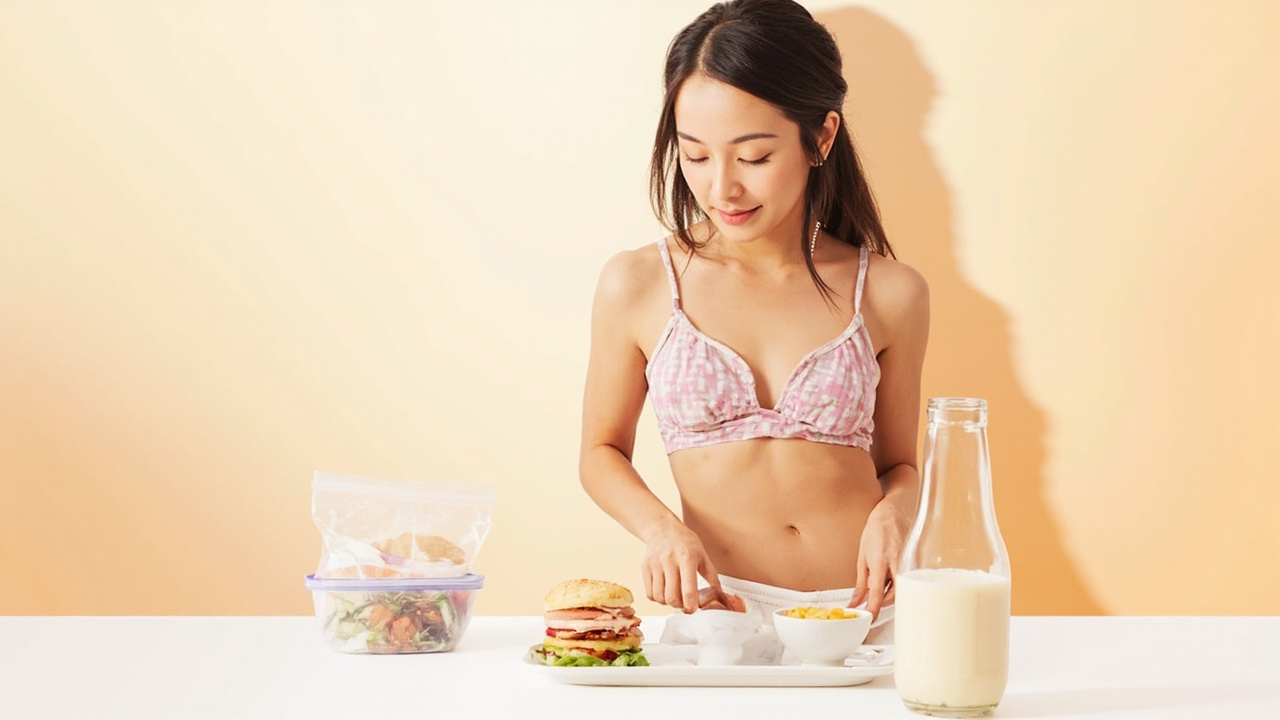
To lose weight, you need to consume fewer calories than you burn. Calculate your daily calorie needs using a TDEE calculator and aim for a deficit of 500-750 calories per day for safe weight loss (1-2 lbs per week).
Macronutrient Balance
Focus on lean protein (chicken, fish, tofu), complex carbs (quinoa, sweet potatoes, oats), and healthy fats (avocado, nuts, olive oil). A typical split: 30% protein, 40% carbs, 30% fat.
Whole Foods
Prioritize whole, minimally processed foods. They are more nutrient-dense and satiating than processed options.
Portion Sizes
Use measuring cups or a food scale to ensure accurate portions. A good rule: half plate veggies, quarter protein, quarter carbs.
2. Essential Tools and Containers
Meal Prep Containers
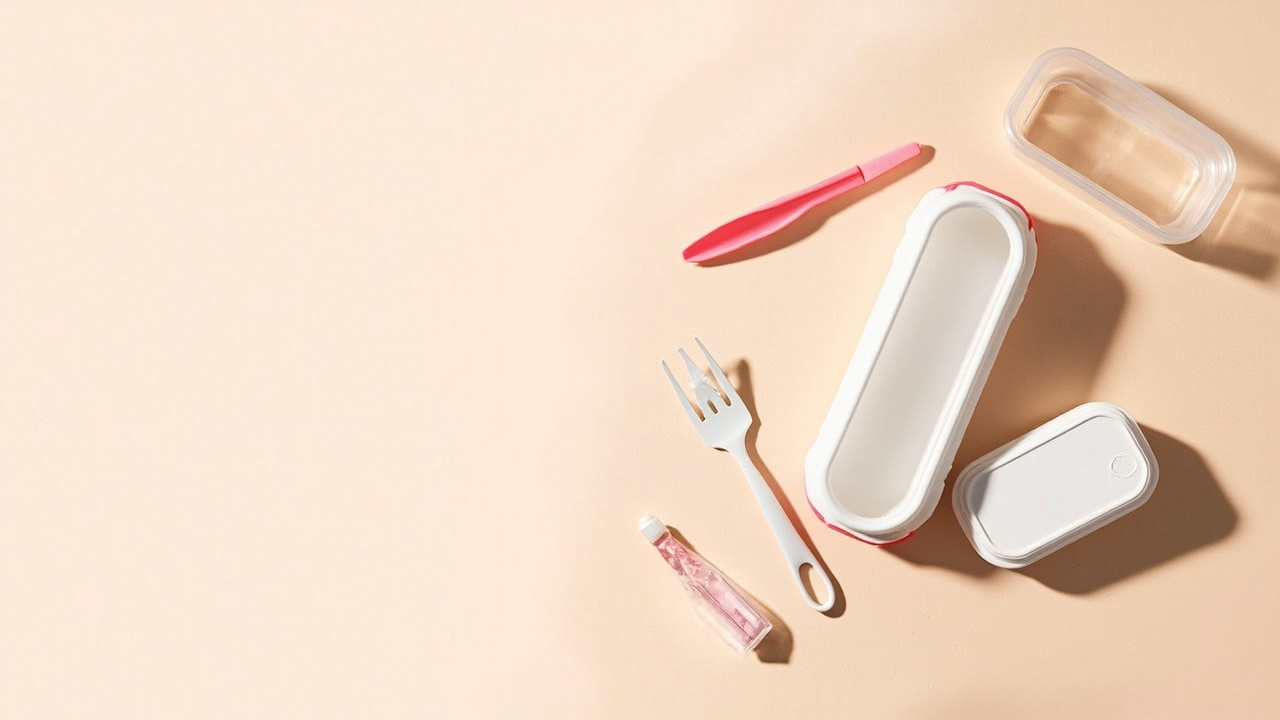
- Glass containers (BPA-free) for reheating
- Divided containers for portion control
- Mason jars for salads and overnight oats
Kitchen Gadgets
- Slow cooker or Instant Pot for batch cooking
- Sheet pans for roasting veggies and proteins
- Food scale for accurate measurements
Storage Tips
- Label containers with date and contents
- Store dressings separately to prevent sogginess
- Freeze portions for later use
3. Step-by-Step Meal Prep Plan
- Plan: Choose 2-3 breakfasts, lunches, dinners, and snacks for the week. Use a template or app.
- Grocery Shop: Stick to your list to avoid impulse buys.
- Batch Cook: Cook grains, proteins, and veggies in bulk (e.g., grill chicken, roast sweet potatoes).
- Assemble: Portion into containers. Keep sauces and toppings separate.
4. Healthy Meal Prep Ideas by Meal
Breakfast
- Overnight Oats: 1/2 cup oats, 1 cup almond milk, 1 tbsp chia seeds, berries. ~350 calories.
- Egg Muffins: Whisk 6 eggs, add spinach, bell peppers, cheese. Bake in muffin tin. ~150 cal each.
Lunch
- Quinoa Bowls: 1 cup cooked quinoa, 4 oz grilled chicken, roasted veggies, 2 tbsp hummus. ~450 calories.
- Grilled Chicken Salad: 4 oz chicken, mixed greens, cherry tomatoes, cucumber, light vinaigrette. ~350 calories.
Dinner
- Sheet Pan Salmon: 4 oz salmon, asparagus, lemon, olive oil. Bake at 400°F for 15 min. ~400 calories.
- Stir-Fries: 4 oz shrimp, broccoli, bell peppers, 1 tbsp soy sauce, served with cauliflower rice. ~350 calories.
Snacks
- Veggie sticks (carrots, celery) with hummus. ~100 calories.
- Greek yogurt (plain, nonfat) with berries. ~120 calories.
5. Sample 7-Day Meal Prep Menu
| Day | Breakfast | Lunch | Dinner | Snack | Total Calories |
|---|---|---|---|---|---|
| Mon | Overnight oats (350) | Quinoa bowl (450) | Sheet pan salmon (400) | Greek yogurt (120) | 1320 |
| Tue | Egg muffin (300) | Chicken salad (350) | Stir-fry (350) | Veggie sticks (100) | 1100 |
| Wed | Smoothie (300) | Turkey wrap (400) | Baked chicken (400) | Apple (100) | 1200 |
| Thu | Overnight oats (350) | Quinoa bowl (450) | Shrimp stir-fry (350) | Almonds (150) | 1300 |
| Fri | Egg muffin (300) | Chicken salad (350) | Salmon (400) | Greek yogurt (120) | 1170 |
| Sat | Smoothie (300) | Turkey wrap (400) | Lean beef stir-fry (400) | Veggie sticks (100) | 1200 |
| Sun | Overnight oats (350) | Quinoa bowl (450) | Baked chicken (400) | Apple (100) | 1300 |
Calorie estimates may vary; adjust portions to your needs.
6. Tips for Staying on Track
- Avoid boredom: Rotate recipes weekly.
- Use spices: Experiment with herbs and spices for flavor without extra calories.
- Prep snacks: Keep healthy snacks ready to grab.
- Hydrate: Drink water throughout the day; sometimes thirst is mistaken for hunger.
7. Common Mistakes to Avoid
- Overcomplicating: Start with simple recipes.
- Not enough protein: Include protein in every meal to feel full.
- Ignoring fiber: Add vegetables and whole grains for satiety and digestion.
8. Conclusion
Meal prepping is a game-changer for weight loss. Start small—prep just a few meals per week. Consistency beats perfection. Use these healthy meal prep ideas and tips to build sustainable habits. For more guidance, check out our [meal planning for beginners guide] and [healthy cooking techniques].
Key Takeaways
- Meal prep supports weight loss by controlling portions and calories.
- Follow the principles: calorie deficit, macronutrient balance, whole foods, proper portions.
- Use the step-by-step plan to batch cook and assemble meals.
- Include a variety of foods to avoid boredom.
- Avoid common mistakes like skipping protein or fiber.
FAQ
Q: How long do meal prep meals last in the fridge? A: Most cooked meals last 3-4 days in the fridge. Freeze portions for longer storage.
Q: Can I meal prep if I have dietary restrictions? A: Yes, simply substitute ingredients. For gluten-free, use quinoa or rice. For vegan, use tofu and legumes.
Q: How many calories should my meal prep meals be? A: Aim for 300-400 calories per meal, depending on your daily target. Use a calorie tracking app.
Q: Do I need to count macros? A: It helps, but not required. Focus on balanced plates with protein, carbs, and fat.
Q: Can I lose weight without meal prepping? A: Yes, but meal prepping makes it easier to stay on track and avoid unhealthy choices.
Sources
- Academy of Nutrition and Dietetics. (2023). Meal Prep for Weight Loss. eatright.org
- Harvard T.H. Chan School of Public Health. (2022). The Nutrition Source: Meal Prep. hsph.harvard.edu
Frequently Asked Questions
How long do meal prep meals last in the fridge?
Most cooked meals last 3-4 days in the fridge. Freeze portions for longer storage.
Can I meal prep if I have dietary restrictions?
Yes, simply substitute ingredients. For gluten-free, use quinoa or rice. For vegan, use tofu and legumes.
How many calories should my meal prep meals be?
Aim for 300-400 calories per meal, depending on your daily target. Use a calorie tracking app.
Do I need to count macros?
It helps, but not required. Focus on balanced plates with protein, carbs, and fat.
Can I lose weight without meal prepping?
Yes, but meal prepping makes it easier to stay on track and avoid unhealthy choices.
Medically Reviewed By
Dr. Michael Park, MD, MPH — Preventive Dermatology Specialist
Dr. Park focuses on skin cancer prevention and photoprotection. He earned his MPH from Harvard T.H. Chan School of Public Health and lectures internationally on sun safety.
This article was medically reviewed on 2026-06-09 for accuracy and completeness.
Medical Disclaimer: This article is for informational purposes only and does not constitute medical advice. Always consult a qualified healthcare provider for diagnosis and treatment of any medical condition. Individual results may vary.
You May Also Like
Explore more articles in our Nutrition collection:
- Healthy Meal Prep Ideas: Your Ultimate Guide to Stress-Free Eating
- Plant-Based Diet Benefits: A Comprehensive Guide to Health and Wellness
- 10 Healthy Meal Prep Ideas for a Week of Nutritious Eating
Related Tools
Try these free calculators and quizzes to personalize your routine:
References
- Anti-aging effects of topical antioxidants: a review — Journal of Cosmetic Dermatology (accessed 2026-06-09)
- The role of ceramides in skin barrier function — Dermatologic Therapy (accessed 2026-06-09)