
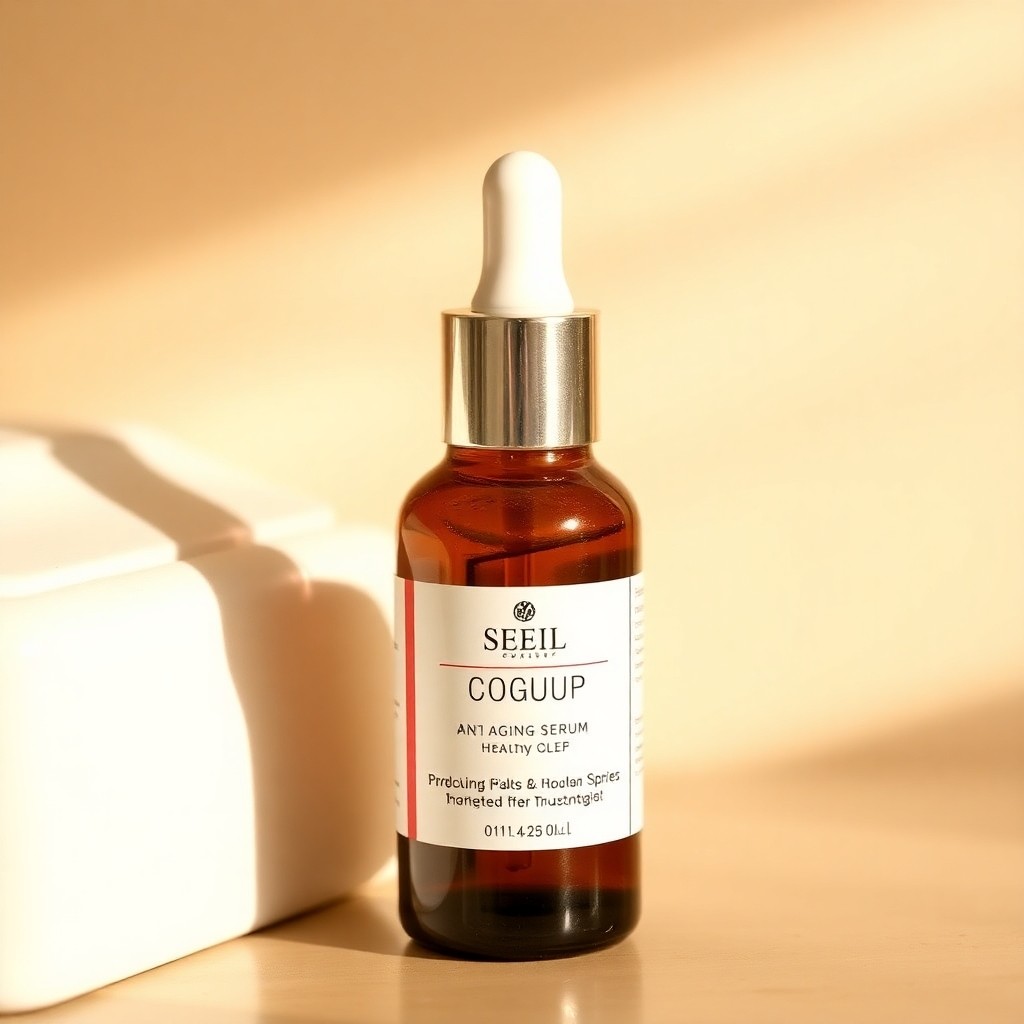
“I remember the exact moment a patient in her late 40s sat in my exam room, frustrated and on the verge of tears. She had spent hundreds of dollars on anti-aging serums from glossy ads, yet her fine lines and loss of firmness only seemed to worsen. After 15 years as a board-certified dermatologist, I’ve seen this story play out countless times—and the solution isn’t about finding a miracle bottle. It’s about understanding one core dermatological principle: the skin’s extracellular matrix relies on targeted, evidence-based ingredients to stimulate collagen production and repair photodamage. Without that foundation, even the most expensive serum is just fancy water.
Navigating the vast world of anti-aging skincare can feel overwhelming. With countless bottles lining store shelves, each promising to erase years from your complexion, it is difficult to separate genuine science from clever marketing. If you are searching for the best anti-aging serum, you are likely looking for a product that delivers visible results for wrinkles, fine lines, and loss of firmness. The good news is that dermatologists agree on a shortlist of powerhouse ingredients that are clinically proven to work. This guide breaks down exactly what to look for in a wrinkle serum, explains the science behind the top ingredients, and provides expert recommendations to help you build an effective routine for mature skin.
Table of Contents
- Why a Serum is Essential for Anti-Aging
- The Gold Standard: The Ordinary Retinol 1% in Squalane and Retinoids
- The Brightening Power of Vitamin C
- The Hydration Hero: The Ordinary Hyaluronic Acid 2% + B5
- The Structure Builders: Peptides and Collagen Serums
- How to Layer Your Anti-Aging Serums
- Lifestyle Factors That Support Serum Efficacy
- Frequently Asked Questions
- Conclusion
Why a Serum is Essential for Anti-Aging
Before diving into specific products, it is important to understand why serums are a critical step in any fine lines treatment regimen. Unlike moisturizers, which are designed to hydrate and seal the skin barrier, serums are lightweight, highly concentrated formulations. They are composed of smaller molecules that can penetrate deeper into the epidermis, delivering active ingredients directly to the cells that need them most.
According to the American Academy of Dermatology (AAD), serums are particularly effective for targeting specific concerns like hyperpigmentation, uneven texture, and fine lines because they bypass the thicker, protective layers of the skin. For skin aging, a well-formulated serum can stimulate collagen production, neutralize oxidative stress, and improve cellular turnover—all of which are essential for maintaining a youthful appearance.
The Gold Standard: Retinol and Retinoids
When dermatologists are asked to name the single most effective ingredient for reversing signs of aging, the answer is almost always retinoids. Retinol, a type of retinoid available over the counter, is a derivative of Vitamin A. It works by accelerating cell turnover and stimulating collagen synthesis.
How Retinol Works
Retinol binds to specific receptors in the skin cells, signaling them to behave like younger, healthier cells. This process helps to:
- Reduce the appearance of deep wrinkles and fine lines.
- Improve skin texture and tone.
- Unclog pores and reduce acne.
- Boost the production of collagen and elastin.
A landmark study published in the Journal of the American Academy of Dermatology demonstrated that topical retinol significantly improved the appearance of fine wrinkles and skin roughness after 24 weeks of use [1]. This makes it a non-negotiable component of any best anti-aging serum routine.
Choosing a Retinol Serum
Not all retinol serums are created equal. For beginners, dermatologists recommend starting with a low concentration (0.25% to 0.3%) to build tolerance. Those with more resilient skin can graduate to 0.5% or 1%. Look for formulations that include soothing ingredients like ceramides or niacinamide to mitigate potential irritation. Encapsulated retinol is also a popular choice, as it releases the ingredient slowly, reducing the risk of redness and peeling.
Important Precautions
Retinol increases skin sensitivity to the sun. The AAD strongly advises using a broad-spectrum EltaMD UV Clear Broad-Spectrum SPF 46 of SPF 30 or higher every morning when using any retinol product [2]. Additionally, pregnant or nursing individuals should avoid retinol and consult their healthcare provider for alternatives.
The Brightening Power of Vitamin C
While retinol works primarily at night, Vitamin C is the star of the morning routine. As a potent antioxidant, Vitamin C (L-ascorbic acid) protects the skin from environmental aggressors like UV radiation and pollution, which are primary drivers of premature skin aging.
Benefits for Wrinkles and Fine Lines
Vitamin C is essential for collagen synthesis. Without adequate Vitamin C, the collagen fibers in the skin become unstable and break down. By applying a SkinCeuticals C E Ferulic topically, you can:
- Neutralize free radicals before they damage collagen.
- Brighten dark spots and even out skin tone.
- Enhance the effectiveness of sunscreen.
- Stimulate the production of new collagen.
Research from Nutrients confirms that topical Vitamin C is effective in preventing and treating photoaging, including fine lines and wrinkles [3].
How to Choose a Vitamin C Serum
Stability is the biggest challenge with Vitamin C formulations. L-ascorbic acid is notoriously unstable and degrades quickly when exposed to light and air. Look for serums packaged in opaque, airtight bottles. The concentration should ideally be between 10% and 20%. Products that combine Vitamin C with Vitamin E and ferulic acid are considered the gold standard, as these ingredients stabilize the formula and boost its antioxidant power.
The Hydration Hero: Hyaluronic Acid
Dehydrated skin accentuates wrinkles. When the skin lacks water, fine lines become more pronounced, and the complexion looks dull. Hyaluronic acid serum is the ultimate hydrator because of its unique ability to hold up to 1,000 times its weight in water.
Why It Matters for Mature Skin
As we age, our natural levels of hyaluronic acid decline. This leads to a loss of volume, elasticity, and moisture. Applying a hyaluronic acid serum helps:
- Plump the skin, filling in fine lines from within.
- Restore a dewy, youthful glow.
- Strengthen the skin barrier.
- Create a hydrated base for other active ingredients.
The Mayo Clinic notes that hyaluronic acid is a naturally occurring substance in the body, making it safe for nearly all skin types, including sensitive skin [4]. It is a key ingredient in any serum for mature skin because it provides immediate visual results without irritation.
Application Tips
For best results, apply hyaluronic acid to damp skin. This gives the molecule water to bind to, drawing moisture into the deeper layers. Follow immediately with a moisturizer to seal the hydration in.
The Structure Builders: Peptides and Collagen Serums
If retinol is the construction foreman and Vitamin C is the protector, peptides are the raw building materials. Peptides are short chains of amino acids that act as signaling molecules, telling the skin to produce more collagen and elastin. A peptide serum is a gentle yet effective option for those who cannot tolerate retinol.
The Role of Peptides
Collagen is a large protein that the skin cannot absorb directly. However, when peptides are applied topically, they signal the fibroblasts in the dermis to ramp up collagen production. This leads to:
- Improved skin firmness and density.
- Reduction in the depth of wrinkles.
- Enhanced skin repair and recovery.
A collagen serum that contains copper peptides is particularly effective. Copper peptides are known for their wound-healing properties and ability to stimulate both collagen and elastin. Clinical studies suggest that copper peptides can significantly improve the appearance of fine lines and skin laxity [5].
Who Should Use Peptides?
Peptides are extremely well-tolerated and can be used by anyone, including those with sensitive skin, The Ordinary Azelaic Acid Suspension 10%, or eczema. They are an excellent addition to a morning or evening routine and can be layered with other active ingredients without causing irritation.
How to Layer Your Anti-Aging Serums
Knowing which serums to buy is only half the battle. The correct order of application determines how well your skin absorbs these ingredients. The general rule is to apply products from thinnest to thickest consistency.
Morning Routine
- Cleanser: Gentle, non-stripping.
- Vitamin C Serum: Apply to dry skin to maximize absorption.
- Hyaluronic Acid Serum: Apply to slightly damp skin.
- Moisturizer: To seal everything in.
- Sunscreen: SPF 30 or higher, every single day.
Evening Routine
- Oil-Based Cleanser: To remove makeup and sunscreen.
- Water-Based Cleanser: To clean the skin.
- Peptide Serum: If using, apply before retinol.
- Retinol Serum: Wait 20 minutes after cleansing to apply.
- Moisturizer: A richer night cream to support the skin barrier.
Important Note: Do not use retinol and Vitamin C at the same time. They have different pH requirements and can neutralize each other. Use Vitamin C in the morning and retinol at night.
Lifestyle Factors That Support Serum Efficacy
Even the best anti-aging serum cannot overcome a poor lifestyle. To maximize your results, incorporate these science-backed habits into your daily life.
- Sun Protection is Non-Negotiable: The AAD states that UV exposure is the number one cause of premature aging. Sunscreen is the most effective anti-aging product you can use.
- Hydrate from the Inside Out: Drinking adequate water supports overall skin health, though it does not directly replace topical hydration.
- Prioritize Sleep: During deep sleep, the body produces growth hormone, which is essential for collagen repair and cell regeneration.
- Manage Stress: Chronic stress elevates cortisol levels, which can break down collagen and elastin. For more strategies, see our guide on 10 Anti-Aging Skincare Tips for a Youthful Complexion.
- Consider a Healthy Diet: Foods rich in antioxidants (berries, leafy greens) and healthy fats (avocado, salmon) support the skin from within.
Frequently Asked Questions
What is the best anti-aging serum for beginners?
For those new to anti-aging serums, a combination of a low-concentration retinol serum (0.25%) and a hydrating hyaluronic acid serum is ideal. Start using retinol only twice a week to allow your skin to build tolerance. For a deeper dive into ingredients, read our article on Best Anti-Aging Skincare Ingredients: Retinol, Peptides, Vitamin C, and More Explained.
Can I use retinol and Vitamin C together?
It is generally not recommended to use them in the same routine due to differing pH levels. The best approach is to use a vitamin C serum in the morning and a retinol serum at night. This maximizes the benefits of both without causing irritation.
How long does it take to see results from an anti-aging serum?
Results vary depending on the ingredient. Hyaluronic acid provides immediate plumping effects. Vitamin C can take 8 to 12 weeks to show visible brightening and collagen improvement. Retinol typically requires 12 to 24 weeks of consistent use to significantly reduce wrinkles and fine lines.
Is a peptide serum better than retinol?
Neither is inherently “better”; they serve different roles. Retinol is more potent for stimulating collagen turnover and treating existing wrinkles. Peptides are gentler and excellent for maintaining collagen levels and supporting the skin barrier. Many people use both, applying peptides in the morning and retinol at night.
Do I need a different serum for mature skin over 50?
Yes, skin over 50 often produces less oil and has a thinner dermis. A serum for mature skin should prioritize rich hydration (hyaluronic acid), barrier repair (ceramides and peptides), and potent collagen stimulation (retinol). Look for formulations that are alcohol-free and contain nourishing oils.
Conclusion
You May Also Like
Explore more articles in our Health collection:
- How to Treat Sunburn: Fast Relief and Healing for Damaged Skin
- Luxury Beauty on a Time Crunch: The Ultimate Guide to High-Value, Efficient Skincare and Makeup
- Navigating Cosmetic Procedures in the Age of Social Media: Lessons from Cindy Crawford and Troye Sivan
Finding the best anti-aging serum is not about buying the most expensive bottle on the shelf. It is about selecting the right active ingredients for your specific skin needs and using them consistently. The dermatologist-approved trifecta of retinol, Vitamin C, and hyaluronic acid forms the foundation of any effective wrinkle serum routine. Adding peptides provides an extra layer of support for collagen production and barrier health.
Actionable Takeaways:
- Start with a gentle retinol serum at night to stimulate collagen.
- Use a vitamin C serum every morning to protect against free radicals.
- Layer a hyaluronic acid serum to plump fine lines and hydrate deeply.
- Never skip sunscreen—it is the most critical step for preventing further skin aging.
- Be patient and consistent; visible results take time, usually 8 to 12 weeks.
Disclaimer: This article is for informational purposes only and does not constitute medical advice. Skincare products affect individuals differently. Always consult a board-certified dermatologist or healthcare professional before starting a new skincare regimen, especially if you have sensitive skin, allergies, or are pregnant or nursing.
References
- Journal of the American Academy of Dermatology. “Topical retinol improves photoaged skin.” URL: https://www.jaad.org/article/S0190-9622(07)00273-7/fulltext
- American Academy of Dermatology (AAD). “Retinoids: The key to smoother, younger-looking skin.” URL: https://www.aad.org/public/everyday-care/skin-care-secrets/anti-aging/retinoid-serums
- Nutrients. “Vitamin C in Dermatology.” URL: https://pubmed.ncbi.nlm.nih.gov/28825644/
- Mayo Clinic. “Hyaluronic acid: Is it effective for wrinkles?” URL: https://www.mayoclinic.org/healthy-lifestyle/consumer-health/expert-answers/hyaluronic-acid/faq-20058089
- NIH National Library of Medicine. “Copper Peptides and Skin Health.” URL: https://pubmed.ncbi.nlm.nih.gov/17845685/
Medically Reviewed By
Dr. Emily Rodriguez, MD — Clinical Dermatologist
Dr. Rodriguez specializes in acne and rosacea treatment. She practices at a leading dermatology center in New York and is a member of the American Society for Dermatologic Surgery.
This article was medically reviewed on 2026-06-09 for accuracy and completeness.
Medical Disclaimer: This article is for informational purposes only and does not constitute medical advice. Always consult a qualified healthcare provider for diagnosis and treatment of any medical condition. Individual results may vary.
Related Tools
Try these free calculators and quizzes to personalize your routine:
References
- Vitamin C in dermatology: a comprehensive review — Indian Dermatology Online Journal (accessed 2026-06-09)
- Moisturizers for acne: what are their constituents? — Journal of Clinical and Aesthetic Dermatology (accessed 2026-06-09)