
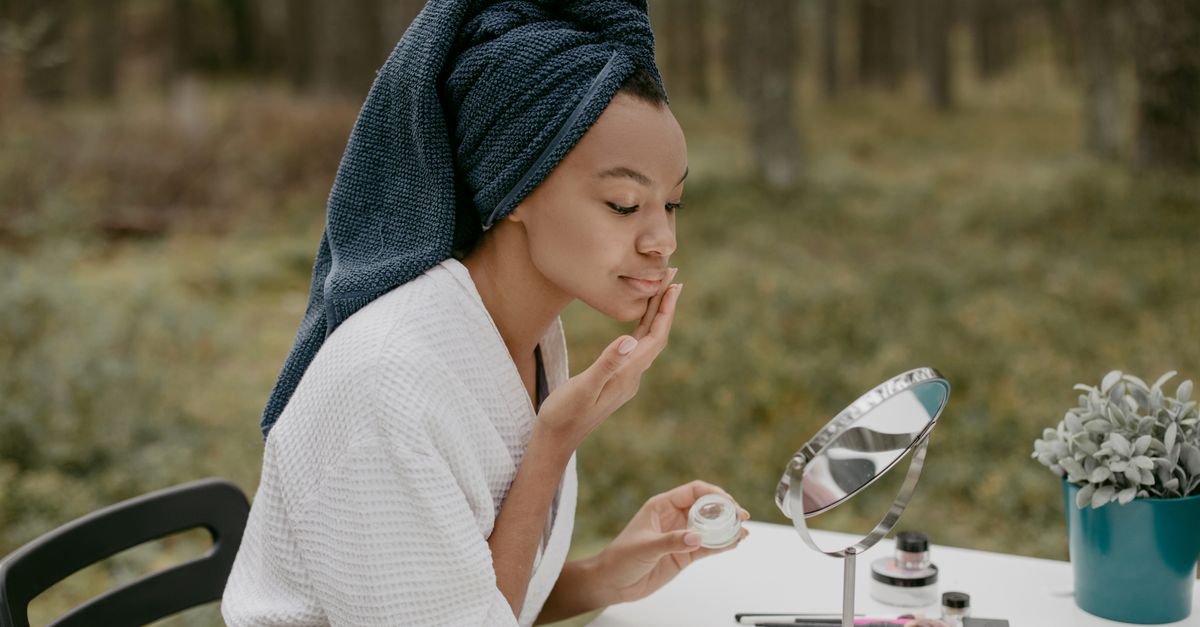
Why Your 30s Require a Different Face Serum
Your 30s bring subtle changes. Collagen production slows down. Cell turnover decreases. Fine lines appear. Skin loses some plumpness. The right serum can address these shifts.
In your 20s, prevention was key. In your 30s, you need active ingredients. Serums deliver high concentrations of actives. They target specific concerns. A good serum boosts hydration, smooths texture, and brightens.
Signs your skin is changing:
- First fine lines around eyes and mouth
- Dullness or uneven tone
- Loss of firmness
- Dryness or dehydration
Key Ingredients to Look for in Face Serums for Your 30s
Hyaluronic Acid for Hydration
Hyaluronic acid (HA) holds 1,000 times its weight in water. It attracts moisture to the skin. This plumps fine lines and gives a dewy look. HA works for all skin types. Look for serums with multiple molecular weights for deeper penetration.
Retinol for Cell Turnover
Retinol is a vitamin A derivative. It speeds up skin cell renewal. This reduces fine lines and unclogs pores. It also boosts collagen production. Start with a low concentration (0.25%-0.3%). Use it every other night. Always apply sunscreen in the morning.
Tip: Retinol can cause irritation. If you have sensitive skin, start slowly. Use a moisturizer after.
Vitamin C for Brightening
Vitamin C is a potent antioxidant. It protects against free radicals. It brightens skin and fades dark spots. It also helps collagen synthesis. Look for L-ascorbic acid (the most effective form). Use in the morning for best results.
Peptides for Collagen Support
Peptides are short chains of amino acids. They signal skin to produce more collagen. This improves firmness and elasticity. Peptides are gentle and work well with other ingredients. They are ideal for sensitive skin.
Top 5 Best Face Serums for Your 30s
Best Overall: SkinCeuticals C E Ferulic
This serum combines 15% pure vitamin C, vitamin E, and ferulic acid. It brightens and protects. It is backed by research. It is pricey but effective. Use in the morning.
Best Budget: The Ordinary Niacinamide 10% + Zinc 1%
Niacinamide (vitamin B3) reduces pore size and controls oil. It also improves skin barrier. This serum costs under $10. It is great for combination or oily skin.
Best for Anti-Aging: Olay Regenerist Retinol 24 Night Serum
Contains retinol and niacinamide. It smooths wrinkles without irritation. It is fragrance-free. Use at night.
Best for Sensitive Skin: La Roche-Posay Hyalu B5 Serum
Fragrance-free and alcohol-free. Contains hyaluronic acid and vitamin B5. It hydrates and soothes. Suitable for reactive skin.
Best for Hyperpigmentation: CeraVe Skin Renewing Vitamin C Serum
Contains 10% pure vitamin C and ceramides. It brightens and supports the skin barrier. It is non-irritating. Good for daily use.
How to Choose the Right Serum for Your Skin Type
Dry skin: Look for hydrating serums with hyaluronic acid, glycerin, or squalane. Avoid alcohol.
Oily skin: Choose lightweight, gel-based serums. Niacinamide and salicylic acid help control oil.
Combination skin: Use a balancing serum like niacinamide. Apply on both dry and oily areas.
Sensitive skin: Opt for soothing serums with peptides, ceramides, or centella asiatica. Avoid fragrance and essential oils.
Mature skin: Prioritize retinol, vitamin C, and peptides. These target wrinkles and loss of firmness.
How to Layer Serums in Your Skincare Routine
Order matters. Apply thinnest to thickest. Follow these steps:
- Cleanser – Start with a clean face.
- Toner – Optional, but can prep skin.
- Water-based serums – Like hyaluronic acid or vitamin C. Apply to damp skin.
- Oil-based serums – Retinol or peptides. Wait a few minutes between layers.
- Moisturizer – Seal in hydration.
- Sunscreen (AM) – Always finish with SPF 30+.
AM routine example:
- Vitamin C serum
- Hyaluronic acid serum
- Moisturizer
- Sunscreen
PM routine example:
- Retinol serum (every other night)
- Peptide serum (on non-retinol nights)
- Moisturizer
Frequently Asked Questions About Face Serums in Your 30s
Can I use retinol and vitamin C together? Yes, but not at the same time. Use vitamin C in the morning and retinol at night. This prevents irritation.
How long does it take to see results? Most serums show improvement in 4-8 weeks. Retinol may take 12 weeks for noticeable changes.
Do I need a serum if I use a moisturizer? Yes. Serums have higher concentrations of active ingredients. Moisturizers primarily hydrate and seal.
Can I use multiple serums at once? Yes, but layer correctly. Avoid mixing strong actives like retinol and AHAs together.
Should I see a dermatologist before starting serums? If you have persistent acne, rosacea, or very sensitive skin, consult a dermatologist. They can recommend safe products.
Key Takeaways
- Your 30s require targeted serums with active ingredients.
- Key ingredients: hyaluronic acid, retinol, vitamin C, and peptides.
- Choose serums based on your skin type and concerns.
- Layer serums from thinnest to thickest.
- Always use sunscreen with retinol or vitamin C.
- Results take time; be consistent.
- Consult a dermatologist if you have skin conditions.
Remember: Healthy skin is a journey. Choose products backed by science. Listen to your skin.
You May Also Like
Explore more articles in our Skincare collection:
- Best Luxury Face Serum for Wrinkles
- Best Luxury Moisturizer for Rosacea
- Best Micellar Water for Oily Skin: Your Complete Guide to a Clear, Matte Complexion
Related Tools
Try these free calculators and quizzes to personalize your routine:
References
- Hyaluronic Acid: Benefits, Side Effects, and More — American Academy of Dermatology (accessed 2026-06-11)
- Retinoids for Anti-Aging: Benefits and How to Use — Mayo Clinic (accessed 2026-06-11)
- Vitamin C and Skin Health — PubMed Central (accessed 2026-06-11)
- Peptides in Skincare: What They Are and How They Work — American Academy of Dermatology (accessed 2026-06-11)