
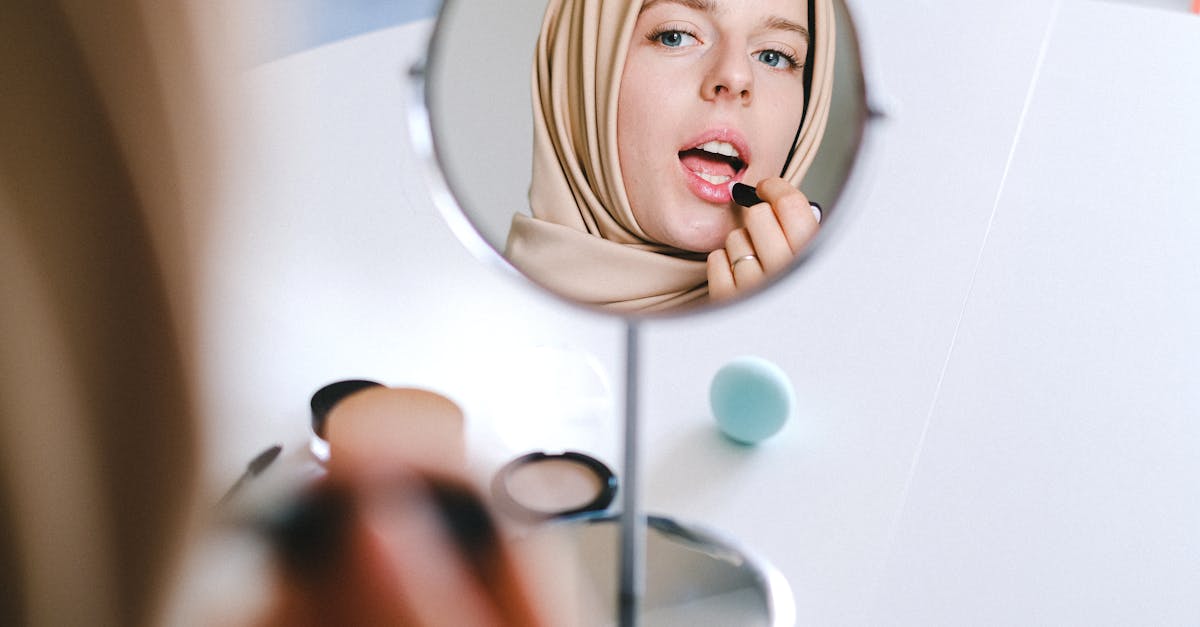
Introduction: Why Hair Changes in Your 30s
Your 30s bring many changes. Hair is no exception. You may notice thinning, dullness, or breakage. This is normal. Hormones, stress, and lifestyle play a role. Understanding why helps you take action.
Common Causes of Damaged Hair in Your 30s
Hormonal Shifts
Hormones fluctuate in your 30s. Estrogen drops. Androgens may increase. This can shrink hair follicles. Hair grows slower and thinner. The American Academy of Dermatology notes that hormonal changes are a top cause of hair thinning.
Lifestyle Stress
Your 30s are busy. Career, family, finances cause stress. Stress raises cortisol. High cortisol damages hair follicles. It pushes hair into a shedding phase. This is called telogen effluvium. It is usually temporary.
Product Buildup and Over-Styling
Years of styling take a toll. Heat tools, dyes, and chemicals weaken hair. Product buildup blocks moisture. Hair becomes brittle. Over-washing strips natural oils. This leads to dryness and breakage.
Signs Your Hair is Damaged
Look for these signs:
- Split ends
- Brittle or straw-like texture
- Excessive shedding
- Dull appearance
- Tangles and knots
- Lack of elasticity (hair breaks when stretched)
- Thinning at the crown or temples
How to Repair Damaged Hair in Your 30s
Adjust Your Wash Routine
- Wash less often. 2-3 times per week is enough.
- Use lukewarm water. Hot water strips oils.
- Choose sulfate-free shampoo. It is gentler.
- Condition only on mid-lengths and ends.
Deep Conditioning and Treatments
- Use a deep conditioner weekly.
- Try a protein treatment every 4-6 weeks. It strengthens hair.
- Apply a leave-in conditioner for daily moisture.
- Use a hair mask with ingredients like shea butter, argan oil, or keratin.
Minimize Heat and Chemical Damage
- Limit heat styling to once a week.
- Use heat protectant spray every time.
- Lower your tool temperature. 300-350°F is safe for most hair.
- Avoid bleach and harsh dyes. Use ammonia-free options.
- Let hair air-dry when possible.
Diet and Supplements for Hair Health
- Eat protein-rich foods: eggs, fish, beans.
- Include iron-rich foods: spinach, red meat, lentils.
- Get omega-3s from salmon, walnuts, flaxseeds.
- Consider supplements like biotin, vitamin D, and zinc. Consult a doctor first.
- Stay hydrated. Drink 8 glasses of water daily.
Best Products for Damaged Hair Over 30
Look for products with:
- Proteins: keratin, collagen, silk amino acids
- Moisturizers: glycerin, hyaluronic acid, aloe vera
- Oils: argan oil, coconut oil, jojoba oil
- Ceramides: to repair the hair barrier
- Sunscreen: for UV protection
Avoid products with:
- Sulfates
- Parabens
- Alcohol (denatured alcohol)
- Silicones (can cause buildup)
When to See a Professional
See a dermatologist if:
- Hair loss is sudden or patchy
- You have bald spots
- Shedding lasts more than 6 months
- You notice redness, itching, or pain on the scalp
- Hair thinning is severe
A doctor can check for underlying conditions. These include thyroid issues, anemia, or autoimmune diseases. They may prescribe treatments like minoxidil or spironolactone.
Key Takeaways
- Hair changes in your 30s are common due to hormones, stress, and styling.
- Signs of damage include split ends, dullness, and breakage.
- Repair by washing less, deep conditioning, and reducing heat.
- Eat a balanced diet with protein, iron, and omega-3s.
- Use gentle products without sulfates or alcohol.
- See a dermatologist if hair loss is severe or sudden.
Frequently Asked Questions
Q: Can damaged hair in your 30s be reversed? A: Yes, with proper care. Focus on moisture, protein, and reducing damage. Results take 3-6 months.
Q: Does stress cause permanent hair damage? A: Usually not. Stress-related shedding is temporary. Managing stress helps hair recover.
Q: How often should I trim damaged hair? A: Every 6-8 weeks. Regular trims prevent split ends from traveling up.
Q: Are biotin supplements effective for damaged hair? A: Biotin helps if you are deficient. Most people get enough from diet. Check with a doctor.
Q: What is the best shampoo for damaged hair? A: Look for sulfate-free, moisturizing shampoos with keratin or argan oil. Avoid clarifying shampoos.
Citations
- American Academy of Dermatology. “Hair loss: Who gets and causes.” https://www.aad.org/public/diseases/hair-loss/causes/18-causes
- Mayo Clinic. “Hair loss.” https://www.mayoclinic.org/diseases-conditions/hair-loss/symptoms-causes/syc-20372926
- PubMed. “The role of stress in hair loss.” https://pubmed.ncbi.nlm.nih.gov/31500928/
- American Academy of Dermatology. “How to stop damaging your hair.” https://www.aad.org/public/everyday-care/hair-scalp-care/hair/stop-damaging-hair
You May Also Like
Explore more articles in our Beauty collection:
- Best Sunscreen for Hair Loss
- Best Toner for Hair Loss
- Best Vegan Eye Cream for Thinning Hair: Expert Guide
Related Tools
Try these free calculators and quizzes to personalize your routine:
References
- Hair loss: Who gets and causes — American Academy of Dermatology (accessed 2026-06-11)
- Hair loss — Mayo Clinic (accessed 2026-06-11)
- The role of stress in hair loss — PubMed (accessed 2026-06-11)
- How to stop damaging your hair — American Academy of Dermatology (accessed 2026-06-11)