
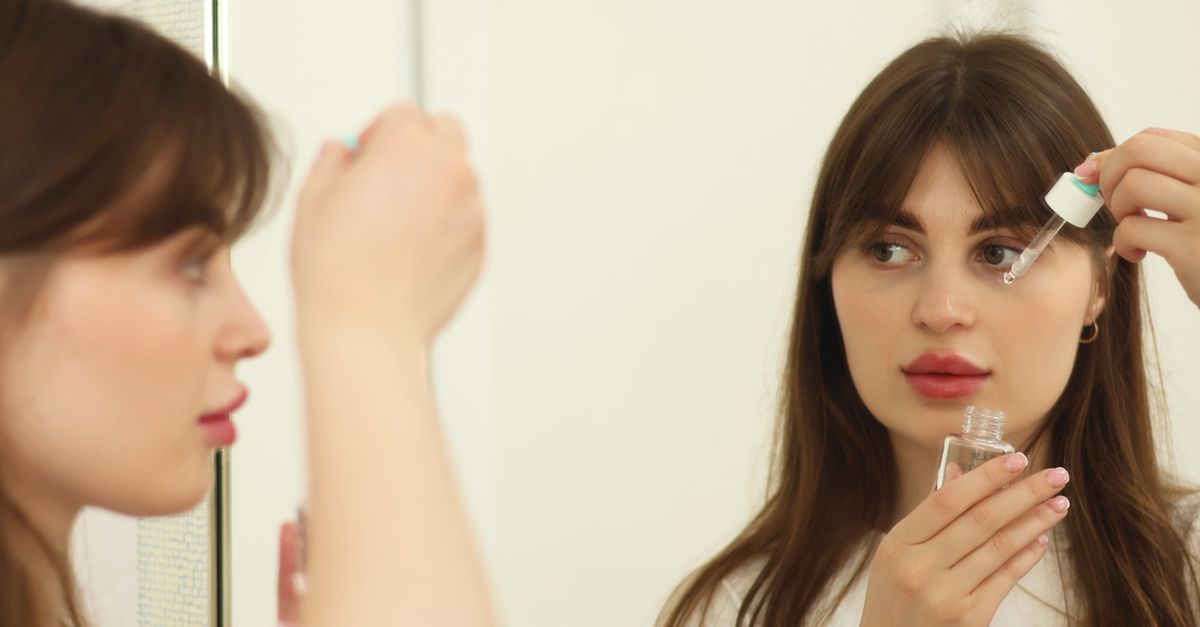
Why Moisturizer is Essential for Acne-Prone Skin
Many people with acne skip moisturizer. They fear it will clog pores. This is a myth. Moisturizer is vital for acne-prone skin.
Acne treatments dry the skin.
- Benzoyl peroxide, salicylic acid, and retinoids strip natural oils.
- Dry skin triggers more oil production. This worsens acne.
- A good moisturizer restores balance.
Hydration strengthens the skin barrier.
- A healthy barrier protects against bacteria and irritation.
- It reduces redness and inflammation.
- Moisturizer helps acne heal faster.
Non-comedogenic formulas are safe.
- Look for “non-comedogenic” on labels.
- These products won’t clog pores.
- Gel or water-based moisturizers work best.
According to the American Academy of Dermatology (AAD), moisturizing is a key step in any acne routine. It prevents dryness and irritation from acne medications.
What to Look for in an Affordable Acne Moisturizer
Finding an effective moisturizer on a budget is possible. Focus on ingredients and texture.
Key ingredients to seek:
- Hyaluronic acid: Holds moisture without oil.
- Niacinamide: Calms inflammation and reduces redness.
- Ceramides: Restore the skin barrier.
- Glycerin: Attracts water to the skin.
- Salicylic acid (low concentration): Exfoliates gently.
Ingredients to avoid:
- Heavy oils like coconut oil or cocoa butter.
- Fragrance and alcohol (can irritate).
- Comedogenic ingredients (check labels).
Texture matters:
- Gel or lotion formulas are best.
- Avoid thick creams if you have oily skin.
- Mattifying options help control shine.
Price vs. quality:
- Drugstore brands often offer dermatologist-recommended options.
- You don’t need to spend a lot for effective hydration.
- Look for products under $20.
A 2021 study in the Journal of Clinical and Aesthetic Dermatology noted that simple, affordable moisturizers can improve acne outcomes when used with treatments.
Top 5 Best Affordable Moisturizers for Acne
Here are five budget-friendly options that work well for acne-prone skin.
1. CeraVe PM Facial Moisturizing Lotion
Price: Around $12 for 3 oz.
Key features:
- Non-comedogenic and fragrance-free.
- Contains ceramides and niacinamide.
- Lightweight lotion for night or day.
Why it works:
- Ceramides repair the skin barrier.
- Niacinamide reduces inflammation.
- It hydrates without greasiness.
Best for: Normal to oily skin.
2. Neutrogena Oil-Free Moisture for Combination Skin
Price: Around $10 for 4 oz.
Key features:
- Oil-free and non-comedogenic.
- Contains glycerin and dimethicone.
- Lightweight, soft finish.
Why it works:
- Glycerin attracts moisture.
- Dimethicone creates a protective layer.
- It won’t clog pores.
Best for: Combination or oily skin.
3. La Roche-Posay Effaclar Mat Oil-Free Mattifying Moisturizer
Price: Around $18 for 1.35 oz.
Key features:
- Oil-free, non-comedogenic.
- Contains salicylic acid and perlite.
- Mattifies shine for up to 12 hours.
Why it works:
- Salicylic acid exfoliates pores.
- Perlite absorbs excess oil.
- It hydrates while controlling oil.
Best for: Oily and acne-prone skin.
4. The Ordinary Natural Moisturizing Factors + HA
Price: Around $6 for 1 oz.
Key features:
- Simple, non-comedogenic formula.
- Contains amino acids, ceramides, hyaluronic acid.
- Lightweight cream.
Why it works:
- Mimics skin’s natural moisturizing factors.
- Hyaluronic acid boosts hydration.
- No irritants or fragrance.
Best for: All skin types, especially sensitive.
5. Vanicream Moisturizing Cream
Price: Around $13 for 16 oz.
Key features:
- Free of dyes, fragrance, parabens, and lanolin.
- Non-comedogenic.
- Thick but absorbs well.
Why it works:
- Hypoallergenic for sensitive skin.
- Contains ceramides and hyaluronic acid.
- Great for dry, irritated skin from acne treatments.
Best for: Dry or sensitive skin.
How to Choose the Right Moisturizer for Your Skin Type
Not all moisturizers work for every skin type. Match your choice to your skin.
Oily skin:
- Look for gel or water-based formulas.
- Choose oil-free and mattifying.
- Example: Neutrogena Oil-Free Moisture.
Dry skin:
- Use cream-based moisturizers.
- Look for ceramides and hyaluronic acid.
- Example: Vanicream Moisturizing Cream.
Combination skin:
- Lightweight lotions work well.
- Avoid heavy creams on oily zones.
- Example: CeraVe PM Lotion.
Sensitive skin:
- Fragrance-free and hypoallergenic.
- Simple ingredients with few additives.
- Example: The Ordinary NMF + HA.
Acne-prone skin with active breakouts:
- Non-comedogenic is a must.
- Consider moisturizers with salicylic acid or niacinamide.
- Example: La Roche-Posay Effaclar Mat.
If you are unsure, start with a sample. Patch test before full use.
Tips for Using Moisturizer with Acne Treatments
Combining moisturizer with acne medications requires care.
Order of application:
- Cleanse your face.
- Apply acne treatment (e.g., benzoyl peroxide, retinoid).
- Wait 10-15 minutes.
- Apply moisturizer.
This prevents irritation and ensures both products work.
Use moisturizer morning and night.
- Morning: Lightweight, with SPF if possible.
- Night: Richer formula to repair.
Avoid over-moisturizing.
- A pea-sized amount is enough.
- Too much can clog pores.
Watch for reactions.
- Redness or stinging may mean product mismatch.
- Discontinue use and consult a dermatologist.
Adjust based on season.
- Winter: Thicker cream.
- Summer: Lighter gel.
The AAD recommends moisturizing after washing and before applying makeup or sunscreen.
Key Takeaways
- Moisturizer is essential for acne-prone skin. It prevents dryness and irritation from treatments.
- Look for non-comedogenic, oil-free formulas with hyaluronic acid, niacinamide, or ceramides.
- Affordable options exist for under $20. CeraVe, Neutrogena, La Roche-Posay, The Ordinary, and Vanicream are reliable.
- Choose based on your skin type: gel for oily, cream for dry, lotion for combination.
- Apply moisturizer after acne treatment, wait 10 minutes, and use twice daily.
- See a dermatologist if your acne is severe or not improving with over-the-counter products.
FAQ
1. Can I use a moisturizer if I have oily skin? Yes. Oily skin still needs hydration. Use a lightweight, oil-free moisturizer to avoid greasiness.
2. What does non-comedogenic mean? It means the product is formulated to not clog pores. Look for this label on acne-safe moisturizers.
3. Should I moisturize before or after acne treatment? Apply acne treatment first, wait 10-15 minutes, then moisturize. This reduces irritation.
4. Are expensive moisturizers better for acne? No. Many affordable drugstore brands contain effective ingredients and are dermatologist-recommended.
5. How often should I moisturize acne-prone skin? Twice daily—morning and night. Consistency helps maintain skin barrier health.
References
- Acne: Tips for managing — American Academy of Dermatology (accessed 2026-06-11)
- Moisturizers: Do they work? — Mayo Clinic (accessed 2026-06-11)
- The Role of Moisturizers in Acne Management — Journal of Clinical and Aesthetic Dermatology (accessed 2026-06-11)