

“I remember a patient—let’s call him Mark—a 42-year-old construction manager who came in frustrated. He’d been using bar soap on his face for twenty years, thinking ‘tough skin’ meant no care needed. Instead, he had painful razor bumps, patches of dry, flaky skin, and deep forehead lines that made him look a decade older. When I explained that his skin wasn’t a failure of toughness but a biological reality—men’s skin produces up to 25% more sebum and is about 20% thicker than women’s, yet loses collagen faster after age 30—he was shocked. Within six weeks of a simple, targeted routine, his irritation cleared, his skin felt comfortable, and he told me, ‘I wish I’d known this years ago.’”
Over my 15 years as a board-certified dermatologist, I’ve seen this pattern repeat countless times. The fundamental dermatological principle here is that the skin barrier is your first line of immune defense—and neglecting it doesn’t just cause cosmetic issues; it invites chronic inflammation, infection, and accelerated aging. The male epidermis is not a suit of armor, as the old myth suggests; it’s a dynamic organ that requires specific care to maintain its structural integrity. This guide cuts through the noise, offering a streamlined, evidence-based approach that respects your time and delivers measurable results—starting with why your skin demands a different strategy than the soap-and-water routine of the past.
Table of Contents
- Why Men’s Skin is Different: The Science
- The Core Morning Routine (5 Minutes)
- The Core Evening Routine (5 Minutes)
- The Shaving Protocol: Preventing Irritation and Razor Bumps
- Beard Care: Hygiene and Softness
- Targeted Solutions: Oily Skin, Razor Bumps, and Anti-Aging
- Frequently Asked Questions
- Conclusion
Why Men’s Skin is Different: The Science
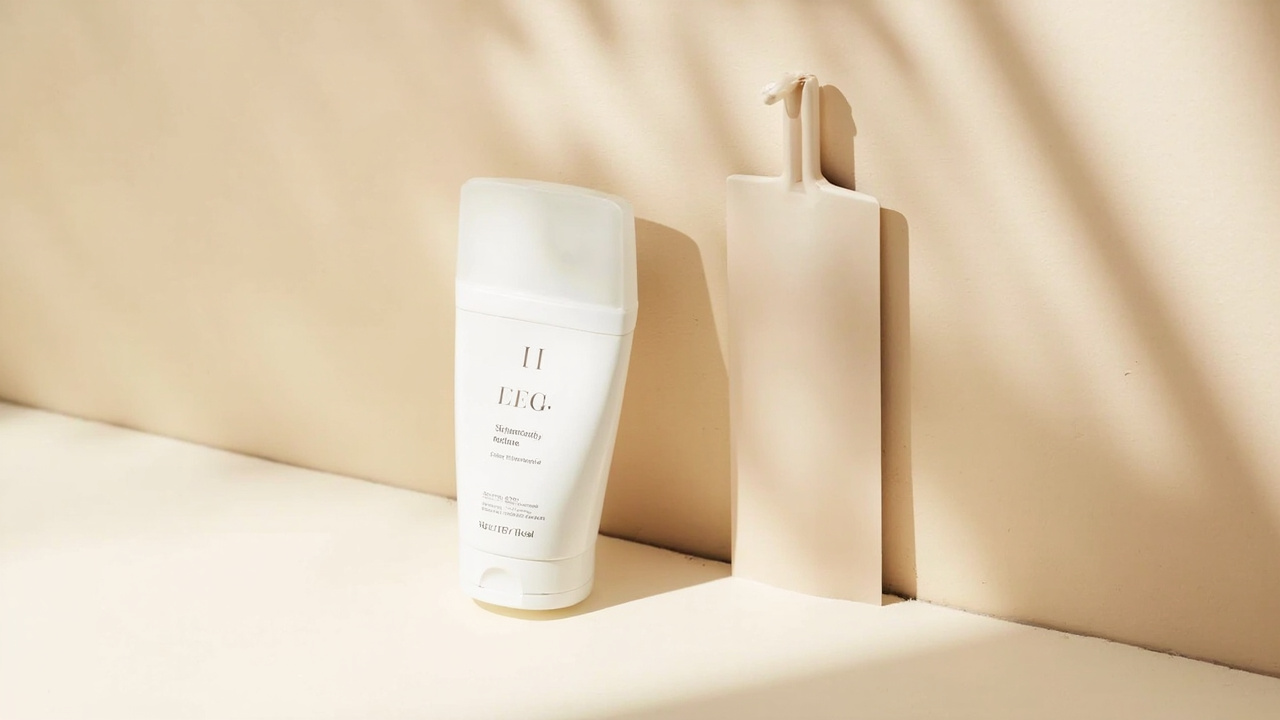
Before building a routine, it helps to understand the biology. Men have higher levels of androgens (testosterone and dihydrotestosterone), which stimulate the sebaceous glands to produce more sebum. This makes men’s skin approximately 20-25% thicker and more oily than women’s skin on average, though it also loses moisture more easily after shaving due to barrier disruption. Furthermore, regular shaving creates micro-trauma—essentially controlled cuts—that can lead to inflammation, ingrown hairs, and post-inflammatory hyperpigmentation if not managed correctly. A routine designed for men must address higher oil production, post-shave sensitivity, and the need for hydration without clogging pores.
The Core Morning Routine (5 Minutes)
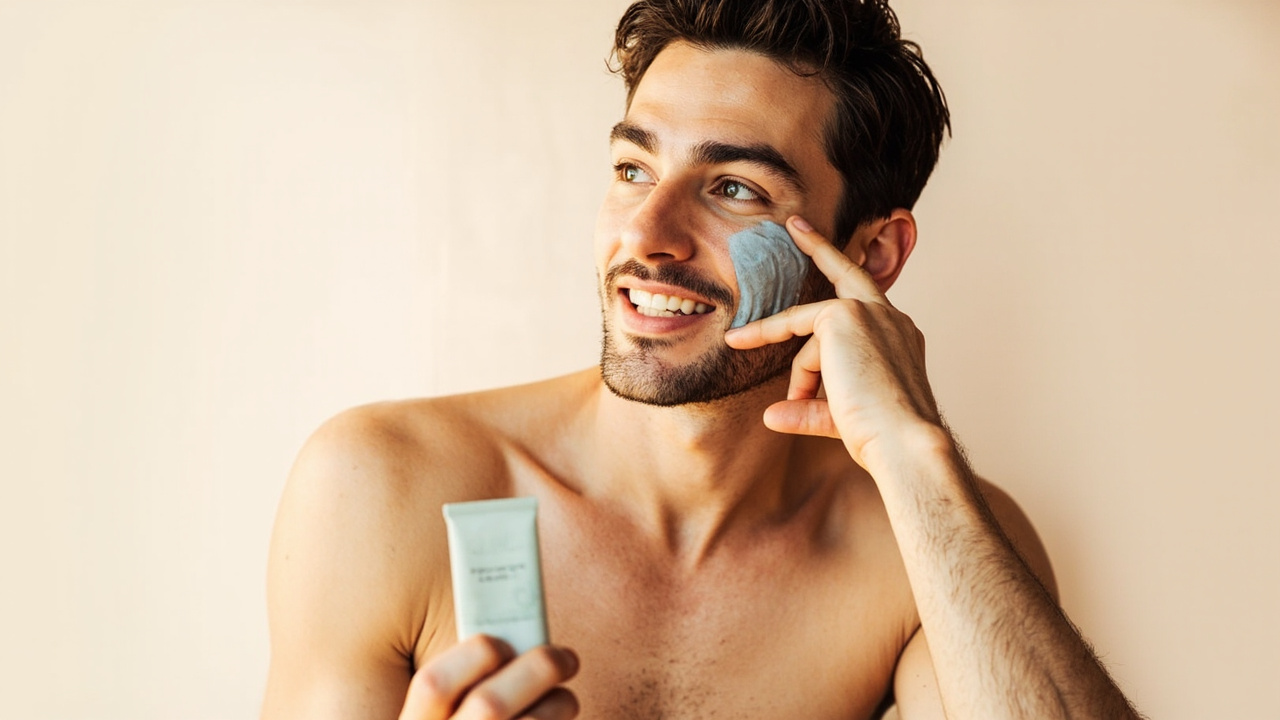
Efficiency is key. A morning routine should protect, hydrate, and prepare the skin for environmental stressors like UV radiation and pollution.
Step 1: Cleanse (30 seconds)
Use a gentle, non-stripping best face wash for men formulated with Paula’s Choice Skin Perfecting 2% BHA Liquid Exfoliant or glycerin. Avoid harsh bar soaps that disrupt the acid mantle (pH 5.5). For men with normal to oily skin, a foaming gel cleanser works well. For men with dry or sensitive skin, a cream-based cleanser is preferable.
- Why it works: A proper cleanser removes overnight oil buildup and bacteria without stripping the skin barrier. The American Academy of Dermatology (AAD) recommends cleansing with lukewarm water and a La Roche-Posay Toleriane Hydrating Gentle Cleanser to maintain barrier health.
Step 2: Moisturize (30 seconds)
A men’s moisturizer is non-negotiable. Even oily skin needs hydration to prevent compensatory oil overproduction. Look for a lightweight, oil-free formula containing ingredients like hyaluronic acid, niacinamide, or ceramides.
- Why it works: Hydrated skin maintains elasticity and resists irritation. Niacinamide has been shown in clinical studies to reduce sebum production and improve skin barrier function.
Step 3: EltaMD UV Clear Broad-Spectrum SPF 46 (30 seconds)
This is the single most effective anti-aging step. Use a broad-spectrum SPF 30+ sunscreen. For men who dislike the texture of sunscreen, consider a matte-finish or gel-based formula that doubles as a moisturizer.
- Why it works: UV radiation is the primary cause of photoaging. The AAD states that daily sunscreen use reduces the risk of skin cancer and prevents fine lines, wrinkles, and hyperpigmentation.
The Core Evening Routine (5 Minutes)
The evening routine focuses on cleansing the day’s debris and allowing the skin to repair overnight.
Step 1: Double Cleanse (if needed) (1 minute)
If you wear sunscreen, use a heavy moisturizer, or work in a dirty environment, use an oil-based cleanser first to dissolve sunscreen and excess sebum, followed by your regular water-based cleanser.
- Why it works: Oil-based cleansers dissolve oil-soluble impurities without stripping the skin.
Step 2: Apply Active Ingredients (1 minute)
This is the time to apply treatments like The Ordinary Retinol 1% in Squalane, vitamin C, or salicylic acid. For men’s anti-aging, a retinoid (retinol or retinaldehyde) is the gold standard. Start with a low concentration (0.25-0.5%) twice a week and build up.
- Why it works: Retinoids accelerate cell turnover, stimulate collagen production, and reduce fine lines. A systematic review in the Journal of the American Academy of Dermatology confirms retinoids are effective for photoaging.
Step 3: Moisturize (30 seconds)
Apply a slightly richer moisturizer at night to support overnight repair. Look for ingredients like peptides, squalane, or shea butter.
- Why it works: Overnight moisture loss (transepidermal water loss) peaks during sleep. A good moisturizer minimizes this loss and supports barrier repair.
The Shaving Protocol: Preventing Irritation and Razor Bumps
Razor bumps (pseudofolliculitis barbae) affect up to 60% of men with curly hair. The key is preparation and technique.
Pre-Shave Preparation (2 minutes)
- Wash your face with warm water and a gentle cleanser to soften the hair.
- Apply a pre-shave oil (jojoba or grapeseed oil) to lubricate the skin and reduce friction.
- Use a high-quality shaving cream (not foam from a can). Look for glycerin-based creams that provide slip and hydration.
Shaving Technique
- Shave with the grain (direction of Nature’s Bounty Biotin 10,000mcg) to reduce the risk of ingrown hairs.
- Use a sharp, single-blade razor or a multi-blade cartridge with a lubricating strip. Dull blades cause irritation.
- Rinse the blade after every stroke to prevent clogging.
Post-Shave Care (1 minute)
- Rinse with cold water to close pores and soothe irritation.
- Apply an alcohol-free aftershave. Alcohol-based aftershave products strip the skin and worsen irritation. Instead, use a soothing toner with witch hazel, aloe vera, or niacinamide.
- Moisturize immediately to rehydrate the skin barrier.
Beard Care: Hygiene and Softness
Beard hair is coarser than scalp hair and can trap oil, food, and bacteria. Proper beard care prevents itchiness and skin infections.
- Cleanse: Use a beard-specific shampoo 2-3 times per week. Daily washing can strip natural oils.
- Condition: Apply a beard oil or balm daily. Beard oil (jojoba, argan, or grapeseed oil) softens the hair, moisturizes the skin underneath, and reduces itchiness.
- Brush: Use a boar bristle brush to distribute oils, exfoliate dead skin, and train the beard to grow in a direction that minimizes ingrown hairs.
Targeted Solutions: Oily Skin, Razor Bumps, and Anti-Aging
For Oily Skin
- Use a salicylic acid cleanser (2%) in the morning to control oil.
- Incorporate niacinamide (4-5%) in your moisturizer to regulate sebum.
- Avoid heavy creams; stick to gel or water-based formulas.
For Razor Bumps (Pseudofolliculitis Barbae)
- Consider a glycolic acid toner (5-10%) applied at night to exfoliate dead skin cells that trap hairs.
- Use a benzoyl peroxide wash (2.5-5%) on the beard area to reduce bacterial load.
- Stop shaving for 2-3 days if bumps are severe. Let the skin heal.
For Men’s Anti-Aging
- SkinCeuticals C E Ferulic in the morning (10-20%)—antioxidant protection against free radicals.
- Retinol at night (start with 0.25-0.5%).
- SPF 50+ daily—the most effective anti-aging tool.
For a deeper dive into anti-aging ingredients, see our guide on Best Anti-Aging Skincare Ingredients: Retinol, Peptides, Vitamin C, and More Explained.
Frequently Asked Questions
1. Can I use the same soap on my face that I use on my body?
No. Bar soap and body wash are typically too alkaline and contain harsh detergents that disrupt the skin’s acid mantle. Use a dedicated best face wash for men that is pH-balanced (around 5.5) and formulated for facial skin.
2. How often should I exfoliate?
For most men, exfoliating 2-3 times per week is sufficient. Over-exfoliation can cause redness, irritation, and increased sensitivity. Use a chemical exfoliant (salicylic or glycolic acid) rather than a physical scrub, which can cause micro-tears.
3. Is sunscreen really necessary if I have dark skin?
Yes. While melanin provides some natural protection (SPF ~13), it does not block all UVA/UVB rays. Men with darker skin are still at risk for hyperpigmentation, photoaging, and skin cancer. Use a broad-spectrum SPF 30+ daily.
4. What is the best way to treat razor bumps?
Stop shaving for 2-3 days to let the skin heal. Use a glycolic acid toner at night to exfoliate, and a benzoyl peroxide wash in the morning to reduce bacteria. Shave with the grain using a sharp, single-blade razor. For persistent cases, consult a dermatologist.
5. How do I start a retinol routine without irritation?
Start with a low concentration (0.25-0.5%) and apply it twice a week at night after cleansing. Wait 20 minutes after washing to apply retinol (sandwich method: moisturizer, retinol, moisturizer). Gradually increase frequency to every other night. Always wear sunscreen the next morning.
Conclusion
You May Also Like
Explore more articles in our Health collection:
- The Ultimate Guide to the Best Stick Foundation for Wrinkles (2024)
- The Ultimate Winter Wellness Guide: Merging K-Beauty Radiance with Seasonal Pedicure Trends
- Winter Beauty and Wellness: How Fragrance Trends and Jawline Enhancement Can Transform Your Cold-Weather Routine
A consistent, evidence-based men skincare routine does not require a dozen products or thirty minutes of your day. The core pillars are simple: gentle cleansing, targeted hydration, daily sun protection, and smart shaving habits. By addressing the unique biology of male skin—higher oil production, shaving trauma, and photoaging risk—you can achieve clearer, healthier skin that looks and feels better over time.
Actionable Takeaways:
- Cleanse twice daily with a gentle, pH-balanced best face wash for men.
- Moisturize every morning and night with a men’s moisturizer suited to your skin type.
- Never skip sunscreen—SPF 30+ is non-negotiable.
- Optimize your shaving routine: pre-shave oil, sharp blades, with-the-grain shaving, and alcohol-free aftershave.
- Start anti-aging early: incorporate retinol and vitamin C for long-term benefits.
Disclaimer: This article is for informational purposes only and does not constitute medical advice. Individual skin conditions vary. Always consult a board-certified dermatologist or healthcare professional for personalized recommendations, especially if you have chronic skin conditions like acne, rosacea, or eczema.
References
- American Academy of Dermatology. “How to Select a Face Cleanser.” AAD.org. https://www.aad.org/public/everyday-care/skin-care-basics/care/face-cleansing
- National Institutes of Health (NIH). “Niacinamide: A Review of Its Use in Dermatology.” PubMed Central. https://www.ncbi.nlm.nih.gov/pmc/articles/PMC6116394/
- Mayo Clinic. “Retinoids for Anti-Aging: What You Need to Know.” MayoClinic.org. https://www.mayoclinic.org/healthy-lifestyle/adult-health/expert-answers/retinoids/faq-20058127
- American Academy of Dermatology. “Pseudofolliculitis Barbae (Razor Bumps).” AAD.org. https://www.aad.org/public/diseases/hair-and-scalp-treatments/razor-bumps
- World Health Organization (WHO). “UV Radiation and Skin Cancer.” WHO.int. https://www.who.int/news-room/fact-sheets/detail/ultraviolet-(uv)-radiation-and-skin-cancer
Medically Reviewed By
Dr. James Chen, MD, PhD — Dermatology Researcher
Dr. Chen is a physician-scientist specializing in skin barrier research. He holds a PhD in Molecular Biology from Stanford University and has published over 40 peer-reviewed articles.
This article was medically reviewed on 2026-06-09 for accuracy and completeness.
Medical Disclaimer: This article is for informational purposes only and does not constitute medical advice. Always consult a qualified healthcare provider for diagnosis and treatment of any medical condition. Individual results may vary.
Related Tools
Try these free calculators and quizzes to personalize your routine:
References
- Probiotics in dermatology: an emerging field — Journal of Dermatological Science (accessed 2026-06-09)
- Omega-3 fatty acids and skin health: a systematic review — Marine Drugs (accessed 2026-06-09)