
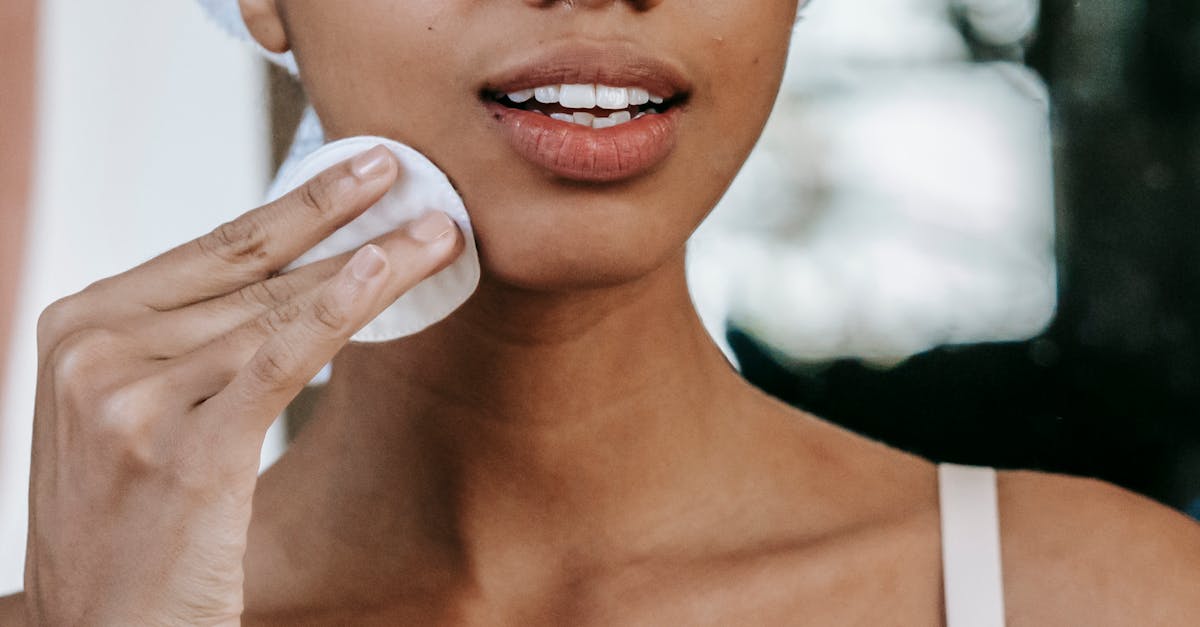
Why Teens Need a Good Moisturizer
Teenage skin undergoes many changes. Hormones can cause excess oil, acne, or dryness. Moisturizer helps balance the skin. It keeps the skin barrier healthy. A good moisturizer prevents irritation from acne treatments. It also protects against environmental damage. Skipping moisturizer can make skin produce more oil. This can worsen acne. Moisturizing is essential for all skin types, even oily skin.
Key Ingredients to Look For
When choosing a moisturizer, look for these ingredients:
- Hyaluronic acid: Holds water in the skin. It is lightweight and non-comedogenic (won’t clog pores).
- Ceramides: Help repair the skin barrier. They keep moisture in and irritants out.
- Niacinamide (Vitamin B3): Reduces inflammation and oil production. It also fades dark spots.
- Glycerin: A humectant that draws moisture into the skin.
- Salicylic acid: For acne-prone skin. It exfoliates inside pores.
- Squalane: Lightweight oil that mimics skin’s natural oils.
Avoid these if you have acne-prone skin:
- Heavy oils (coconut oil, cocoa butter)
- Fragrances and alcohol (can irritate)
- Comedogenic ingredients (check labels)
Best Moisturizers for Oily and Acne-Prone Skin
Teens with oily skin need a lightweight, oil-free moisturizer. Look for “non-comedogenic” on the label. Gel or water-based formulas work best. Ingredients like salicylic acid or niacinamide can help control oil and breakouts.
Top picks:
- Gel moisturizers: Absorb quickly, no greasy feel.
- Oil-free lotions: Provide hydration without adding oil.
- Mattifying moisturizers: Reduce shine throughout the day.
Avoid thick creams. They can clog pores. Always patch test new products.
Best Moisturizers for Dry and Sensitive Skin
Dry skin needs richer hydration. Look for creams with ceramides, hyaluronic acid, and squalane. Sensitive skin should avoid fragrances and dyes. Choose hypoallergenic and fragrance-free products.
Top picks:
- Creams with ceramides: Restore the skin barrier.
- Ointments or balms: For very dry areas (use sparingly on face).
- Soothing ingredients: Aloe vera, oat extract, shea butter.
Apply moisturizer right after washing to lock in moisture. If skin feels tight or flaky, use a thicker product.
Best Moisturizers for Combination Skin
Combination skin is oily in the T-zone (forehead, nose, chin) and dry elsewhere. Use a lightweight lotion that hydrates without adding oil. Gel-cream hybrids work well. Look for balanced ingredients like hyaluronic acid and niacinamide.
Tips:
- Apply a lighter layer on the T-zone.
- Use a richer cream on dry cheeks.
- Avoid heavy oils on oily areas.
How to Choose the Right Moisturizer for Your Skin Type
- Identify your skin type: Wash your face and wait 1 hour. If it feels tight, you have dry skin. If it looks shiny, you have oily skin. If both, you have combination skin.
- Check the label: Look for “non-comedogenic” and “oil-free” for oily skin. For dry skin, look for “hydrating” or “for dry skin.”
- Consider your acne treatments: If you use benzoyl peroxide or retinoids, choose a gentle, fragrance-free moisturizer. These treatments can dry out skin.
- Patch test: Apply a small amount on your jawline for 24 hours. If no reaction, it is safe to use.
- Consult a dermatologist: If you have severe acne, eczema, or unsure about your skin type, see a professional.
Tips for Applying Moisturizer Correctly
- Apply on damp skin: After washing, pat dry slightly. Apply moisturizer within 3 minutes to lock in moisture.
- Use the right amount: A pea-sized amount is enough for the whole face. Too much can clog pores.
- Don’t forget the neck: The neck also needs hydration.
- Use gentle motions: Dab or press, don’t rub harshly.
- Layer correctly: If using serum or acne treatment, apply them before moisturizer. Sunscreen goes last.
- Morning and night: Moisturize twice daily. Morning protects from environment; night helps repair.
Common Mistakes Teens Make with Moisturizer
- Skipping moisturizer for oily skin: This can increase oil production.
- Using too much product: A little goes a long way.
- Applying on dry skin: Moisturizer works best on damp skin.
- Using the wrong formula: Heavy creams on oily skin can cause breakouts.
- Not patch testing: Always test new products.
- Ignoring sunscreen: Moisturizer with SPF is good, but you need separate sunscreen for full protection.
- Using expired products: Check expiry dates. Old products can harbor bacteria.
Frequently Asked Questions
Q: Can moisturizer cause acne?
A: Yes, if it contains comedogenic ingredients. Choose non-comedogenic products.
Q: Should teens use anti-aging moisturizers?
A: No. Focus on basic hydration and sun protection. Anti-aging products are unnecessary.
Q: How often should I moisturize?
A: Twice daily—morning and night. After washing your face.
Q: Is it okay to use a moisturizer with SPF at night?
A: No. SPF is for daytime. At night, use a moisturizer without SPF for better hydration.
Q: Can I use the same moisturizer for body and face?
A: Not recommended. Face moisturizers are lighter and non-comedogenic. Body creams can clog facial pores.
Key Takeaways
- Teens need moisturizer for balanced, healthy skin.
- Choose products based on your skin type (oily, dry, combination).
- Look for key ingredients like hyaluronic acid, ceramides, and niacinamide.
- Apply moisturizer on damp skin twice daily.
- Avoid common mistakes like skipping moisturizer or using the wrong formula.
- See a dermatologist if you have persistent acne, severe dryness, or skin concerns.
When to see a dermatologist: If over-the-counter products don’t help, or if you have painful acne, signs of infection, or eczema. A dermatologist can recommend prescription treatments or customized skincare.
Stay consistent with your routine. Healthy skin is a journey, not a quick fix.
You May Also Like
Explore more articles in our Skincare collection:
- Centella Asiatica Benefits for Dark Spots: The Complete Guide
- How to Choose the Perfect Moisturizer: A Skin-Type Matching Guide for 2026
- How to Fix Dark Spots: A Complete Step-by-Step Guide to a Brighter Complexion
Related Tools
Try these free calculators and quizzes to personalize your routine:
References
- Moisturizers: Do they work? — American Academy of Dermatology (AAD) (accessed 2026-06-11)
- Hyaluronic acid: Benefits and uses — PubMed (accessed 2026-06-11)
- Niacinamide for acne — Mayo Clinic (accessed 2026-06-11)
- Ceramides and skin barrier — Journal of the American Academy of Dermatology (accessed 2026-06-11)