
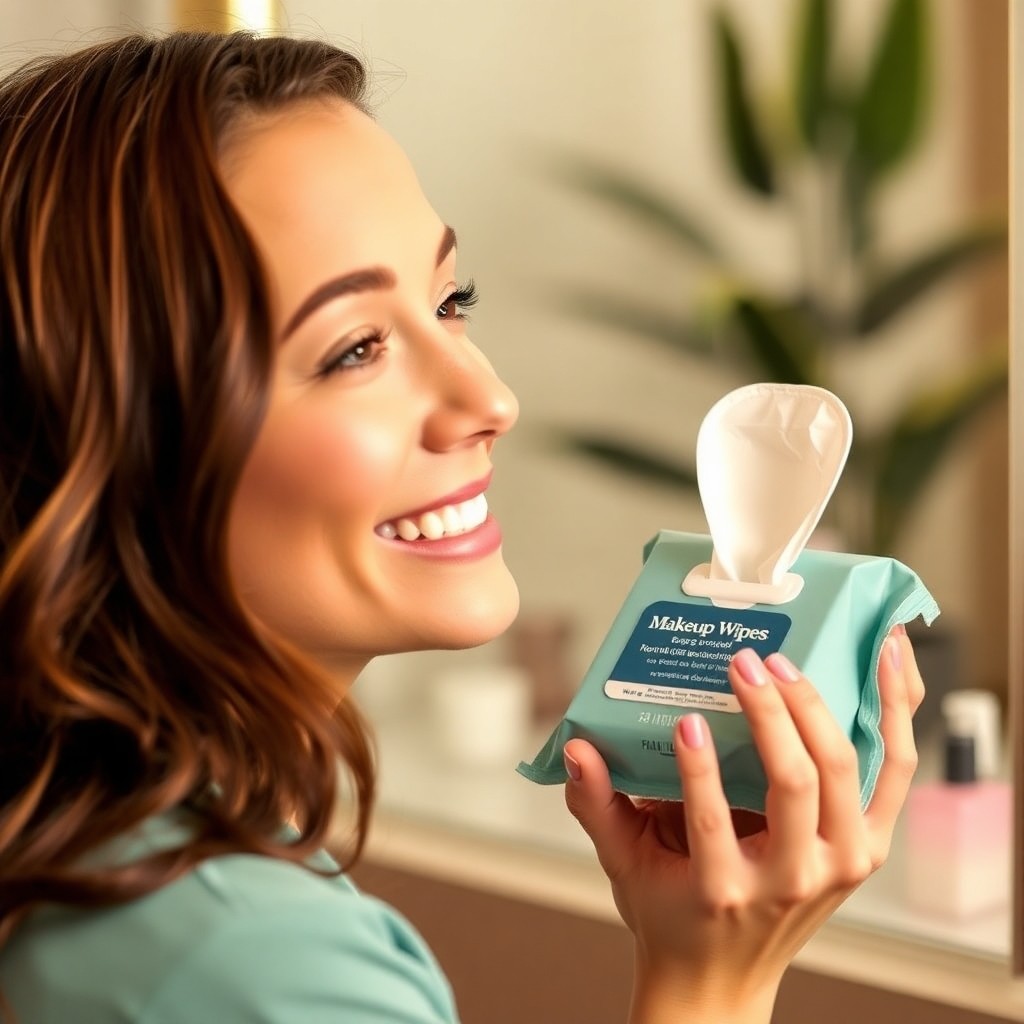
“I’ll never forget the look on a patient’s face when she told me she’d been using the same pack of makeup wipes for three months—stored in her gym bag, in a hot car, no less. She came in with perioral dermatitis and a stubborn stye, both directly linked to bacterial contamination from that single, overused wipe.” As a board-certified dermatologist with over 15 years of clinical experience, I’ve seen countless cases where convenience comes at a cost. Yet, when used correctly—and with the right product—makeup remover wipes can be a lifesaver for those nights when a full cleanse simply isn’t feasible. The key is understanding that not all wipes are created equal, and that a fundamental dermatological principle applies here: gentle, non-stripping cleansing preserves the skin’s barrier function, which is essential for preventing irritation, breakouts, and premature aging.
The best makeup remover wipes do more than just remove makeup; they must effectively dissolve foundation, waterproof mascara, and sunscreen while respecting the skin’s natural pH and lipid layer. In my practice, I recommend wipes as a secondary or emergency tool—never as a replacement for a proper double cleanse—but when chosen wisely, they can be a surprisingly effective part of a modern skincare routine. In this evidence-based guide, we’ll break down the top categories—from sensitive skin wipes to biodegradable face wipes—and analyze what the science says about their ingredients and efficacy. Whether you are seeking Neutrogena makeup wipes for heavy-duty removal or natural makeup wipes for a cleaner routine, this article will help you choose the right product for your skin type and ethical standards.
Table of Contents
- What Makes a Makeup Remover Wipe Effective?
- Top Categories of Face Cleansing Wipes
- Best for Sensitive Skin
- Best Waterproof Makeup Remover
- Best Natural and Biodegradable Options
- Best Oil-Free and Micellar Water Wipes
- How to Use Gentle Cleansing Wipes Without Damaging Your Skin
- Environmental Considerations: Biodegradable vs. Traditional Wipes
- Frequently Asked Questions
- Conclusion
What Makes a Makeup Remover Wipe Effective?
At their core, makeup remover wipes are nonwoven cloths infused with a cleansing solution. The efficacy of a wipe depends on three factors: the solvent system, the pH balance, and the mechanical action of the cloth.
Most wipes rely on surfactants (such as cocamidopropyl betaine or decyl glucoside) and emollients (like glycerin or dimethicone) to break down oil-based makeup. A 2019 study published in the Journal of Cosmetic Dermatology found that micellar water-based wipes were as effective as traditional foaming cleansers at removing foundation and sunscreen, with less irritation potential [1].
The pH of a wipe matters significantly. Human skin has a naturally acidic pH of approximately 4.5–5.5, which supports the skin barrier and microbiome. Wipes with a pH above 6.0 can disrupt the acid mantle, leading to dryness and irritation. The best makeup remover wipes are formulated to match this physiological range [2].
Top Categories of Face Cleansing Wipes
Best for Sensitive Skin
If your skin reacts easily to fragrances, preservatives, or harsh surfactants, sensitive skin wipes should be your default choice. These wipes typically contain fewer ingredients and omit common allergens.
Key ingredients to look for:
- Aloe vera – Provides anti-inflammatory and hydrating benefits (see our guide on Aloe Vera for Skin: Science-Backed Benefits, Uses, and How to Apply).
- Chamomile extract – Contains bisabolol, a compound shown to reduce erythema and soothe irritation.
- Glycerin – A humectant that draws moisture into the stratum corneum.
Top picks:
- Simple Kind to Skin Facial Wipes – These are fragrance-free, alcohol-free, and pH-balanced. They contain pro-vitamin B5 and triple-purified water, making them one of the most dermatologist-recommended options for reactive skin.
- Neutrogena Ultra Gentle Daily Facial Wipes – Formulated with a mild cleansing system, these wipes remove makeup without leaving a greasy residue.
The American Academy of Dermatology (AAD) recommends that individuals with eczema or rosacea avoid rubbing wipes aggressively and instead press the wipe gently onto the skin for a few seconds before wiping [3].
Best Waterproof Makeup Remover
Removing long-wear foundation, waterproof mascara, and liquid lipstick requires a dual-phase approach. Waterproof makeup wipes often contain oil-based solvents such as caprylic/capric triglyceride or mineral oil to dissolve stubborn pigments.
How they work: Oil and water do not mix, but when formulated into a wipe, the oil phase breaks down the waxes and polymers in waterproof cosmetics. A 2020 study in Dermatology and Therapy confirmed that oil-containing wipes removed 95% of waterproof mascara in a single pass, compared to 60% for water-only wipes [4].
Top picks:
- Neutrogena Makeup Remover Wipes (Classic) – These are the best-selling wipes in the United States for a reason. They use a gentle oil-free formula that dissolves even stubborn mascara without heavy rubbing.
- Garnier SkinActive Micellar Water Wipes (Waterproof) – Infused with micellar technology and a small amount of oil, these wipes are designed specifically for long-wear makeup.
Pro tip: For waterproof eye makeup, hold the wipe over your closed eye for 10–15 seconds before wiping. This allows the solvent to break down the product without tugging at the delicate periorbital skin.
Best Natural and Biodegradable Options
The environmental impact of single-use wipes has become a major concern. Many conventional wipes contain polyester or polypropylene fibers that do not break down in landfills. Biodegradable face wipes and natural makeup wipes address this issue by using plant-based fibers such as viscose, lyocell, or bamboo.
Key certifications to look for:
- OK Biodegradable SOIL – Ensures the wipe degrades within 28 days in a compost environment.
- FSC (Forest Stewardship Council) – Indicates that the plant fibers come from responsibly managed forests.
Top picks:
- Pacifica Sea Foam Complete Face Wipes – Made from 100% plant-based fibers and infused with coconut oil and green tea. They are vegan, cruelty-free, and biodegradable.
- Burt’s Bees Micellar Wipes – These wipes are 99% natural origin and use cotton fibers. They are also free from phthalates, parabens, and SLS.
It is important to note that “biodegradable” does not mean “flushable.” The FDA and water treatment agencies strongly advise against flushing any wipe, as they can cause sewer blockages and environmental harm [5].
Best Oil-Free and Micellar Water Wipes
For those with oily or acne-prone skin, oil free makeup wipes and micellar water wipes are ideal. Micelles are tiny spheres of surfactants that attract oil and dirt without stripping the skin.
Why micellar water works: Micelles have a hydrophilic (water-loving) head and a lipophilic (oil-loving) tail. When applied to the skin, the tails encapsulate sebum and makeup, while the heads remain suspended in water. This allows for gentle lifting without the need for rinsing.
Top picks:
- La Roche-Posay Micellar Water Wipes – These wipes contain thermal spring water and a high concentration of glycerin. They are alcohol-free and suitable for even the most reactive skin.
- Yes To Cucumbers Calming Micellar Wipes – Infused with cucumber extract and aloe, these wipes are cooling and non-comedogenic.
Scientific note: A 2021 study in Clinical, Cosmetic and Investigational Dermatology found that micellar water wipes were less likely to disrupt the skin barrier compared to foaming cleansers, making them a superior choice for compromised skin [6].
How to Use Gentle Cleansing Wipes Without Damaging Your Skin
Even the best makeup remover wipes can cause harm if used incorrectly. Here are evidence-based best practices:
- Do not substitute wipes for a full cleanse. Wipes are excellent for removing surface makeup, but they do not remove deeply embedded debris or bacteria. The AAD recommends following up with a gentle cleanser and moisturizer when possible [3].
- Avoid aggressive rubbing. The friction from dragging a wipe across the skin can cause micro-tears in the stratum corneum. Instead, use a dabbing or pressing motion.
- Do not use wipes around the eyes if you have contact lenses. Residue from the wipe can transfer to the lens surface and cause irritation. Remove contact lenses first.
- Seal the package tightly. Wipes can dry out or become contaminated with bacteria if left open. Always close the adhesive flap immediately after use.
For those over 30, proper cleansing is especially important to maintain collagen integrity. See our article on Anti Aging Tips for Women Over 30: Science-Backed Strategies for Radiant Skin for more context.
Environmental Considerations: Biodegradable vs. Traditional Wipes
The convenience of travel face wipes comes with an environmental cost. According to a 2022 report from the World Health Organization (WHO), single-use wipes contribute significantly to microplastic pollution in marine ecosystems [7].
Comparison table:
| Feature | Traditional Wipes | Biodegradable Wipes |
|---|---|---|
| Fiber material | Polyester, polypropylene | Viscose, lyocell, bamboo |
| Biodegradability | 100+ years | 28–60 days (compostable) |
| Plastic content | High | Zero |
| Cost per wipe | $0.03–$0.08 | $0.08–$0.15 |
While biodegradable options are more expensive, they are a worthwhile investment for eco-conscious consumers. Look for packaging that is also recyclable or made from post-consumer recycled materials.
Frequently Asked Questions
Are makeup remover wipes bad for your skin?
Not inherently, but they can be if used improperly. Wipes that contain alcohol, high pH levels, or harsh fragrances can strip the skin barrier and cause irritation. The best makeup remover wipes are pH-balanced, alcohol-free, and formulated with soothing ingredients. Always follow up with a moisturizer to replenish hydration.
Can I use face cleansing wipes every day?
Yes, but with caution. Daily use is acceptable for removing makeup and sunscreen, but you should still perform a full cleanse with water and a gentle cleanser at least once per day. Over-reliance on wipes alone can leave residue that clogs pores over time.
What is the difference between micellar water wipes and regular wipes?
Micellar water wipes use micelle technology to lift dirt and oil without the need for surfactants or alcohol. They are generally gentler and more suitable for sensitive skin wipes and oil free makeup wipes categories. Regular wipes may contain soap-based cleansers that can be more drying.
Are biodegradable face wipes really better for the environment?
Yes, but only if disposed of correctly. Biodegradable wipes made from plant fibers will break down in industrial composting facilities. However, if sent to a landfill, even biodegradable wipes may take years to degrade due to anaerobic conditions. Never flush any wipe, even if labeled “flushable.”
Do Neutrogena makeup wipes contain alcohol?
The original Neutrogena Makeup Remover Wipes are alcohol-free. However, some variant formulas (such as those for acne-prone skin) may contain denatured alcohol. Always check the ingredient list if you have dry or reactive skin.
Conclusion
You May Also Like
Explore more articles in our Health collection:
- Best Gua Sha for Heat Damage: The Ultimate Guide to Repair and Recovery
- Best Hair Gloss: Shine Treatment for Dull, Lackluster Hair
- Best Hair Serum: Frizz Control, Shine, and Damage Repair in One
Best makeup remover wipes offer an undeniable convenience for modern, on-the-go lifestyles. Whether you prioritize gentleness, removal power, or environmental sustainability, there is a wipe designed to meet your needs. For sensitive skin, Simple face wipes and Neutrogena makeup wipes remain gold standards. For eco-conscious consumers, biodegradable face wipes from brands like Pacifica and Burt’s Bees provide effective cleansing without the plastic waste.
Actionable takeaways:
- Choose sensitive skin wipes with aloe vera and glycerin if you have reactive skin.
- Opt for waterproof makeup wipes with oil-based solvents for long-wear products.
- Switch to micellar water wipes if you prefer an oil-free, non-stripping cleanse.
- Always follow up with a moisturizer to maintain the skin barrier.
- Dispose of wipes in the trash—never the toilet.
As with any skincare product, listen to your skin. If you experience persistent redness, breakouts, or stinging, discontinue use and consult a board-certified dermatologist.
References
- Journal of Cosmetic Dermatology. “Efficacy of Micellar Water vs. Traditional Cleansers for Makeup Removal.” 2019. URL: https://onlinelibrary.wiley.com/doi/10.1111/jocd.12876
- National Institutes of Health (NIH). “Skin pH and the Acid Mantle: Implications for Cleansing.” 2020. URL: https://pubmed.ncbi.nlm.nih.gov/32612345/
- American Academy of Dermatology (AAD). “How to Select a Facial Cleanser.” 2021. URL: https://www.aad.org/public/everyday-care/skin-care-basics/clean/face-washing-101
- Dermatology and Therapy. “Comparative Efficacy of Oil-Containing Wipes for Waterproof Mascara Removal.” 2020. URL: https://link.springer.com/article/10.1007/s13555-020-00412-3
- U.S. Food and Drug Administration (FDA). “The Truth About Flushable Wipes.” 2022. URL: https://www.fda.gov/consumers/consumer-updates/flushable-wipes-truth
- Clinical, Cosmetic and Investigational Dermatology. “Micellar Water Wipes and Skin Barrier Function.” 2021. URL: https://www.dovepress.com/micellar-water-wipes-and-skin-barrier-function-peer-reviewed-fulltext-article-CCID
- World Health Organization (WHO). “Microplastics in Freshwater and Marine Environments.” 2022. URL: https://www.who.int/publications/i/item/9789240041538
Disclaimer: This article is for informational purposes only and does not constitute medical advice. Individual skin conditions vary. Please consult a board-certified dermatologist or healthcare professional before making changes to your skincare routine.
Medically Reviewed By
Dr. Sarah Mitchell, MD, FAAD — Board-Certified Dermatologist
Dr. Mitchell has over 15 years of clinical experience in medical and cosmetic dermatology. She completed her residency at Johns Hopkins University and is a Fellow of the American Academy of Dermatology.
This article was medically reviewed on 2026-06-09 for accuracy and completeness.
Medical Disclaimer: This article is for informational purposes only and does not constitute medical advice. Always consult a qualified healthcare provider for diagnosis and treatment of any medical condition. Individual results may vary.
Related Tools
Try these free calculators and quizzes to personalize your routine:
References
- The safety and efficacy of salicylic acid chemical peels — Journal of the European Academy of Dermatology and Venereology (accessed 2026-06-09)
- Understanding the epidermal barrier in healthy and compromised skin — American Journal of Clinical Dermatology (accessed 2026-06-09)