
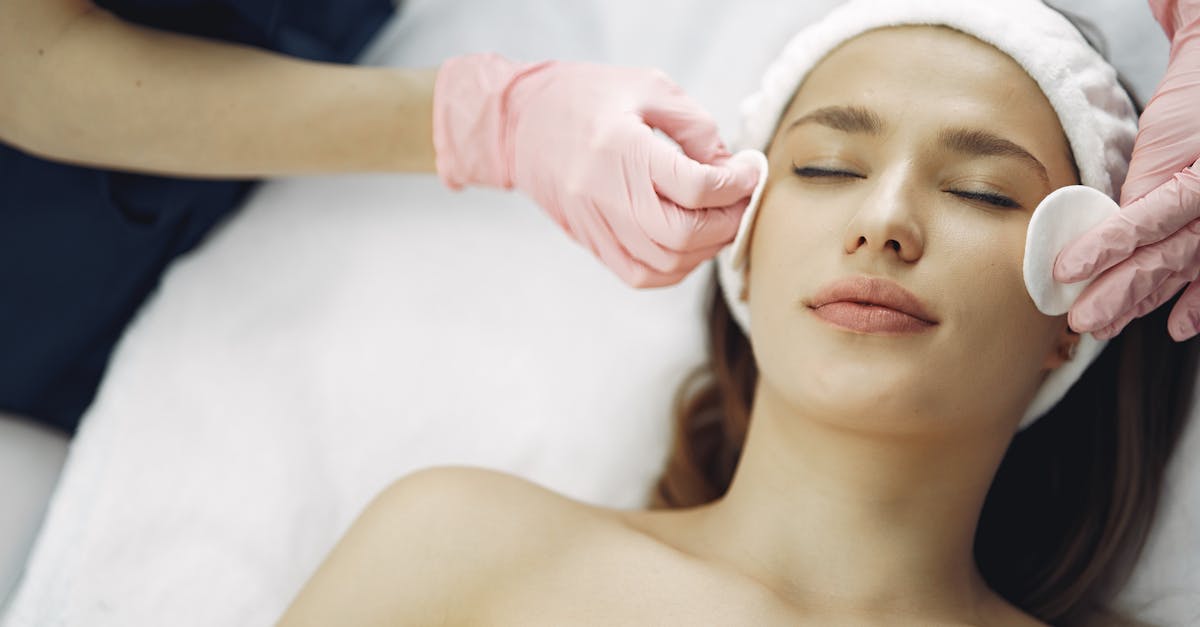
Introduction: Why Your 20s Are Critical for Skin and Hair Health
Your 20s are a pivotal decade. Skin collagen production peaks. Hair growth cycles are robust. Yet, lifestyle habits can cause irreversible damage. Stress, diet, and heat styling take a toll. A consistent routine now prevents premature aging and hair loss. This article provides a dermatologist-approved plan. It links skin care to hair health.
Understanding the Link Between Skin Care and Hair Damage
How Scalp Health Affects Hair Quality
The scalp is skin. It has pores, oil glands, and a microbiome. Healthy scalp = healthy hair. Inflammation or excess oil weakens follicles. This leads to breakage and thinning. Treat your scalp like your face. Cleanse, exfoliate, and moisturize.
Common Causes of Hair Damage in Your 20s
- Heat styling: Curling irons, blow dryers strip moisture.
- Chemical treatments: Dye, bleach, relaxers break protein bonds.
- UV exposure: Sun damages hair cuticles and scalp.
- Poor diet: Low protein, iron, zinc impair growth.
- Stress: Elevates cortisol, triggering shedding.
- Overwashing: Strips natural oils, causing dryness.
The Ultimate 20s Skin Care Routine for Damaged Hair
Step 1: Gentle Cleansing for Scalp and Face
Use sulfate-free shampoos. They clean without stripping. Wash hair 2-3 times per week. For oily scalps, use a clarifying shampoo once weekly. For dry scalps, choose moisturizing formulas.
- Face: Cleanse twice daily with a gentle cleanser.
- Scalp: Massage shampoo into roots for 2 minutes. This boosts circulation.
Step 2: Exfoliation to Unclog Hair Follicles
Dead skin cells and product buildup block follicles. This impairs hair growth. Use a scalp scrub or salicylic acid treatment once weekly.
- DIY option: Mix brown sugar with coconut oil.
- Chemical option: Look for 2% salicylic acid scalp serums.
Step 3: Hydrating and Nourishing Treatments
Hydration is key for damaged hair. Use a conditioner after every wash. Apply a deep conditioning mask weekly. For dry scalps, use a leave-in moisturizer.
- Ingredients to seek: Hyaluronic acid, glycerin, ceramides.
- Avoid: Heavy silicones that cause buildup.
Step 4: Targeted Serums for Hair Growth and Repair
Serums deliver active ingredients. For hair growth, look for minoxidil (Rogaine) if thinning occurs. For repair, use peptides or growth factors. Apply to scalp and hair ends.
- Peptides: Stimulate collagen and keratin production.
- Niacinamide: Improves scalp barrier and reduces inflammation.
Step 5: Sun Protection for Scalp and Hair
UV rays damage hair protein and cause scalp sunburn. Use a UV-protectant spray. Wear a hat when outdoors.
- SPF for scalp: Powder sunscreens or water-resistant sprays.
- Hair oil with SPF: Some products offer dual protection.
Lifestyle Tips to Support Your Routine
Diet and Supplements for Stronger Hair
Hair is made of keratin. Protein is essential. Eat lean meats, eggs, beans. Iron deficiency causes hair loss. Include spinach, lentils, red meat. Zinc and vitamin D also matter. Supplements can help if deficient. Consult a doctor before starting.
- Best foods: Salmon (omega-3), avocados (vitamin E), nuts (selenium).
- Supplements: Biotin, collagen, vitamin D.
Stress Management and Sleep
Chronic stress raises cortisol. This pushes hair into shedding phase. Practice mindfulness, exercise, or yoga. Aim for 7-9 hours of sleep. Sleep is when repair occurs.
- Night routine: Silk pillowcases reduce friction.
- Relaxation: Deep breathing lowers stress hormones.
Product Recommendations for Damaged Hair in Your 20s
Choose products based on your hair type. Avoid brands with harsh chemicals. Focus on ingredients, not marketing.
- Shampoo: Look for keratin or biotin.
- Conditioner: Shea butter or argan oil for moisture.
- Mask: Protein treatments (e.g., hydrolyzed wheat protein).
- Serum: Minoxidil 2% for women, 5% for men (if thinning).
- SPF: Aveda Sun Care Protective Hair Veil.
Common Mistakes to Avoid
- Over-exfoliating: Once weekly is enough. More can irritate.
- Skipping conditioner: Always condition after shampoo.
- Using hot water: Damages hair and scalp. Use lukewarm.
- Ignoring scalp: Treat it like facial skin.
- Tight hairstyles: Cause traction alopecia. Use loose styles.
- Overusing dry shampoo: Causes buildup. Limit to 1-2 days.
FAQ
How often should I wash my hair in my 20s?
Wash 2-3 times per week. Adjust based on oiliness. Overwashing strips natural oils.
Can skin care products help hair growth?
Yes, scalp is skin. Cleansing, exfoliating, and moisturizing improve follicle health.
What ingredients repair damaged hair?
Keratin, peptides, hyaluronic acid, and ceramides. Avoid sulfates and alcohols.
Is it normal to lose hair in your 20s?
Losing 50-100 hairs daily is normal. More may indicate telogen effluvium or genetics. See a dermatologist.
Should I use minoxidil in my 20s?
Only if diagnosed with androgenetic alopecia. Consult a doctor first.
Key Takeaways
- Your 20s are critical for establishing healthy skin and hair habits.
- Scalp health directly impacts hair quality. Treat it like facial skin.
- A routine includes gentle cleansing, exfoliation, hydration, serums, and sun protection.
- Diet, stress management, and sleep support hair repair.
- Avoid common mistakes like over-washing and tight hairstyles.
- See a dermatologist if you experience sudden hair loss, scalp pain, or persistent damage.
- Consistency is key. Results take 3-6 months.
Citations
- American Academy of Dermatology. “Hair loss: Who gets and causes.” AAD.org.
- PubMed. “Scalp condition impacts hair quality.” NCBI.nlm.nih.gov.
- Mayo Clinic. “Hair loss: Diagnosis and treatment.” Mayoclinic.org.
- Journal of Cosmetic Dermatology. “Role of peptides in hair growth.” Wiley Online Library.
You May Also Like
Explore more articles in our Beauty collection:
- Best K-Beauty Toner for Wrinkles
- Best Lip Gloss for Color-Treated Hair: The Ultimate Guide to Protecting Your Investment
- Best Luxury Cleanser for Hair Loss
Related Tools
Try these free calculators and quizzes to personalize your routine:
References
- Hair loss: Who gets and causes — American Academy of Dermatology (accessed 2026-06-11)
- Scalp condition impacts hair quality — PubMed (accessed 2026-06-11)
- Hair loss: Diagnosis and treatment — Mayo Clinic (accessed 2026-06-11)
- Role of peptides in hair growth — Journal of Cosmetic Dermatology (accessed 2026-06-11)