
Introduction: Why Teens Need a Face Serum
Adolescence brings hormonal changes that affect the skin. Increased oil production can lead to acne, clogged pores, and uneven texture. A face serum can help. Serums are lightweight and deliver high concentrations of active ingredients. They target specific concerns like acne, dryness, or dullness.
Teens do not need a complex routine. A simple cleanser, moisturizer, and sunscreen are essential. Adding a serum can boost results. But choose wisely. The wrong serum can irritate or worsen breakouts. This guide explains what to look for and which serums work best for teen skin.
H2: What to Look for in a Face Serum for Teens
Teen skin is often oily and acne-prone. It can also be sensitive. Look for serums that are:
- Non-comedogenic (won’t clog pores)
- Oil-free or water-based
- Fragrance-free (to reduce irritation)
- Gentle and soothing
- With proven active ingredients
Avoid harsh chemicals and strong acids. Start with one active ingredient at a time. This helps you see how your skin reacts.
H3: Key Ingredients for Teen Skin
- Salicylic acid: A beta hydroxy acid (BHA) that exfoliates inside pores. It reduces blackheads and whiteheads. Good for oily and acne-prone skin.
- Niacinamide: A form of vitamin B3. It reduces inflammation, controls oil, and improves skin barrier. Suitable for most teen skin types.
- Hyaluronic acid: A humectant that attracts moisture. It hydrates without oiliness. Great for dry or dehydrated teen skin.
- Zinc: Often combined with other ingredients. It soothes and reduces redness.
- Green tea extract: An antioxidant that calms inflammation. Helps with acne and sensitivity.
H3: Ingredients to Avoid
- Alcohol denat: Drying and irritating. Can strip the skin barrier.
- Fragrance and essential oils: Common allergens. They can cause redness and breakouts.
- Heavy oils (coconut oil, olive oil): Can clog pores.
- High concentration of retinoids: Too strong for most teens. Can cause peeling and irritation.
- Physical exfoliants (walnut shells, beads): Can micro-tear skin.
Always patch test a new serum on your jawline. Wait 24 hours to check for reactions.
H2: The Best Face Serums for Teens
We selected serums based on ingredients, safety, and suitability for teen skin. Always check labels and consult a dermatologist if unsure.
H3: Best Overall: The Ordinary Niacinamide 10% + Zinc 1%
This serum is affordable and effective. Niacinamide reduces oil and inflammation. Zinc helps calm acne. It is lightweight and non-greasy. Suitable for most teen skin types. Use it once daily after cleansing. It may cause slight tingling at first. Discontinue if irritation occurs.
H3: Best for Acne-Prone Skin: La Roche-Posay Effaclar Salicylic Acid Serum
Contains 1.5% salicylic acid. It exfoliates inside pores to prevent breakouts. Also has glycolic acid for surface exfoliation. Fragrance-free and non-comedogenic. Use 2-3 times a week to start. Increase as tolerated. Avoid with other exfoliants.
H3: Best Budget Option: The Inkey List Hyaluronic Acid Serum
Hydrating and very affordable. Hyaluronic acid holds moisture without oil. It plumps the skin and improves texture. Ideal for dry or dehydrated teen skin. Layer under moisturizer. Safe for sensitive skin.
H3: Best for Sensitive Skin: Aveeno Calm + Restore Triple Oat Serum
Made with oat extract and prebiotic oat. It calms redness and strengthens the skin barrier. Fragrance-free and hypoallergenic. Suitable for teens with eczema or rosacea. Use daily as a hydrating serum.
H2: How to Use a Face Serum in a Teen Skincare Routine
A simple routine is best. Follow these steps:
- Cleanse: Use a gentle cleanser. Avoid harsh soaps.
- Tone (optional): A hydrating toner can prep skin.
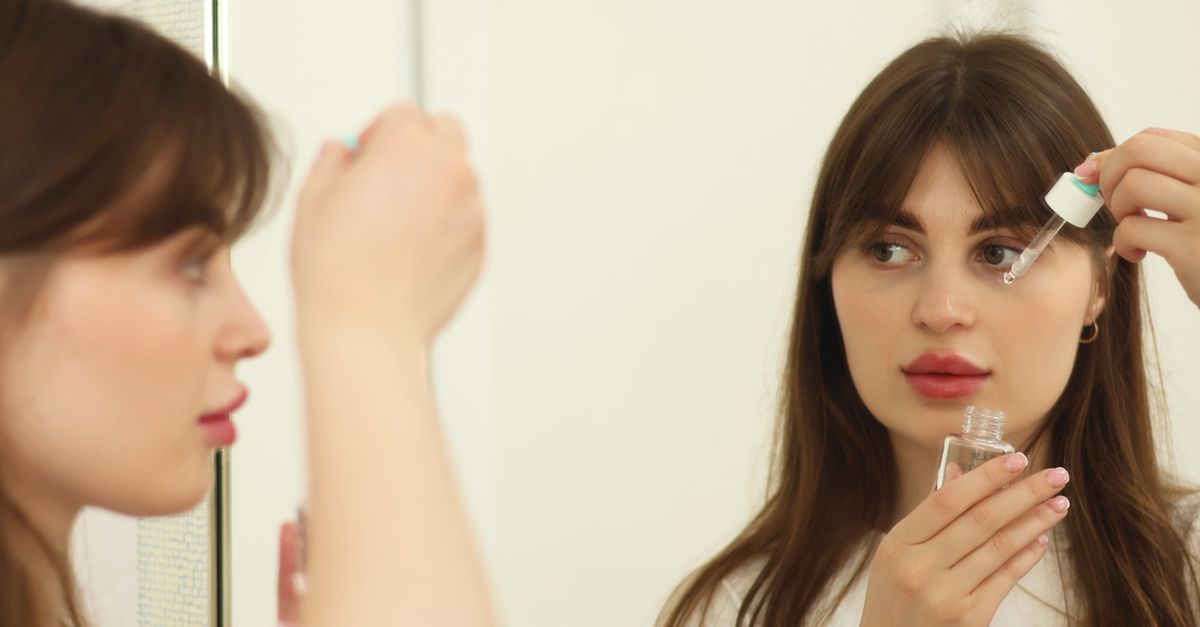
- Serum: Apply a pea-sized amount to damp skin. Gently press in.
- Moisturize: Lock in serum with an oil-free moisturizer.
- Sunscreen (AM): Use SPF 30 or higher every morning.
Use serum once daily, preferably at night. Start with 2-3 times a week. Gradually increase to daily if no irritation. Do not mix multiple active ingredients at once. For example, do not use salicylic acid with benzoyl peroxide in the same routine without guidance.
H2: Frequently Asked Questions
Q: Can teens use vitamin C serum? A: Yes, but choose a gentle form like ascorbyl glucoside. It brightens and protects without irritation. Start with a low concentration.
Q: Is retinol safe for teen skin? A: Retinol is usually not needed. It can cause dryness and peeling. A dermatologist may prescribe a retinoid for severe acne. Do not use without medical advice.
Q: How long does it take to see results from a face serum? A: Most serums take 4-8 weeks to show visible changes. Consistency is key. If no improvement after 12 weeks, see a dermatologist.
Q: Can I use multiple serums together? A: It is best to keep it simple. Use one serum at a time. Layering too many actives can irritate skin. If you want to combine, use a hydrating serum with a treatment serum.
Q: Should I use a face serum if I have no skin issues? A: Not necessary. A basic cleanse-moisturize-protect routine is enough. A serum can be added later if specific concerns arise.
Conclusion
You May Also Like
Explore more articles in our Skincare collection:
- Minimalist Routine for Combination Skin Prone Skin
- Minimalist Routine for Large Pores Prone Skin
- Minimalist Routine for Wrinkles Prone Skin
A face serum can help teens manage acne, oiliness, or dryness. Choose gentle, non-comedogenic formulas with proven ingredients like niacinamide, salicylic acid, or hyaluronic acid. Avoid harsh additives and strong actives. Start slowly and patch test. Always wear sunscreen. If skin problems persist, see a dermatologist. They can provide personalized advice and prescription treatments if needed.
H2: Key Takeaways
- Teens can benefit from a face serum targeting acne, oil, or dryness.
- Look for non-comedogenic, fragrance-free serums with niacinamide, salicylic acid, or hyaluronic acid.
- Avoid alcohol, fragrance, and heavy oils.
- Start with one serum once daily, 2-3 times a week.
- Always use sunscreen in the morning.
- See a dermatologist for persistent or severe acne.
- Simple routines work best. Do not overcomplicate.
Citations
- American Academy of Dermatology. “How to treat acne.” https://www.aad.org/public/diseases/acne
- Mayo Clinic. “Acne: Diagnosis and treatment.” https://www.mayoclinic.org/diseases-conditions/acne/diagnosis-treatment/drc-20368048
- PubMed. “Niacinamide in dermatology.” https://pubmed.ncbi.nlm.nih.gov/28228735
- DermNet NZ. “Salicylic acid.” https://dermnetnz.org/topics/salicylic-acid
Frequently Asked Questions
Can teens use vitamin C serum?
Yes, but choose a gentle form like ascorbyl glucoside. It brightens and protects without irritation. Start with a low concentration.
Is retinol safe for teen skin?
Retinol is usually not needed. It can cause dryness and peeling. A dermatologist may prescribe a retinoid for severe acne. Do not use without medical advice.
How long does it take to see results from a face serum?
Most serums take 4-8 weeks to show visible changes. Consistency is key. If no improvement after 12 weeks, see a dermatologist.
Can I use multiple serums together?
It is best to keep it simple. Use one serum at a time. Layering too many actives can irritate skin. If you want to combine, use a hydrating serum with a treatment serum.
Should I use a face serum if I have no skin issues?
Not necessary. A basic cleanse-moisturize-protect routine is enough. A serum can be added later if specific concerns arise.
Key Takeaways
- Introduction: Why Teens Need a Face Serum
- H2: What to Look for in a Face Serum for Teens
- H2: The Best Face Serums for Teens
- H2: How to Use a Face Serum in a Teen Skincare Routine
- H2: Frequently Asked Questions
Related Tools
Try these free calculators and quizzes to personalize your routine:
References
- How to treat acne — American Academy of Dermatology (accessed 2026-06-11)
- Acne: Diagnosis and treatment — Mayo Clinic (accessed 2026-06-11)
- Niacinamide in dermatology — PubMed (accessed 2026-06-11)
- Salicylic acid — DermNet NZ (accessed 2026-06-11)