
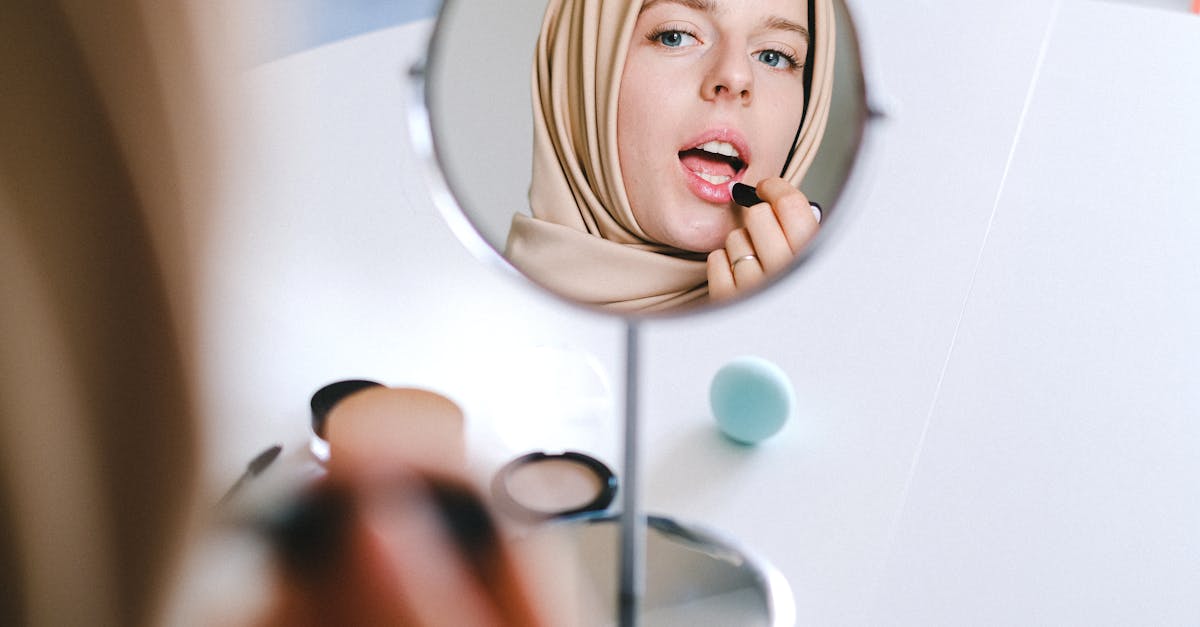
Why Choose K-Beauty Sunscreen for Eczema?
K-beauty sunscreens are popular for eczema-prone skin. They focus on gentle, hydrating formulas. Many avoid harsh chemicals and fragrances. This reduces irritation risks. Eczema skin needs extra care. The skin barrier is often weak. K-beauty brands often include barrier-repairing ingredients. They also prioritize lightweight textures. This prevents clogged pores and discomfort.
South Korea has strict sunscreen regulations. Products must pass rigorous testing. This ensures high UVA and UVB protection. Many K-beauty sunscreens use hybrid filters. These are safer for sensitive skin. They offer broad-spectrum protection without irritation.
Key Ingredients to Look For
When choosing a sunscreen for eczema, check the ingredients list. Certain components soothe and protect. Others may trigger flare-ups. Below are the most beneficial ingredients.
Ceramides and Niacinamide
Ceramides are lipids that strengthen the skin barrier. Eczema often involves a defective barrier. Ceramides help repair it. They lock in moisture and keep irritants out. Niacinamide (vitamin B3) reduces inflammation and redness. It also boosts ceramide production. Both ingredients are well-tolerated by sensitive skin.
Look for sunscreens that list ceramides or niacinamide in the top half of ingredients. They should be present in sufficient concentrations.
Centella Asiatica and Madecassoside
Centella asiatica is a medicinal herb. It has anti-inflammatory and wound-healing properties. Madecassoside is a key active compound. It calms redness and irritation. These ingredients are common in K-beauty. They are especially helpful for eczema. They reduce itchiness and support skin repair.
Physical vs. Chemical Filters
Physical (mineral) sunscreens use zinc oxide or titanium dioxide. They sit on the skin and reflect UV rays. They are less likely to cause irritation. Chemical sunscreens absorb UV rays. Some chemical filters can sting or irritate eczema. However, modern K-beauty chemical filters are often gentler. Examples include Uvinul A Plus and Tinosorb S. These are photostable and less sensitizing.
For eczema, mineral sunscreens are generally safer. But some newer chemical filters are also suitable. Always patch test first.
Top 5 Best K-Beauty Sunscreens for Eczema
Here are five highly recommended K-beauty sunscreens for eczema. They are fragrance-free, gentle, and contain beneficial ingredients.
1. COSRX Aloe Soothing Sun Cream SPF50+ PA+++
- Type: Chemical (hybrid filters)
- Key ingredients: Aloe vera, propolis extract, vitamin E
- Why it works: Aloe vera soothes and hydrates. Propolis has antibacterial properties. The formula is lightweight and non-sticky. It contains no essential oils or alcohol. This minimizes irritation.
- Protection: SPF50+ PA+++ (high UVA protection).
- Texture: Creamy but absorbs quickly.
- Best for: Dry and sensitive eczema-prone skin.
2. Purito Centella Green Level Unscented Sun SPF50+ PA++++
- Type: Chemical (Uvinul A Plus, Tinosorb S)
- Key ingredients: Centella asiatica extract, niacinamide, madecassoside
- Why it works: This is a cult favorite for sensitive skin. It contains centella asiatica to calm inflammation. Niacinamide improves barrier function. It is completely unscented. No essential oils or alcohol. The PA++++ rating means excellent UVA protection.
- Texture: Lightweight, slightly dewy.
- Best for: All eczema types, especially those with redness.
3. Missha All Around Safe Block Essence Sun SPF45 PA+++
- Type: Chemical (hybrid filters)
- Key ingredients: Hyaluronic acid, green tea extract, ceramides
- Why it works: Hyaluronic acid provides deep hydration. Green tea extract is antioxidant and anti-inflammatory. Ceramides strengthen the barrier. This sunscreen is moisturizing but not greasy. It is free from fragrance and parabens.
- Protection: SPF45 PA+++ (good for daily use).
- Texture: Essence-like, watery.
- Best for: Dehydrated eczema skin.
4. Dr. Jart+ Every Sun Day Mineral Sunscreen SPF50+ PA++++
- Type: Physical (zinc oxide, titanium dioxide)
- Key ingredients: Zinc oxide, bamboo extract, panthenol
- Why it works: This is a 100% mineral sunscreen. It is very gentle. Zinc oxide has anti-inflammatory properties. Bamboo extract soothes. Panthenol (provitamin B5) hydrates and repairs. It leaves a slight white cast but blends well.
- Protection: SPF50+ PA++++ (very high UVA protection).
- Texture: Thick but spreadable.
- Best for: Very sensitive or reactive eczema.
5. Innisfree Daily UV Defense Sunscreen SPF36 PA+++
- Type: Chemical (hybrid filters)
- Key ingredients: Green tea extract, sunflower seed oil, glycerin
- Why it works: This is a budget-friendly option. Green tea extract calms skin. Sunflower seed oil is non-comedogenic and nourishing. The formula is lightweight and absorbs quickly. It has a mild scent from green tea, but no added fragrance.
- Protection: SPF36 PA+++ (adequate for daily indoor use).
- Texture: Lotion-like, non-greasy.
- Best for: Normal to combination eczema skin.
How to Apply Sunscreen on Eczema-Prone Skin
Proper application is key to avoiding irritation. Follow these steps:
- Patch test first. Apply a small amount to your inner arm. Wait 24 hours. Check for redness or itching.
- Moisturize before sunscreen. Apply your eczema moisturizer first. Wait 5-10 minutes. Then apply sunscreen. This prevents the sunscreen from drying your skin.
- Use enough product. Apply 1/4 teaspoon to your face. For neck and ears, use another 1/4 teaspoon. For body, use a shot glass full.
- Apply gently. Do not rub vigorously. Pat or smooth the sunscreen onto your skin. This reduces friction.
- Reapply every 2 hours. If you are outdoors, reapply sooner if sweating or swimming.
- Remove with a gentle cleanser. Use an oil-based cleanser or micellar water. Avoid harsh scrubbing.
If you experience stinging or burning, stop use. Choose a different formula. See a dermatologist if irritation persists.
Frequently Asked Questions
Can sunscreen worsen eczema?
Some sunscreens can irritate eczema. This is often due to fragrances, alcohol, or certain chemical filters. Choose fragrance-free, mineral-based sunscreens. Patch test before full use.
Is SPF 50 necessary for eczema?
SPF 30 is sufficient for daily use. SPF 50 offers more protection. For eczema, higher SPF may reduce the need for thick layers. But any SPF 30+ broad-spectrum sunscreen is fine.
Can I use K-beauty sunscreen on broken skin?
No. Avoid applying sunscreen on open wounds or severely broken skin. Let the skin heal first. Consult a dermatologist for guidance.
How often should I reapply sunscreen with eczema?
Reapply every 2 hours when outdoors. If indoors, reapply once if near windows. Eczema skin may be more sensitive to UV. Consistent protection is important.
Are K-beauty sunscreens safe for children with eczema?
Many K-beauty sunscreens are safe for children. Choose mineral-based, fragrance-free options. Always consult a pediatrician or dermatologist for children under 6 months.
Key Takeaways
- K-beauty sunscreens are gentle and hydrating, ideal for eczema.
- Look for ingredients like ceramides, niacinamide, centella asiatica, and madecassoside.
- Mineral sunscreens (zinc oxide, titanium dioxide) are generally safest.
- Top product picks include COSRX Aloe Soothing Sun Cream, Purito Centella Green Level Unscented Sun, Missha All Around Safe Block Essence Sun, Dr. Jart+ Every Sun Day Mineral Sunscreen, and Innisfree Daily UV Defense Sunscreen.
- Always patch test, moisturize first, and reapply as needed.
- Consult a dermatologist if you have severe eczema or persistent reactions.
Protecting your skin from the sun is crucial for eczema management. Choose wisely and prioritize comfort.
References
- Eczema and Sunscreen: What You Need to Know — American Academy of Dermatology (AAD) (accessed 2026-06-11)
- Ceramides and Skin Barrier Function — PubMed Central (accessed 2026-06-11)
- Centella Asiatica in Dermatology — Journal of Clinical Medicine (accessed 2026-06-11)
- Sunscreen for Sensitive Skin — Mayo Clinic (accessed 2026-06-11)