
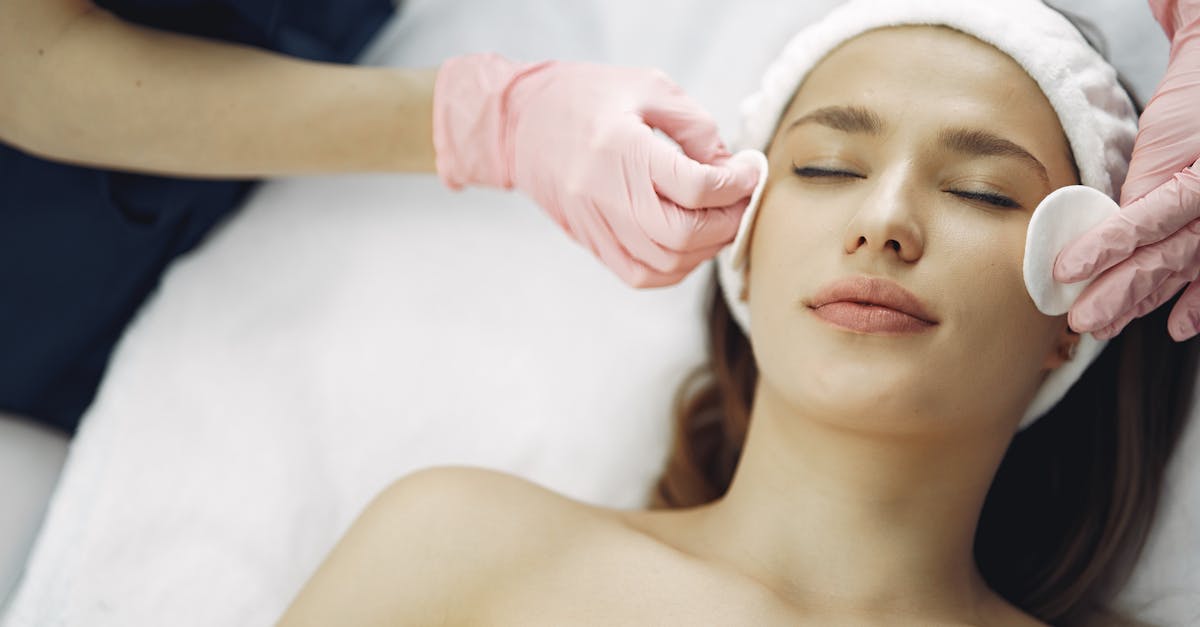
Introduction: The Connection Between Skin Care and Hair Health in Your 30s
Your 30s bring changes. Hair loss becomes more common. But did you know your skin care routine can help? Healthy skin supports healthy hair. The scalp is skin too. A targeted routine can address both.
This article explains how to adapt your skin care for hair loss. We cover causes, steps, ingredients, and lifestyle. Follow this guide for a holistic approach.
Understanding Hair Loss in Your 30s: Causes and Skin Care Connections
Hair loss in your 30s has many causes. Genetics play a role. Hormonal shifts occur. Stress and diet matter. But skin care connects to it all.
Hormonal Changes and Their Impact on Hair and Skin
In your 30s, hormones fluctuate. Androgens like DHT can shrink hair follicles. This leads to thinning. Skin also changes. Oil production may decrease. Collagen production slows. Your skin care routine must adapt.
Scalp Health as an Extension of Skin Care
Your scalp is skin. It needs care. A healthy scalp supports hair growth. Inflammation, dryness, or buildup can hinder follicles. Treat your scalp like your face. Cleanse, exfoliate, and moisturize.
Essential Steps in a 30s Skin Care Routine for Hair Loss
Follow these steps. They target both face and scalp. Consistency is key.
Step 1: Gentle Cleansing for Scalp and Face
Use a mild cleanser. Avoid sulfates. They strip natural oils. For scalp, use a gentle shampoo. Wash 2-3 times per week. Over-washing can irritate.
Step 2: Exfoliation to Promote Circulation
Exfoliate weekly. Use a scalp scrub or soft brush. This removes dead skin and product buildup. It boosts blood flow. Better circulation nourishes follicles.
Step 3: Targeted Treatments (Serums and Topicals)
Apply treatments after cleansing. Look for ingredients like minoxidil or peptides. Use on scalp and hairline. Follow instructions. Be patient. Results take months.
Step 4: Moisturizing and Nourishing
Hydrate skin and scalp. Use a lightweight moisturizer for face. For scalp, consider a leave-in conditioner or oil. Ingredients like hyaluronic acid help. Avoid heavy products that clog pores.
Step 5: Sun Protection for Scalp and Skin
Sun damage affects hair. Use SPF 30+ on face and scalp. Wear hats or use UV-protectant sprays. This prevents photoaging and follicle damage.
Key Ingredients to Look For
Choose products with proven ingredients. Avoid fads.
Minoxidil and Other FDA-Approved Options
Minoxidil is FDA-approved for hair loss. It stimulates follicles. Available over-the-counter. Use as directed. Other options include finasteride (prescription). Consult a doctor.
Natural Ingredients: Saw Palmetto, Caffeine, and Biotin
Saw palmetto may block DHT. Caffeine can stimulate follicles. Biotin supports keratin production. Evidence is mixed. They are safe as supplements.
Antioxidants and Anti-Inflammatories
Vitamin C, E, and green tea protect against oxidative stress. Niacinamide reduces inflammation. These support a healthy scalp environment.
Lifestyle Factors That Complement Your Routine
Skin care alone isn’t enough. Combine with healthy habits.
Diet and Supplements for Hair Growth
Eat protein-rich foods. Hair is made of keratin. Include iron, zinc, and omega-3s. Consider supplements like vitamin D or iron if deficient. Consult a doctor first.
Stress Management and Sleep
Chronic stress raises cortisol. This can trigger hair loss. Practice relaxation techniques. Aim for 7-9 hours of sleep. Sleep is when repair happens.
Sample 30s Skin Care Routine for Hair Loss (Morning and Evening)
Morning:
- Cleanse face and scalp with gentle cleanser.
- Apply vitamin C serum to face.
- Use minoxidil on scalp.
- Moisturize face.
- Apply SPF 30+ to face and scalp.
Evening:
- Double cleanse if wearing makeup.
- Exfoliate scalp once a week.
- Apply peptide serum to face.
- Use minoxidil again.
- Moisturize face and scalp.
When to See a Dermatologist or Trichologist
See a professional if:
- Hair loss is sudden or patchy.
- You notice redness, scaling, or pain.
- Over-the-counter treatments don’t work after 6 months.
- You have a family history of autoimmune conditions.
A dermatologist can diagnose causes. They may prescribe stronger treatments.
Conclusion
You May Also Like
Explore more articles in our Beauty collection:
- Best K-Beauty Moisturizer for Large Pores
- Best K-Beauty Sunscreen for Dark Circles
- Best K-Beauty Sunscreen for Large Pores: Consistency is Key
Your 30s are a time for proactive care. A skin care routine for hair loss can help. Focus on scalp health. Use proven ingredients. Support with lifestyle changes. Be patient. Results take time. Stick with it.
Key Takeaways
- Treat your scalp as part of your skin care routine.
- Use gentle cleansing, exfoliation, and targeted treatments.
- Include minoxidil and antioxidants.
- Manage stress, sleep, and diet.
- See a dermatologist if needed.
- Consistency is essential for results.
Frequently Asked Questions
Can a skin care routine really help with hair loss?
Yes, a healthy scalp supports hair growth. Proper cleansing, exfoliation, and treatments can improve follicle health.
How often should I exfoliate my scalp?
Once a week is sufficient. Over-exfoliation can cause irritation.
Is minoxidil safe to use in my 30s?
Minoxidil is FDA-approved for adults. Consult a doctor before starting, especially if you have medical conditions.
What foods help with hair loss?
Protein-rich foods, iron, zinc, and omega-3s support hair health. Examples: eggs, spinach, salmon, and nuts.
When should I see a dermatologist for hair loss?
If hair loss is sudden, patchy, or accompanied by scalp symptoms. Also if OTC treatments fail after 6 months.
Related Tools
Try these free calculators and quizzes to personalize your routine:
References
- Hair Loss: Who Gets and Causes — American Academy of Dermatology (accessed 2026-06-11)
- Scalp Health and Hair Loss — PubMed (accessed 2026-06-11)
- Minoxidil: Topical Solution — Mayo Clinic (accessed 2026-06-11)
- Diet and Hair Loss: Effects of Nutrients — PubMed (accessed 2026-06-11)