
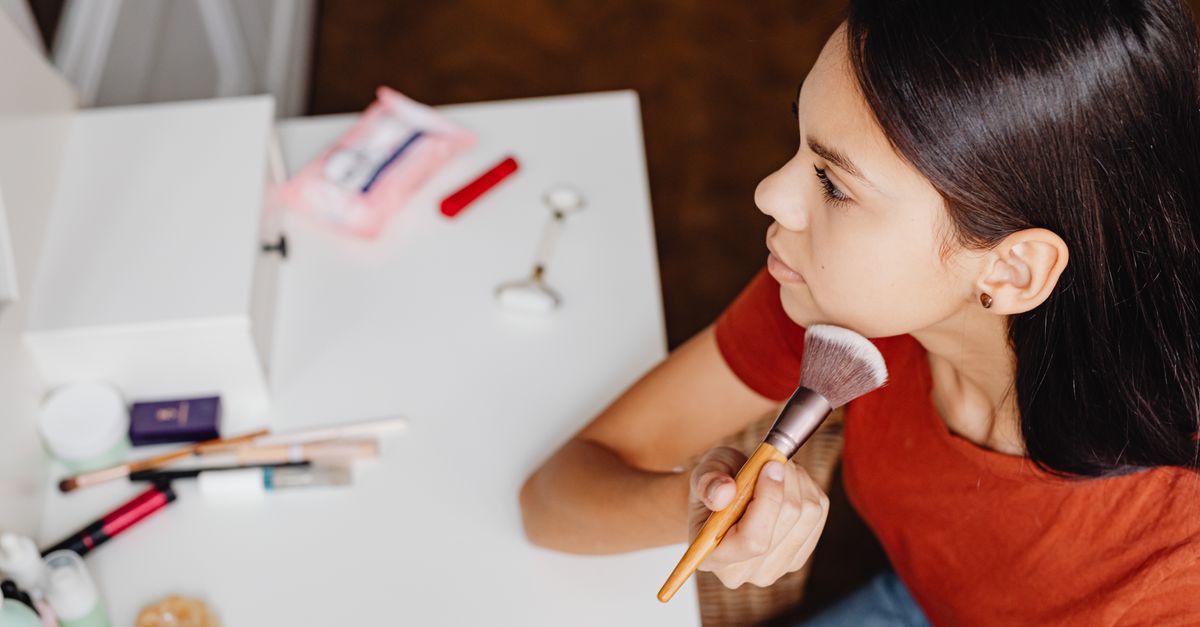
Understanding Whiteheads and Why K-Beauty Cleansers Excel
Whiteheads are a type of acne. They form when pores get clogged with oil and dead skin cells. The pore opening is closed, so the clog appears white or flesh-colored.
K-beauty cleansers are excellent for whiteheads. They focus on gentle, effective cleansing. K-beauty emphasizes hydration and barrier protection. This prevents irritation that can worsen acne.
Many K-beauty cleansers use low pH formulas. A low pH (around 5.5) matches skin’s natural pH. This keeps the skin barrier healthy. A healthy barrier reduces acne.
K-beauty also uses innovative ingredients. These include BHA, salicylic acid, and volcanic ash. They target whiteheads without stripping skin.
Key Ingredients to Look for in a K-Beauty Cleanser for Whiteheads
- Salicylic Acid (BHA): Oil-soluble. It penetrates pores and dissolves clogs. Helps prevent whiteheads.
- Tea Tree Oil: Antibacterial and anti-inflammatory. Reduces acne-causing bacteria.
- Centella Asiatica: Soothes irritation. Supports healing.
- Volcanic Ash or Clay: Absorbs excess oil. Deeply cleanses pores.
- Hyaluronic Acid: Hydrates without clogging pores. Keeps skin balanced.
- Niacinamide: Regulates oil production. Minimizes pore appearance.
- Low pH: Gentle on skin. Maintains microbiome.
Avoid harsh sulfates (SLS) and high alcohol content. They can strip skin and worsen whiteheads.
Top 5 Best K-Beauty Cleansers for Whiteheads
1. COSRX Low pH Good Morning Gel Cleanser
- Key Ingredients: Tea tree oil, BHA (betaine salicylate), low pH (5.0-6.0)
- Benefits: Gentle daily cleanser. Removes excess oil. Soothes with tea tree. BHA exfoliates pores.
- Best For: Oily, acne-prone skin. Sensitive skin may tolerate it.
- How to Use: Use morning and night. Lather in hands. Massage on wet face. Rinse well.
2. Innisfree Jeju Volcanic Pore Cleansing Foam
- Key Ingredients: Jeju volcanic ash, salicylic acid, green tea
- Benefits: Deeply cleans pores. Absorbs sebum. Exfoliates gently. Green tea soothes.
- Best For: Oily skin with visible pores. Not for dry or sensitive skin.
- How to Use: Use 2-3 times a week. Avoid daily use to prevent dryness.
3. Sulwhasoo Gentle Cleansing Foam
- Key Ingredients: Herbal extracts (white ginseng, honey), low pH, no harsh surfactants
- Benefits: Very gentle. Maintains moisture. Herbal ingredients calm inflammation.
- Best For: Dry, sensitive, or mature skin with whiteheads. Mild exfoliation.
- How to Use: Use daily. Pump small amount. Lather with water. Rinse.
4. Laneige Water Bank Gel Cleanser
- Key Ingredients: Hydro Ionized Mineral Water, squalane, green tea
- Benefits: Hydrating gel texture. Removes impurities without stripping. Squalane supports barrier.
- Best For: Normal to combination skin. Provides hydration while cleansing.
- How to Use: Use daily. Apply to damp skin. Massage gently. Rinse.
5. Missha Super Aqua Ultra Hyalron Cleanser
- Key Ingredients: Hyaluronic acid, ceramides, low pH
- Benefits: Intense hydration. Ceramides repair barrier. Gentle enough for sensitive skin.
- Best For: Dehydrated skin with whiteheads. Balances oil and moisture.
- How to Use: Use morning and night. Dispense a pea-sized amount. Lather. Rinse.
How to Use a K-Beauty Cleanser for Best Results
- Double Cleanse: Use an oil-based cleanser first to remove makeup and sunscreen. Then use a water-based cleanser. This prevents residue that clogs pores.
- Use Lukewarm Water: Hot water strips natural oils. Cold water doesn’t clean well.
- Massage Gently: Use fingertips in circular motions for 30-60 seconds. Don’t scrub.
- Rinse Thoroughly: Leftover cleanser can cause irritation.
- Pat Dry: Don’t rub with a towel. Pat to avoid irritation.
- Follow with Toner, Serum, Moisturizer: Complete your routine to maintain skin health.
- Exfoliate Separately: Use a BHA or AHA toner 2-3 times a week. Don’t over-exfoliate.
- Use Sunscreen Daily: Many acne treatments increase sun sensitivity. SPF 30+ is essential.
Frequently Asked Questions About K-Beauty Cleansers for Whiteheads
1. Can I use a K-beauty cleanser if I have sensitive skin? Yes, many K-beauty cleansers are formulated for sensitive skin. Look for low pH, fragrance-free, and soothing ingredients like centella. Patch test before full use.
2. How often should I exfoliate to prevent whiteheads? 2-3 times per week is enough. Over-exfoliation can damage the skin barrier and increase whiteheads. Use a gentle BHA or AHA product.
3. Do K-beauty cleansers work for hormonal whiteheads? They can help manage whiteheads, but hormonal acne often requires a comprehensive approach. Combine with a consistent skincare routine and consult a dermatologist if needed.
4. What is the difference between a gel cleanser and a foam cleanser? Gel cleansers are lightweight and often more hydrating. Foam cleansers produce a rich lather and can be more drying. Choose based on your skin type.
5. Can I use a K-beauty cleanser alone to treat whiteheads? A cleanser is a first step. For best results, use a full routine including toner, serum, and moisturizer with active ingredients like salicylic acid or niacinamide.
Key Takeaways
- Whiteheads form from clogged pores. K-beauty cleansers are gentle yet effective.
- Look for ingredients: salicylic acid, tea tree oil, volcanic ash, low pH.
- Top picks: COSRX Low pH Good Morning Gel Cleanser, Innisfree Jeju Volcanic Pore Cleansing Foam, Sulwhasoo Gentle Cleansing Foam, Laneige Water Bank Gel Cleanser, Missha Super Aqua Ultra Hyalron Cleanser.
- Use double cleansing, gentle techniques, and follow up with moisturizer and sunscreen.
- See a dermatologist if whiteheads persist or worsen. Prescription treatments may be needed.
- Avoid harsh products. Maintain a consistent routine.
When to See a Dermatologist: If over-the-counter products don’t improve whiteheads after 6-8 weeks, or if you have severe acne, see a board-certified dermatologist. They can prescribe stronger treatments like retinoids or antibiotics.
References
- Acne: Diagnosis and Treatment — American Academy of Dermatology (accessed 2026-06-11)
- Salicylic Acid for Acne — PubMed (accessed 2026-06-11)
- The Role of Skin Barrier in Acne — Mayo Clinic (accessed 2026-06-11)
- Tea Tree Oil for Acne — PubMed (accessed 2026-06-11)