
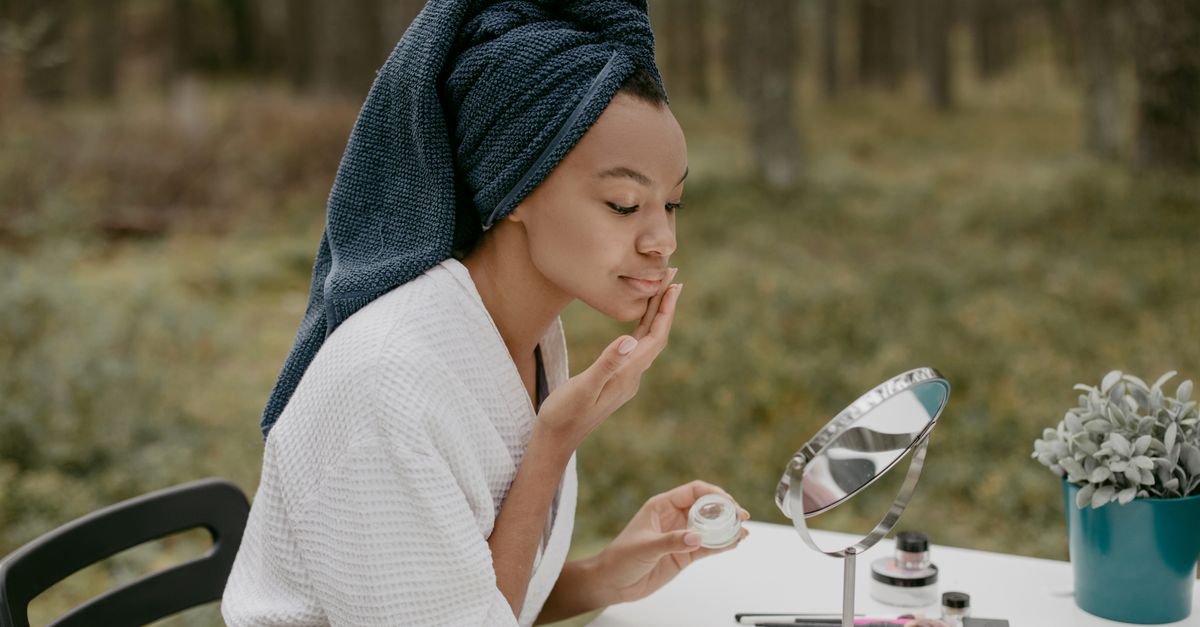
Uneven skin tone can be frustrating. Dark spots, redness, and dullness affect confidence. Vegan serums offer a cruelty-free solution. They use plant-based ingredients to brighten and even skin. This article covers why vegan serums work, key ingredients, top products, and how to use them.
Why Choose a Vegan Face Serum for Uneven Skin Tone?
Vegan serums are free from animal-derived ingredients. They are often formulated with gentle, natural compounds. Many people prefer vegan products for ethical reasons. But vegan serums also offer skin benefits.
- Plant-based actives like vitamin C and licorice root target pigmentation.
- No harsh chemicals means less irritation for sensitive skin.
- Eco-friendly production supports sustainability.
- Cruelty-free ensures no animal testing.
Uneven skin tone results from sun damage, acne scars, or hormonal changes. Vegan serums can help fade dark spots and even out complexion. They are suitable for all skin types, including sensitive.
Key Ingredients to Look For in a Vegan Serum
Not all vegan serums are equal. Look for these proven ingredients.
Vitamin C
Vitamin C is a powerful antioxidant. It inhibits melanin production. This helps fade dark spots and prevents new ones. It also boosts collagen for firmer skin. Look for L-ascorbic acid or sodium ascorbyl phosphate. Both are stable and effective.
- Benefits: Brightens, protects from UV damage, reduces hyperpigmentation.
- Tip: Use in the morning for antioxidant protection.
Niacinamide
Niacinamide is vitamin B3. It reduces inflammation and redness. It also regulates oil production. Studies show it lightens dark spots and improves skin texture.
- Benefits: Evens skin tone, minimizes pores, strengthens skin barrier.
- Tip: Pair with vitamin C for enhanced results.
Kojic Acid
Kojic acid comes from fungi. It inhibits tyrosinase, an enzyme needed for melanin production. It is effective for sun spots and melasma.
- Benefits: Fades hyperpigmentation, brightens skin.
- Caution: Can cause irritation in high concentrations. Start low.
Licorice Root Extract
Licorice root contains glabridin. This compound blocks melanin synthesis. It also has anti-inflammatory properties. It is gentle and suitable for sensitive skin.
- Benefits: Soothes redness, evens skin tone, antioxidant.
- Tip: Look for serums with licorice root as a primary ingredient.
Top 5 Best Vegan Face Serums for Uneven Skin Tone
Here are five vegan serums that target uneven skin tone. We chose them based on ingredients, reviews, and brand ethics.
1. Product A
Product A features 15% vitamin C and vitamin E. It also contains ferulic acid for stability. Users report significant brightening in 4 weeks.
- Key Ingredients: L-ascorbic acid, ferulic acid, vitamin E.
- Skin Types: All, including sensitive.
- Price: $$.
2. Product B
Product B uses 10% niacinamide and licorice root extract. It also has hyaluronic acid for hydration. It is fragrance-free and gentle.
- Key Ingredients: Niacinamide, licorice root, hyaluronic acid.
- Skin Types: Oily, combination, sensitive.
- Price: $.
3. Product C
Product C combines kojic acid and arbutin. Both are brightening agents. It also contains green tea extract for antioxidants.
- Key Ingredients: Kojic acid, arbutin, green tea.
- Skin Types: Normal to dry.
- Price: $$.
4. Product D
Product D is a multi-vitamin serum. It has vitamin C, niacinamide, and vitamin B5. It is lightweight and absorbs quickly.
- Key Ingredients: Vitamin C, niacinamide, panthenol.
- Skin Types: All.
- Price: $$.
5. Product E
Product E uses licorice root and vitamin C derivatives. It is packed with antioxidants. It also has peptides for anti-aging.
- Key Ingredients: Licorice root, ascorbyl glucoside, peptides.
- Skin Types: Mature, dull skin.
- Price: $$$.
How to Incorporate a Vegan Serum into Your Skincare Routine
Follow these steps for best results.
- Cleanse your face with a gentle cleanser.
- Tone if desired (optional).
- Apply serum to damp skin. Use a few drops and press gently.
- Moisturize to lock in hydration.
- Use sunscreen in the morning. Vitamin C and other actives increase sun sensitivity.
- Morning routine: Cleanse, vitamin C serum, moisturizer, SPF 30+.
- Evening routine: Cleanse, niacinamide or kojic acid serum, moisturizer.
Patch test before full use. Apply a small amount on your inner arm. Wait 24 hours. If no reaction, use on face.
Start slowly. Use serum every other day. Increase to daily as skin adjusts.
See a dermatologist if you have severe hyperpigmentation or melasma. They can prescribe stronger treatments.
Frequently Asked Questions About Vegan Serums for Uneven Skin Tone
1. Are vegan serums better for sensitive skin?
Yes, many vegan serums use gentle plant extracts. They avoid common irritants like animal-derived ingredients. However, always check the ingredient list. Some plant oils can cause allergies.
2. How long does it take to see results?
Results vary. Most people see improvement in 4-8 weeks. Consistent use is key. Sun protection is crucial to prevent new spots.
3. Can I use a vegan serum with retinol?
Yes, but use them at different times. Use vitamin C in the morning and retinol at night. Niacinamide can be used with retinol. Start with lower concentrations to avoid irritation.
4. Do vegan serums expire faster?
Some do, because they lack synthetic preservatives. Check the expiration date. Store in a cool, dark place. Use within 6-12 months of opening.
5. What if I have acne-prone skin?
Many vegan serums are non-comedogenic. Niacinamide and vitamin C help with acne. Avoid heavy oils. Look for “oil-free” or “non-comedogenic” labels.
Key Takeaways
- Vegan serums use plant-based ingredients to even skin tone.
- Key ingredients: vitamin C, niacinamide, kojic acid, licorice root.
- Choose serums based on your skin type and concerns.
- Apply serum after cleansing, before moisturizer.
- Always use sunscreen during the day.
- Patch test new products. See a dermatologist for persistent issues.
Vegan serums offer a compassionate and effective way to achieve radiant skin. With consistent use and sun protection, you can reduce uneven pigmentation and boost confidence.
References
- Vitamin C in Dermatology — PubMed (accessed 2026-06-11)
- Niacinamide: A Review of Its Dermatologic Uses — PubMed (accessed 2026-06-11)
- Kojic Acid for Hyperpigmentation — American Academy of Dermatology (accessed 2026-06-11)
- Licorice Extract in Skincare — Mayo Clinic (accessed 2026-06-11)