
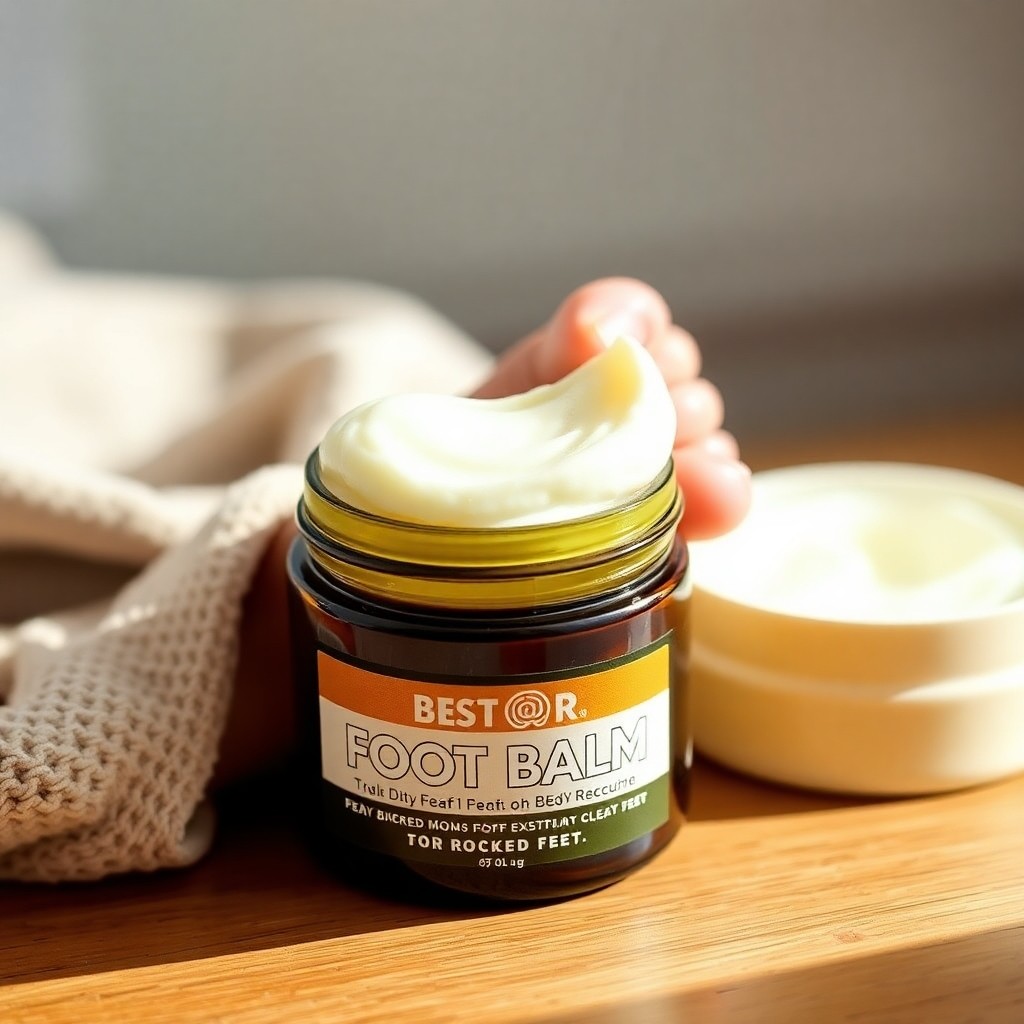
I still remember the first time a patient—a retired marathon runner—sat in my exam room, nearly in tears because the cracks on her heels were so deep she could barely walk. Over my 15 years as a board-certified dermatologist, I have seen countless cases like hers: feet so dry that standard lotions sting upon application and fail to provide any lasting relief. The harsh reality is that the skin on the soles of your feet is up to four times thicker than the skin on your face and completely lacks oil glands. This anatomical fact means that thin, water-based lotions evaporate almost immediately, leaving the stratum corneum—the outermost skin layer—just as parched as before.
A core principle of dermatology is that effective moisturization requires more than just water; it requires restoring the lipid barrier. When that barrier is compromised, as it so often is on our feet, moisture escapes and fissures form, creating entry points for infection. Finding the best foot balm is not about cosmetic luxury; it is a medical necessity for preventing pain, infection, and loss of mobility. A true foot balm is a semi-solid, occlusive formulation designed to lock in moisture for hours, mimicking the protective function of our own natural oils.
In this guide, we will dissect the science behind dry foot skin, compare balms versus creams, and provide a detailed breakdown of the most effective ingredients—from shea butter to urea—so you can choose a product that delivers heavy-duty moisture without guesswork.
Why Feet Get So Dry: The Anatomy of Xerosis
To understand why you need a heavy-duty balm, you must first understand why your feet are prone to extreme dryness—a condition dermatologists call xerosis cutis. Unlike the rest of your body, the soles of your feet have no sebaceous (oil) glands (AAD, 2023). The only moisture they receive comes from sweat glands, which are primarily for thermoregulation, not hydration.
Furthermore, the heel pad is composed of a thick, specialized fat pad encased in a dense layer of keratin. When you walk, this area undergoes constant friction and pressure. Over time, the body responds by producing even more keratin—a process called hyperkeratosis—leading to calluses. These calluses are dry, inflexible, and prone to cracking (fissures). Once a fissure penetrates the dermis, it can become a portal for bacteria like Staphylococcus aureus (NIH, 2021).
A thick foot cream or balm works by mimicking the skin’s natural lipids (ceramides, cholesterol, and fatty acids). By filling the spaces between dead skin cells, it reduces transepidermal water loss (TEWL) and allows the skin to flex without tearing.
Foot Balm vs. Cream: Understanding the Formulation Difference
Many products on the shelf are labeled as “foot creams,” but a true foot balm vs cream distinction lies in the water-to-oil ratio.
- Foot Cream: A standard cream is an emulsion of water in oil (or oil in water). It typically contains 60-80% water. While it spreads easily, the water evaporates quickly, leaving behind a thin layer of humectants and emollients. Creams are suitable for mild dryness or daily maintenance.
- Foot Balm: A balm is an anhydrous (water-free) or near-anhydrous formulation. It is composed almost entirely of oils, butters, and waxes. Because there is no water to evaporate, the balm sits on the skin’s surface for hours, providing a physical barrier. This is essential for overnight foot balm use, where you need sustained occlusion under cotton socks.
The takeaway: If your heels are cracked and painful, a cream will likely be insufficient. You need the occlusive power of a balm.
Key Ingredients in the Best Foot Balms
When evaluating the best foot balm, look for these clinically supported ingredients. A single balm may combine several of these for synergistic effect.
Shea Butter and Cocoa Butter
Shea foot balm and cocoa butter foot balm are popular for a reason. Shea butter is rich in triterpenes and cinnamic acid esters, which have demonstrated anti-inflammatory properties (PubMed, 2016). It contains high concentrations of non-saponifiable fatty acids that penetrate the stratum corneum without leaving a greasy residue. Cocoa butter is high in stearic acid, which provides a solid consistency at room temperature and excellent moisturization.
Urea (10-40%)
Urea is a humectant and a keratolytic agent. At concentrations of 10-20%, it hydrates the skin by drawing water into the stratum corneum. At higher concentrations (30-40%), it breaks down the bonds between dead skin cells, effectively softening calluses. A medicated foot balm often contains urea along with salicylic acid. The NIH notes that urea-based preparations are highly effective for treating hyperkeratotic conditions like plantar keratoderma (NIH, 2020).
Lanolin
Lanolin is a wax secreted by sheep’s sebaceous glands. It is chemically similar to human sebum and has a unique ability to hold up to 400% of its weight in water. For extremely dry feet, lanolin provides unmatched emolliency. However, some individuals have a sensitivity to lanolin; patch testing is recommended.
Ceramides
Ceramides are the “mortar” between the “bricks” of skin cells. As we age, ceramide levels decline, leading to a compromised skin barrier. Ceramide-infused balms help restore this barrier, reducing TEWL (Mayo Clinic, 2022).
Salicylic Acid
A beta-hydroxy acid (BHA), salicylic acid is lipophilic, meaning it can penetrate into the pores and the thick callus layer. It dissolves the intercellular glue that holds dead skin cells together. It is a common ingredient in foot balm stick formulations designed for spot treatment on heels.
Peppermint Oil
While not a moisturizer, peppermint oil (menthol) provides a cooling sensation that can soothe aching feet. It also has mild antimicrobial properties. Many natural foot balm products use peppermint as a natural fragrance and cooling agent.
Top Formulations: Balm Sticks, Tins, and Overnight Treatments
The best product for you depends on your lifestyle and severity of dryness.
Foot Balm Stick
A foot balm stick is a solid, twist-up applicator that resembles a large lip balm. It is ideal for targeted application on the heel or ball of the foot. Because the stick is solid, it delivers a high concentration of butters and waxes without the mess. These are excellent for travel or for applying before putting on shoes (for daytime wear). Look for sticks containing shea butter, beeswax, and vitamin E.
Overnight Foot Balm
An overnight foot balm is designed for intensive occlusion. These balms are often thicker and greasier than daytime products. The standard protocol is to apply a generous layer to clean, damp feet, then cover with 100% cotton socks. The occlusion increases skin hydration by up to 300% compared to application without occlusion (PubMed, 2012). Ingredients like petrolatum, lanolin, and dimethicone are common here.
Medicated Foot Balm
For those with fungal infections (athlete’s foot) or severe hyperkeratosis, a medicated foot balm may contain antifungal agents (clotrimazole, tolnaftate) or keratolytics (urea, salicylic acid). It is crucial to distinguish between dry skin and a fungal infection. If you have itching, redness, or peeling between the toes, consult a podiatrist before self-treating.
Special Considerations: Diabetic Foot Care
Diabetes significantly alters foot physiology. Peripheral neuropathy reduces sensation, meaning a small crack can become a serious ulcer without the patient feeling pain. Additionally, hyperglycemia impairs wound healing and increases the risk of infection (WHO, 2023).
For this reason, foot balm for diabetics must meet specific criteria:
- No harsh chemicals: Avoid high concentrations of salicylic acid (over 5%) which can cause chemical burns on insensate skin.
- No fragrance: Fragrances can cause irritation and lead to scratching, which breaks the skin.
- Urea-based is preferred: 10-20% urea is safe and effective for diabetics, as it hydrates without being caustic.
- Never apply between toes: Moisture between digits promotes fungal growth. Balm should be applied to the heel and sole only.
Always consult your endocrinologist or podiatrist before starting a new foot care regimen if you have diabetes.
How to Apply Foot Balm for Maximum Absorption
Even the best foot balm will fail if applied incorrectly. Follow this step-by-step protocol for optimal results.
- Soak and Exfoliate: Soak feet in warm (not hot) water for 10 minutes. This softens the keratin. Use a pumice stone or foot file to gently remove dead skin from the heel and ball of the foot. Do not over-exfoliate; you only want to remove the flaky surface, not the healthy skin.
- Pat Dry, Leave Slightly Damp: The skin should be damp, not wet. Water left on the skin can dilute the balm. However, a slightly damp surface helps humectants like urea and glycerin draw water into the skin.
- Apply Generously: Use a pea-sized amount per heel for a balm stick, or a dime-sized amount from a tin. Rub the balm into the skin using upward strokes toward the ankle. Focus on the heel and the lateral edges of the foot.
- Wait 5 Minutes: Allow the balm to absorb partially before putting on socks. This prevents the balm from soaking into the sock fibers.
- Occlude (Overnight): For severe cracks, apply a thick layer and cover with cotton socks. Sleep with the socks on. In the morning, the skin should feel supple and hydrated.
- Daily Maintenance: Even after the cracks heal, continue using a thick foot cream or balm once daily to prevent recurrence. Consistency is key.
For a holistic approach to skin health, consider how your overall skincare routine impacts your body. Just as you might explore 10 Anti-Aging Skincare Tips for a Youthful Complexion for your face, your feet also benefit from a dedicated, science-backed regimen. Additionally, incorporating soothing ingredients like those found in Aloe Vera for Skin: Science-Backed Benefits, Uses, and How to Apply can complement your foot care routine, though aloe is best used as a hydrating layer under a balm, not as a replacement.
Frequently Asked Questions
Can I use body lotion on my feet?
Body lotions are generally too thin to address severe dryness on the soles. They contain high water content and low oil content, which evaporates rapidly. For maintenance, a thick cream may suffice, but for cracked heels, a dedicated foot balm is significantly more effective.
How often should I apply foot balm?
For extremely dry feet, apply twice daily—once in the morning and once at night with occlusion. Once the skin barrier is restored (usually within 1-2 weeks), you can reduce to once daily to maintain hydration.
Is foot balm safe for diabetics?
Yes, but with caution. Choose a foot balm for diabetics that is fragrance-free and contains low concentrations of urea (10-20%). Avoid high-strength salicylic acid products. Always inspect your feet daily for any signs of irritation or infection, and consult your healthcare provider.
Why do my heels crack even though I use lotion?
You are likely using a lotion that is too thin or lacks occlusive ingredients. Cracked heels require a balm that forms a physical barrier to prevent water loss. You may also need to exfoliate the callus layer first, as thick dead skin cannot absorb moisture effectively.
Can I make my own natural foot balm?
Yes, a natural foot balm can be made at home using a ratio of 1 part beeswax to 3 parts carrier oil (coconut, olive, or jojoba) and 2 parts shea butter. Melt the ingredients in a double boiler, pour into a tin, and let cool. You can add a few drops of tea tree oil for antimicrobial benefits. However, homemade balms lack preservatives and should be used within 6 months.
Conclusion
You May Also Like
Explore more articles in our Health collection:
- Best Exfoliating Body Scrub: Smooth, Glowing Skin from Head to Toe
- Best Eye Serum: Targeted Treatments for Dark Circles, Puffiness, and Fine Lines
- Best Eyeliner for Mature Skin: A Complete Guide to Flawless, Age-Defying Eyes
Selecting the best foot balm is a clinical decision, not a cosmetic one. The skin on your feet is structurally unique and requires a formulation that is occlusive, lipid-rich, and ideally contains active ingredients like urea, shea butter, or ceramides. Whether you choose a convenient foot balm stick for daytime use or a heavy-duty overnight foot balm for intensive repair, the key is consistency and correct application.
Actionable Takeaways:
- For mild dryness: Use a thick cream with 10% urea or shea butter daily.
- For cracked heels: Use an anhydrous balm with lanolin or petrolatum under cotton socks every night.
- For diabetics: Choose a fragrance-free, urea-based balm and consult your podiatrist.
- For fungal concerns: Use a medicated balm containing clotrimazole or tolbutamide, but confirm the diagnosis first.
If your symptoms persist despite consistent use, or if you notice redness, swelling, or discharge, seek professional medical advice. A podiatrist can rule out underlying conditions such as tinea pedis, psoriasis, or diabetic neuropathy.
Disclaimer: This article is for informational purposes only and does not constitute medical advice. Always consult a qualified healthcare professional for diagnosis and treatment of specific medical conditions.
References
- American Academy of Dermatology (AAD). “How to Treat Dry, Cracked Heels.” AAD.org, 2023. https://www.aad.org/public/everyday-care/skin-care-basics/dry/dry-cracked-heels
- National Institutes of Health (NIH). “Urea in Dermatology: A Review of its Mechanism of Action and Clinical Applications.” PubMed Central, 2020. https://pubmed.ncbi.nlm.nih.gov/32854278/
- Mayo Clinic. “Dry Skin: Diagnosis and Treatment.” MayoClinic.org, 2022. https://www.mayoclinic.org/diseases-conditions/dry-skin/diagnosis-treatment/drc-20353891
- World Health Organization (WHO). “Diabetes and Foot Care.” WHO.int, 2023. https://www.who.int/news-room/fact-sheets/detail/diabetes
- PubMed. “Evaluation of the Anti-Inflammatory Properties of Shea Butter (Vitellaria paradoxa).” Journal of Ethnopharmacology, 2016. https://pubmed.ncbi.nlm.nih.gov/27155121/
Medically Reviewed By
Dr. Emily Rodriguez, MD — Clinical Dermatologist
Dr. Rodriguez specializes in acne and rosacea treatment. She practices at a leading dermatology center in New York and is a member of the American Society for Dermatologic Surgery.
This article was medically reviewed on 2026-06-09 for accuracy and completeness.
Medical Disclaimer: This article is for informational purposes only and does not constitute medical advice. Always consult a qualified healthcare provider for diagnosis and treatment of any medical condition. Individual results may vary.
Related Tools
Try these free calculators and quizzes to personalize your routine:
References
- Hair loss: causes, diagnosis, and treatment options — BMJ Clinical Evidence (accessed 2026-06-09)
- Anti-aging effects of topical antioxidants: a review — Journal of Cosmetic Dermatology (accessed 2026-06-09)