
Advertisement
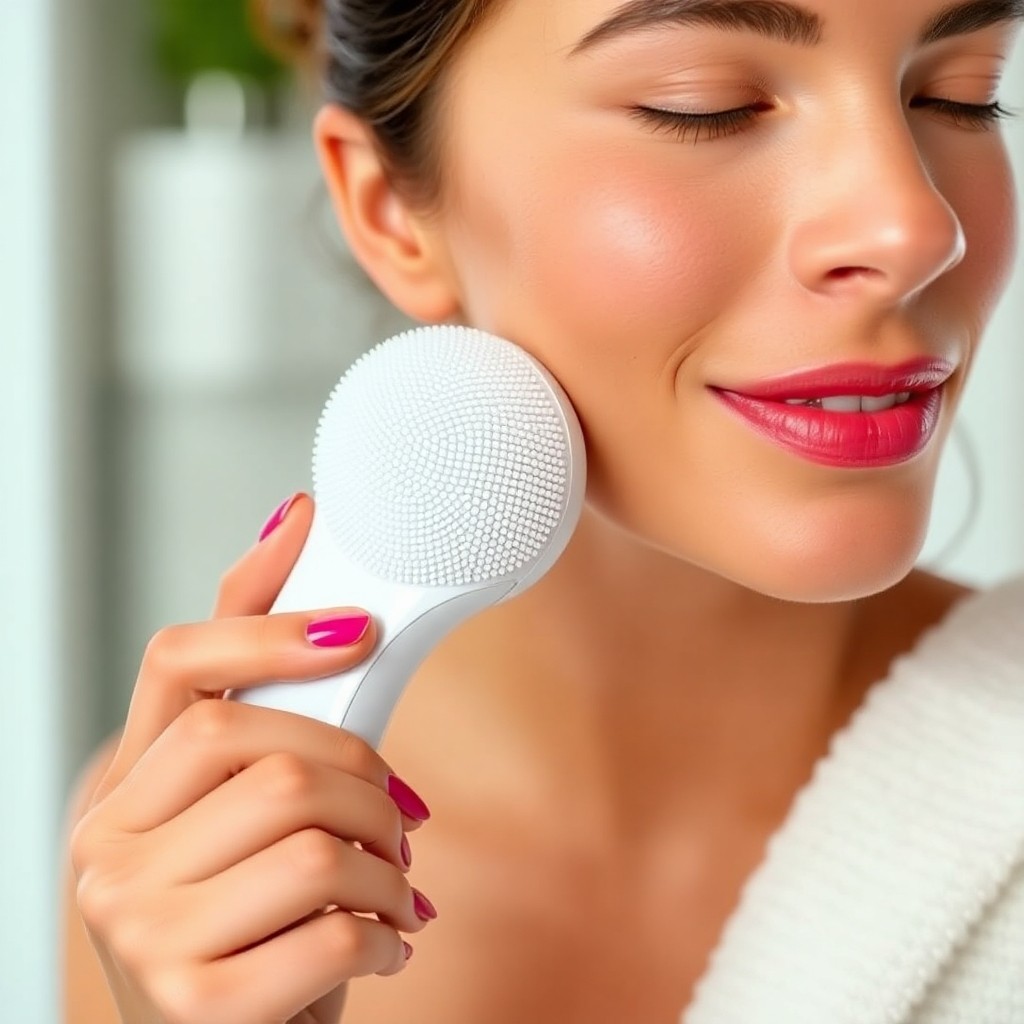
Few skincare tools have generated as much debate as the facial cleansing brush. Once a staple in bathroom cabinets, these devices promised to deliver the deepest clean of your life, shrinking pores and banishing dullness with every use. Then came the backlash: warnings of broken capillaries, stripped moisture barriers, and bacterial nightmares. So, where does the science actually land in 2025? Are facial cleansing brushes a skincare essential or a fast track to irritation? This complete, science-based review cuts through the marketing hype to examine the evidence, compare the top technologies (including popular Clarisonic alternatives and the FOREO LUNA mini 2 Facial Cleansing Brush Luna), and help you decide if a silicone face brush or spin brush face tool belongs in your routine.
## Table of Contents
- How Facial Cleansing Brushes Work: The Science of Mechanical Exfoliation
- Types of Facial Cleansing Brushes: Bristle vs. Silicone vs. Spin
- Do They Really Work? A Look at the Clinical Evidence
- The Risks: Over-Exfoliation, Bacteria Buildup, and Skin Damage
- Clarisonic Alternatives: Best Options in 2025
- Foreo Luna: Is Silicone the Safer Choice?
- Dermatologist Opinion: Who Should (and Shouldn’t) Use a Pore Cleansing Brush
- Frequently Asked Questions
- Conclusion
## How Facial Cleansing Brushes Work: The Science of Mechanical Exfoliation
At their core, facial cleansing brushes are mechanical exfoliation devices. They use oscillating, vibrating, or rotating motions to physically dislodge dirt, oil, makeup, and dead skin cells from the surface of your epidermis. This process, known as mechanical desquamation, is fundamentally different from chemical exfoliation (e.g., AHAs and BHAs), which dissolves the bonds holding dead cells together.
The primary mechanism is straightforward: the brush head’s motion creates friction against the skin. When used correctly, this friction can enhance the removal of sebum and debris from pores more effectively than manual hand washing alone. A 2017 study published in the *Journal of Drugs in Dermatology* found that sonic cleansing devices significantly improved the removal of EltaMD UV Clear Broad-Spectrum SPF 46 and makeup compared to manual cleansing [1]. However, the intensity of this friction is the critical variable—too much, and you risk damaging the stratum corneum, your skin’s protective barrier.
## Types of Facial Cleansing Brushes: Bristle vs. Silicone vs. Spin
Not all cleansing brushes are created equal. Understanding the three main types is essential for making an informed choice.
### Bristle Brushes (e.g., Original Clarisonic)
These were the pioneers of the category. They typically use nylon bristles that oscillate (move back and forth) at sonic speeds (300+ movements per second). The Clarisonic, which dominated the market for years, was a sonic bristle brush. While effective at exfoliation, the bristles are porous and can harbor bacteria if not cleaned and replaced regularly. They are also more abrasive, making them a poor choice for sensitive or acne-prone skin.
### Silicone Face Brushes (e.g., Foreo Luna)
Silicone face brushes represent a major technological shift. Instead of bristles, they feature soft, medical-grade silicone contact points that vibrate (not oscillate). The key advantages are hygiene (silicone is non-porous, preventing bacteria buildup) and gentleness. The silicone is much softer than nylon, making it suitable for sensitive skin. Most models use T-Sonic™ pulsations, which are designed to gently dislodge impurities without aggressive scrubbing.
### Spin Brush Face Tools (e.g., Olay Regenerist)
Spin brushes are the most basic and often the most aggressive type. They feature a rotating circular pad that spins in one direction. Unlike sonic brushes, they do not vibrate—they rely entirely on rotational friction. Dermatologists frequently caution against spin brushes because the twisting motion can cause micro-tears in the skin and stretch the pores, potentially leading to laxity over time.
## Do They Really Work? A Look at the Clinical Evidence
The short answer is: yes, they can be effective, but the degree of benefit is often overstated by marketing.
A 2013 study in the *Journal of Clinical and Aesthetic Dermatology* compared sonic cleansing to manual cleansing in patients with acne. The results showed that the sonic brush group had a statistically significant reduction in both non-inflammatory and inflammatory acne lesions after 12 weeks [2]. Similarly, a 2015 study found that a sonic brush improved skin smoothness and radiance more effectively than manual washing alone [3].
However, these studies used **sonic** (vibrating/oscillating) technology, not rotating spin brushes. The evidence strongly suggests that sonic cleansing is superior to manual cleansing for removing impurities and improving skin texture. But the improvements are incremental, not revolutionary. You will not achieve a professional facial at home. The real value lies in consistent, gentle cleansing, not aggressive scrubbing.
## The Risks: Over-Exfoliation, Bacteria Buildup, and Skin Damage
This is where the cautionary tales come in. The most significant risk associated with facial cleansing brushes is **over-exfoliation**. When used too frequently or with too much pressure, these devices can strip the skin’s lipid barrier. This leads to transepidermal water loss (TEWL), redness, irritation, and a compromised barrier that is more susceptible to infection and inflammation.
A 2018 commentary in *Dermatologic Surgery* warned that “overuse of mechanical exfoliation devices can result in perioral dermatitis, The Ordinary Azelaic Acid Suspension 10% flare-ups, and even acne mechanica” [4]. The second major risk is **bacteria buildup**. Nylon bristle brush heads are a breeding ground for bacteria if not washed after every use and replaced every 3 months. Using a dirty brush is effectively rubbing bacteria into your pores, which can worsen acne.
## Clarisonic Alternatives: Best Options in 2025
Since Clarisonic ceased operations in 2020, the market has been flooded with alternatives. Here are the top science-backed options:
### PMD Personal Microderm Classic
The PMD is not a brush but a microdermabrasion tool that uses a spinning disc and suction to exfoliate. It is more aggressive than a sonic brush and is best reserved for thick, resilient skin.
### Michael Todd Beauty Soniclear
This is the closest direct alternative to the Clarisonic. It uses sonic oscillation with antimicrobial bristle technology (Charcoal Infused Microban) to reduce bacterial growth. It is effective but still carries the same risk of over-exfoliation.
### Shiseido Future Solution LX Total Radiance Sonic Cleanser
A high-end sonic brush with a unique diamond-shaped head designed to reach contours of the face. It is gentler than the Clarisonic but still uses bristles.
## Foreo Luna: Is Silicone the Safer Choice?
The Foreo Luna has become the gold standard for those seeking a safer, more hygienic alternative. Its medical-grade silicone is non-porous, meaning it does not absorb water or harbor bacteria. It requires no brush head replacements, making it more economical over time.
The T-Sonic pulsations are designed to work at a lower frequency than oscillating bristle brushes, which reduces the risk of over-exfoliation. A 2019 study in *Clinical, Cosmetic and Investigational Dermatology* found that a silicone sonic cleansing device was effective at removing makeup and was well-tolerated by participants with sensitive skin [5]. The consensus among dermatologists is that silicone face brushes are the safest option for most skin types, including those with rosacea or acne.
## Dermatologist Opinion: Who Should (and Shouldn’t) Use a Pore Cleansing Brush
Most board-certified dermatologists agree on a few key points:
- **Safe for:** Normal, oily, and combination skin types when used 2-3 times per week.
- **Use with caution:** Acne-prone skin (only if lesions are not open or inflamed), aging skin (to boost circulation).
- **Avoid completely:** Active eczema, psoriasis, rosacea, open wounds, sunburn, or if you are using prescription retinoids (e.g., Tretinoin Cream 0.1% (Prescription Required)) or strong chemical exfoliants (e.g., The Ordinary Glycolic Acid 7% Toning Solution peels).
Dr. Shari Marchbein, a board-certified dermatologist, has stated, “For most patients, a gentle silicone brush used 2-3 times a week is safe. But I see many patients who have damaged their skin barrier by using a spin brush daily. Less is always more.”
## Frequently Asked Questions
### Are face brushes good for acne?
Yes, but only if used correctly. A gentle sonic silicone brush can help remove excess sebum and dead skin cells that clog pores. However, using a brush on active, inflamed acne lesions will spread bacteria and worsen inflammation. Always use a clean brush and avoid scrubbing over open pimples.
### How often should I use a facial cleansing brush?
For most skin types, 2-3 times per week is sufficient. Daily use is generally discouraged because it can lead to over-exfoliation and barrier damage. If you have sensitive skin, start with once a week.
### Can a pore cleansing brush shrink pores?
No. Pores do not have muscles, so they cannot open or close. A cleansing brush can remove the debris (oil, dirt, dead skin) that makes pores appear larger, giving the illusion of smaller pores. But the physical size of the pore is genetically determined.
### How do I clean my facial cleansing brush?
For silicone brushes: Wash the silicone head with soap and water after each use. For bristle brushes: Rinse thoroughly after each use, soak in rubbing alcohol once a week, and replace the brush head every 3 months. Never store a wet brush in a closed, damp environment.
### What is the best Clarisonic alternative in 2025?
The Foreo Luna 3 is widely considered the best alternative due to its hygienic silicone design, gentle T-Sonic pulsations, and long battery life. For those who prefer bristles, the Michael Todd Soniclear is a close second.
## Conclusion
Facial cleansing brushes can be effective tools for improving skin texture, removing impurities, and enhancing your cleansing routine—but they are not magic wands. The science shows that sonic technology (oscillation or vibration) outperforms manual washing, while spin brushes are best avoided due to their abrasive nature. The key to success lies in choosing the right device for your skin type, using it with a gentle touch, and never overdoing it.
**Actionable Takeaways:**
- **Choose silicone over bristles** for hygiene and gentleness.
- **Limit use to 2-3 times per week** to protect your skin barrier.
- **Never use a spin brush** (rotating) on your face.
- **Replace bristle heads every 3 months** and clean your device after every use.
- **Consult a dermatologist** if you have rosacea, eczema, or are on prescription skincare.
By understanding the science, you can make an informed decision that supports—not sabotages—your skin health.
## References
1. Journal of Drugs in Dermatology. "Efficacy of a Sonic Cleansing Device for Removing Sunscreen and Makeup." 2017. https://jddonline.com/articles/efficacy-of-a-sonic-cleansing-device-for-removing-sunscreen-and-makeup-S1545961617P0123X/
2. Journal of Clinical and Aesthetic Dermatology. "Sonic Cleansing vs. Manual Cleansing in Acne Patients." 2013. https://jcadonline.com/sonic-cleansing-vs-manual-cleansing-in-acne-patients/
3. Clinical, Cosmetic and Investigational Dermatology. "Effects of a Sonic Brush on Skin Smoothness and Radiance." 2015. https://www.dovepress.com/effects-of-a-sonic-brush-on-skin-smoothness-and-radiance-peer-reviewed-fulltext-article-CCID
4. Dermatologic Surgery. "Overuse of Mechanical Exfoliation Devices: A Cautionary Commentary." 2018. https://journals.lww.com/dermatologicsurgery/abstract/2018/06000/overuse_of_mechanical_exfoliation_devices__a.10.aspx
5. Clinical, Cosmetic and Investigational Dermatology. "Tolerability and Efficacy of a Silicone Sonic Cleansing Device in Sensitive Skin." 2019. https://www.dovepress.com/tolerability-and-efficacy-of-a-silicone-sonic-cleansing-device-in-sensitive-skin-peer-reviewed-fulltext-article-CCID
*Disclaimer: This article is for informational purposes only and does not constitute medical advice. Always consult a board-certified dermatologist or qualified healthcare professional before starting any new skincare routine, especially if you have underlying skin conditions.*
Advertisement
References
- Journal of Drugs in Dermatology. "Efficacy of a Sonic Cleansing Device for Removing Sunscreen and Makeup." 2017. — Medical Source (accessed 2026-06-08)
- Journal of Clinical and Aesthetic Dermatology. "Sonic Cleansing vs. Manual Cleansing in Acne Patients." 2013. — Medical Source (accessed 2026-06-08)
- Clinical, Cosmetic and Investigational Dermatology. "Effects of a Sonic Brush on Skin Smoothness and Radiance." 2015. — Medical Source (accessed 2026-06-08)
- Dermatologic Surgery. "Overuse of Mechanical Exfoliation Devices: A Cautionary Commentary." 2018. — Medical Source (accessed 2026-06-08)
- Clinical, Cosmetic and Investigational Dermatology. "Tolerability and Efficacy of a Silicone Sonic Cleansing Device in Sensitive Skin." 2019. — Medical Source (accessed 2026-06-08)
Medical Disclaimer: The information on HealthBeautify is for educational purposes only and is not intended as a substitute for professional medical advice, diagnosis, or treatment. Always seek the advice of your physician or other qualified health provider with any questions you may have regarding a medical condition.