
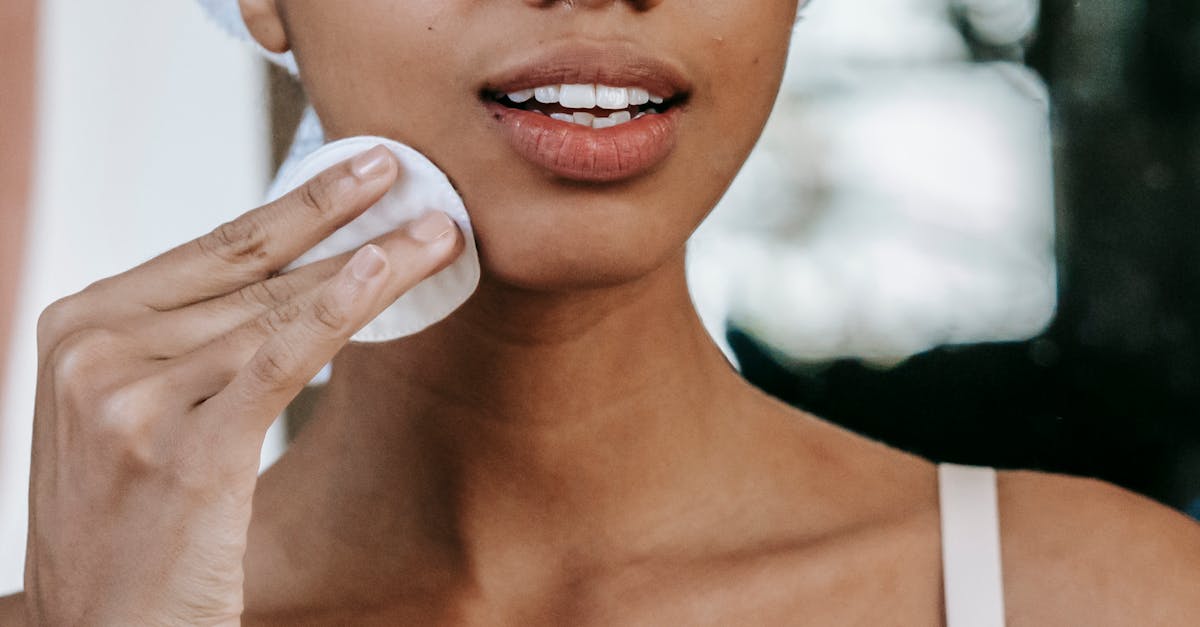
What Causes Uneven Skin Tone?
Uneven skin tone is a common concern. It includes dark spots, redness, and dullness. Several factors contribute to this condition:
- Sun exposure: UV rays trigger melanin overproduction, leading to sunspots.
- Hormonal changes: Melasma often occurs during pregnancy or with birth control use.
- Post-inflammatory hyperpigmentation (PIH): Acne, eczema, or injury can leave dark marks.
- Aging: Over time, skin cell turnover slows, causing uneven pigmentation.
- Environmental stressors: Pollution and blue light can worsen discoloration.
Understanding the cause helps you choose the right serum. Always protect your skin with sunscreen (SPF 30+) daily. Sunscreen prevents further damage and enhances serum results.
Key Ingredients to Look for in a Face Serum for Uneven Skin Tone
Effective serums contain active ingredients that target pigmentation. Here are the most evidence-backed options:
Vitamin C
Vitamin C (L-ascorbic acid) is a powerful antioxidant. It brightens skin and inhibits tyrosinase, an enzyme needed for melanin production. It also boosts collagen synthesis. Look for concentrations between 10-20%. For sensitive skin, start with lower strengths.
Niacinamide
Niacinamide (vitamin B3) reduces melanin transfer to skin cells. It improves skin barrier function and minimizes redness. Studies show 2-5% niacinamide effectively lightens dark spots. It pairs well with other ingredients.
Alpha Arbutin
Alpha arbutin is a natural derivative of hydroquinone. It gently inhibits melanin production. It is safer for long-term use than hydroquinone. Concentrations of 1-2% are common and effective.
Kojic Acid
Kojic acid comes from fungi. It chelates copper, blocking tyrosinase. It is effective for sunspots and melasma. Use 1-4% concentrations. It can cause irritation in high amounts.
Retinoids
Retinoids (retinol, tretinoin) speed up cell turnover. They fade dark spots and improve texture. Start with low strength (0.25-0.5% retinol) and use at night. Always pair with sunscreen, as retinoids increase sun sensitivity.
Top 5 Best Face Serums for Uneven Skin Tone in 2024
We evaluated serums based on ingredient quality, efficacy, and user reviews. Prices vary. Always patch test before full use.
1. SkinCeuticals C E Ferulic
This serum combines 15% pure vitamin C with vitamin E and ferulic acid. It provides antioxidant protection and brightens skin. It is clinically proven to improve signs of aging. Price: ~$166. Best for normal to dry skin.
2. La Roche-Posay Pure Vitamin C Face Serum
Contains 10% pure vitamin C and salicylic acid. It exfoliates and brightens. Suitable for sensitive skin. Price: ~$45. Good for oily or acne-prone skin.
3. Paula’s Choice 10% Niacinamide Booster
A concentrated booster with 10% niacinamide. It reduces pores and uneven tone. Can be mixed with moisturizer. Price: ~$44. Great for all skin types.
4. The Ordinary Alpha Arbutin 2% + HA
Affordable serum with 2% alpha arbutin and hyaluronic acid. It targets dark spots without irritation. Price: ~$10. Ideal for sensitive skin.
5. CeraVe Resurfacing Retinol Serum
Contains encapsulated retinol, niacinamide, and ceramides. It smooths texture and fades spots. Gentle enough for beginners. Price: ~$18. Good for combination skin.
How to Choose the Right Serum for Your Skin Type
Select a serum based on your skin type and concerns:
- Oily/Acne-prone: Look for niacinamide, salicylic acid, or retinol. Avoid heavy oils.
- Dry/Dehydrated: Choose serums with hyaluronic acid, vitamin C, or alpha arbutin. Moisturizing formulas help.
- Sensitive: Opt for gentle ingredients like niacinamide or alpha arbutin. Avoid high concentrations of acids or retinoids.
- Mature: Retinoids and vitamin C target both pigmentation and wrinkles.
- Dark skin (Fitzpatrick IV-VI): Be cautious with harsh ingredients that may cause PIH. Niacinamide and alpha arbutin are safer.
If you have melasma or persistent discoloration, consult a dermatologist. They may prescribe hydroquinone or recommend professional treatments.
How to Incorporate a Serum into Your Skincare Routine
Follow this order for best results:
- Cleanser: Wash face with a gentle cleanser.
- Toner (optional): Use a hydrating toner.
- Serum: Apply a few drops to damp skin. Pat gently.
- Moisturizer: Lock in hydration.
- Sunscreen (AM): Finish with SPF 30+ every morning.
Tips:
- Use vitamin C in the morning for antioxidant protection.
- Use retinoids at night, as they degrade in light.
- Wait 1-2 minutes between layers for absorption.
- Start new serums once a week to test tolerance.
- Do not mix retinoids with strong acids (e.g., glycolic acid) at the same time.
Frequently Asked Questions
Can I use multiple serums for uneven skin tone?
Yes, but avoid overloading. Use vitamin C in the AM and retinoid in the PM. Niacinamide can be used with either. Introduce one at a time.
How long does it take to see results?
Visible improvement typically takes 4-12 weeks. Consistency is key. Sunscreen accelerates results.
Are there side effects?
Possible irritation, redness, or peeling, especially with retinoids or high vitamin C. Start with lower concentrations and use moisturizer. Discontinue if severe.
Can I use these serums during pregnancy?
Avoid retinoids. Vitamin C, niacinamide, and alpha arbutin are generally safe, but consult your doctor.
Do I need a prescription for strong treatments?
Over-the-counter serums are sufficient for mild to moderate uneven tone. For severe cases, a dermatologist can prescribe hydroquinone or tretinoin.
Key Takeaways
- Uneven skin tone has many causes: sun, hormones, inflammation, aging.
- Key ingredients: Vitamin C, niacinamide, alpha arbutin, kojic acid, retinoids.
- Choose serums based on your skin type and sensitivity.
- Use serums correctly: AM with sunscreen, PM with retinoids.
- Be patient; results take weeks to months.
- See a dermatologist if over-the-counter products fail or if you have melasma.
When to see a dermatologist: If discoloration is sudden, painful, or changing in shape, or if you have severe melasma or acne scarring. Also seek help if you experience adverse reactions.
Disclaimer: This article is for informational purposes only and does not replace medical advice. Always consult a healthcare provider for personalized recommendations.
You May Also Like
Explore more articles in our Skincare collection:
- Best Cream Blush for Itchy Scalp: A Complete Guide to Soothe and Beautify
- Best Deodorant for Dandruff: A Complete Guide to Scalp-Friendly Body Care
- Best Drugstore Face Serum for Dandruff: Top Picks & Expert Guide
Related Tools
Try these free calculators and quizzes to personalize your routine:
References
- Vitamin C in dermatology — PubMed (accessed 2026-06-11)
- Niacinamide for skin health — American Academy of Dermatology (accessed 2026-06-11)
- Alpha arbutin and kojic acid for hyperpigmentation — Mayo Clinic (accessed 2026-06-11)
- Retinoids: A review of uses in dermatology — PubMed (accessed 2026-06-11)