
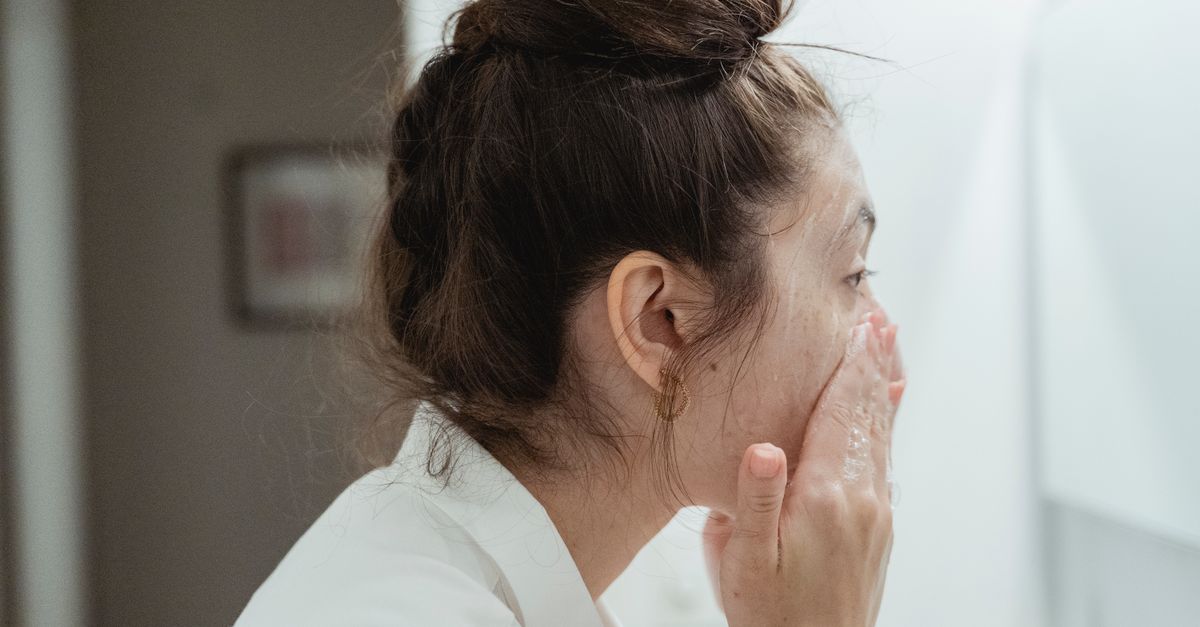
Introduction: Why a Face Serum is Essential for Acne-Prone Skin
Acne is a common skin condition. It affects millions worldwide. A face serum can be a game-changer. Serums are lightweight. They deliver high concentrations of active ingredients. They penetrate deep into pores. This helps target acne at its source.
Unlike moisturizers, serums have smaller molecules. They can reach deeper skin layers. This makes them effective for treating acne. They can reduce inflammation. They can unclog pores. They can prevent future breakouts.
Using the best face serum for acne can improve your skin. It can reduce scars. It can even out skin tone. It can boost your confidence.
How to Choose the Best Face Serum for Acne
Choosing the right serum is crucial. Not all serums are equal. Here are key factors to consider.
Key Ingredients to Look For
- Salicylic Acid: This is a beta hydroxy acid (BHA). It is oil-soluble. It can penetrate pores. It exfoliates inside the pore. It helps remove dead skin cells. It reduces blackheads and whiteheads. The American Academy of Dermatology (AAD) recommends salicylic acid for acne.
- Niacinamide: This is a form of vitamin B3. It reduces inflammation. It regulates oil production. It strengthens the skin barrier. It can help fade acne scars. Studies show niacinamide is effective for acne.
- Retinoids: These are vitamin A derivatives. They increase cell turnover. They prevent clogged pores. They reduce fine lines. Retinoids like adapalene are available over-the-counter. They are proven to treat acne. The Mayo Clinic supports retinoid use for acne.
- Azelaic Acid: This acid reduces bacteria. It decreases inflammation. It helps fade dark spots. It is safe for sensitive skin. It is often used for rosacea and acne.
- Tea Tree Oil: This is a natural antiseptic. It reduces acne-causing bacteria. It can be less harsh than chemicals. Use it in low concentrations to avoid irritation.
Ingredients to Avoid
- Alcohol (Denat): It can dry out skin. It can strip natural oils. This leads to more breakouts.
- Fragrance: It can irritate sensitive skin. It can cause allergic reactions. Look for “fragrance-free” labels.
- Heavy Oils: Oils like coconut oil can clog pores. They can worsen acne. Choose non-comedogenic products.
- Comedogenic Ingredients: Check labels for ingredients like isopropyl myristate. They can block pores.
Top 5 Best Face Serums for Acne in 2025
We selected these serums based on ingredients, reviews, and expert recommendations. Always patch test before use.
Product 1: CeraVe Acne Control Serum – Best Overall
- Key Ingredients: 2% salicylic acid, niacinamide, ceramides.
- Why It Wins: It combines effective acne treatment with barrier support. It is gentle yet powerful. It is affordable. It is recommended by dermatologists.
- Pros: Non-comedogenic, fragrance-free, oil-free.
- Cons: May cause slight dryness initially.
Product 2: The Ordinary Salicylic Acid 2% Solution – Best Budget Option
- Key Ingredients: 2% salicylic acid, witch hazel.
- Why It Wins: It is very affordable. It works well for mild to moderate acne. It exfoliates effectively.
- Pros: Low cost, simple formula.
- Cons: Contains witch hazel which can be drying. Not suitable for sensitive skin.
Product 3: La Roche-Posay Effaclar Serum – Best for Sensitive Skin
- Key Ingredients: Salicylic acid, lipo-hydroxy acid, niacinamide.
- Why It Wins: It is formulated for sensitive skin. It reduces irritation. It unclogs pores gently.
- Pros: Fragrance-free, alcohol-free, tested on sensitive skin.
- Cons: Higher price point.
Product 4: Paula’s Choice 10% Niacinamide Booster – Best with Niacinamide
- Key Ingredients: 10% niacinamide, vitamin C, licorice extract.
- Why It Wins: High concentration of niacinamide. It reduces redness and oil. It brightens skin. It can be mixed with other serums.
- Pros: Versatile, effective for post-acne marks.
- Cons: Can cause tingling in some users.
Product 5: SkinCeuticals Retinol 0.5 – Best for Overnight Repair
- Key Ingredients: 0.5% pure retinol, bisabolol, shea butter.
- Why It Wins: It promotes cell turnover while sleeping. It reduces acne and signs of aging. It is well-tolerated with moisturizers.
- Pros: Clinically proven, stable formula.
- Cons: Expensive. Requires gradual introduction.
How to Incorporate a Face Serum into Your Acne Routine
- Cleanse your face with a gentle cleanser. Pat dry.
- Apply serum to damp skin. Use a pea-sized amount.
- Wait 2 minutes before next step.
- Follow with moisturizer to lock in hydration.
- Use sunscreen in the morning. Acne treatments increase sun sensitivity.
- Start with every other day. Increase to daily if tolerated.
- Do not mix strong actives like retinol and AHAs together.
- Use a separate moisturizer if needed.
Frequently Asked Questions
Q: Can I use face serum if I have oily skin? A: Yes. Choose oil-free, non-comedogenic serums. They help control oil without clogging pores.
Q: How long does it take to see results? A: Typically 4-8 weeks. Consistency is key. Some serums work faster.
Q: Can face serums cause purging? A: Yes. Ingredients like retinoids and AHAs can cause temporary purging. It lasts 2-4 weeks.
Q: Should I use serum in the morning or night? A: It depends. Salicylic acid can be used both. Retinoids are best at night. Always use sunscreen in the morning.
Q: Can I use serum with prescription acne medications? A: Consult your dermatologist. Some combinations may cause irritation.
Conclusion
You May Also Like
Explore more articles in our Skincare collection:
- Top Face Serum for Whiteheads in 2026
- Top Moisturizer for Large Pores in 2026
- Weekly Blackheads Treatment Routine
Finding the best face serum for acne can transform your skin. Focus on key ingredients like salicylic acid, niacinamide, and retinoids. Avoid harsh additives. Start slowly. Be patient. If your acne is severe or persistent, see a dermatologist. They can prescribe stronger treatments.
Key Takeaways
- Face serums deliver potent ingredients deep into pores.
- Look for salicylic acid, niacinamide, retinoids, azelaic acid.
- Avoid alcohol, fragrance, and heavy oils.
- Top serums include CeraVe, The Ordinary, La Roche-Posay, Paula’s Choice, SkinCeuticals.
- Apply serum after cleansing, before moisturizer.
- Use sunscreen daily.
- See a dermatologist if acne worsens or scars develop.
Related Tools
Try these free calculators and quizzes to personalize your routine:
References
- Acne: Diagnosis and treatment — American Academy of Dermatology (accessed 2026-06-11)
- Acne - Symptoms and causes — Mayo Clinic (accessed 2026-06-11)
- Niacinamide in Dermatology — PubMed (accessed 2026-06-11)
- Salicylic Acid for Acne — PubMed (accessed 2026-06-11)