
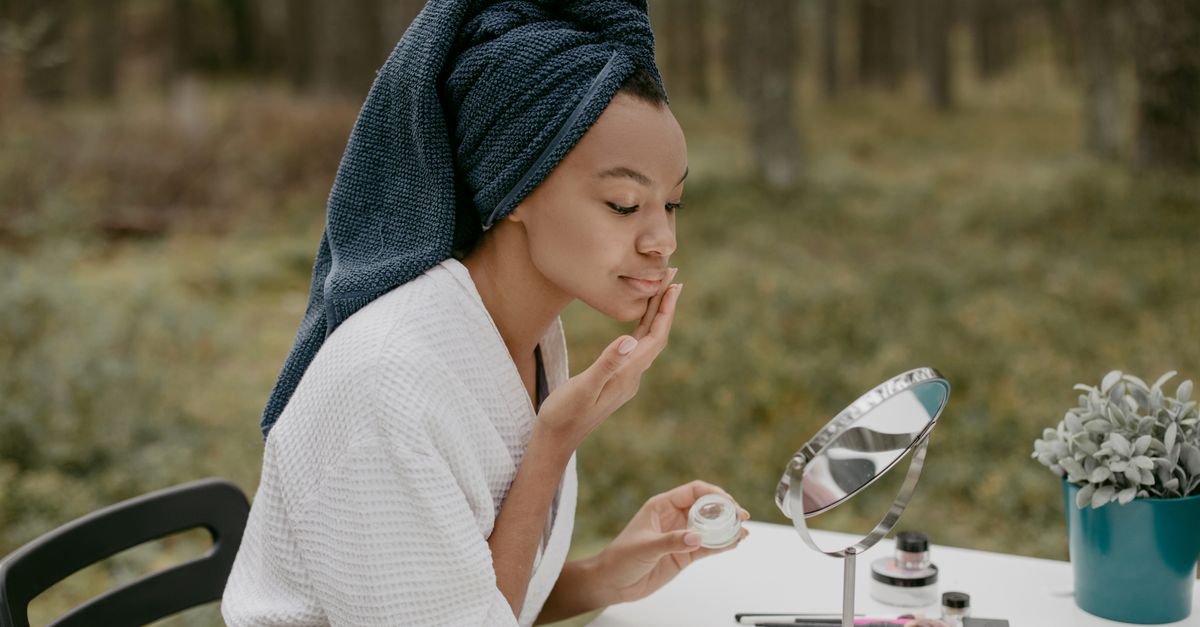
Understanding Rosacea and the Role of Serums
Rosacea is a chronic skin condition. It causes redness, flushing, and visible blood vessels. Some people get bumps or pimples. The face is most affected. Triggers include sun, stress, spicy foods, and alcohol. Rosacea has no cure. But you can manage symptoms.
Serums are lightweight products. They deliver active ingredients deep into skin. For rosacea, serums can calm inflammation. They strengthen the skin barrier. They provide hydration. The right serum reduces redness and irritation.
Drugstore serums are affordable. Many contain proven ingredients. You don’t need a prescription. But always patch test first. Consult a dermatologist if symptoms are severe.
Key Ingredients to Look for in a Drugstore Face Serum for Rosacea
Soothing Ingredients
- Niacinamide: Vitamin B3. It reduces redness and strengthens skin. It improves texture. Studies show it helps rosacea.
- Ceramides: Lipids that repair the skin barrier. A healthy barrier protects against irritants.
- Centella Asiatica: Also called cica. It soothes inflammation and promotes healing.
Anti-Inflammatory Ingredients
- Green Tea Extract: Rich in antioxidants. It calms redness and protects from UV damage.
- Licorice Root Extract: Contains glabridin. It lightens redness and reduces inflammation.
- Azelaic Acid: Fights bacteria and reduces swelling. It is a common rosacea treatment. Available in some drugstore serums.
Hydrating Ingredients
- Hyaluronic Acid: Holds water. It hydrates without clogging pores.
- Glycerin: A humectant that draws moisture to skin.
- Squalane: Mimics natural oils. It moisturizes and soothes.
Avoid these ingredients:
- Alcohol (denatured)
- Fragrance
- Essential oils
- Harsh exfoliants (glycolic acid, salicylic acid in high doses)
Top 5 Drugstore Face Serums for Rosacea
Product 1: La Roche-Posay Cicaplast Baume B5
This is a balm, not a serum. But it works well for rosacea. Key ingredients:
- Panthenol (pro-vitamin B5): soothes
- Madecassoside (from Centella): repairs
- Shea butter: moisturizes
It is fragrance-free. It calms redness and irritation. Apply a thin layer after moisturizer. Use it as a night treatment.
Product 2: CeraVe Hydrating Hyaluronic Acid Serum
This serum is gentle. It contains:
- Hyaluronic acid: hydrates
- Ceramides: restore barrier
- Vitamin B5: soothes
It is fragrance-free and non-comedogenic. It plumps skin without irritation. Best for mild rosacea and dry skin.
Product 3: The Ordinary Niacinamide 10% + Zinc 1%
Niacinamide reduces redness and oil. Zinc helps control inflammation. This serum is:
- Water-based
- Fragrance-free
- Affordable
Start with lower concentration if sensitive. It may cause tingling. Patch test first. Good for rosacea with bumps.
Product 4: Aveeno Calm + Restore Triple Oat Serum
Oat is a natural soother. This serum contains:
- Oat kernel extract: calms
- Oat oil: moisturizes
- Feverfew: reduces redness
It is fragrance-free and hypoallergenic. It strengthens the skin barrier. Ideal for sensitive rosacea-prone skin.
Product 5: Vanicream Vitamin C Serum
Vitamin C brightens and protects. This formula is gentle. It uses tetrahexyldecyl ascorbate (a stable form). It is:
- Fragrance-free
- Dye-free
- Paraben-free
It reduces redness from sun damage. Do not use if vitamin C irritates you. Patch test first.
How to Choose the Right Serum for Your Rosacea Type
Rosacea has subtypes:
- Erythematotelangiectatic (ETR): Redness, flushing, visible vessels. Look for soothing and hydrating serums. Avoid vasodilators like niacinamide in high doses.
- Papulopustular (PPR): Red bumps and pustules. Azelaic acid or niacinamide help. Avoid heavy oils.
- Phymatous: Thickened skin (rare). Serums may not help. See a dermatologist.
- Ocular: Eye irritation. Use gentle serums around eyes. Consult an eye doctor.
Consider your skin type:
- Dry: Choose hydrating serums with hyaluronic acid, glycerin, squalane.
- Oily: Lightweight serums with niacinamide or azelaic acid.
- Sensitive: Fragrance-free, minimal ingredients.
Always patch test new products. Apply a small amount behind your ear. Wait 24 hours. If no reaction, use on face.
Tips for Applying Face Serum with Rosacea
- Cleanse gently: Use a mild, non-foaming cleanser. Pat skin dry.
- Apply serum on damp skin: Helps absorption. Reduces irritation.
- Use a pea-sized amount: More is not better.
- Layer correctly: Serum before moisturizer. Sunscreen in the morning.
- Avoid rubbing: Gently pat serum into skin.
- Wait between steps: Let serum absorb for 1-2 minutes.
- Introduce slowly: Use serum once a day. Increase to twice if tolerated.
- Stop if irritated: Redness, stinging, or burning means stop.
Frequently Asked Questions
Q: Can I use a vitamin C serum with rosacea? A: Yes, but choose a gentle form like tetrahexyldecyl ascorbate. Start with low concentration. Avoid L-ascorbic acid if it irritates.
Q: Are drugstore serums effective for rosacea? A: Yes, many contain proven ingredients like niacinamide, ceramides, and hyaluronic acid. They are affordable and safe for sensitive skin.
Q: How often should I use a serum for rosacea? A: Start once daily. If no irritation, you can use twice daily. Listen to your skin.
Q: Should I avoid retinol if I have rosacea? A: Retinol can irritate rosacea. Use only if tolerated and under dermatologist guidance. Start with low strength and buffer with moisturizer.
Q: Can serums cure rosacea? A: No, rosacea has no cure. Serums manage symptoms. See a dermatologist for prescription treatments if needed.
Key Takeaways
- Rosacea is a chronic condition. Serums can soothe and hydrate.
- Look for niacinamide, ceramides, Centella Asiatica, green tea, licorice root, azelaic acid, hyaluronic acid, glycerin, squalane.
- Avoid alcohol, fragrance, essential oils, harsh exfoliants.
- Top drugstore serums: La Roche-Posay Cicaplast Baume B5, CeraVe Hydrating Hyaluronic Acid Serum, The Ordinary Niacinamide + Zinc, Aveeno Calm + Restore, Vanicream Vitamin C Serum.
- Choose based on your rosacea subtype and skin type.
- Apply gently, patch test, and introduce slowly.
- See a dermatologist if symptoms worsen or do not improve.
Citations
- American Academy of Dermatology. “Rosacea: Diagnosis and treatment.” https://www.aad.org/public/diseases/rosacea/treatment
- National Rosacea Society. “Understanding Rosacea.” https://www.rosacea.org/patients
- PubMed. “Niacinamide for rosacea.” https://pubmed.ncbi.nlm.nih.gov/ (Search: niacinamide rosacea)
- Mayo Clinic. “Rosacea.” https://www.mayoclinic.org/diseases-conditions/rosacea/symptoms-causes/syc-20353815
You May Also Like
Explore more articles in our Skincare collection:
- 30s Skin Care Routine for Wrinkles
- 40s Skin Care Routine for Eczema
- 40s Skin Care Routine for Sensitive Skin
Related Tools
Try these free calculators and quizzes to personalize your routine:
References
- Rosacea: Diagnosis and treatment — American Academy of Dermatology (accessed 2026-06-11)
- Understanding Rosacea — National Rosacea Society (accessed 2026-06-11)
- Niacinamide for rosacea — PubMed (accessed 2026-06-11)
- Rosacea — Mayo Clinic (accessed 2026-06-11)