
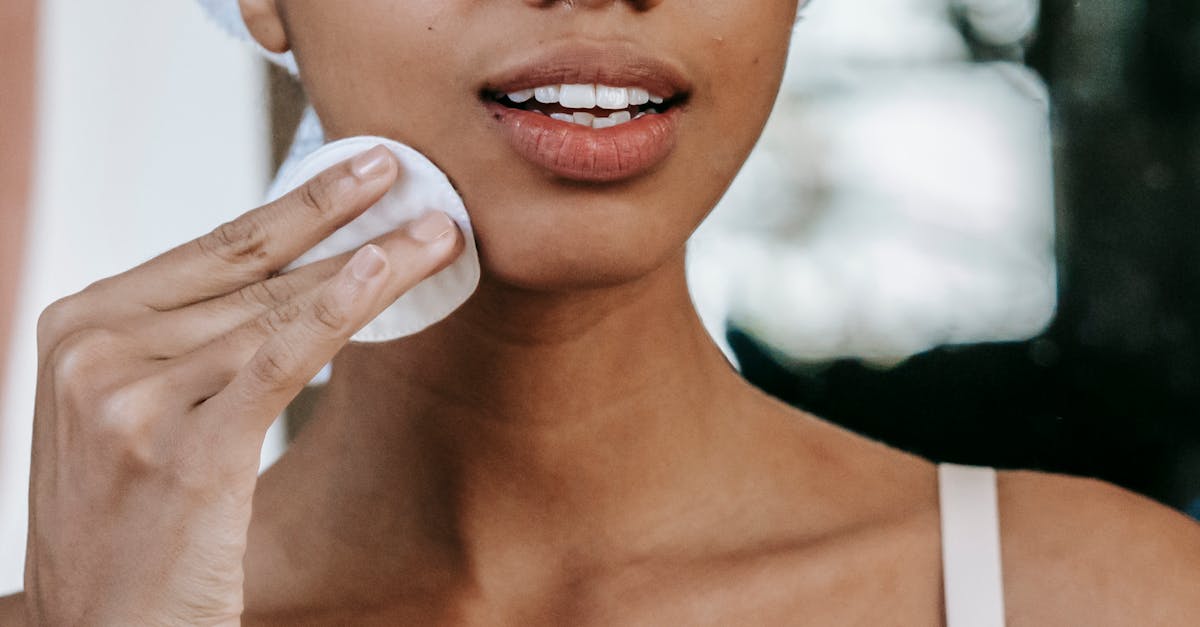
Understanding Redness-Prone Skin
Facial redness is a common concern. It can be temporary or chronic. Redness often signals irritation or inflammation. Sensitive skin types are more prone to redness. But anyone can experience it.
Common Causes of Facial Redness
- Rosacea: A chronic skin condition. It causes flushing and visible blood vessels.
- Allergic reactions: Skincare products or environmental triggers.
- Sun exposure: UV rays damage skin and cause redness.
- Weather extremes: Cold wind or dry heat.
- Harsh skincare: Over-exfoliating or using strong actives.
- Stress: Can trigger inflammation.
Understanding the cause helps choose the right serum.
Key Ingredients to Look for in a Drugstore Serum
Drugstore serums are affordable. They contain effective ingredients. Look for these key ingredients:
Niacinamide
Niacinamide is vitamin B3. It reduces redness and inflammation. It strengthens the skin barrier. It also regulates oil production. Studies show it improves rosacea symptoms.
Centella Asiatica (Cica)
Cica is a medicinal herb. It soothes irritated skin. It promotes wound healing. It has anti-inflammatory properties. It is gentle for sensitive skin.
Azelaic Acid
Azelaic acid reduces redness and bumps. It is effective for rosacea. It also treats acne. It calms inflammation. It is available in low concentrations at drugstores.
Green Tea Extract
Green tea is rich in antioxidants. It reduces redness from UV damage. It has anti-inflammatory effects. It protects the skin barrier.
Top 5 Best Drugstore Face Serums for Redness
Here are our top picks. They are affordable and effective.
1. La Roche-Posay Rosaliac AR Anti-Redness Serum
- Key ingredients: Ambophenol, Ginkgo Biloba, Vitamin B3.
- Benefits: Reduces persistent redness. Strengthens capillaries. Soothes skin.
- Skin type: Sensitive, rosacea-prone.
- Price: Around $35.
2. The Ordinary Niacinamide 10% + Zinc 1%
- Key ingredients: 10% Niacinamide, Zinc PCA.
- Benefits: Reduces inflammation. Controls oil. Minimizes pores.
- Skin type: Oily, combination, redness-prone.
- Price: Around $6.
3. CeraVe Skin Renewing Vitamin C Serum
- Key ingredients: Vitamin C, Ceramides, Hyaluronic Acid.
- Benefits: Brightens skin. Reduces redness from sun damage. Supports barrier.
- Skin type: Normal, dry, sensitive.
- Price: Around $20.
4. Aveeno Calm + Restore Redness Relief Serum
- Key ingredients: Feverfew, Oat, Niacinamide.
- Benefits: Calms irritation. Restores moisture. Reduces redness.
- Skin type: Sensitive, dry.
- Price: Around $22.
5. Eucerin Redness Relief Soothing Serum
- Key ingredients: Licochalcone A (licorice root), SymSitive.
- Benefits: Instantly soothes. Reduces redness. Improves comfort.
- Skin type: Very sensitive, rosacea-prone.
- Price: Around $25.
How to Choose the Right Serum for Your Skin Type
Consider your skin type:
- Oily/combination: The Ordinary Niacinamide 10% + Zinc 1% is ideal. It controls oil and reduces redness.
- Dry/sensitive: Aveeno Calm + Restore or Eucerin Redness Relief. They are hydrating and gentle.
- Rosacea-prone: La Roche-Posay Rosaliac AR or Eucerin. Both target rosacea symptoms.
- Normal skin: CeraVe Vitamin C serum works well. It brightens and reduces redness.
Always patch test new products.
Tips for Incorporating a Redness Serum into Your Routine
- Start slow: Use serum once daily. Increase to twice if tolerated.
- Apply to damp skin: Helps absorption.
- Layer correctly: Apply after cleansing, before moisturizer.
- Use sunscreen: Sun exposure worsens redness. Use SPF 30+ daily.
- Avoid irritants: Skip harsh scrubs or strong acids.
- Be patient: Results take 4-8 weeks.
Key Takeaways
- Drugstore serums can effectively reduce redness.
- Look for niacinamide, cica, azelaic acid, or green tea.
- Choose a serum based on your skin type.
- Consistency is key. Use daily for best results.
- See a dermatologist if redness persists or worsens.
Frequently Asked Questions
Can drugstore serums really help with redness?
Yes. Many contain proven ingredients like niacinamide and azelaic acid. They are affordable and effective for mild to moderate redness.
How long does it take to see results?
Most serums show improvement in 4-8 weeks. Consistent use is important.
Can I use a redness serum with other active ingredients?
Yes, but avoid combining with strong exfoliants. Layer properly. Always patch test.
What if my redness is severe?
See a dermatologist. You may need prescription treatments.
Are there any side effects?
Some may cause mild irritation. Start with a patch test. Discontinue if reaction occurs.
When to See a Dermatologist
- Redness is severe or spreading.
- You have painful bumps or pustules.
- Over-the-counter products don’t help.
- You suspect rosacea or other conditions.
Citations
- American Academy of Dermatology. “Rosacea: Tips for Managing.” https://www.aad.org/public/diseases/rosacea/treatment/management
- PubMed. “Niacinamide in Dermatology.” https://pubmed.ncbi.nlm.nih.gov/29185911/
- Mayo Clinic. “Rosacea.” https://www.mayoclinic.org/diseases-conditions/rosacea/symptoms-causes/syc-20353815
- Journal of Drugs in Dermatology. “Azelaic Acid: A Review.” https://jddonline.com/articles/azelaic-acid-S1545961619P0045X/
You May Also Like
Explore more articles in our Skincare collection:
- Weekly Dandruff Treatment Routine
- Weekly Oily Skin Treatment Routine
- Weekly Wrinkles Treatment Routine
Related Tools
Try these free calculators and quizzes to personalize your routine:
References
- Rosacea: Tips for Managing — American Academy of Dermatology (accessed 2026-06-11)
- Niacinamide in Dermatology — PubMed (accessed 2026-06-11)
- Rosacea — Mayo Clinic (accessed 2026-06-11)
- Azelaic Acid: A Review — Journal of Drugs in Dermatology (accessed 2026-06-11)