
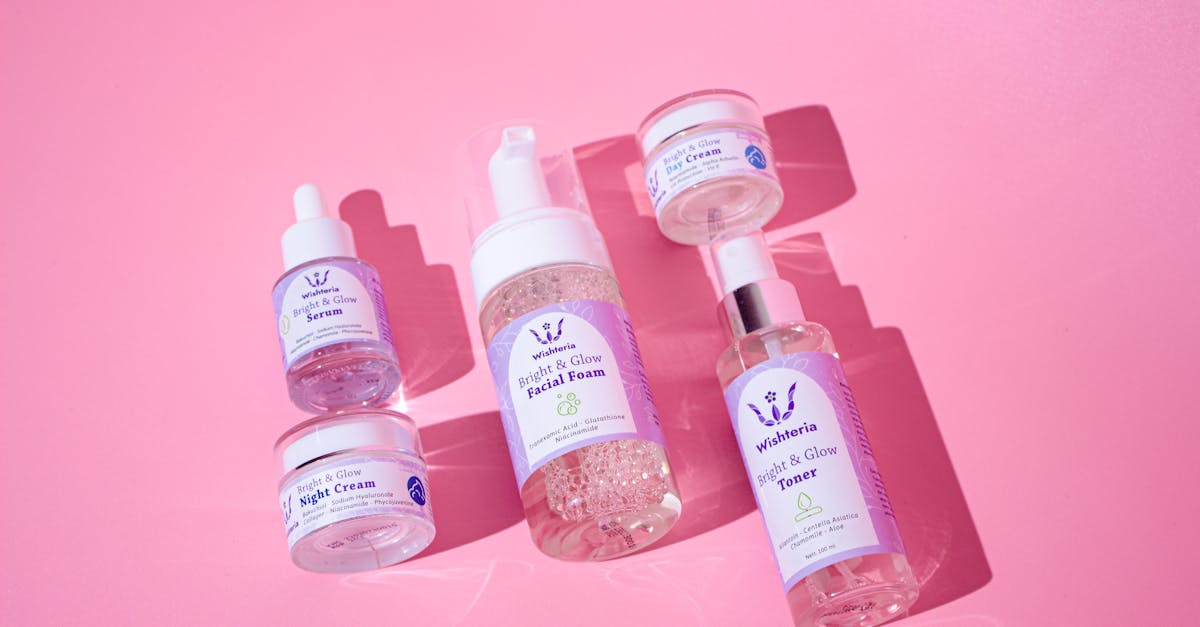
Why a Night Routine Matters for Combination Skin
Combination skin has both oily and dry areas. The T-zone (forehead, nose, chin) is often oily, while cheeks and jawline may feel dry. A night routine helps balance these zones. During sleep, your skin repairs itself. A consistent routine supports this process.
Nighttime is ideal for using active ingredients. They work while you rest. Without a routine, excess oil can clog pores. Dry areas may become flaky. A simple routine prevents both.
Step 1: Double Cleanse to Remove Impurities
Double cleansing removes makeup, sunscreen, and dirt. It also clears excess oil without stripping.
- First cleanse: Use an oil-based cleanser. It dissolves oil-based impurities like sunscreen and sebum. Apply to dry skin, massage gently, then rinse with lukewarm water.
- Second cleanse: Use a water-based cleanser. Choose a gentle foaming or gel cleanser. It removes sweat and residue. Avoid harsh sulfates that dry out cheeks.
Double cleansing ensures a clean canvas for the next steps. Do this every night.
Step 2: Exfoliate (But Not Too Often)
Exfoliation removes dead skin cells. It helps both oily and dry areas. But over-exfoliating harms your skin barrier.
- Frequency: Exfoliate 2-3 times per week. Not every night.
- Type: Use a chemical exfoliant like salicylic acid (BHA) for oily areas. It unclogs pores. For dry areas, use a gentle lactic acid (AHA) to hydrate and smooth.
- Application: Apply only to areas that need it. Avoid rubbing harshly.
If you have active acne or irritation, skip exfoliation. See a dermatologist if needed.
Step 3: Tone to Balance Your Skin
Toner restores pH and preps skin for serums. Choose an alcohol-free toner.
- For oily T-zone: Look for niacinamide or witch hazel (low alcohol). They control oil.
- For dry cheeks: Use a hydrating toner with glycerin or hyaluronic acid.
- How to apply: Pat toner onto skin with hands or a cotton pad. Avoid dragging.
Toner helps other products absorb better.
Step 4: Apply a Hydrating Serum
Serums deliver concentrated ingredients. For combination skin, hydration is key.
- Best ingredients: Hyaluronic acid (hydrates), niacinamide (balances oil), or vitamin C (brightens).
- How to apply: Use 2-3 drops on damp skin. Press gently into face and neck.
- Why it works: Hydration plumps skin and reduces oil production. It also prevents dryness.
Do not skip this step even if your skin feels oily.
Step 5: Moisturize for Oily and Dry Areas
Moisturizer locks in hydration. Use different textures for different zones.
- Oily areas: Use a lightweight, oil-free gel moisturizer. It hydrates without clogging pores.
- Dry areas: Use a richer cream. Look for ceramides, shea butter, or squalane.
- One product option: A balanced moisturizer with niacinamide. Apply a thin layer everywhere, then add extra cream on cheeks.
Moisturizing every night protects your skin barrier.
Step 6: Use a Targeted Treatment (Optional)
You may need extra help for specific concerns. Use treatments after serum and before moisturizer.
- For acne: Benzoyl peroxide (spot treatment) or salicylic acid. Use only on pimples.
- For dark spots: Retinol or azelaic acid. Start with low strength 1-2 times per week.
- For redness: Centella asiatica or niacinamide.
Always patch test new products. Wait 24 hours.
Sample 5-Minute Night Routine for Combination Skin
- Oil cleanser (1 minute)
- Water-based cleanser (1 minute)
- Toner (30 seconds)
- Hydrating serum (30 seconds)
- Moisturizer (1 minute)
- Targeted treatment (30 seconds, optional)
Total: 5 minutes. Adjust based on your needs.
Common Mistakes to Avoid
Over-Exfoliating
Exfoliating every night strips the skin barrier. This causes more oil and dryness. Stick to 2-3 times per week. If you feel stinging or tightness, reduce frequency.
Skipping Moisturizer on Oily Areas
Skipping moisturizer makes oily skin produce more oil. Use a lightweight gel. It hydrates without greasiness.
Using Harsh Products
Avoid products with high alcohol, strong sulfates, or heavy fragrances. They irritate combination skin. Choose gentle, non-comedogenic formulas.
Final Tips for Consistent Results
- Be consistent. Results take 4-6 weeks.
- Change products slowly. Introduce one new item at a time.
- Keep a simple routine. Too many steps can irritate.
- Use sunscreen every morning. Night routines repair; sunscreen protects.
- See a dermatologist if you have persistent acne, redness, or irritation.
Key Takeaways
- Combination skin needs balance. A simple night routine helps.
- Double cleanse every night. Exfoliate 2-3 times per week.
- Use hydrating serums and separate moisturizers for oily/dry areas.
- Avoid over-exfoliating and harsh products.
- Consistency and patience yield results. Consult a dermatologist for concerns.
Frequently Asked Questions
Q: Can I use the same moisturizer for my whole face? A: Yes, if it is lightweight and non-comedogenic. Apply extra on dry cheeks if needed.
Q: How often should I exfoliate combination skin? A: 2-3 times per week. Use chemical exfoliants like salicylic acid or lactic acid.
Q: Do I need a toner? A: Toner helps balance pH and prep skin. Choose an alcohol-free, hydrating toner.
Q: Can I skip moisturizer if my skin feels oily? A: No. Moisturizer prevents excess oil production. Use a gel-based formula.
Q: When should I see a dermatologist? A: If you have severe acne, persistent redness, or skin irritation that does not improve.
References
- American Academy of Dermatology. “How to build an effective skincare routine.” AAD
- Mayo Clinic. “Skin care: 5 tips for healthy skin.” Mayo Clinic
- Draelos, Z. D. (2010). “Cosmeceuticals: What’s Real, What’s Not.” Dermatologic Therapy. PubMed
You May Also Like
Explore more articles in our Skincare collection:
- Best Affordable Face Serum for Rosacea
- Best Affordable Moisturizer for Dark Circles
- Best Aftershave for Split Ends: The Ultimate Guide to Smooth, Healthy Hair
Related Tools
Try these free calculators and quizzes to personalize your routine:
References
- How to build an effective skincare routine — American Academy of Dermatology (accessed 2026-06-11)
- Skin care: 5 tips for healthy skin — Mayo Clinic (accessed 2026-06-11)
- Cosmeceuticals: What's Real, What's Not — Dermatologic Therapy (PubMed) (accessed 2026-06-11)