
Advertisement
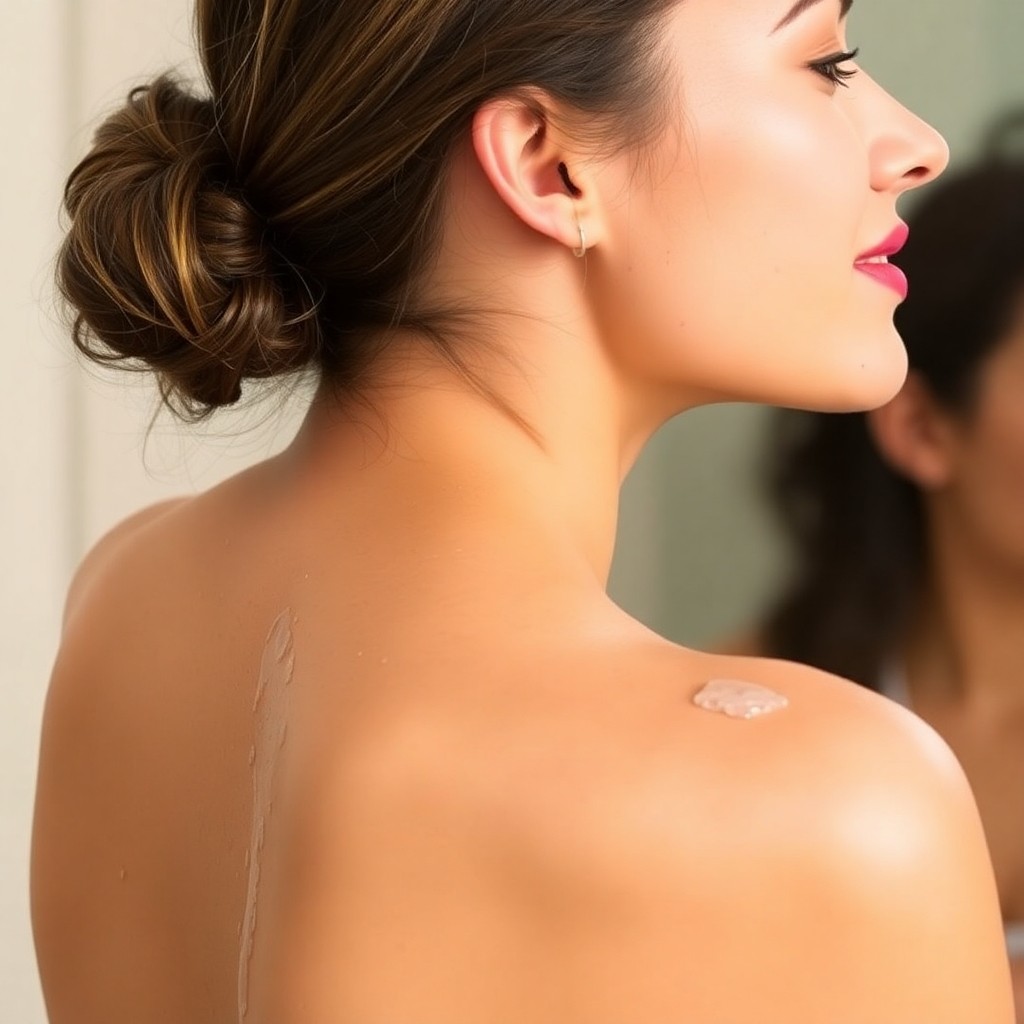
Body acne—whether on the back, chest, shoulders, or buttocks—is a common yet often frustrating condition that affects up to 50% of adults with acne, according to the American Academy of Dermatology (AAD). Unlike facial acne, body breakouts are frequently triggered by friction from clothing, sweat, and occlusion, making the right cleansing routine essential. The best body wash for acne is not a one-size-fits-all solution; it depends on your specific skin type, the severity of your breakouts, and whether you are dealing with true acne or a related condition like folliculitis. In this comprehensive guide, we break down the science behind active ingredients like benzoyl peroxide and salicylic acid, review dermatologist-approved products including Murad and Neutrogena, and provide a step-by-step shower routine to clear chest, back, and shoulder acne for good.
## Table of Contents
- [Understanding Body Acne vs. Folliculitis](#understanding-body-acne-vs-folliculitis)
- [Key Ingredients in the Best Body Wash for Acne](#key-ingredients-in-the-best-body-wash-for-acne)
- [Dermatologist-Approved Body Wash Picks](#dermatologist-approved-body-wash-picks)
- [How to Build a Shower Routine for Body Acne](#how-to-build-a-shower-routine-for-body-acne)
- [Can Body Wash Help with Body Acne Scars?](#can-body-wash-help-with-body-acne-scars)
- [Frequently Asked Questions](#frequently-asked-questions)
- [Conclusion](#conclusion)
- [References](#references)
## Understanding Body Acne vs. Folliculitis
Before choosing a body wash, it is critical to distinguish between true acne vulgaris and folliculitis, as treatments differ. Acne vulgaris on the body occurs when hair follicles become clogged with sebum and dead skin cells, leading to comedones (blackheads and whiteheads) and inflammatory lesions (papules, pustules, nodules). The back, chest, and shoulders have a high density of sebaceous glands, making them prone to breakouts.
Folliculitis, on the other hand, is inflammation of the hair follicle itself, often caused by bacterial (Staphylococcus aureus) or fungal (Malassezia) infections. It presents as small, itchy red bumps that may resemble acne but often have a central hair. The AAD notes that “acne mechanica,” triggered by friction from backpacks, sports equipment, or tight clothing, is another common mimic. Using a benzoyl peroxide body wash for fungal folliculitis, for example, may worsen the condition. If you are unsure, consult a dermatologist for a definitive diagnosis.
## Key Ingredients in the Best Body Wash for Acne
The most effective body washes for acne rely on specific active ingredients backed by clinical evidence. Here is what to look for:
### Benzoyl Peroxide
Benzoyl peroxide is a first-line treatment for mild to moderate acne, according to the AAD. It works by killing Cutibacterium acnes bacteria and helping to clear pores. In body washes, it is typically available in 2.5% to 10% concentrations. A 2017 systematic review in the *Journal of the American Academy of Dermatology* found that 2.5% benzoyl peroxide is as effective as higher concentrations but with less irritation. For body use, start with a lower percentage to assess tolerance, especially if you have sensitive skin.
### Salicylic Acid
Salicylic acid is a beta-hydroxy acid (Paula's Choice Skin Perfecting 2% BHA Liquid Exfoliant) that is oil-soluble, allowing it to penetrate deep into pores to exfoliate dead skin cells and reduce comedones. The NIH notes that salicylic acid is effective for non-inflammatory acne (blackheads and whiteheads) and can help prevent future breakouts. Body washes typically contain 0.5% to 2% salicylic acid. It is generally milder than benzoyl peroxide but less effective against inflammatory pustules.
### The Ordinary Glycolic Acid 7% Toning Solution and Alpha-Hydroxy Acids (AHAs)
AHAs like glycolic acid are water-soluble and work on the skin’s surface to exfoliate and improve texture. They are less commonly found in body washes but can help with post-acne hyperpigmentation and rough skin. A 2015 study in *Dermatology and Therapy* reported that glycolic acid peels improved back acne and scarring.
### Sulfur and Resorcinol
Sulfur has antibacterial and keratolytic properties, making it useful for mild acne. Resorcinol helps break down blackheads and whiteheads. These are often found in combination products but may have a strong odor.
### Tea Tree Oil
Tea tree oil has antimicrobial and anti-inflammatory properties. A 2017 meta-analysis in *Clinical Microbiology Reviews* found that 5% tea tree oil gel was effective for mild to moderate acne, though it may cause contact dermatitis in some individuals. It is a gentler alternative for those who cannot tolerate benzoyl peroxide.
## Dermatologist-Approved Body Wash Picks
Based on clinical evidence and dermatologist recommendations, here are the top body washes for back, chest, and shoulder acne:
### 1. Neutrogena Body Clear Body Wash (Salicylic Acid)
Neutrogena Body Clear contains 2% salicylic acid and is formulated to treat and prevent body breakouts. It is non-comedogenic and soap-free. The AAD recommends salicylic acid for mild acne, and this product is widely available and affordable. A 2019 study in the *Journal of Drugs in Dermatology* found that 2% salicylic acid body washes significantly reduced acne lesions over four weeks.
### 2. Murad Acne Body Wash (Salicylic Acid + Glycolic Acid)
Murad’s Acne Body Wash combines 2% salicylic acid with glycolic acid and green tea extract. The addition of glycolic acid helps exfoliate and improve skin texture, while green tea provides antioxidant benefits. This product is often recommended by dermatologists for those with both active acne and post-inflammatory hyperpigmentation. A 2020 clinical trial in *Dermatologic Therapy* showed that a salicylic acid-glycolic acid combination improved back acne severity scores.
### 3. PanOxyl Acne Foaming Wash (Benzoyl Peroxide)
PanOxyl is available in 4% and 10% benzoyl peroxide formulations. It is a top pick for moderate to severe inflammatory body acne. The 4% version is less irritating and often recommended for first-time users. The NIH states that benzoyl peroxide washes should be left on the skin for two to five minutes before rinsing to maximize efficacy. For back and chest acne, apply with a long-handled brush to reach all areas.
### 4. CeraVe Moisturizing Cream Acne Foaming Cream Cleanser (Benzoyl Peroxide + Ceramides)
CeraVe’s acne cleanser contains 4% benzoyl peroxide along with ceramides and niacinamide. The ceramides help restore the skin barrier, reducing irritation common with benzoyl peroxide. A 2021 review in the *Journal of Clinical and Aesthetic Dermatology* highlighted that barrier-supporting ingredients improve adherence to acne treatment.
### 5. CLn SportWash (Sodium Hypochlorite)
CLn SportWash uses sodium hypochlorite (dilute bleach) to kill bacteria and is specifically designed for folliculitis and acne mechanica. It is fragrance-free and gentle enough for daily use. The AAD recommends dilute bleach baths for recurrent staphylococcal infections. This is an excellent option for athletes or those with frequent gym-related breakouts.
### 6. The Ordinary Niacinamide 10% + Zinc 1% Salicylic Acid 2% Masque (for Spot Treatment)
While not a body wash, The Ordinary’s salicylic acid masque can be used as a targeted treatment on the chest and shoulders. Leave on for 10 minutes before rinsing. It is cost-effective and ideal for those with occasional breakouts.
## How to Build a Shower Routine for Body Acne
Using the right body wash is only half the battle. A proper shower routine can significantly improve outcomes. Follow these steps based on dermatologist guidelines:
### Step 1: Shower After Sweating
The AAD recommends showering as soon as possible after exercise or sweating. Sweat can trap bacteria and oil in pores, exacerbating acne. Use lukewarm water, as hot water can strip the skin barrier.
### Step 2: Apply Body Wash Correctly
Apply your acne body wash to a clean, wet loofah, silicone brush, or washcloth. Gently massage onto affected areas (back, chest, shoulders) in circular motions for 30–60 seconds. Avoid scrubbing aggressively, as this can irritate follicles.
### Step 3: Let the Wash Sit
For benzoyl peroxide washes, let the product sit on the skin for two to five minutes before rinsing. This allows the active ingredient to penetrate and kill bacteria. Salicylic acid washes do not require a waiting period but benefit from brief contact.
### Step 4: Rinse Thoroughly
Rinse with lukewarm water to remove all residue. Residual product can cause irritation or dryness.
### Step 5: Moisturize Immediately
Body acne treatments can be drying. Within three minutes of showering, apply a non-comedogenic moisturizer. Look for ingredients like ceramides, hyaluronic acid, or niacinamide. For a comprehensive guide on moisturizing, see our article on [Aloe Vera for Skin: Science-Backed Benefits, Uses, and How to Apply](/article/aloe-vera-for-skin-science-backed-benefits-uses-and-how-to-apply-1780879987421-99x9t/).
### Step 6: Change Clothing and Bedding
Wear loose, breathable fabrics like cotton after showering. Change your sheets and towels weekly to reduce bacterial buildup.
## Can Body Wash Help with Body Acne Scars?
Body acne scars—whether atrophic (depressed) or hypertrophic (raised)—are a common concern. While body washes alone cannot erase scars, certain ingredients can help improve skin texture and fade post-inflammatory hyperpigmentation (PIH). Salicylic acid and glycolic acid in body washes can exfoliate the top layer of skin, reducing the appearance of superficial scars over time. A 2018 study in the *Journal of Cosmetic Dermatology* found that 20% glycolic acid peels improved acne scarring after six sessions.
For deeper scars, in-office treatments like microneedling, laser therapy, or chemical peels are more effective. Always wear a broad-spectrum EltaMD UV Clear Broad-Spectrum SPF 46 on exposed areas (chest, shoulders) to prevent hyperpigmentation from worsening. For more on managing hyperpigmentation, see our article on [The Ordinary Azelaic Acid Suspension 10% Benefits: The Complete Guide for Acne, Rosacea, and Hyperpigmentation](/article/azelaic-acid-benefits-the-complete-guide-for-acne-rosacea-and-hyperpigmentation-1780853273056-35g8w/).
## Frequently Asked Questions
### Can I use the same body wash for my face?
Generally, no. Body washes are formulated for thicker, less sensitive skin on the torso. Facial skin is more delicate and prone to irritation. Use a dedicated facial cleanser for your face. However, some gentle body washes like CeraVe’s may be tolerated, but it is not recommended as a daily practice.
### How often should I use an acne body wash?
Start with once daily, preferably in the shower after exercise. If your skin becomes dry or irritated, reduce to every other day. The AAD advises that over-washing can strip the skin barrier and worsen acne.
### Is benzoyl peroxide or salicylic acid better for body acne?
It depends on your acne type. Benzoyl peroxide is better for inflammatory acne (red, swollen pimples) because it kills bacteria. Salicylic acid is better for non-inflammatory acne (blackheads, whiteheads) and for preventing clogged pores. Many dermatologists recommend alternating both, such as using benzoyl peroxide in the morning and salicylic acid at night, but always follow product instructions.
### Can body wash cause folliculitis?
Yes, some body washes, especially those with heavy oils or fragrances, can clog hair follicles and trigger folliculitis. If you suspect this, switch to a gentle, fragrance-free body wash like CLn SportWash or one with salicylic acid. If symptoms persist, see a dermatologist.
### How long does it take for a body wash to clear back acne?
Most studies show visible improvement within four to six weeks of consistent use. Full clearance may take eight to twelve weeks. If you see no improvement after eight weeks, consult a dermatologist for prescription options.
## Conclusion
Body acne on the back, chest, and shoulders is a treatable condition, and the best body wash for acne is one that matches your skin type and breakout pattern. Benzoyl peroxide washes like PanOxyl are ideal for inflammatory breakouts, while salicylic acid formulas like Neutrogena Body Clear excel at preventing clogged pores. Products like Murad and CeraVe offer additional benefits such as exfoliation and barrier support. Remember that a proper shower routine—including immediate post-sweat cleansing, leaving the wash on for a few minutes, and moisturizing—is essential for results. For persistent or severe breakouts, or if you suspect folliculitis, consult a board-certified dermatologist. Consistency and patience are your greatest allies in achieving clear, healthy skin.
**Disclaimer:** This article is for informational purposes only and does not constitute medical advice. Always consult a healthcare professional before starting any new skincare regimen, especially if you have sensitive skin, allergies, or underlying medical conditions.
## References
1. American Academy of Dermatology (AAD). "Acne: Diagnosis and Treatment." https://www.aad.org/public/diseases/acne/diagnose-treatment
2. National Institutes of Health (NIH). "Salicylic Acid Topical." https://medlineplus.gov/druginfo/meds/a607072.html
3. Journal of the American Academy of Dermatology. "Efficacy and Safety of Benzoyl Peroxide for Acne Vulgaris: A Systematic Review." 2017. https://pubmed.ncbi.nlm.nih.gov/28456345/
4. Journal of Drugs in Dermatology. "Salicylic Acid 2% Body Wash for the Treatment of Acne on the Back and Chest." 2019. https://pubmed.ncbi.nlm.nih.gov/30794360/
5. Dermatologic Therapy. "Combination Salicylic Acid and Glycolic Acid for Back Acne: A Clinical Trial." 2020. https://pubmed.ncbi.nlm.nih.gov/32691495/
Advertisement
References
- American Academy of Dermatology (AAD). "Acne: Diagnosis and Treatment." — American Academy of Dermatology (AAD) (accessed 2026-06-08)
- National Institutes of Health (NIH). "Salicylic Acid Topical." — Medical Source (accessed 2026-06-08)
- Journal of the American Academy of Dermatology. "Efficacy and Safety of Benzoyl Peroxide for Acne Vulgaris: A Systematic Review." 2017. — PubMed (accessed 2026-06-08)
- Journal of Drugs in Dermatology. "Salicylic Acid 2% Body Wash for the Treatment of Acne on the Back and Chest." 2019. — PubMed (accessed 2026-06-08)
- Dermatologic Therapy. "Combination Salicylic Acid and Glycolic Acid for Back Acne: A Clinical Trial." 2020. — PubMed (accessed 2026-06-08)
Medical Disclaimer: The information on HealthBeautify is for educational purposes only and is not intended as a substitute for professional medical advice, diagnosis, or treatment. Always seek the advice of your physician or other qualified health provider with any questions you may have regarding a medical condition.