
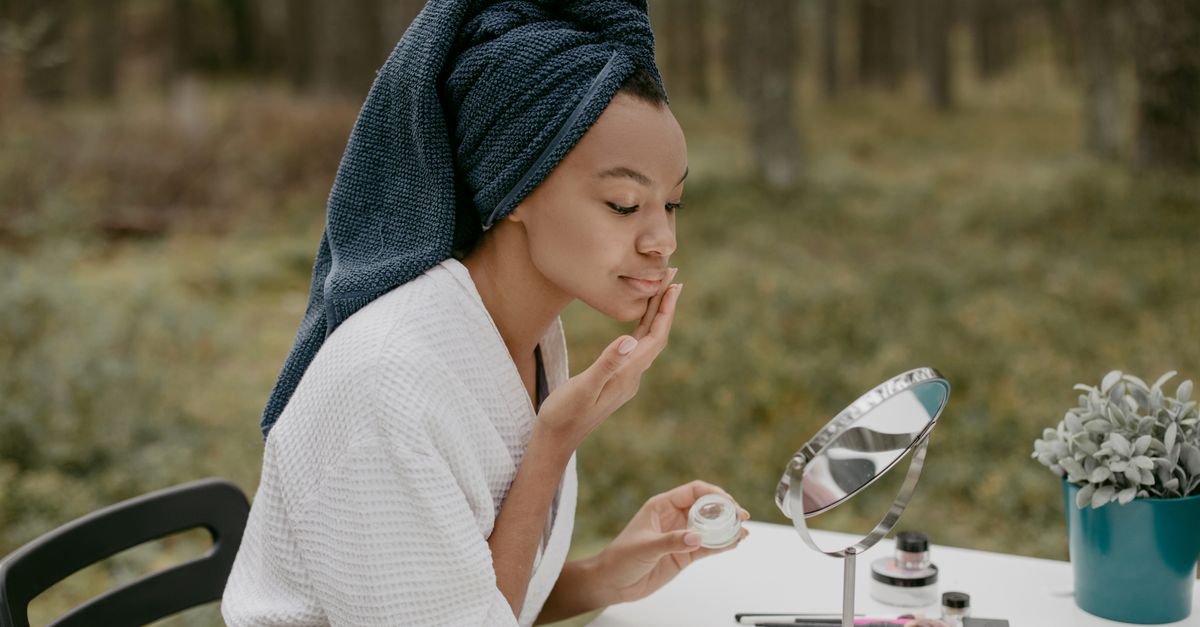
What Is Uneven Skin Tone?
Uneven skin tone refers to areas of discoloration or patches on the skin. It can include dark spots, redness, or dullness. The medical term is hyperpigmentation. This condition is common and not harmful. But it can affect your confidence.
Common Causes of Uneven Skin Tone
Sun Exposure
UV rays trigger melanin production. Melanin is the pigment that gives skin color. Over time, sun damage leads to dark spots. These are called solar lentigines or age spots. Sun exposure is the number one cause of uneven tone.
Hormonal Changes
Hormones can cause melasma. This is a condition with brown or gray patches. It often happens during pregnancy or with birth control pills. Melasma is more common in women. It can be stubborn to treat.
Post-Inflammatory Hyperpigmentation
This occurs after skin injury or inflammation. Examples include acne, eczema, or cuts. The skin produces extra melanin as it heals. This leaves dark marks. They are not scars and often fade over time.
Genetics and Aging
Your genes affect how your skin responds to sun and injury. Some people are more prone to hyperpigmentation. As we age, skin cell turnover slows. This can make dark spots more visible.
How to Treat Uneven Skin Tone: A Step-by-Step Routine
Step 1: Sun Protection
Sun protection is the foundation of treatment. Without it, other steps won’t work. Use a broad-spectrum sunscreen with SPF 30 or higher. Apply every day, even indoors. Reapply every two hours outdoors. Also wear hats and seek shade.
Step 2: Gentle Cleansing
Cleanse your face twice daily. Use a gentle, non-stripping cleanser. Avoid harsh scrubs that can irritate skin. Irritation can worsen hyperpigmentation.
Step 3: Exfoliation
Exfoliate 1-2 times per week. This removes dead skin cells and brightens skin. Use chemical exfoliants like AHAs (alpha hydroxy acids) or BHAs (beta hydroxy acids). Glycolic acid and lactic acid are common AHAs. Salicylic acid is a BHA. Start with a low concentration to avoid irritation.
Step 4: Targeted Treatments (Vitamin C, Niacinamide, Retinoids)
These ingredients help fade dark spots and even skin tone.
- Vitamin C: An antioxidant that brightens skin and protects from UV damage. Use a stable form like L-ascorbic acid. Apply in the morning before sunscreen.
- Niacinamide: A form of vitamin B3. It reduces pigmentation and improves skin barrier. Use morning or night. It pairs well with other ingredients.
- Retinoids: Vitamin A derivatives that speed up cell turnover. They fade dark spots and improve texture. Over-the-counter options include retinol. Prescription retinoids are stronger. Start with a low concentration and use at night. Always use sunscreen with retinoids.
Step 5: Moisturizing and Repair
Moisturizer helps maintain skin barrier. Look for ingredients like ceramides, hyaluronic acid, and glycerin. A healthy barrier supports healing and prevents irritation.
Professional Treatments for Stubborn Pigmentation
If home treatments are not enough, consider professional options. Always consult a dermatologist first.
Chemical Peels
A chemical solution is applied to the skin. It exfoliates the top layers. This reveals newer, more even skin. Peels can be superficial or deep. They are effective for sun damage and melasma. Side effects include redness and peeling.
Laser Therapy
Lasers target melanin in the skin. They break up pigment particles. Types include fractional lasers and intense pulsed light (IPL). Multiple sessions are often needed. Lasers can be very effective but have risks like burns or hyperpigmentation. Choose a qualified provider.
Microdermabrasion
This is a gentle exfoliation technique. A device sprays fine crystals onto the skin. It vacuums away dead cells. It is less invasive than chemical peels. It can improve mild unevenness. Multiple sessions are required.
Lifestyle Tips for Preventing Uneven Skin Tone
- Avoid picking at skin: This can cause post-inflammatory hyperpigmentation.
- Manage stress: High stress can affect hormone levels and skin health.
- Eat a balanced diet: Antioxidant-rich foods may support skin health.
- Stay hydrated: Water helps maintain skin function.
- Get enough sleep: Sleep allows skin to repair.
When to See a Dermatologist
See a dermatologist if:
- Dark spots change in size, shape, or color.
- You have a history of skin cancer.
- Home treatments do not improve after 3-6 months.
- The condition affects your quality of life.
- You want professional treatments like lasers or peels.
A dermatologist can diagnose the cause and recommend safe treatments. They can also rule out skin cancer.
Key Takeaways
- Uneven skin tone is common and treatable.
- Sun protection is the most important step.
- Use a routine with gentle cleansing, exfoliation, and targeted ingredients like vitamin C, niacinamide, and retinoids.
- Professional treatments can help stubborn pigmentation.
- See a dermatologist if you have concerns or need advanced care.
Frequently Asked Questions
Can uneven skin tone be cured?
It can be significantly improved but may not be completely cured. Consistent treatment and sun protection can maintain results.
How long does it take to see results from skincare?
It typically takes 4-12 weeks to see improvement. Retinoids and chemical exfoliants may show results in 8-12 weeks.
Are natural remedies effective for uneven skin tone?
Some natural ingredients like licorice extract or vitamin C are effective. However, many natural remedies lack scientific evidence. Always use products with proven ingredients.
Can makeup cover uneven skin tone?
Yes, color-correcting makeup can camouflage dark spots. Look for green-tinted products for redness and peach for dark spots.
Is uneven skin tone a sign of a medical condition?
In most cases, it is cosmetic. But sudden changes or irregular spots should be checked by a dermatologist.
Citations
- American Academy of Dermatology. “How to fade dark spots in darker skin tones.” https://www.aad.org/public/everyday-care/skin-care-secrets/routine/fade-dark-spots
- Mayo Clinic. “Melasma.” https://www.mayoclinic.org/diseases-conditions/melasma/symptoms-causes/syc-20375294
- PubMed. “Postinflammatory hyperpigmentation: a review of the literature.” https://pubmed.ncbi.nlm.nih.gov/32288882/
- WebMD. “Uneven Skin Tone: Causes and Treatments.” https://www.webmd.com/beauty/uneven-skin-tone-causes-treatments
You May Also Like
Explore more articles in our Skincare collection:
- The Ultimate Guide to the Best Face Mask for Dry Skin (2024)
- The Ultimate Guide to the Best Hand Cream for Sensitive Skin (2024)
- The Ultimate Guide to the Best Tinted Moisturizer for Combination Skin
Related Tools
Try these free calculators and quizzes to personalize your routine:
References
- How to fade dark spots in darker skin tones — American Academy of Dermatology (accessed 2026-06-11)
- Melasma — Mayo Clinic (accessed 2026-06-11)
- Postinflammatory hyperpigmentation: a review of the literature — PubMed (accessed 2026-06-11)
- Uneven Skin Tone: Causes and Treatments — WebMD (accessed 2026-06-11)