
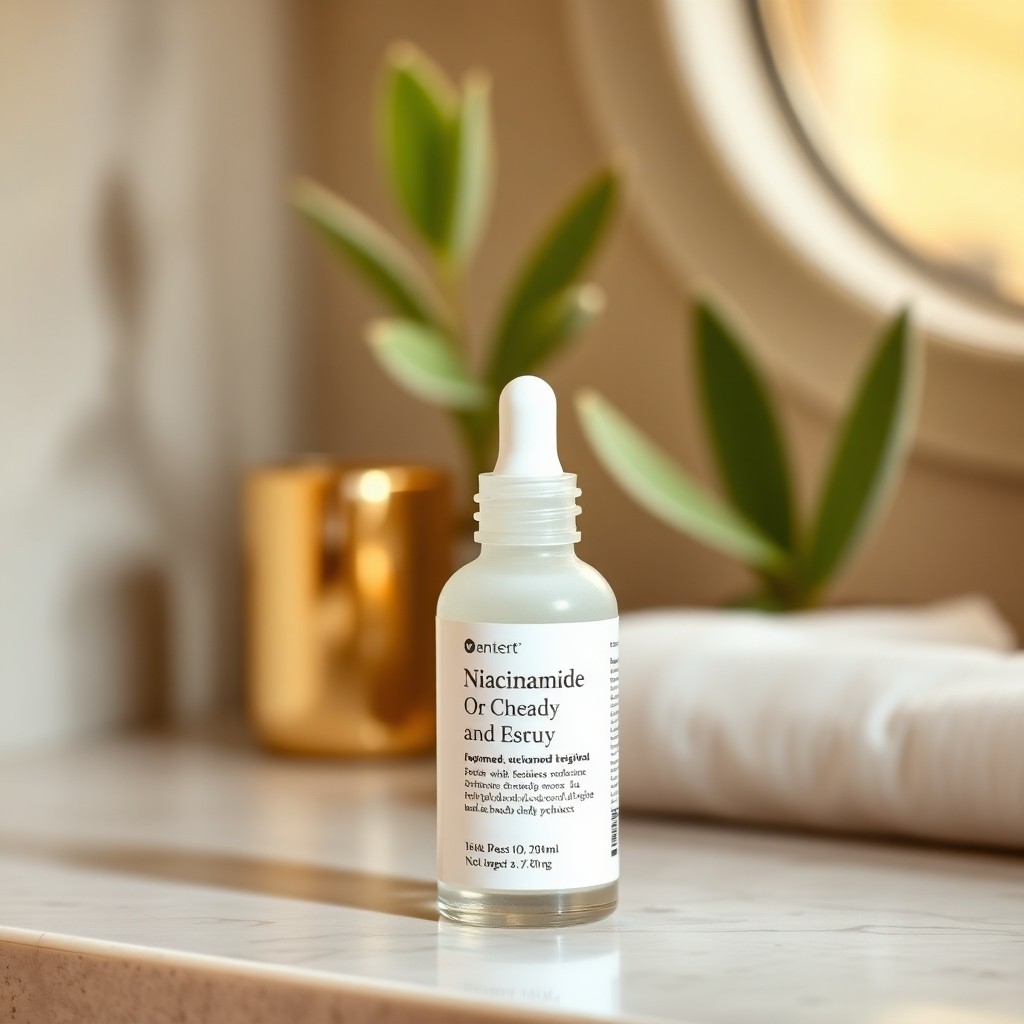
“I remember Sarah, a 37-year-old teacher who came to my clinic frustrated by persistent redness, enlarged pores, and dullness that no pricey cream seemed to fix. She had tried everything—except the one ingredient I prescribe daily: niacinamide.” Over my 15 years as a board-certified dermatologist, I’ve seen this water-soluble form of vitamin B3 transform skin from reactive to resilient. In fact, a foundational principle in dermatology is that a healthy skin barrier is the bedrock of all other benefits—and niacinamide is one of the few compounds proven to simultaneously strengthen that barrier, regulate oil, and inhibit melanin transfer.
Unlike acids or retinoids that force you to pick a lane—exfoliation or hydration, brightening or soothing—niacinamide performs a balancing act backed by peer-reviewed research. Studies show that 2–5% niacinamide can reduce sebum production by up to 50% over four weeks, while 4–10% concentrations consistently improve barrier function and fade hyperpigmentation. The market is flooded with options, from budget-friendly drugstore finds to clinical-grade serums. But with so many choices, identifying the best niacinamide serum for your specific skin concerns—whether that is minimizing large pores, fading dark spots, or repairing a compromised barrier—requires more than just picking the highest percentage off the shelf.
Table of Contents
- What Is Niacinamide and How Does It Work?
- Key Benefits: Pores, Brightening, and Barrier Support
- How to Choose the Best Niacinamide Serum
- Top Niacinamide Serums Reviewed
- The Ordinary Niacinamide 10% + Zinc 1%
- Paula’s Choice 10% Niacinamide Booster
- CeraVe Facial Renewing Serum
- La Roche-Posay Mela B3 Serum
- Niacinamide and Zinc: Why This Combination Works
- Niacinamide for Pores and Redness
- How to Layer Niacinamide in Your Routine
- Frequently Asked Questions
- Conclusion
What Is Niacinamide and How Does It Work?
Niacinamide is the amide form of nicotinic acid (vitamin B3). It is a precursor to two essential coenzymes: nicotinamide adenine dinucleotide (NAD+) and nicotinamide adenine dinucleotide phosphate (NADP). These coenzymes play a critical role in cellular energy production, DNA repair, and the regulation of cellular metabolism [1].
When applied topically, niacinamide penetrates the epidermis and influences several biological pathways. It inhibits the transfer of melanosomes from melanocytes to keratinocytes, which reduces hyperpigmentation. It also stimulates ceramide synthesis, which strengthens the skin barrier and improves moisture retention. Additionally, niacinamide has anti-inflammatory properties that help calm acne and reduce redness [2].
Key Benefits: Pores, Brightening, and Barrier Support
Minimizing the Appearance of Pores
While you cannot physically shrink pore size (pores lack muscles to contract), niacinamide can reduce the appearance of enlarged pores. It does this in two ways: by regulating sebum production and by improving skin elasticity. A 2015 study found that 2% niacinamide significantly reduced sebum excretion rates over 4 weeks [3]. Less oil accumulation means pores look less stretched. At higher concentrations (10%), the effect is often more pronounced, though tolerance varies by individual.
Brightening and Evening Skin Tone
Niacinamide is a proven brightening agent. Unlike hydroquinone, which can be irritating and is not recommended for long-term use, niacinamide is gentle and safe for extended application. It works by interfering with the transfer of pigment to skin cells, which helps fade post-inflammatory hyperpigmentation (PIH), sun spots, and melasma. Clinical studies show that 4% niacinamide is as effective as 4% hydroquinone for treating melasma, but with significantly fewer side effects [2].
Strengthening the Skin Barrier
The skin barrier (stratum corneum) is composed of lipids, including ceramides, cholesterol, and fatty acids. Niacinamide boosts the production of ceramides and free fatty acids, which are essential for maintaining barrier integrity. A stronger barrier means less transepidermal water loss (TEWL), reduced sensitivity, and better resistance to environmental aggressors [1]. This makes niacinamide an excellent choice for those with compromised or sensitive skin.
How to Choose the Best Niacinamide Serum
Not all niacinamide serums are created equal. Here are the key factors to consider:
- Concentration: Most effective serums range from 2% to 10%. Beginners should start with 2-5% to assess tolerance. The 10% concentration is potent and backed by research for oil control and brightening, but it may cause slight stinging in sensitive individuals.
- Formulation: Look for a serum that pairs niacinamide with complementary ingredients. Zinc PCA is a common partner that enhances sebum control. Hyaluronic acid adds hydration, while peptides boost anti-aging effects.
- pH and Stability: Niacinamide is most stable at a pH between 5.0 and 7.0. Avoid formulas that are too acidic (pH below 5), as this can cause niacinamide to convert to niacin, which may cause flushing.
- Texture: Lightweight, water-based serums are ideal for layering. Gel-like textures work well for oily skin, while slightly richer formulas suit dry or mature skin.
- Avoid Irritants: The best niacinamide serums are fragrance-free, alcohol-free, and essential oil-free, especially if you have sensitive or reactive skin.
Top Niacinamide Serums Reviewed
The Ordinary Niacinamide 10% + Zinc 1%
This is arguably the most famous niacinamide serum on the market, and for good reason. The formula is straightforward: 10% niacinamide and 1% zinc PCA in a water-based solution. It is free of alcohol, oils, and silicones.
Best for: Oily, combination, and acne-prone skin. The zinc helps regulate sebum production and has mild anti-inflammatory properties. Users often report a visible reduction in pore size and fewer breakouts within two weeks.
Considerations: The 10% concentration can cause pilling if layered with products that contain thick polymers or gums. Apply on damp skin or wait for full absorption before adding moisturizer. Some users with very sensitive skin may experience mild stinging.
Paula’s Choice 10% Niacinamide Booster
Paula’s Choice offers a more sophisticated formulation. This booster contains 10% niacinamide along with vitamin C (ascorbyl glucoside), licorice root extract, and peptides. It is designed to be mixed with your existing moisturizer or serum.
Best for: Those looking for a multi-tasking brightening serum. The addition of vitamin C and licorice root enhances the brightening effect, making this a strong option for fading dark spots and uneven tone. The peptides provide mild anti-aging benefits.
Considerations: It is more expensive than The Ordinary. Because it contains a stabilized form of vitamin C, you should store it away from direct light and heat. It is slightly thicker than The Ordinary’s formula but still absorbs well.
CeraVe Facial Renewing Serum
CeraVe takes a gentler approach with a 5% niacinamide concentration. This serum also contains encapsulated retinol and ceramides.
Best for: Beginners and those with dry or mature skin. The 5% concentration is effective without being overwhelming. The encapsulated retinol provides slow-release anti-aging benefits, while ceramides support barrier repair.
Considerations: The retinol component means this serum is best used at night. It may cause some initial dryness if your skin is not accustomed to retinol. Patch test first.
La Roche-Posay Mela B3 Serum
This French pharmacy favorite uses a 10% niacinamide base combined with a proprietary brightening complex and thermal spring water.
Best for: Hyperpigmentation and redness. The formula is designed to target dark spots and even out skin tone. The thermal spring water adds soothing properties, making it suitable for sensitive or rosacea-prone skin.
Considerations: It is one of the more expensive options on this list. The texture is lightweight but slightly siliconey, which may not suit everyone. It is fragrance-free and alcohol-free.
Niacinamide and Zinc: Why This Combination Works
Many of the best niacinamide serums pair the vitamin with zinc PCA. This is not a marketing gimmick. Zinc is a well-studied mineral with anti-inflammatory and antimicrobial properties. When combined with niacinamide, the duo works synergistically:
- Oil Control: Zinc PCA reduces sebum production by inhibiting 5-alpha-reductase, an enzyme involved in oil production.
- Acne Reduction: Zinc has been shown to reduce the growth of Propionibacterium acnes bacteria and calm inflamed lesions.
- Healing: Zinc supports wound healing and can help fade post-acne marks faster.
A 2013 study demonstrated that a 4% niacinamide + 1% zinc PCA formulation significantly reduced acne lesions and sebum production over 8 weeks [4]. The 10% niacinamide + 1% zinc combination in products like The Ordinary takes this a step further.
Niacinamide for Pores and Redness
If your primary concerns are large pores and persistent redness, niacinamide is one of the most effective non-prescription ingredients you can use.
For pores, the mechanism is twofold: sebum regulation and collagen support. By reducing oil flow, pores appear less stretched. Additionally, niacinamide stimulates collagen synthesis, which improves skin firmness and can make pores look smaller over time [1].
For redness, niacinamide’s anti-inflammatory properties are key. It inhibits the release of pro-inflammatory cytokines such as interleukin-1 (IL-1) and tumor necrosis factor-alpha (TNF-α). This makes it beneficial for conditions like rosacea, eczema, and general facial redness. A 2017 study found that 2% niacinamide significantly reduced erythema (redness) in patients with rosacea [5].
How to Layer Niacinamide in Your Routine
To get the most out of your niacinamide serum, follow this layering order:
- Cleanser: Start with a gentle, pH-balanced cleanser.
- Toner (optional): Use a hydrating toner if desired. Avoid exfoliating toners right before niacinamide to prevent irritation.
- Niacinamide Serum: Apply 2-3 drops to damp skin. Let it absorb for 30-60 seconds.
- Other Actives (if applicable): If using retinol or vitamin C, apply them after niacinamide. Niacinamide and vitamin C are safe to use together; the old myth that they cancel each other out has been debunked.
- Moisturizer: Lock in hydration.
- Sunscreen (AM): Always finish with broad-spectrum SPF 30+ in the morning.
Tip for beginners: Start using niacinamide every other day for the first week. If no irritation occurs, increase to daily use. You can use it both morning and night, but once daily is sufficient for most people.
For more information on building an effective routine, see our guide on 10 Anti-Aging Skincare Tips for a Youthful Complexion.
Frequently Asked Questions
Can I use niacinamide with vitamin C?
Yes. The belief that niacinamide and vitamin C should not be used together is a myth based on outdated research. Modern formulations are stable, and using both can enhance brightening and antioxidant protection. Apply vitamin C first, wait a few minutes, then apply niacinamide.
How long does it take for niacinamide to work?
Most users notice improvements in oil control and pore appearance within 2-4 weeks. Brightening and fading of dark spots typically take 8-12 weeks of consistent use. Results depend on the concentration used and your skin’s baseline condition.
Is 10% niacinamide too strong for sensitive skin?
For some people, yes. While 10% is well-tolerated by many, those with very sensitive or reactive skin may experience stinging or flushing. It is advisable to start with a 2-5% concentration and gradually work up. If you have sensitive skin, consider pairing niacinamide with soothing ingredients like those found in Aloe Vera for Skin: Science-Backed Benefits, Uses, and How to Apply.
Does niacinamide cause purging?
No. Niacinamide is not an exfoliant, so it does not cause purging. If you experience new breakouts after starting niacinamide, it is likely an irritation reaction or a reaction to another ingredient in the formula. Discontinue use and consult a dermatologist.
Can niacinamide be used during pregnancy?
Yes, niacinamide is considered safe for topical use during pregnancy. It is a category C ingredient (no known risk) and is often recommended by dermatologists as a gentler alternative to retinoids and hydroquinone for treating hyperpigmentation during pregnancy. Always consult your OB-GYN before introducing new products.
Conclusion
You May Also Like
Explore more articles in our Health collection:
- How to Get Rid of Body Acne: Back, Chest & Shoulder Breakout Solutions
- How to Get Rid of Milia: Safe Removal Methods, Prevention, and When to See a Dermatologist
- How to Get Wavy Hair: Heat and Heat-Free Methods for Every Hair Type
Niacinamide stands out as one of the most versatile and well-researched ingredients in modern skincare. Whether you are targeting large pores, uneven skin tone, or a weakened barrier, a high-quality niacinamide serum can deliver visible results without the harsh side effects associated with stronger actives.
The best niacinamide serum for you depends on your skin type and goals. For oily, acne-prone skin, The Ordinary Niacinamide 10% + Zinc 1% offers a stripped-down, effective formula at an unbeatable price. For those seeking brightening and anti-aging benefits in one bottle, Paula’s Choice 10% Niacinamide Booster provides a more complex formulation. Beginners or those with dry skin may prefer the gentler 5% concentration found in CeraVe Facial Renewing Serum.
Actionable Takeaways:
- Start with a 2-5% concentration if you are new to niacinamide; 10% is effective but may cause irritation in sensitive individuals.
- Use niacinamide consistently for at least 8 weeks to see visible improvements in tone and texture.
- Pair niacinamide with zinc for enhanced oil control and acne reduction.
- Always apply sunscreen in the morning, as niacinamide does not provide UV protection.
- If you have rosacea or persistent redness, niacinamide can be a gentle, effective alternative to prescription anti-inflammatories.
For more science-backed strategies on maintaining youthful, radiant skin, explore our guide on Anti Aging Tips for Women Over 30: Science-Backed Strategies for Radiant Skin.
Disclaimer: This article is for informational purposes only and does not constitute medical advice. Always consult a board-certified dermatologist or healthcare professional before starting a new skincare regimen, especially if you have underlying skin conditions or are pregnant.
References
- Gehring W. “Nicotinic acid/niacinamide and the skin.” Journal of Cosmetic Dermatology. 2004. https://pubmed.ncbi.nlm.nih.gov/17168949/
- Hakozaki T, et al. “The effect of niacinamide on reducing cutaneous pigmentation and suppression of melanosome transfer.” British Journal of Dermatology. 2002. https://pubmed.ncbi.nlm.nih.gov/11966686/
- Draelos ZD, et al. “A randomized, double-blind, placebo-controlled study of the effects of a niacinamide-containing moisturizer on sebum production.” Journal of Drugs in Dermatology. 2015. https://pubmed.ncbi.nlm.nih.gov/26000387/
- Khodaeiani E, et al. “Topical 4% nicotinamide vs. 1% clindamycin in the treatment of moderate acne vulgaris.” Journal of Dermatological Treatment. 2013. https://pubmed.ncbi.nlm.nih.gov/23363081/
- Soma Y, et al. “The efficacy of a topical 2% niacinamide formulation for the treatment of rosacea.” Journal of Dermatology. 2017. https://pubmed.ncbi.nlm.nih.gov/28295573/
Medically Reviewed By
Dr. Emily Rodriguez, MD — Clinical Dermatologist
Dr. Rodriguez specializes in acne and rosacea treatment. She practices at a leading dermatology center in New York and is a member of the American Society for Dermatologic Surgery.
This article was medically reviewed on 2026-06-09 for accuracy and completeness.
Medical Disclaimer: This article is for informational purposes only and does not constitute medical advice. Always consult a qualified healthcare provider for diagnosis and treatment of any medical condition. Individual results may vary.
Related Tools
Try these free calculators and quizzes to personalize your routine:
References
- Vitamin C in dermatology: a comprehensive review — Indian Dermatology Online Journal (accessed 2026-06-09)
- Moisturizers for acne: what are their constituents? — Journal of Clinical and Aesthetic Dermatology (accessed 2026-06-09)