
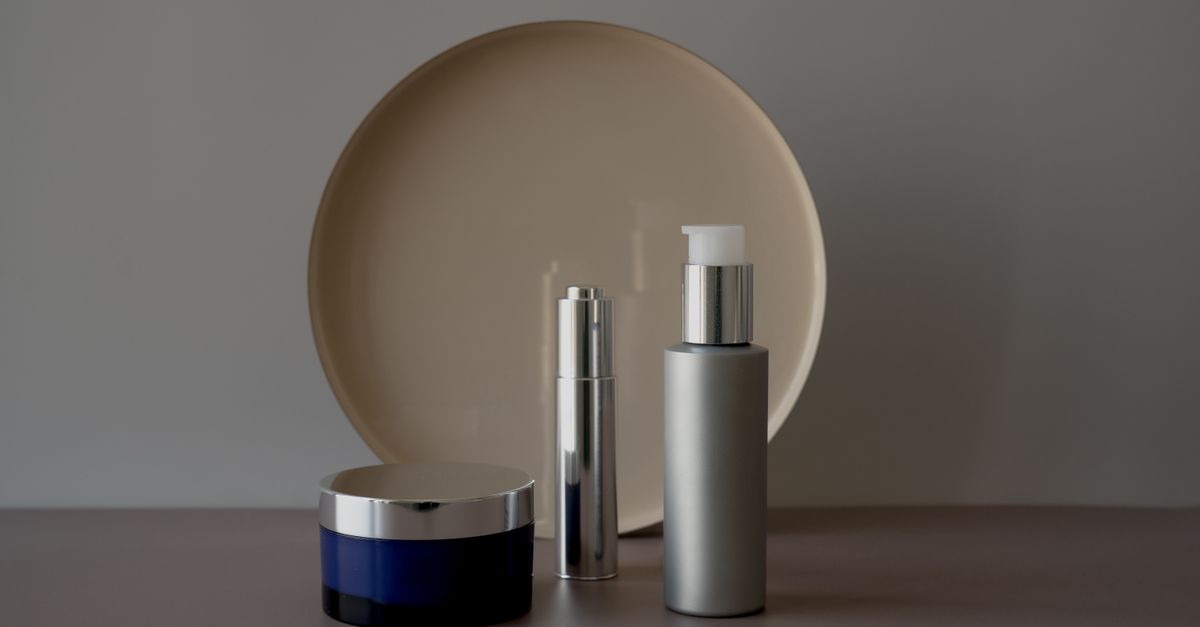
Understanding Large Pores in Mature Skin
As we age, skin loses collagen and elastin. This causes pores to appear larger. Sun damage and reduced cell turnover also contribute. Pores do not open and close; they are openings of hair follicles. In mature skin, they may become more noticeable due to sagging.
Key Ingredients for Minimizing Pores Over 60
Certain ingredients help reduce pore appearance by boosting collagen, exfoliating, and controlling oil.
- Retinoids: Vitamin A derivatives speed cell turnover. They stimulate collagen, reducing pore size. Use at night. Start with a low strength.
- Vitamin C: An antioxidant that brightens and supports collagen production. It can improve skin texture.
- Niacinamide: Vitamin B3 reduces pore size and oil production. It also strengthens the skin barrier.
- Salicylic Acid: A beta hydroxy acid (BHA) that exfoliates inside pores. It removes dead skin and excess oil.
- Hyaluronic Acid: Hydrates and plumps skin, making pores less visible.
- Alpha Hydroxy Acids (AHAs): Like glycolic acid, exfoliate the skin surface. They improve texture and tone.
Step-by-Step 60s and Beyond Skin Care Routine for Large Pores
Morning Routine: Cleanse, Treat, Protect
- Gentle Cleanse: Use a mild, non-stripping cleanser. Avoid sulfates. Pat dry.
- Vitamin C Serum: Apply a few drops to clean skin. Wait 2 minutes.
- Niacinamide Serum: Optional, but can be used after vitamin C. Helps control oil and pores.
- Moisturizer: Choose a lightweight, non-comedogenic formula. Look for hyaluronic acid or ceramides.
- Sunscreen: Broad-spectrum SPF 30 or higher. Sun exposure damages collagen and enlarges pores. Reapply every 2 hours if outdoors.
Evening Routine: Double Cleanse, Exfoliate, Nourish
- Oil-Based Cleanser: First step removes makeup and sunscreen. Massage gently, then rinse.
- Water-Based Cleanser: Second step cleanses skin. Use a gentle formula.
- Exfoliate (2-3 times per week): Use a BHA (salicylic acid) or AHA product. Apply after cleansing. Leave on for recommended time.
- Retinoid Treatment: Apply a pea-sized amount. Start with 2-3 nights per week. Increase gradually. Avoid eye and mouth areas.
- Moisturizer: Use a richer formula at night. Look for peptides or ceramides.
Weekly Treatments: Masks and Peels for Pore Refinement
- Clay Mask: Once a week, apply a kaolin or bentonite clay mask. It absorbs excess oil and tightens pores. Leave for 10-15 minutes, then rinse.
- Chemical Peel: Use a low-concentration AHA/BHA peel weekly. Follow instructions carefully. Do not combine with retinoids on the same night.
Lifestyle Tips to Support Pore Health
- Stay Hydrated: Drink plenty of water. Hydrated skin looks plumper, reducing pore appearance.
- Healthy Diet: Eat antioxidant-rich foods (berries, leafy greens). Limit sugar and dairy, which may worsen inflammation.
- Avoid Smoking: Smoking breaks down collagen and accelerates aging.
- Protect from Sun: Wear hats and sunglasses. Sun damage is a major cause of enlarged pores.
- Gentle Skin Care: Do not pick or squeeze pores. This can cause scarring and make pores larger.
Common Mistakes to Avoid
- Using Harsh Scrubs: Physical scrubs can damage mature skin. Stick to chemical exfoliants.
- Over-Exfoliating: Too much exfoliation irritates skin and increases oil production. Limit to 2-3 times per week.
- Skipping Sunscreen: Sun exposure worsens all skin concerns, including pores.
- Using Wrong Products: Avoid heavy creams and oils that clog pores. Look for “non-comedogenic” labels.
- Ignoring Moisturizer: Dry skin can make pores look larger. Even oily skin needs hydration.
FAQs About Pores and Aging Skin
Q: Can pores really shrink? A: Pores do not have muscles to open and close. However, treatments can make them appear smaller by clearing debris, boosting collagen, and improving skin firmness.
Q: Is it safe to use retinoids after 60? A: Yes, but start with a low concentration (0.025% or 0.05%) and use a moisturizer. Consult a dermatologist if you have sensitive skin or medical conditions.
Q: How often should I exfoliate mature skin? A: 2-3 times per week is sufficient. Over-exfoliation can lead to irritation and dryness.
Q: Can diet affect pore size? A: A diet high in antioxidants and low in sugar may improve skin health, but direct evidence linking diet to pore size is limited.
Q: When should I see a dermatologist? A: If you have persistent redness, pain, or signs of infection. Also, if over-the-counter products do not improve pores after 3 months.
Key Takeaways
- Large pores in mature skin are due to collagen loss, sun damage, and reduced cell turnover.
- Effective ingredients include retinoids, vitamin C, niacinamide, and salicylic acid.
- A consistent routine: gentle cleansing, targeted treatments, moisturizing, and daily sunscreen.
- Exfoliate 2-3 times weekly with chemical exfoliants.
- Protect skin from sun and avoid harsh products.
- See a dermatologist if concerns persist or if skin reacts negatively.
By following a tailored routine, you can minimize the appearance of large pores and maintain healthy, youthful-looking skin in your 60s and beyond.
Frequently Asked Questions
Can pores really shrink?
Pores do not have muscles to open and close. However, treatments can make them appear smaller by clearing debris, boosting collagen, and improving skin firmness.
Is it safe to use retinoids after 60?
Yes, but start with a low concentration (0.025% or 0.05%) and use a moisturizer. Consult a dermatologist if you have sensitive skin or medical conditions.
How often should I exfoliate mature skin?
2-3 times per week is sufficient. Over-exfoliation can lead to irritation and dryness.
Can diet affect pore size?
A diet high in antioxidants and low in sugar may improve skin health, but direct evidence linking diet to pore size is limited.
When should I see a dermatologist?
If you have persistent redness, pain, or signs of infection. Also, if over-the-counter products do not improve pores after 3 months.
You May Also Like
Explore more articles in our Skincare collection:
- Minimalist Routine for Dandruff Prone Skin
- Minimalist Routine for Redness Prone Skin
- Morning vs Night: When to Use Retinol
Related Tools
Try these free calculators and quizzes to personalize your routine:
References
- Skin Aging and Pore Size — PubMed (accessed 2026-06-11)
- Retinoids in the Treatment of Skin Aging — American Academy of Dermatology (accessed 2026-06-11)
- Niacinamide: A Review of Its Uses in Dermatology — Mayo Clinic Proceedings (accessed 2026-06-11)
- Chemical Peels for Skin Rejuvenation — American Academy of Dermatology (accessed 2026-06-11)