
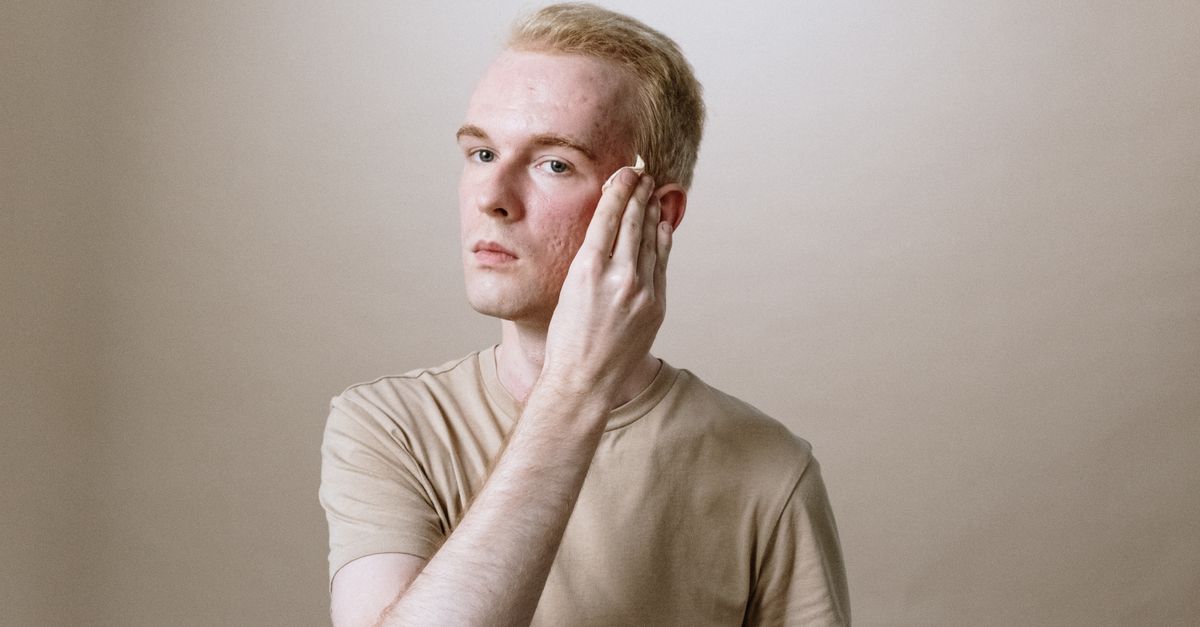
Understanding Acne in Your 60s and Beyond
Acne is not just a teenage problem. Many adults experience breakouts well into their 60s and beyond. This is called adult-onset or persistent acne. Hormonal changes, stress, and certain medications can trigger it. Menopause reduces estrogen, leading to an imbalance that increases sebum production. This oil can clog pores and cause acne.
In mature skin, acne often appears as inflamed bumps or deep cysts. It may also include blackheads and whiteheads. The skin is thinner and less elastic. Healing takes longer. Scars and dark spots are more common. A gentle approach is essential.
Gentle Cleansing: The Foundation of Your Routine
Cleansing removes dirt, oil, and makeup. For mature acne-prone skin, use a gentle, non-stripping cleanser. Harsh soaps can dry out the skin and worsen acne.
- Choose a sulfate-free cleanser. Look for ingredients like glycerin or ceramides.
- Wash twice daily. Morning and night. Over-washing can irritate.
- Use lukewarm water. Hot water strips natural oils.
- Pat dry with a soft towel. Rubbing can cause irritation.
Consider a cleanser with salicylic acid (0.5% to 2%). It exfoliates inside pores. But start slowly to avoid dryness. Alternatively, use a gentle cleanser and treat acne separately.
Targeted Treatments for Mature Acne-Prone Skin
Treatments should be effective but not harsh. The goal is to reduce acne without damaging the skin barrier.
Retinoids and Retinol Alternatives
Retinoids are vitamin A derivatives. They speed up cell turnover and prevent clogged pores. They also boost collagen, reducing fine lines.
- Prescription retinoids: Tretinoin, tazarotene. Very effective but can be drying. Start with a low strength (0.025% tretinoin) every other night.
- Over-the-counter retinol: Weaker but gentler. Suitable for sensitive mature skin.
- Alternatives: Bakuchiol (plant-based), adapalene (OTC in some countries). These are less irritating.
How to use: Apply a pea-sized amount to clean, dry skin at night. Wait 20 minutes after cleansing. Moisturize after. Use sunscreen daily.
Benzoyl Peroxide and Salicylic Acid: Use with Caution
Benzoyl peroxide kills acne-causing bacteria. It also helps unclog pores. But it can be very drying and bleaching. For mature skin, use low concentrations (2.5% to 5%). Apply only to active pimples, not all over.
Salicylic acid is a beta hydroxy acid (BHA). It exfoliates inside pores. It is oil-soluble, so it works well for blackheads and whiteheads. Use concentrations up to 2%. Start with once daily. Avoid combining with other strong actives.
Important: Do not use benzoyl peroxide and retinol together. They can cancel each other out. Use benzoyl peroxide in the morning and retinol at night. Or alternate nights.
Hydration Without Clogging Pores
Moisturizer is crucial. Mature skin is drier and needs hydration. But many moisturizers can clog pores. Look for non-comedogenic (won’t clog pores) products.
- Gel-based moisturizers: Lightweight and oil-free. Good for oily areas.
- Lotion or cream: For drier skin. Choose ones with hyaluronic acid, glycerin, or ceramides.
- Avoid heavy oils: Coconut oil, cocoa butter, and shea butter can cause breakouts.
- Niacinamide: A form of vitamin B3. It reduces inflammation, regulates oil, and strengthens the skin barrier. It is well-tolerated.
Routine example:
- Cleanse
- Apply treatment (if using)
- Moisturize
- Sunscreen (morning)
Sun Protection: Non-Negotiable for Acne and Aging
Sun exposure worsens acne scars and dark spots. It also accelerates aging. Sunscreen is a must.
- Use SPF 30 or higher. Broad-spectrum (UVA/UVB protection).
- Choose oil-free, non-comedogenic formulas. Mineral sunscreens (zinc oxide, titanium dioxide) are less likely to irritate.
- Apply every morning. Reapply every 2 hours if outdoors.
- Don’t skip cloudy days. UV rays penetrate clouds.
Lifestyle Factors: Diet, Stress, and Sleep
What you eat and how you live affect your skin.
- Diet: High-glycemic foods (sugar, white bread) can spike insulin and worsen acne. Dairy may also trigger breakouts for some. Eat a balanced diet with fruits, vegetables, whole grains, and lean protein.
- Stress: Stress increases cortisol, which can boost oil production. Practice relaxation techniques like meditation, deep breathing, or yoga.
- Sleep: Aim for 7-9 hours per night. Poor sleep raises stress hormones and inflammation.
When to See a Dermatologist
If over-the-counter products don’t help after 8-12 weeks, see a dermatologist. Also, if acne is severe, painful, or leaving scars. A doctor can prescribe stronger treatments.
- Prescription medications: Topical antibiotics, oral antibiotics, spironolactone (for hormonal acne), or isotretinoin.
- Procedures: Chemical peels, laser therapy, or extraction.
- Check for underlying causes: Hormonal imbalances, medication side effects.
Key Takeaways
- Acne in your 60s is common due to hormonal changes.
- Use gentle, non-comedogenic products.
- Start treatments slowly to avoid irritation.
- Sunscreen is essential every day.
- See a dermatologist if acne persists or worsens.
Frequently Asked Questions
Q: Can I use the same acne products I used in my 20s? A: No. Mature skin is thinner and more sensitive. Use gentler formulations.
Q: Does makeup cause acne in older skin? A: Some makeup can clog pores. Choose non-comedogenic, oil-free products. Clean brushes regularly.
Q: Is it safe to use retinol with other anti-aging ingredients? A: Yes, but avoid combining with strong acids or benzoyl peroxide at the same time. Use them on alternate days.
Q: Can hormone replacement therapy help acne? A: Possibly. HRT can balance hormones. Discuss with your doctor.
Q: How long does it take to see results? A: Typically 8-12 weeks with consistent use. Patience is key.
Citations
- American Academy of Dermatology. “Acne in adults.” https://www.aad.org/public/diseases/acne/really-acne/adult-acne
- Mayo Clinic. “Adult acne: Understanding underlying causes and banishing breakouts.” https://www.mayoclinic.org/diseases-conditions/acne/in-depth/adult-acne/art-20048305
- National Institutes of Health (PubMed). “Retinoids in the treatment of skin aging: an overview of clinical efficacy and safety.” https://pubmed.ncbi.nlm.nih.gov/15508219/
- Journal of Clinical and Aesthetic Dermatology. “The role of diet in acne: a review.” https://www.ncbi.nlm.nih.gov/pmc/articles/PMC2836431/
You May Also Like
Explore more articles in our Skincare collection:
- How to Get Rid of Hooded Eyes: A Complete Guide to Causes, Treatments, and Prevention
- How to Heal Split Ends: A Complete Step-by-Step Guide to Repair and Prevent Damage
- How to Protect Blackheads: The Ultimate Guide to Prevention, Treatment, and Clear Skin
Related Tools
Try these free calculators and quizzes to personalize your routine:
References
- Acne in adults — American Academy of Dermatology (accessed 2026-06-11)
- Adult acne: Understanding underlying causes and banishing breakouts — Mayo Clinic (accessed 2026-06-11)
- Retinoids in the treatment of skin aging: an overview of clinical efficacy and safety — PubMed (accessed 2026-06-11)
- The role of diet in acne: a review — Journal of Clinical and Aesthetic Dermatology (accessed 2026-06-11)