
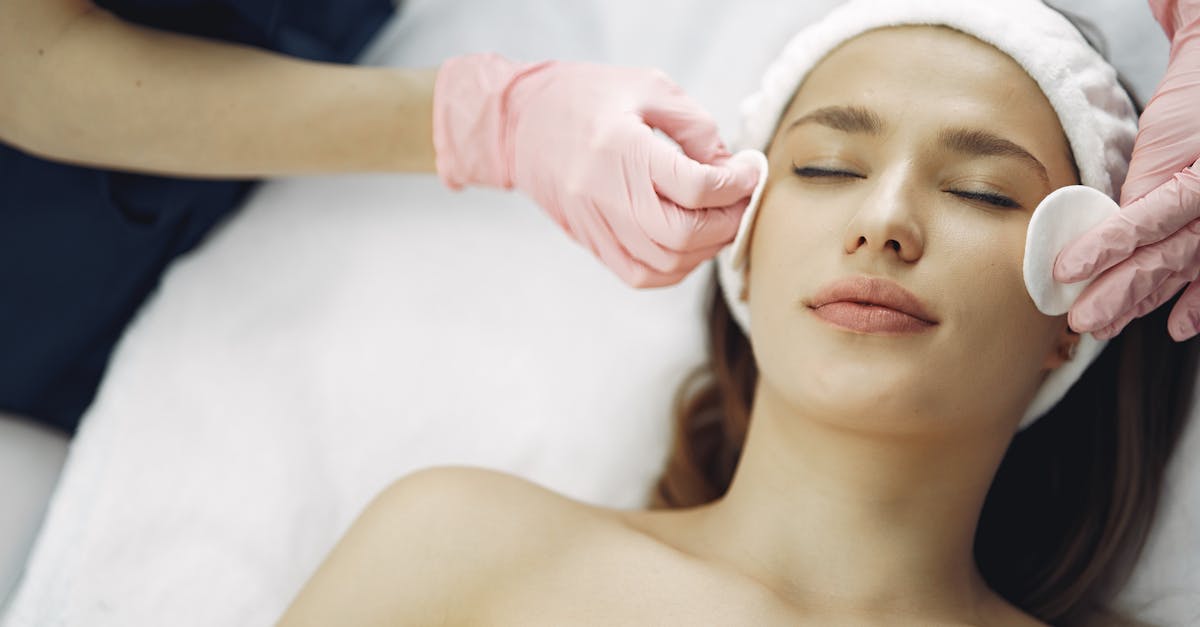
Introduction: Why Your 30s Skin Care Routine Matters for Thinning Hair
Your 30s are a decade of change. Hormones shift. Skin loses collagen. Hair may start to thin. This is not just about aging. It is about the connection between your skin and hair. A targeted skin care routine can help. It supports both your face and your scalp. This article explains how. You will get a step-by-step routine. It is designed for thinning hair. It also boosts skin health.
Understanding the Connection Between Skin and Hair Health
Your skin and hair share a common origin. They both come from the same embryonic layer. They rely on the same nutrients. They respond to the same hormones. So, if your skin is unhealthy, your hair may suffer. This is especially true for your scalp. The scalp is skin too. It needs care like your face.
The Role of Scalp Health in Hair Thinning
Your scalp is the soil for your hair. Healthy soil grows strong plants. A healthy scalp grows strong hair. But when the scalp is inflamed, dry, or clogged, hair growth slows. This can lead to thinning. Common scalp issues include:
- Dandruff
- Seborrheic dermatitis
- Psoriasis
- Folliculitis
These conditions cause inflammation. Inflammation damages hair follicles. It can shorten the hair growth cycle. This leads to thinner hair over time.
Hormonal Changes in Your 30s and Their Impact
In your 30s, hormones start to change. For women, estrogen drops. For men, testosterone may decrease. These changes affect hair. Dihydrotestosterone (DHT) is a key culprit. DHT is a byproduct of testosterone. It shrinks hair follicles. This is called miniaturization. It leads to pattern baldness.
Stress also plays a role. It raises cortisol. Cortisol can push hair into a resting phase. This is called telogen effluvium. It causes sudden shedding. The good news? A consistent routine can help.
Step-by-Step 30s Skin Care Routine for Thinning Hair
This routine covers both face and scalp. It takes about 10 minutes. Do it twice daily (morning and night).
Step 1: Gentle Cleansing for Scalp and Face
Use a mild, sulfate-free cleanser. Harsh shampoos strip natural oils. This dries the scalp. Dry scalp leads to itching and flakes. Choose a shampoo with:
- Salicylic acid (for flakes)
- Ketoconazole (for fungus)
- Pyrithione zinc (for dandruff)
For your face, use a gentle cleanser. Avoid scrubbing. Pat dry with a soft towel.
Step 2: Exfoliation to Promote Circulation
Exfoliate 1-2 times per week. Use a scalp scrub or a brush. This removes dead skin cells. It boosts blood flow. Blood carries oxygen and nutrients to follicles. For face, use a chemical exfoliant. Look for AHAs or BHAs. Start with 2% salicylic acid. It unclogs pores.
Step 3: Targeted Serums for Hair Growth and Skin Rejuvenation
Apply a serum to your scalp. Look for ingredients like:
- Minoxidil (FDA-approved for hair growth)
- Peptides
- Caffeine
- Redensyl
For your face, use a serum with:
- Vitamin C (antioxidant)
- Hyaluronic acid (hydration)
- Retinoids (collagen boost)
Apply serums to damp skin. This helps absorption.
Step 4: Moisturizing and Nourishing Both Skin and Scalp
Moisturizer is key. For scalp, use a lightweight lotion. Or a leave-in conditioner. This prevents dryness. For face, use a moisturizer with ceramides. Ceramides repair the skin barrier. A healthy barrier locks in moisture.
Step 5: Sun Protection for Face and Scalp
Sun damage harms both skin and hair. UV rays break down collagen. They also damage hair follicles. Use a broad-spectrum sunscreen SPF 30+. For scalp, use a spray or powder. Or wear a hat. Reapply every 2 hours.
Key Ingredients to Look For
Choose products with these ingredients. They have scientific backing.
Peptides and Biotin
Peptides are short chains of amino acids. They signal cells to produce collagen. This strengthens hair and skin. Biotin is a B vitamin. It supports keratin production. Keratin is the protein in hair. Studies show biotin can improve hair growth in deficiency.
Niacinamide and Caffeine
Niacinamide is vitamin B3. It reduces inflammation. It also boosts circulation. Caffeine stimulates hair follicles. It blocks DHT. A 2014 study found caffeine promotes hair growth in men.
Antioxidants and Essential Oils
Antioxidants fight free radicals. They protect hair follicles. Examples: vitamin E, green tea extract. Essential oils like rosemary oil can improve circulation. A 2015 study showed rosemary oil works like minoxidil for hair growth.
Lifestyle Tips to Complement Your Routine
Your routine is not just products. Lifestyle matters too.
Diet and Hydration
Eat a balanced diet. Include:
- Protein (chicken, eggs, beans)
- Omega-3 fatty acids (salmon, walnuts)
- Iron (spinach, red meat)
- Zinc (oysters, pumpkin seeds)
- Vitamin D (sunlight, supplements)
Drink 8 glasses of water daily. Dehydration dries skin and scalp.
Stress Management and Sleep
Chronic stress raises cortisol. This can trigger hair loss. Practice stress reduction:
- Meditation
- Yoga
- Deep breathing
- Exercise
Sleep 7-9 hours per night. Sleep is when your body repairs. It produces growth hormone. This supports hair growth.
Common Mistakes to Avoid
Avoid these pitfalls:
- Over-washing: Washing hair daily strips oils. Wash 2-3 times per week.
- Using hot water: Hot water dries scalp. Use lukewarm water.
- Skipping conditioner: Conditioner hydrates hair. It prevents breakage.
- Tying hair too tight: Tight ponytails cause traction alopecia.
- Ignoring scalp: Your scalp needs care. Treat it like your face.
- Using too many products: More is not better. Stick to essentials.
Conclusion
You May Also Like
Explore more articles in our Beauty collection:
- Best K-Beauty Cleanser for Hair Loss
- Best K-Beauty Cleanser for Sun Damage
- Best K-Beauty Eye Cream for Combination Skin: Consistency is Key
Thinning hair in your 30s is common. But you can take action. A consistent skin care routine helps. It supports both face and scalp. Use the steps above. Choose ingredients backed by science. Pair it with a healthy lifestyle. See a dermatologist if hair loss is sudden or patchy. They can diagnose underlying issues. With time and consistency, you can improve hair health and skin glow.
Key Takeaways
- Scalp health directly affects hair growth.
- Use gentle cleansers and exfoliate weekly.
- Apply targeted serums with minoxidil, peptides, or caffeine.
- Moisturize and always use sunscreen.
- Include biotin, niacinamide, and antioxidants.
- Eat a nutrient-rich diet and manage stress.
- Avoid common mistakes like over-washing.
- Consult a dermatologist for persistent hair loss.
FAQ
Q: Can a skin care routine really help with thinning hair? A: Yes. A routine that includes scalp care improves follicle health. It can reduce inflammation and promote growth.
Q: How often should I exfoliate my scalp? A: Once or twice a week. Over-exfoliation can irritate the scalp.
Q: Is minoxidil safe for women in their 30s? A: Yes, minoxidil is FDA-approved for women. Use the 2% or 5% formula. Consult a doctor first.
Q: What foods help prevent hair thinning? A: Foods rich in protein, iron, zinc, and omega-3s. Examples: eggs, salmon, spinach, nuts.
Q: When should I see a dermatologist? A: If you notice sudden or patchy hair loss. Also if you have scalp pain or itching. A dermatologist can run tests.
Citations
- American Academy of Dermatology. “Hair loss: Who gets and causes.” AAD. https://www.aad.org/public/diseases/hair-loss/causes/18-causes
- Mayo Clinic. “Hair loss.” Mayo Clinic. https://www.mayoclinic.org/diseases-conditions/hair-loss/symptoms-causes/syc-20372926
- National Center for Biotechnology Information. “Role of vitamins and minerals in hair loss.” PubMed. https://pubmed.ncbi.nlm.nih.gov/31697386/
- Journal of Dermatological Treatment. “Rosemary oil vs minoxidil for androgenetic alopecia.” PubMed. https://pubmed.ncbi.nlm.nih.gov/25191129/
Related Tools
Try these free calculators and quizzes to personalize your routine:
References
- Hair loss: Who gets and causes — American Academy of Dermatology (accessed 2026-06-11)
- Hair loss — Mayo Clinic (accessed 2026-06-11)
- Role of vitamins and minerals in hair loss — National Center for Biotechnology Information (accessed 2026-06-11)
- Rosemary oil vs minoxidil for androgenetic alopecia — Journal of Dermatological Treatment (accessed 2026-06-11)