Rosacea in 60s and Beyond: What to Know

Understanding Rosacea in Older Adults
Rosacea is a chronic skin condition. It causes redness, bumps, and visible blood vessels. It often affects the face. Many people think rosacea only occurs in middle age. But it can start or worsen in your 60s and beyond.
Rosacea in older adults is common. A study in the Journal of the American Academy of Dermatology found that rosacea prevalence peaks between ages 60 and 70. Yet, it is often underdiagnosed in seniors. Why? Symptoms may be mistaken for other skin issues. For example, sun damage or natural aging.
How Rosacea Differs in the 60+ Age Group
Rosacea in seniors has unique features:
- More persistent redness. Older skin is thinner. Blood vessels are more visible. Redness may not fade as quickly.
- Increased dryness and sensitivity. Aging skin produces less oil. This makes the skin barrier weaker. Rosacea can worsen dryness.
- Higher risk of complications. If left untreated, rosacea can lead to thickening of the skin (rhinophyma). This is more common in older men.
- Different triggers. Sun exposure remains a top trigger. But heat, spicy foods, and alcohol may affect seniors differently.
- Medication interactions. Some blood pressure drugs (like calcium channel blockers) can worsen rosacea. Seniors often take multiple medications.
Common Triggers and Symptoms for Seniors
!Common Triggers and Symptoms for Seniors
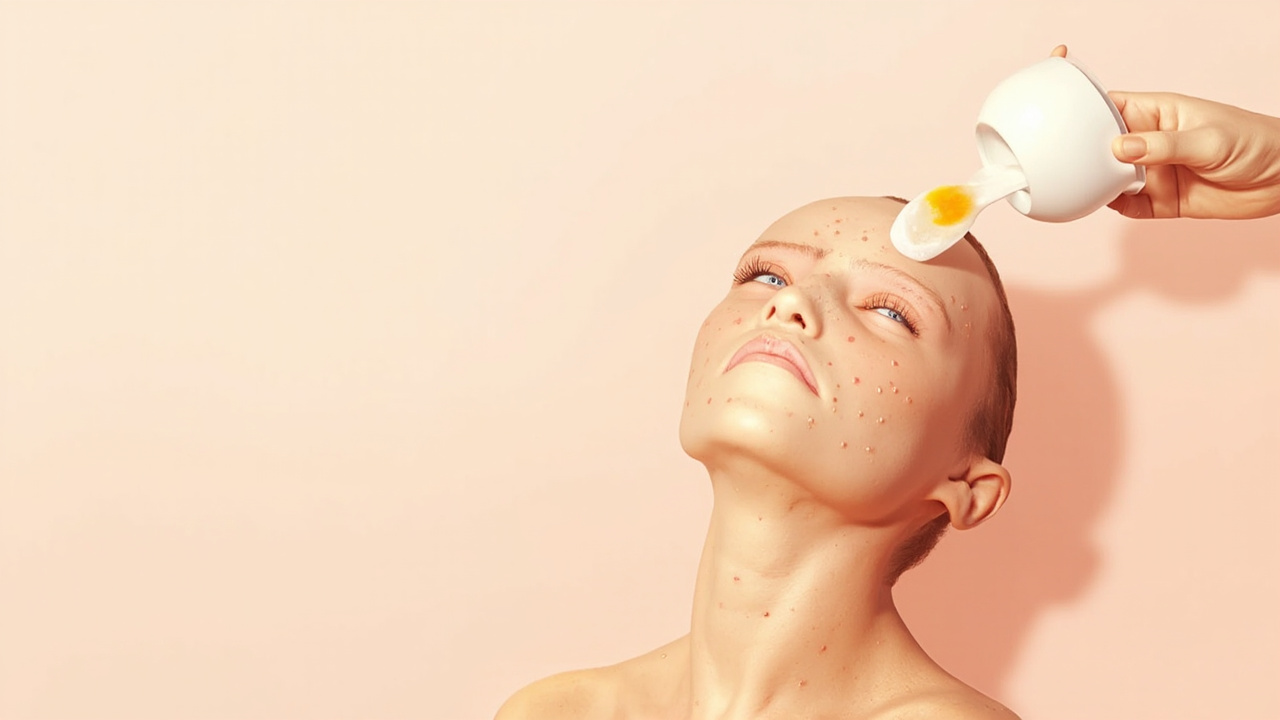
Triggers
Triggers vary by person. Common ones for older adults include:
- Sun exposure. UV rays damage skin and cause flare-ups. Use broad-spectrum sunscreen daily.
- Extreme temperatures. Hot or cold weather can trigger redness. Avoid hot baths and saunas.
- Spicy foods and hot drinks. These dilate blood vessels.
- Alcohol. Red wine is a common trigger.
- Stress. Emotional stress can worsen rosacea.
- Skincare products. Harsh ingredients like alcohol, menthol, or exfoliants can irritate.
- Medications. Some blood pressure drugs, topical steroids, and niacin (vitamin B3) may cause flushing.
Symptoms
Rosacea symptoms in seniors include:
- Persistent facial redness. Usually on the cheeks, nose, chin, and forehead.
- Bumps and pimples. These look like acne but are not. They are called papules and pustules.
- Visible blood vessels. Known as telangiectasias.
- Eye irritation. Dry, red, or swollen eyes (ocular rosacea). This is common in older adults.
- Skin thickening. Especially on the nose (rhinophyma). This is more common in men.
Diagnosis and Treatment Options
!Diagnosis and Treatment Options

Diagnosis is based on symptoms and medical history. There is no specific test. A dermatologist will examine your skin. They may ask about triggers and family history.
Medications and Therapies Suitable for Older Skin
Treatment aims to control symptoms and prevent flares. Options include:
- Topical medications:
- Metronidazole (cream or gel). Reduces inflammation.
- Azelaic acid. Helps with bumps and redness.
- Ivermectin. Treats bumps and pimples.
- Brimonidine. Temporarily reduces redness. Use with caution in seniors due to possible low blood pressure.
- Oral medications:
- Doxycycline (low dose). Reduces inflammation. It is an antibiotic. May cause sun sensitivity.
- Isotretinoin. For severe cases. Not common in seniors due to side effects.
- Laser and light therapies:
- Intense pulsed light (IPL). Reduces redness and visible vessels.
- Pulsed dye laser. Targets blood vessels.
- These are safe for older skin. Multiple sessions may be needed.
- Skincare routine:
- Use gentle cleansers and moisturizers.
- Avoid scrubs and astringents.
- Apply sunscreen daily (SPF 30 or higher).
Lifestyle Tips for Managing Rosacea After 60
Managing rosacea involves lifestyle changes. Here are tips for seniors:
- Protect your skin from the sun. Wear a wide-brimmed hat. Use sunscreen with zinc oxide or titanium dioxide.
- Avoid extreme temperatures. Stay cool in summer. In winter, cover your face with a scarf.
- Choose gentle skincare. Use fragrance-free products. Look for "non-comedogenic" labels.
- Moisturize daily. Use a moisturizer with ceramides or hyaluronic acid. This strengthens the skin barrier.
- Identify and avoid triggers. Keep a diary of flare-ups. Note foods, weather, and activities.
- Manage stress. Try meditation, deep breathing, or gentle exercise.
- Stay hydrated. Drink plenty of water.
- Limit alcohol and spicy foods. If they trigger you, avoid them.
- Check your medications. Ask your doctor if any could worsen rosacea.
- Be patient. Rosacea is chronic. Treatment may take weeks to show results.
When to See a Dermatologist
See a dermatologist if:
- You have persistent facial redness or bumps.
- Over-the-counter products do not help.
- You experience eye symptoms (dryness, redness, blurred vision).
- Your skin thickens or changes texture.
- You are unsure if it is rosacea or another condition.
Early diagnosis prevents complications. A dermatologist can create a personalized treatment plan. For seniors, regular skin checks are important. Rosacea can mimic other skin diseases, like lupus or contact dermatitis.
Key Takeaways
- Rosacea is common in people over 60. It can start or worsen in later years.
- Symptoms include redness, bumps, visible vessels, and eye irritation.
- Triggers include sun, heat, spicy foods, alcohol, and some medications.
- Treatment includes topical and oral medications, laser therapy, and gentle skincare.
- Lifestyle changes like sun protection and trigger avoidance help manage flares.
- See a dermatologist for proper diagnosis and treatment.
- With care, rosacea can be controlled, improving quality of life.
Frequently Asked Questions
Can rosacea develop for the first time after age 60?Yes, rosacea can appear at any age, including after 60. It is often underdiagnosed in seniors.
Is rosacea dangerous for older adults?Rosacea itself is not dangerous, but it can cause eye problems (ocular rosacea) and skin thickening if untreated. It may also affect self-esteem.
Can I use anti-aging creams if I have rosacea?Some anti-aging products contain retinoids or acids that can irritate. Consult a dermatologist before using them.
Does rosacea get worse with age?Without treatment, rosacea may progress. But with proper management, symptoms can be controlled.
Are there any natural remedies for rosacea in seniors?Green tea compresses and aloe vera may soothe skin. But evidence is limited. Always discuss with a doctor before trying home remedies.
Citations
You May Also Like
Explore more articles in our Health collection:
- The Ultimate Guide to Gentle Exfoliation and Soothing Skincare: Merging French Pharmacy Favorites with K-Beauty Wisdom
- The Ultimate Guide to Science-Backed Skincare and Quick-Tanning Innovations: Maximize Your Beauty Routine
- The Ultimate Guide to the Best Cleanser for Split Ends: Repair, Prevent, and Restore
Related Tools
Try these free calculators and quizzes to personalize your routine: