Hair Loss in 20s: What to Know

Understanding Hair Loss in Your 20s
Hair loss in your 20s is more common than you think. It can affect self-esteem and daily life. But understanding the causes is the first step to finding solutions.
Is It Normal to Lose Hair in Your 20s?
Losing some hair every day is normal. The average person sheds 50–100 hairs daily. However, noticeable thinning or bald patches in your 20s is not typical. It may signal an underlying issue. Early intervention can prevent further loss.
Common Causes of Hair Loss in Your 20s
!Common Causes of Hair Loss in Your 20s
Genetics and Androgenetic Alopecia
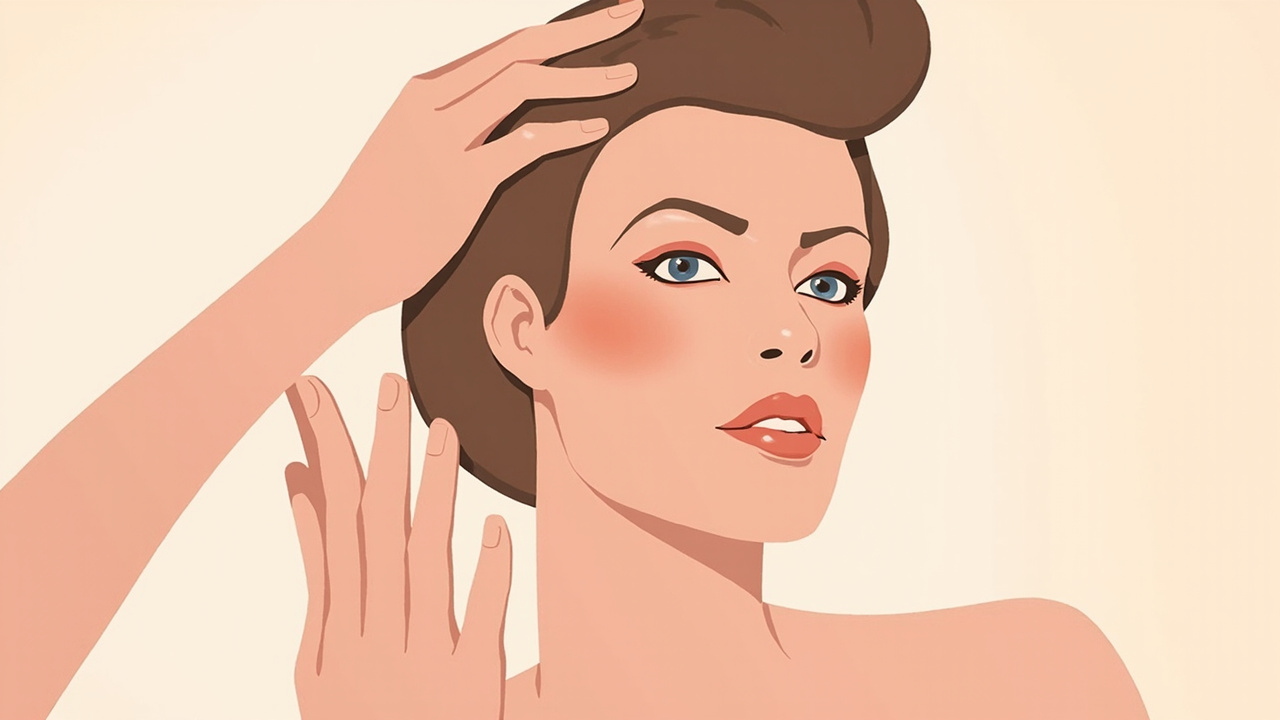
Genetics is the most common cause. Androgenetic alopecia (male or female pattern baldness) can start in your teens or 20s. It is caused by a sensitivity to dihydrotestosterone (DHT), a hormone derived from testosterone. This shrinks hair follicles over time.
- Inherited from either parent
- Affects men and women differently
- Often follows a predictable pattern (receding hairline, thinning crown)
Stress and Lifestyle Factors
High stress can trigger telogen effluvium. This condition pushes hair follicles into a resting phase. Hair may fall out 2–3 months after a stressful event.
- Common triggers: exams, job loss, breakups
- Usually temporary
- Hair regrows once stress reduces
Poor sleep, smoking, and excessive alcohol also contribute.
Nutritional Deficiencies
Your hair needs proper nutrients to grow. Deficiencies in iron, zinc, vitamin D, and B vitamins can cause hair loss.
- Iron deficiency: common in women with heavy periods
- Vitamin D: low levels linked to alopecia
- Crash diets: rapid weight loss stresses the body
Medical Conditions
Several medical conditions cause hair loss in young adults:
- Thyroid disorders: Both hyperthyroidism and hypothyroidism can cause thinning.
- Alopecia areata: An autoimmune disease causing patchy hair loss.
- Scalp infections: Ringworm (tinea capitis) leads to scaly, broken hairs.
- Hormonal imbalances: Polycystic ovary syndrome (PCOS) can cause thinning.
Hairstyling and Hair Damage
Traction alopecia results from tight hairstyles like braids, ponytails, or extensions. Heat styling and chemical treatments weaken hair, leading to breakage.
- Avoid tight styles
- Limit heat tools
- Use gentle products
When to See a Doctor
See a dermatologist if you notice:
- Sudden or patchy hair loss
- Thinning that worsens quickly
- Itching, burning, or scaling on your scalp
- Hair loss with other symptoms (fatigue, weight changes)
Early diagnosis improves outcomes. A doctor can run blood tests, scalp exams, or biopsies.
Treatment Options for Hair Loss in Your 20s
Topical and Oral Medications
- Minoxidil (Rogaine): Over-the-counter topical solution. Stimulates hair growth. Works best for crown thinning. Results in 3–6 months.
- Finasteride (Propecia): Prescription pill for men. Blocks DHT production. Not for women of childbearing age. Side effects include sexual dysfunction in some men.
Low-Level Laser Therapy
Laser devices (combs, helmets) stimulate follicles. FDA-cleared for hair growth. Painless and non-invasive. May take months to see results.
Platelet-Rich Plasma (PRP) Therapy
Your blood is drawn, processed to concentrate platelets, then injected into the scalp. Growth factors in PRP may promote hair growth. Requires multiple sessions.
Hair Transplant Surgery
Permanent solution for genetic hair loss. Hair follicles are moved from a donor area to thinning areas. Best for stable hair loss. Expensive and requires recovery time.
Lifestyle Changes to Prevent and Manage Hair Loss
Diet and Supplements
Eat a balanced diet rich in:
- Protein: eggs, chicken, beans
- Iron: spinach, red meat, lentils
- Omega-3s: salmon, walnuts
- Zinc: oysters, nuts
Supplements may help if deficient. Consult a doctor before starting.
Stress Management
Reduce stress through:
- Regular exercise
- Meditation or yoga
- Adequate sleep (7–9 hours)
- Hobbies and social connections
Gentle Hair Care Routine
- Wash hair with mild shampoo
- Condition regularly
- Avoid hot water
- Use a wide-tooth comb
- Limit chemical treatments
Key Takeaways
- Hair loss in your 20s can have many causes.
- Genetics, stress, nutrition, and medical conditions are common.
- See a dermatologist early for accurate diagnosis.
- Treatments include medications, laser therapy, PRP, and transplant.
- Lifestyle changes like diet and stress reduction help.
- Many causes are reversible with proper care.
Frequently Asked Questions
Can hair loss in your 20s be reversed?
Yes, depending on the cause. Stress-related and nutritional hair loss often reverses with lifestyle changes. Genetic hair loss can be managed with treatments like minoxidil or finasteride.
Is it normal to lose hair at 20?
Losing 50–100 hairs daily is normal. But noticeable thinning or bald patches is not typical and should be evaluated by a dermatologist.
What vitamin deficiency causes hair loss in your 20s?
Common deficiencies include iron, vitamin D, zinc, and B vitamins. A blood test can identify deficiencies.
Does wearing hats cause hair loss?
No, wearing hats does not cause permanent hair loss. However, tight hats may contribute to traction alopecia if worn constantly.
When should I see a doctor for hair loss?
See a doctor if you experience sudden or patchy hair loss, rapid thinning, scalp symptoms, or hair loss with other health changes.
You May Also Like
Explore more articles in our Beauty collection:
- Top Sunscreen for Thinning Hair in 2026
- Weekly Hair Loss Treatment Routine
- When to See a Dermatologist for Frizzy Hair
Related Tools
Try these free calculators and quizzes to personalize your routine: