Redness in 30s: What to Know

Redness in Your 30s: What to Know and How to Manage It
Facial redness in your 30s can be frustrating. You might notice your cheeks look flushed more often. Or you see red bumps that won't go away. This is a common concern. Your skin changes as you age. Collagen levels drop. Blood vessels become more visible. But persistent redness is not something you have to live with. Understanding the cause is the first step to clear, calm skin.
In this guide, we cover the main causes of redness in your 30s. We also share effective treatments and prevention tips. Whether you have rosacea, hormonal changes, or lifestyle triggers, you will find practical advice.
What Causes Facial Redness in Your 30s?
Many factors can cause redness. Some are medical. Others are related to your daily habits. Here are the most common causes.
Rosacea: The Leading Cause
Rosacea is a chronic skin condition. It affects over 16 million Americans. It often starts in your 30s. Symptoms include:
- Persistent redness on the cheeks, nose, chin, or forehead
- Visible blood vessels (telangiectasias)
- Small red bumps or pustules
- Burning or stinging sensation
- Dry, rough skin
Rosacea is not acne. It needs different treatment. Triggers vary by person. Common triggers include sun exposure, spicy foods, alcohol, and stress. A dermatologist can diagnose rosacea. They will also help you find your triggers. For more on rosacea treatments, see [related:rosacea-treatment-options].
Hormonal Changes and Acne
Hormones fluctuate in your 30s. This can cause redness and breakouts. Common hormonal changes include:
- Pregnancy
- Birth control pills
- Perimenopause
- Polycystic ovary syndrome (PCOS)
Hormonal acne often appears on the jawline and chin. It can cause deep, painful cysts. These cysts lead to redness and inflammation. Hormonal changes also affect oil production. More oil can clog pores and cause redness. If you have irregular periods or excess hair growth, see a doctor. They can check for conditions like PCOS.
Lifestyle Factors: Stress, Diet, and Skincare
Your daily habits play a big role. Stress triggers inflammation. Cortisol levels rise. This can increase oil production and worsen redness. Diet also matters. Spicy foods, alcohol, and hot drinks can dilate blood vessels. This causes flushing.
Skincare products are another factor. Harsh ingredients like alcohol, fragrances, and menthol can irritate skin. Over-exfoliating damages the skin barrier. A damaged barrier leads to redness and sensitivity. For more on building a gentle routine, see [related:gentle-skincare-routine-for-sensitive-skin].
Environmental Triggers
Your environment can cause or worsen redness. Common triggers include:
- Sun exposure
- Extreme temperatures (hot or cold)
- Wind
- Air pollution
- Indoor heating or air conditioning
Protecting your skin from the environment is key. Always wear sunscreen. Use a hat and seek shade. Avoid sudden temperature changes.
How to Treat and Prevent Facial Redness
!How to Treat and Prevent Facial Redness
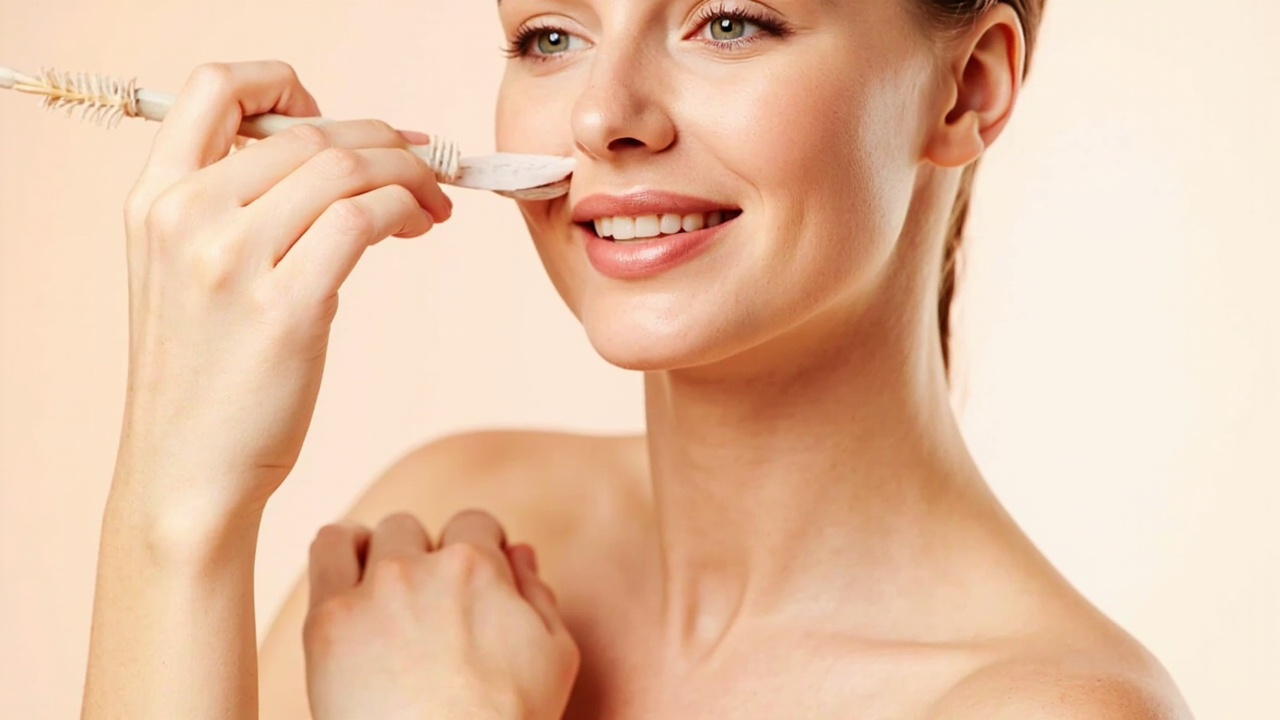
Treatment depends on the cause. But some strategies help almost everyone. Here are the best ways to manage redness.
Adjust Your Skincare Routine
A gentle routine is essential. Here are key steps:
- Use a gentle cleanser. Avoid sulfates and physical scrubs. Look for creamy, non-foaming cleansers.
- Moisturize daily. Choose products with ceramides, niacinamide, or hyaluronic acid. These ingredients soothe and repair the skin barrier.
- Apply sunscreen every day. Use SPF 30 or higher. Choose mineral sunscreens with zinc oxide or titanium dioxide. They are less irritating.
- Avoid hot water. Wash your face with lukewarm water. Hot water strips oils and worsens redness.
- Patch test new products. Apply a small amount behind your ear. Wait 24 hours before full use.
- Simplify your routine. Fewer products reduce the risk of irritation. Stick to cleanser, moisturizer, and sunscreen.
Professional Treatments and Medications
If home care is not enough, see a dermatologist. They may recommend:
- Topical medications: Metronidazole, azelaic acid, or ivermectin for rosacea.
- Oral antibiotics: Doxycycline or minocycline to reduce inflammation.
- Laser therapy: Intense pulsed light (IPL) or vascular lasers can reduce visible blood vessels and redness.
- Chemical peels: Gentle peels improve skin texture and reduce redness.
- Prescription creams: For hormonal acne, retinoids or spironolactone may help.
These treatments are effective. But they require a doctor's guidance. Do not self-treat with strong products.
Lifestyle Changes That Help
Small changes can make a big difference. Try these:
- Manage stress. Practice meditation, yoga, or deep breathing. Exercise regularly. Get enough sleep.
- Identify your triggers. Keep a diary of what you eat, drink, and do. Note when redness appears. Avoid your personal triggers.
- Change your diet. Reduce spicy foods, alcohol, and caffeine. Eat more anti-inflammatory foods like fruits, vegetables, and omega-3s.
- Protect your skin. Wear a wide-brimmed hat. Seek shade during peak sun hours.
- Quit smoking. Smoking damages blood vessels and worsens redness.
When to See a Dermatologist
Some redness needs professional care. See a dermatologist if:
- Redness lasts for weeks or months
- You have painful bumps or pustules
- Redness spreads or gets worse
- You have eye symptoms like dryness, burning, or irritation
- Over-the-counter products do not help
A dermatologist can diagnose the cause. They may perform a skin exam or biopsy. Early treatment prevents scarring and progression. For more on when to seek help, see [related:when-to-see-a-dermatologist-for-redness].
Key Takeaways
- Redness in your 30s is common. But it is not always normal.
- Rosacea is a leading cause. Hormones and lifestyle also contribute.
- Gentle skincare is essential. Use a simple routine with moisturizer and sunscreen.
- See a dermatologist for persistent or severe redness.
- Professional treatments like lasers and medications can help.
Frequently Asked Questions
Can stress cause facial redness?
Yes. Stress increases cortisol. This triggers inflammation. It can worsen conditions like rosacea. Managing stress helps reduce redness.
Is redness in my 30s a sign of aging?
Not directly. Aging can make blood vessels more visible. But redness often has specific causes like rosacea or hormonal changes. Treating the cause can improve redness.
Can diet affect facial redness?
Yes. Spicy foods, alcohol, and hot drinks can dilate blood vessels. This causes flushing. Keep a food diary to identify your triggers.
What skincare ingredients should I avoid for redness?
Avoid alcohol, fragrances, menthol, and harsh exfoliants like physical scrubs. Also avoid products with sulfates or high concentrations of acids.
When should I see a dermatologist for redness?
See a dermatologist if redness persists, worsens, or includes bumps, pustules, or eye symptoms. Early treatment prevents complications.
Can laser therapy help with facial redness?
Yes. Laser therapy like IPL or vascular lasers can reduce visible blood vessels and redness. A dermatologist can determine if you are a good candidate.
Is rosacea curable?
Rosacea is not curable, but it is manageable. With the right treatment and lifestyle changes, you can control symptoms and reduce flare-ups.
Can hormonal changes cause redness in your 30s?
Yes. Hormonal changes from pregnancy, birth control, or perimenopause can cause redness and acne. A doctor can help you manage these changes.
Disclaimer: This article is for informational purposes only. It does not replace professional medical advice. Always consult a dermatologist or healthcare provider for your specific skin concerns.
You May Also Like
Explore more articles in our Health collection:
- Best Hair Gloss for Eczema: A Complete Guide to Soothing Shine
- Best Hair Serum for Dry Skin: A Complete Guide to Hydration and Scalp Health
- Best Hand Mask: Intense Hydration and Anti-Aging for Dry, Aging Hands
Related Tools
Try these free calculators and quizzes to personalize your routine: