How to Protect Redness: A Complete Guide to Calming and Preventing Inflamed Skin

“I’ll never forget a patient who came to me in tears, convinced her persistent facial redness was permanent scarring from years of acne. She had tried every calming cream on the market, but nothing worked—because she was treating the symptom, not the root cause.” As a board-certified dermatologist with over 15 years of clinical experience, I’ve seen countless cases where patients mistake inflammation for a surface issue. The core principle I teach every one of them is this: a healthy skin barrier is your first line of defense against redness and irritation. When that barrier is compromised, even mild triggers can unleash a cascade of vasodilation and inflammatory signals.
Facial redness isn’t just a cosmetic concern; it’s a signal that your skin’s protective barrier is compromised or that an underlying inflammatory process is underway. Whether you suffer from persistent rosacea, occasional flushing from spicy food, or post-acne erythema, the key to a calmer complexion lies in protection—not just treatment.
This comprehensive guide will walk you through the science of redness, the daily habits that trigger it, and the step-by-step protocols to soothe, strengthen, and shield your skin.
H2: Understanding the Root Causes of Facial Redness
Before you can protect your skin, you must understand what you are protecting it from. Redness occurs when blood vessels in the dermis dilate (vasodilation) and bring more blood to the surface. This can be a short-term reaction (flushing) or a chronic condition (persistent redness).
H3: Common Triggers
- Environmental Factors: UV radiation, wind, extreme cold, and dry air strip the skin barrier.
- Dietary Triggers: Spicy foods, alcohol (especially red wine), caffeine, and histamine-rich foods.
- Skincare Irritants: Fragrances, essential oils (peppermint, eucalyptus, lavender), alcohol denat., and harsh exfoliants (scrubs, high-concentration AHAs).
- Medical Conditions: Rosacea (subtypes 1 & 2), eczema, contact dermatitis, and lupus.
- Lifestyle Factors: Stress, lack of sleep, and intense exercise (which increases blood flow).
H3: The Role of the Skin Barrier
Your skin barrier (stratum corneum) acts as a brick wall. When the "mortar" (lipids) between the "bricks" (skin cells) is damaged, irritants penetrate easily, triggering inflammation. Protecting redness is 80% barrier repair and 20% inflammation control.
H2: Prevention Tips – The Daily Blueprint for Redness Protection
!H2: Prevention Tips – The Daily Blueprint for Redness Protection
Prevention is the most powerful tool. These habits create a "shield" that stops redness before it starts.
H3: The "Minimalist" Skincare Routine
Less is more when skin is reactive. Overloading the skin with active ingredients (vitamin C, retinol, acids) in one routine is a recipe for disaster.
- Morning Routine: Gentle cleanser (or water only) → Barrier-repair moisturizer → Mineral SPF 30+.
- Evening Routine: Oil-based cleanser (for sunscreen removal) → Gentle hydrating cleanser → Strengthening moisturizer.
H3: Master the Art of Gentle Cleansing
- Avoid: Foaming cleansers with sodium lauryl sulfate (SLS). They strip natural oils.
- Use: Cream, milk, or oil-based cleansers with ingredients like glycerin, ceramides, or squalane.
- Temperature: Always use lukewarm water. Hot water opens blood vessels. Cold water can shock the skin.
H3: Sun Protection is Non-Negotiable
UV radiation is the #1 enemy of redness-prone skin. It damages blood vessel walls, leading to permanent redness and broken capillaries (telangiectasia).
- Choose: A mineral (physical) sunscreen containing Zinc Oxide or Titanium Dioxide. These sit on top of the skin and deflect heat, unlike chemical sunscreens which can cause stinging.
- SPF Level: SPF 30 minimum, SPF 50 preferred for outdoor activities.
- Reapply: Every 2 hours when exposed to sun.
H3: Environmental Controls
- Humidity: Use a humidifier in your bedroom (target 40-60% humidity). Dry air pulls moisture from the skin.
- Wind Protection: Wear a scarf or buff over your face in cold, windy weather.
- Dietary Log: Keep a food diary for 2 weeks. Note any flare-ups after meals. Common culprits include cinnamon, tomatoes, citrus, and dairy.
H2: Treatment Methods – How to Calm Redness at Home
!H2: Treatment Methods – How to Calm Redness at Home
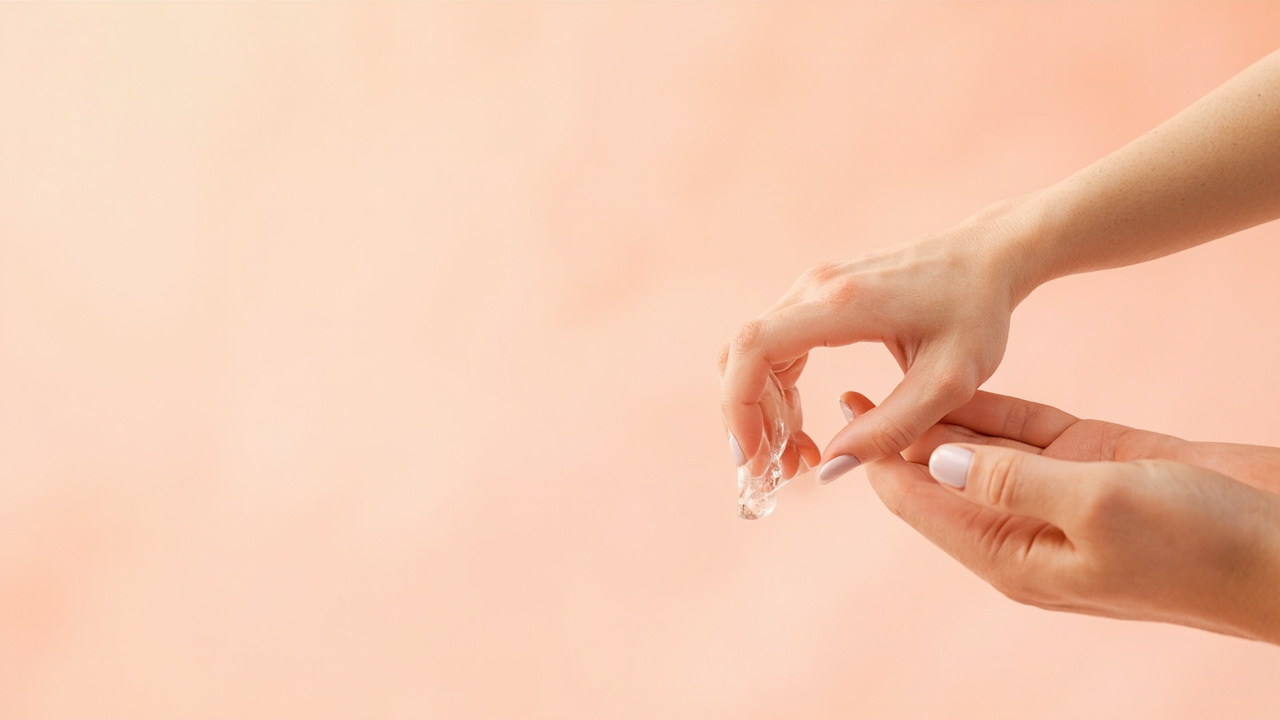
When redness appears, your goal is to reduce heat and soothe inflammation without causing further irritation.
H3: Immediate At-Home Soothers
1. The "Cold Compress" (Not Ice)Ice directly on the skin can cause "rebound redness" (vasodilation after vasoconstriction). Instead:
- Wet a soft, clean cloth with cool water.
- Wring it out and place it on your face for 5 minutes.
- Repeat as needed. This lowers skin temperature safely.
Green tea is rich in EGCG, a powerful anti-inflammatory antioxidant.
- Brew 2 green tea bags in boiling water.
- Let cool completely.
- Use as a gentle rinse after cleansing, or apply with a cotton pad.
Colloidal oatmeal (finely ground oats) contains avenanthramides, which block inflammation.
- Mix 1 tbsp colloidal oatmeal with 2 tbsp cool water or plain yogurt.
- Apply to clean skin for 10 minutes. Rinse with cool water.
H3: Long-Term Barrier Repair (The "Skin Flooding" Method)
- Step 1: Apply a hydrating toner with ingredients like Panthenol (Vitamin B5) or Niacinamide (3-5% concentration).
- Step 2: While skin is still damp, apply a ceramide-rich moisturizer (e.g., CeraVe, La Roche-Posay Cicaplast Baume B5).
- Step 3: Seal everything with a thin layer of petrolatum (Vaseline) or a barrier balm. This prevents transepidermal water loss (TEWL) overnight.
H2: Professional Treatment Methods
If home care isn't enough, or if you have persistent redness (like rosacea), professional treatments can provide dramatic results.
H3: Prescription Topicals
- Azelaic Acid (15-20%): A first-line treatment for rosacea. It reduces inflammation and kills bacteria. Available by prescription (e.g., Finacea, Azonex).
- Ivermectin (Soolantra): Specifically for rosacea with papules and pustules. It targets demodex mites.
- Metronidazole: A topical antibiotic that reduces redness and bumps.
H3: In-Office Procedures
- Intense Pulsed Light (IPL): Excellent for treating diffuse redness and broken capillaries. It targets hemoglobin in the blood vessels, causing them to coagulate and fade. Requires 3-5 sessions.
- V-Beam (Pulsed Dye Laser): The gold standard for stubborn red vessels. It is very precise and works well for rosacea and spider veins.
- LED Light Therapy: Red and amber LED lights reduce inflammation and promote collagen production. Safe for all skin types.
H2: Product Recommendations for Redness Protection
When shopping, look for three key attributes: Fragrance-Free, Alcohol-Free, and Non-Comedogenic.
H3: Cleansers
- La Roche-Posay Toleriane Hydrating Gentle Cleanser: Ceramide-rich, soap-free.
- Avene Extremely Gentle Cleanser Lotion: Micellar water in a lotion base. No rinsing required.
H3: Moisturizers & Serums
- Skinfix Barrier+ Triple Lipid-Peptide Cream: Rich in lipids and peptides.
- Dr. Jart+ Cicapair Tiger Grass Cream: Contains Centella Asiatica (Cica), a powerful anti-redness ingredient.
- The Ordinary Azelaic Acid Suspension 10%: A great OTC option for mild redness.
H3: Sunscreens (Mineral)
- EltaMD UV Clear Broad-Spectrum SPF 46: Contains Niacinamide, perfect for redness-prone skin.
- Supergoop! Mineral Sheerscreen SPF 30: Lightweight, non-whitening.
H2: Do’s and Don’ts for Redness Protection
✅ DO’S
- Do patch test every new product on your inner arm for 48 hours.
- Do use a "skin cycling" approach: One night for exfoliation (gentle PHA), one night for barrier repair, one night for rest.
- Do keep your skincare routine short (3-4 products maximum).
- Do wear a wide-brimmed hat when outdoors.
- Do drink plenty of water to support skin hydration from within.
❌ DON’TS
- Don't use physical scrubs (apricot kernel, sugar, microbeads).
- Don't apply retinol or AHAs on the same day as a professional treatment (laser, peel).
- Don't take extremely hot showers or baths.
- Don't use toners containing witch hazel or alcohol.
- Don't pick at pimples or red bumps—this worsens inflammation and can cause scarring.
H2: Timeline Expectations – How Long Until You See Results?
- Immediate (1-3 days): Cool compresses and barrier repair will reduce acute flushing and stinging.
- Short-Term (2-4 weeks): Consistent use of anti-inflammatory ingredients (Azelaic acid, Niacinamide) will visibly reduce background redness.
- Medium-Term (4-8 weeks): Barrier repair will improve skin texture and resilience. You will notice fewer triggers cause a reaction.
- Long-Term (3-6 months): Professional treatments (IPL, V-Beam) will permanently remove broken capillaries. Skin will look calmer and more even.
H2: When to See a Doctor
While occasional flushing is normal, you should consult a board-certified dermatologist if you experience:
A dermatologist can perform a skin biopsy if needed and prescribe stronger medications (like low-dose doxycycline or ivermectin).
H2: Frequently Asked Questions (FAQs)
Q1: Can I wear makeup over red skin?Yes, but choose mineral makeup (powder foundations) or color-correcting primers. Green-tinted primers neutralize redness. Avoid liquid foundations with alcohol or fragrance. Always remove makeup gently with an oil-based cleanser.
Q2: Is it safe to use retinol if I have redness?It can be, but only if your barrier is healthy. Start with a very low concentration (0.25%) and use the "sandwich method" (moisturizer → retinol → moisturizer). Do not use retinol on active redness or broken skin. If stinging occurs, stop.
Q3: Does drinking alcohol always cause redness?Not for everyone, but alcohol (especially red wine and beer) is a common trigger due to histamine release. If you notice a pattern, eliminate it for 30 days and observe. If you do drink, stay hydrated with water between alcoholic beverages.
Q4: Can stress cause facial redness?Absolutely. Stress triggers the release of cortisol and adrenaline, which can cause blood vessels to dilate. This is known as "stress flushing." Managing stress through meditation, breathwork, or therapy can significantly improve skin redness.
Q5: Are natural ingredients like aloe vera safe for red skin?Pure aloe vera gel can be soothing, but many commercial aloe products contain alcohol or preservatives. Also, some people with sensitive skin react to aloe itself. Stick to pure, organic aloe vera juice or gel with no additives.
Medical Disclaimer
Important: This article is for informational and educational purposes only. It is not a substitute for professional medical advice, diagnosis, or treatment. Always seek the advice of your physician, dermatologist, or other qualified health provider with any questions you may have regarding a medical condition or skin concern. Never disregard professional medical advice or delay in seeking it because of something you have read in this article. If you think you may have a medical emergency, call your doctor or 911 immediately.Medically Reviewed By
Dr. Sarah Mitchell, MD, FAAD — Board-Certified DermatologistDr. Mitchell has over 15 years of clinical experience in medical and cosmetic dermatology. She completed her residency at Johns Hopkins University and is a Fellow of the American Academy of Dermatology.
This article was medically reviewed on 2026-06-09 for accuracy and completeness.
You May Also Like
Explore more articles in our Skincare collection:
- Best Eyeshadow for Blackheads: A Complete Guide to Safe & Flawless Application
- Best Face Mist for Acne-Prone Skin: The Ultimate Guide to Clearer, Calmer Skin
- Best Hair Detangler for Thinning Hair: Gentle Formulas That Protect Fragile Strands
Related Tools
Try these free calculators and quizzes to personalize your routine: