Minimalist Routine for Sun Damage Prone Skin

Understanding Sun Damage and Its Effects on Skin
Sun damage occurs when ultraviolet (UV) radiation harms skin cells. UVA rays penetrate deep, causing premature aging. UVB rays burn the surface. Over time, this leads to:
- Wrinkles and fine lines
- Hyperpigmentation (dark spots)
- Loss of elasticity
- Rough texture
- Increased risk of skin cancer
The damage is cumulative. It builds over years. Early intervention helps. A minimalist routine focuses on essentials. It reduces irritation and supports repair.
Why Minimalism Works for Sun-Damaged Skin
!Why Minimalism Works for Sun-Damaged Skin

Sun-damaged skin is sensitive. It needs gentle care. A minimalist routine:
- Reduces product overload
- Lowers risk of irritation
- Focuses on proven ingredients
- Saves time and money
- Encourages consistency
Fewer products mean fewer interactions. This is key for compromised skin barriers.
Key Ingredients to Look For
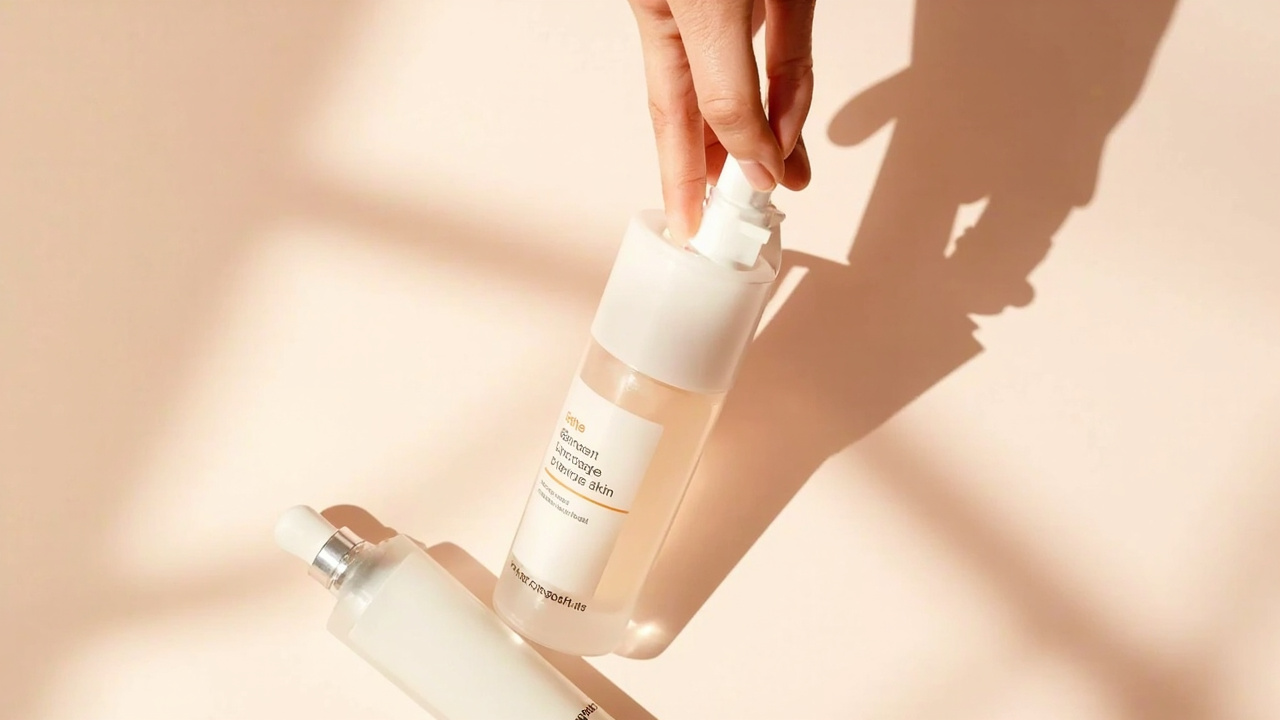
Choose products with these active ingredients:
Antioxidants
- Vitamin C (L-ascorbic acid): Brightens, fights free radicals
- Vitamin E: Moisturizes, boosts sun protection
- Ferulic acid: Stabilizes vitamins C and E
Repair Agents
- Niacinamide: Reduces pigmentation, strengthens barrier
- Retinoids (retinol, tretinoin): Boost collagen, speed cell turnover
- Peptides: Support collagen production
Hydrators
- Hyaluronic acid: Holds moisture
- Ceramides: Restore barrier
- Glycerin: Attracts water
Sun Protection
- Zinc oxide or titanium dioxide: Physical blockers, gentle
- Avobenzone: Chemical UVA filter (use with stabilizers)
Step 1: Gentle Cleansing
Cleanse twice daily. Use a mild, non-stripping cleanser. Avoid harsh sulfates. Look for:
- Cream or lotion cleansers
- Micellar water for sensitive skin
- Oil cleansers to remove sunscreen
Wash with lukewarm water. Pat dry. Do not rub. Over-cleansing damages barrier.
Step 2: Targeted Treatment (Antioxidants and Repair)
Apply a serum with antioxidants in the morning. Use a repair serum at night.
Morning: Antioxidant Serum
- Vitamin C (10-20% concentration)
- Apply after cleansing, before moisturizer
- Wait 1-2 minutes for absorption
Evening: Repair Serum
- Niacinamide (2-5%) or retinol (start low, 0.25-0.5%)
- Retinol increases sun sensitivity. Use only at night.
- Do not mix retinol with vitamin C in same routine.
Step 3: Hydration and Moisture Barrier Support
Hydrated skin heals better. Use a moisturizer with:
- Ceramides
- Hyaluronic acid
- Glycerin
- Squalane
Apply to damp skin. This locks in moisture. Choose a formula for your skin type. Oily skin: gel. Dry skin: cream.
Step 4: Sun Protection (Non-Negotiable)
Sun protection is essential. It prevents further damage. Use:
- Broad-spectrum SPF 30 or higher
- Physical blockers (zinc oxide, titanium dioxide) for sensitive skin
- Reapply every 2 hours outdoors
Apply every morning. Even on cloudy days. UV rays penetrate clouds.
Optional Steps: Exfoliation and Masks
Exfoliate 1-2 times per week. Use gentle chemical exfoliants:
- AHAs (glycolic, lactic acid) for surface texture
- BHAs (salicylic acid) for clogged pores
Avoid physical scrubs. They irritate sun-damaged skin.
Masks can hydrate or calm. Use once weekly. Look for ingredients like aloe, oatmeal, or hyaluronic acid.
Sample Minimalist Routine for Sun-Damaged Skin
Morning
Evening
Weekly
- Exfoliate 1-2 times (skip retinol that night)
- Hydrating mask once
Common Mistakes to Avoid
- Skipping sunscreen indoors (UVA passes through windows)
- Using too many actives at once
- Starting retinol too strong (irritation)
- Over-exfoliating (damages barrier)
- Not waiting between layers (reduces efficacy)
- Using expired products
When to See a Dermatologist
Consult a dermatologist if:
- You have suspicious moles or lesions
- Hyperpigmentation does not improve
- You experience severe irritation
- You need prescription treatments (tretinoin, hydroquinone)
Key Takeaways
- Sun damage is cumulative but treatable.
- Minimalist routines reduce irritation and improve compliance.
- Key ingredients: antioxidants, niacinamide, retinoids, ceramides.
- Sunscreen daily is mandatory.
- Start new products slowly. Patch test.
- See a dermatologist for persistent issues.
Frequently Asked Questions
Can I reverse sun damage completely?
No, but you can significantly improve it with consistent care. Antioxidants, retinoids, and sun protection help repair and prevent further damage.
Is it safe to use retinol on sun-damaged skin?
Yes, but start with a low concentration (0.25-0.5%) and use it only at night. Always wear sunscreen the next day.
How long does it take to see results?
Visible improvements often take 3-6 months. Consistency is key. Hyperpigmentation may fade faster with treatment.
Can I use vitamin C and retinol together?
It's best to use them separately. Vitamin C in the morning, retinol at night. Combining can cause irritation.
Do I need to exfoliate if I use retinol?
Retinol already speeds cell turnover, so exfoliation may not be necessary. If you do, limit to once a week and avoid on retinol nights.
You May Also Like
Explore more articles in our Skincare collection:
- Best Sleeping Mask for Acne-Prone Skin: A Complete Guide to Overnight Healing
- Best Teeth Whitening Kit for Large Pores: A Complete Guide to Brighter Smiles
- Best Tweezers for Whiteheads: A Complete Guide to Safe Extraction
Related Tools
Try these free calculators and quizzes to personalize your routine: