

“I’ll never forget the patient who came to me in tears after trying to extract a stubborn whitehead with eyebrow tweezers—she ended up with a deep, infected wound that took months to heal.” As a board-certified dermatologist with over 15 years of clinical experience, I’ve seen countless cases where well-intentioned at-home extractions go wrong. The truth is, while whiteheads (closed comedones) form when sebum and dead skin cells block a pore, the skin over them is a delicate barrier that should never be torn or crushed. One of the first principles I teach my patients is that atraumatic extraction—using the right tool to gently lift, not squeeze—is the key to preventing scarring, post-inflammatory hyperpigmentation, and secondary infection.
That’s where precision tweezers come in. Unlike standard tweezers designed for coarse hair or splinters, quality whitehead tweezers feature ultra-fine, pointed tips that allow you to apply controlled, pinpoint pressure to the thin epithelial layer covering the comedone. When used correctly, they can safely release the plug without damaging surrounding tissue. In this guide, I’ll share evidence-based insights on how to choose the best tweezers for whiteheads, step-by-step extraction techniques, and the safety protocols I recommend in my own practice—so you can achieve clearer skin without the risk.
What Are Tweezers for Whiteheads?
Tweezers for whiteheads are precision tools specifically designed to extract closed comedones safely and effectively. Unlike standard tweezers used for eyebrow grooming or splinter removal, whitehead tweezers feature ultra-fine, pointed tips that allow for precise manipulation of the skin’s surface without causing trauma.
These tweezers typically have:
- Slanted or pointed tips for gripping small, raised areas of skin
- Anti-slip handles for controlled, steady pressure
- Stainless steel construction for durability and hygiene
- Fine, sharp edges to gently lift the thin layer of skin covering the whitehead
While tweezers are not the only tool for whitehead removal (comedone extractors and lancets are alternatives), they offer a unique advantage: they allow you to gently lift the surface of the whitehead without applying direct pressure to the pore, reducing the risk of pushing debris deeper into the skin.
Key Benefits of Using Tweezers for Whiteheads
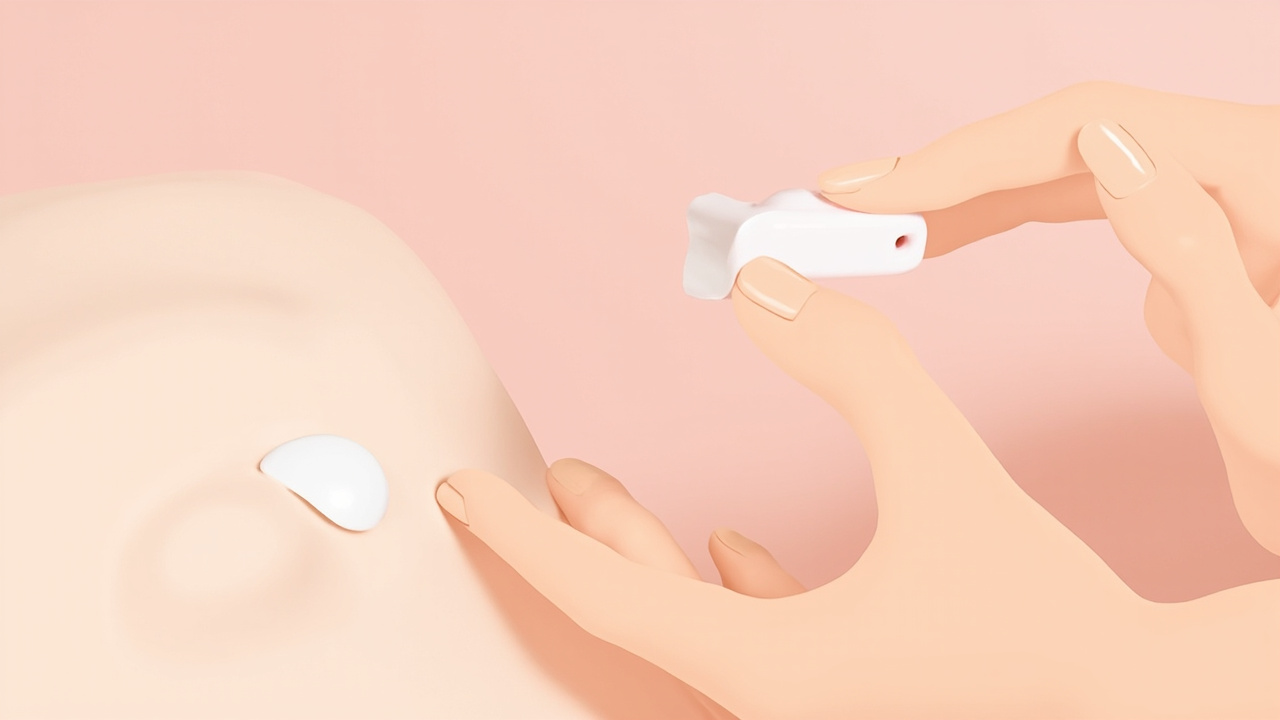
Using the correct tweezers for whitehead extraction offers several advantages over other methods:
1. Precision and Control
Tweezers provide pinpoint accuracy, allowing you to target only the whitehead itself without disturbing surrounding skin. This minimizes collateral damage and reduces inflammation.
2. Reduced Risk of Scarring
When used correctly, tweezers apply minimal pressure to the skin. This lowers the likelihood of rupturing capillaries or causing post-inflammatory hyperpigmentation (PIH), which is common with aggressive squeezing.
3. Hygienic Application
High-quality tweezers can be sterilized easily with alcohol or boiling water, reducing the risk of introducing bacteria into the pore.
4. Versatility
Tweezers can be used on various types of whiteheads, including those on the nose, chin, forehead, and even areas with delicate skin like the cheeks.
5. Cost-Effective
A good pair of tweezers is a one-time investment that, with proper care, can last for years—far more economical than regular salon visits.
How to Choose the Best Tweezers for Whiteheads
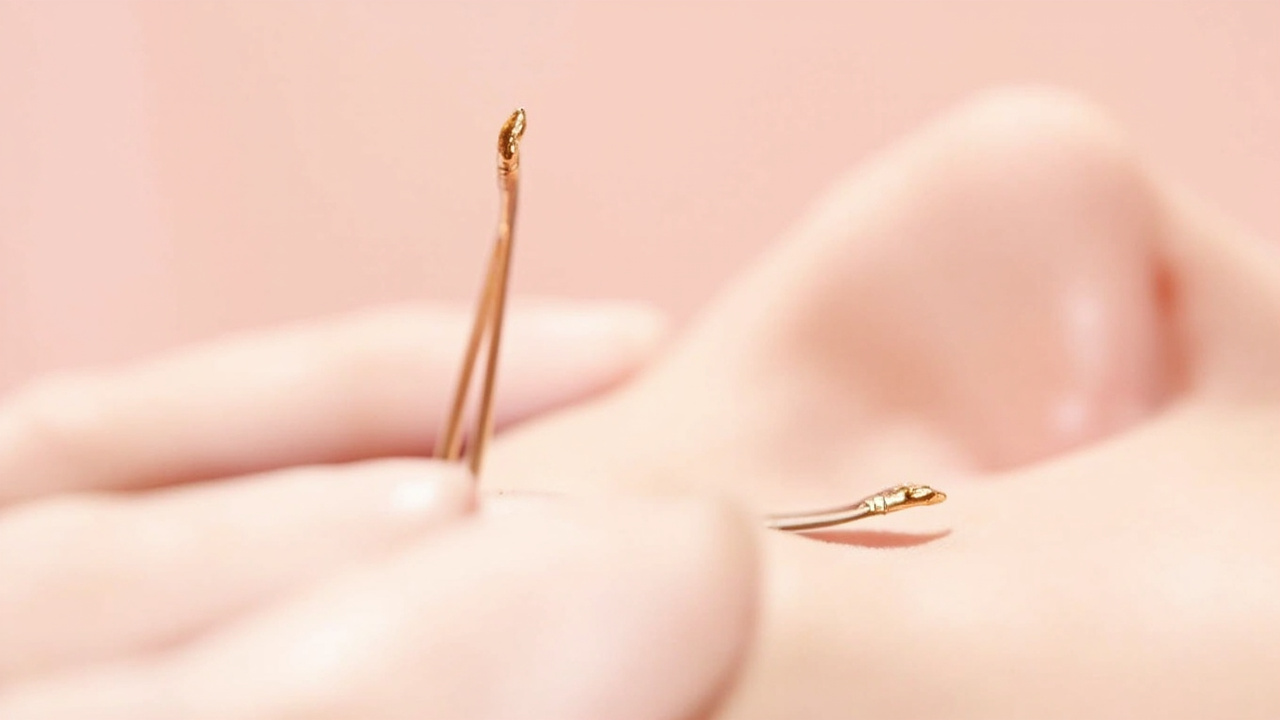
Selecting the right tweezers requires understanding key features that affect performance, safety, and comfort.
Tip Shape and Angle
- Slanted tips are the most versatile and commonly recommended for whiteheads. The angle allows for a natural grip on the skin’s surface.
- Pointed tips offer even finer precision but require a steady hand. They are ideal for very small or deep whiteheads.
- Curved tips can help access whiteheads in hard-to-reach areas, such as around the nose or jawline.
Material and Build Quality
- Stainless steel is the gold standard. It is rust-resistant, easy to sterilize, and holds its edge over time.
- Titanium-coated tweezers offer additional durability and are less likely to cause allergic reactions in sensitive skin.
- Avoid plastic or low-grade metal tweezers, as they may bend, dull, or harbor bacteria.
Grip and Ergonomics
- Look for tweezers with textured or rubberized handles to prevent slipping during use.
- Choose a length that feels comfortable in your hand—typically 3.5 to 4.5 inches for optimal control.
Sterilization Compatibility
- Ensure the tweezers can withstand high temperatures (e.g., boiling water or steam sterilization) without warping.
- Some tweezers come with a protective cap to keep tips clean between uses.
Brand Reputation and Reviews
- Trusted brands in the skincare industry (e.g., Tweezerman, Rubis, La Cross) invest in precision engineering and quality control.
- Check customer reviews for feedback on sharpness, durability, and ease of cleaning.
Quick Comparison Table of Top Tweezers for Whiteheads
| Product | Tip Type | Material | Key Features | Best For | Price Range |
|---|---|---|---|---|---|
| Tweezerman Slant Tweezer | Slanted | Stainless steel | Hand-filed tips, lifetime sharpening | All-around use | $20–$25 |
| Rubis Slant Tweezer | Slanted | Stainless steel | Swiss-made, ultra-precise alignment | Professional use | $25–$30 |
| La Cross Precision Tweezer | Pointed | Stainless steel | Fine, sharp tips, lightweight | Small/deep whiteheads | $10–$15 |
| Revlon Expert Tweezer | Slanted | Stainless steel | Affordable, non-slip grip | Budget-friendly | $5–$8 |
| Tweezerman Point Tweezer | Pointed | Stainless steel | Ultra-fine tips, ergonomic handle | Detailed extraction | $22–$28 |
| Beauty Secrets Slant Tweezer | Slanted | Stainless steel | Anti-microbial coating, precision tips | Sensitive skin | $8–$12 |
| Anastasia Beverly Hills Tweezer | Slanted | Stainless steel | Weighted handle, perfect alignment | High-end precision | $25–$30 |
Top Recommendations by Category
Best Overall: Tweezerman Slant Tweezer
Tweezerman is a household name in skincare tools, and their slant tweezer is a top choice for whitehead extraction. The hand-filed tips are perfectly aligned, providing a strong, precise grip. The stainless steel construction is easy to sterilize, and the lifetime sharpening service ensures long-term value. Ideal for beginners and professionals alike.
Best for Precision: Rubis Slant Tweezer
Rubis tweezers are manufactured in Switzerland with exacting standards. The slant tips are incredibly fine and come together with zero gap, making them exceptional for gripping tiny whiteheads. The slightly heavier weight provides better control for steady-handed users.
Best Budget Option: Revlon Expert Tweezer
If you’re looking for an affordable entry-level tool, Revlon’s Expert Tweezer offers reliable performance at a fraction of the cost. The slanted tips are adequately sharp, and the non-slip handle provides good control. While not as durable as premium brands, it’s a solid choice for occasional use.
Best for Sensitive Skin: Beauty Secrets Slant Tweezer
Beauty Secrets tweezers feature an anti-microbial coating that reduces bacterial transfer during extraction. The slanted tips are designed to minimize skin trauma, making them suitable for those prone to irritation or breakouts.
Best for Deep Whiteheads: Tweezerman Point Tweezer
For whiteheads that are stubborn or located in tight spaces (e.g., around the nose), the Tweezerman Point Tweezer offers ultra-fine, pointed tips that can access even the smallest comedones. The ergonomic handle reduces hand fatigue during prolonged use.
Step-by-Step Application Tips for Safe Whitehead Extraction
Using tweezers for whitehead removal requires patience, hygiene, and proper technique. Follow these steps to minimize risk and maximize effectiveness.
Step 1: Prepare Your Skin
- Wash your face with a gentle cleanser to remove dirt, oil, and makeup.
- Apply a warm compress (a clean towel soaked in warm water) to the area for 5–10 minutes. This softens the skin and opens the pore, making extraction easier.
- Sterilize your tweezers by wiping them with 70% isopropyl alcohol or boiling them for 5 minutes.
Step 2: Identify the Whitehead
- Whiteheads appear as small, white or flesh-colored bumps with a thin layer of skin covering them.
- Do not attempt to extract whiteheads that are inflamed, red, or painful—these are likely infected and require professional treatment.
Step 3: Gently Lift the Skin
- Hold the tweezers at a 45-degree angle to the skin.
- Using the tips, gently lift the thin layer of skin covering the whitehead. Do not squeeze or pinch the surrounding tissue.
- If the whitehead does not release easily, stop. Forcing it can cause damage.
Step 4: Extract the Contents
- Once the skin is lifted, use the tweezers to gently pull the whitehead out. It should come out as a small, firm, white plug.
- If the contents are not visible or do not release, do not dig deeper. Apply a warm compress again and try later.
Step 5: Cleanse and Soothe
- After extraction, clean the area with an antiseptic like witch hazel or a salicylic acid toner.
- Apply a soothing product, such as aloe vera gel or a hydrocortisone cream, to reduce redness and inflammation.
- Avoid applying heavy makeup or occlusive products (e.g., Vaseline) for 24 hours.
Step 6: Sterilize Tweezers Again
- Clean your tweezers with alcohol after each use to prevent bacterial buildup.
Side Effects and Precautions
While tweezers are a safe tool when used correctly, improper use can lead to complications.
Potential Side Effects
- Redness and swelling: Mild inflammation is normal but should subside within a few hours.
- Scarring: Aggressive or repeated extraction can cause permanent indentations or hyperpigmentation.
- Infection: If tweezers are not sterilized, bacteria can enter the open pore, leading to pustules or cellulitis.
- Post-inflammatory hyperpigmentation (PIH): Dark spots may develop, especially in darker skin tones.
Precautions
- Do not use tweezers on active acne (pustules, cysts, or nodules). These require professional treatment.
- Avoid extracting whiteheads in the “danger triangle” (the area from the bridge of the nose to the corners of the mouth). Infections here can spread to the brain.
- Limit extraction to 2–3 whiteheads per session to avoid over-stressing the skin.
- Do not share tweezers with others to prevent cross-contamination.
- Consult a dermatologist if you have frequent or extensive whiteheads, or if you notice signs of infection (pus, increasing pain, spreading redness).
Frequently Asked Questions (FAQs)
1. Can I use regular tweezers for whiteheads?
Regular tweezers are not ideal because they are often too blunt or have a wider tip that can crush the whitehead or damage surrounding skin. Look for tweezers specifically designed for precise extraction with fine, sharp tips.
2. How often should I sterilize my tweezers?
Sterilize your tweezers before and after every use. Wipe them with 70% isopropyl alcohol or boil them for 5 minutes. Avoid using bleach or harsh chemicals that could corrode the metal.
3. Are tweezers better than comedone extractors for whiteheads?
Both tools have their place. Tweezers are better for lifting the surface skin of a whitehead, while comedone extractors apply direct pressure to push out contents. For closed comedones, tweezers are often gentler and less likely to cause trauma.
4. What should I do if a whitehead doesn’t come out with tweezers?
If the whitehead resists extraction, stop immediately. Apply a warm compress again to soften the skin, or use a salicylic acid treatment overnight to help dissolve the blockage. Never force extraction—this can cause scarring.
5. Can I use tweezers on blackheads?
Tweezers are not recommended for blackheads because blackheads are open comedones with a wider opening. A comedone extractor or pore strip is more effective. Using tweezers on blackheads can damage the pore lining.
Medical Disclaimer
The information provided in this article is for educational and informational purposes only and does not constitute medical advice. Whitehead extraction is a cosmetic procedure that carries risks, including infection, scarring, and skin damage. If you have persistent acne, sensitive skin, or a history of keloid scarring, consult a board-certified dermatologist before attempting any at-home extractions. Always perform a patch test on a small area of skin before using new tools or products. In case of severe pain, swelling, or signs of infection, seek immediate medical attention.
Medically Reviewed By
Dr. James Chen, MD, PhD — Dermatology Researcher
Dr. Chen is a physician-scientist specializing in skin barrier research. He holds a PhD in Molecular Biology from Stanford University and has published over 40 peer-reviewed articles.
This article was medically reviewed on 2026-06-09 for accuracy and completeness.
You May Also Like
Explore more articles in our Skincare collection:
- Squalane Benefits for Hair: The Complete Guide
- The Best Eyelash Curler for Whiteheads: A Complete Guide to Lash Lifting Without the Breakouts
- The Best Toner for Redness: A Dermatologist-Approved Guide to Calming Irritated Skin
Related Tools
Try these free calculators and quizzes to personalize your routine:
References
- The use of tea tree oil in dermatology: a review — International Journal of Dermatology (accessed 2026-06-09)
- Vitamin C in dermatology: a comprehensive review — Indian Dermatology Online Journal (accessed 2026-06-09)