Minimalist Routine for Redness Prone Skin

Understanding Redness-Prone Skin
Redness-prone skin is often a sign of sensitivity or an impaired skin barrier. It can appear flushed, blotchy, or irritated. This skin type reacts easily to triggers like weather, products, or stress.
Common Causes of Facial Redness
- Rosacea: A chronic condition causing redness and visible blood vessels.
- Eczema or dermatitis: Inflammatory skin conditions.
- Allergic reactions: To ingredients, pollen, or food.
- Environmental factors: Sun, wind, cold, or pollution.
- Harsh skincare: Over-exfoliation or strong actives.
- Stress and diet: Spicy foods, alcohol, or lack of sleep.
Why Minimalism Works for Sensitive Skin
Fewer products mean fewer potential irritants. A minimalist routine reduces inflammation risk. It focuses on essential steps: cleanse, moisturize, protect. This allows the skin barrier to repair without overload. Less is more for redness-prone skin.
The Core Principles of a Minimalist Skincare Routine
!The Core Principles of a Minimalist Skincare Routine
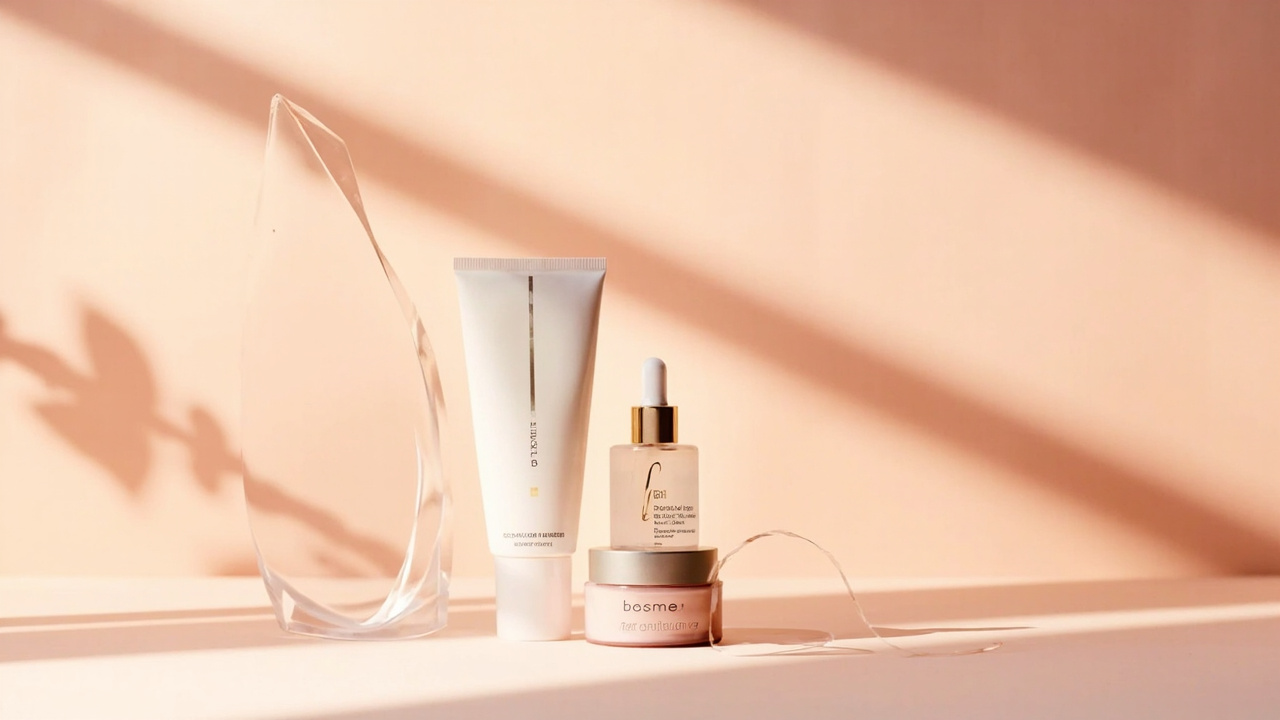
Gentle Cleansing
Use a non-foaming, hydrating cleanser. Avoid sulfates and soap. Cleanse once daily in the evening. In the morning, rinse with lukewarm water. Over-cleansing strips oils and worsens redness.
Targeted Hydration and Barrier Repair
Moisturizers with ceramides, niacinamide, or centella asiatica help repair the barrier. Look for ingredients that reduce inflammation. Apply to damp skin for better absorption.
Sun Protection as a Non-Negotiable
UV rays trigger redness and damage. Use a broad-spectrum SPF 30+ mineral sunscreen. Zinc oxide or titanium dioxide are less irritating. Apply every morning, even indoors.
Step-by-Step Minimalist Routine for Redness Prone Skin
!Step-by-Step Minimalist Routine for Redness Prone Skin
Morning Routine (3 Steps)
Evening Routine (3 Steps)
Key Ingredients to Look For and Avoid
Soothing Ingredients: Niacinamide, Centella Asiatica, Ceramides
- Niacinamide: Reduces inflammation and supports barrier function.
- Centella Asiatica: Calms irritation and promotes healing.
- Ceramides: Restore the skin's protective lipid layer.
- Azelaic acid: Helps with redness and rosacea (use under guidance).
- Squalane: Lightweight, non-irritating moisturizer.
Irritants to Avoid: Fragrance, Alcohol, Harsh Exfoliants
- Fragrance: Even natural essential oils can cause reactions.
- Alcohol: Denatured alcohol dries and irritates.
- Harsh exfoliants: Physical scrubs or high-concentration AHAs/BHAs.
- Sulfates: Sodium lauryl sulfate (SLS) strips the skin.
- Essential oils: Lavender, peppermint, etc., can be sensitizing.
Lifestyle Tips to Complement Your Routine
Diet and Hydration
- Drink plenty of water throughout the day.
- Limit spicy foods, alcohol, and caffeine.
- Include anti-inflammatory foods like omega-3s (salmon, walnuts).
- Keep a food diary to identify triggers.
Stress Management and Sleep
- Practice relaxation techniques: meditation, deep breathing.
- Aim for 7–9 hours of quality sleep per night.
- Exercise regularly but avoid overheating.
- Manage stress as it can trigger flare-ups.
Frequently Asked Questions
How long until I see results?
Most people see improvement in 2–4 weeks. Full barrier repair may take 3–6 months. Consistency is key.
Can I use active ingredients like vitamin C or retinol?
Yes, but cautiously. Choose gentle forms: ascorbyl glucoside for vitamin C, or low-strength retinoids. Start slowly, once or twice a week. If irritation occurs, stop.
Is makeup safe for redness-prone skin?
Yes, but choose mineral or hypoallergenic formulas. Avoid heavy foundations. Use a gentle makeup remover.
Should I exfoliate?
Only if your skin tolerates it. Use a gentle chemical exfoliant like lactic acid (5% or less) once a week. Avoid physical scrubs.
When to see a dermatologist?
If redness persists, worsens, or includes bumps or pustules. Seek help for suspected rosacea or eczema. A dermatologist can prescribe medications like metronidazole or ivermectin.
Key Takeaways
- Minimalist routines reduce irritation and support barrier repair.
- Use gentle cleansers, barrier-repair moisturizers, and mineral sunscreen.
- Avoid fragrance, alcohol, and harsh exfoliants.
- Incorporate soothing ingredients like niacinamide and centella asiatica.
- Lifestyle factors like diet, stress, and sleep affect skin redness.
- See a dermatologist if redness is severe or persistent.
You May Also Like
Explore more articles in our Skincare collection:
- Azelaic Acid Benefits for Body: The Complete Guide
- Best Affordable Face Serum for Dry Skin
- Best Affordable Face Serum for Rosacea
Related Tools
Try these free calculators and quizzes to personalize your routine: