Hyaluronic Acid vs Bakuchiol: Pros, Cons, and How to Choose

Introduction: Hyaluronic Acid and Bakuchiol – A Skincare Showdown
Two ingredients dominate skincare: hyaluronic acid and bakuchiol. Both offer unique benefits. But which one fits your routine? This guide compares them. We cover how they work, pros and cons, and how to choose. By the end, you'll know exactly what your skin needs.
What Is Hyaluronic Acid? Benefits and How It Works
!What Is Hyaluronic Acid? Benefits and How It Works

Hyaluronic acid (HA) is a natural molecule. It holds up to 1000 times its weight in water. HA is found in skin, joints, and eyes. As we age, HA levels drop. This leads to dryness and wrinkles.
How it works: HA acts like a sponge. It pulls moisture from the environment into your skin. This plumps up cells. It reduces fine lines and gives a dewy look. Topical HA is a humectant. It helps your skin retain water. Key benefits:- Deep hydration without greasiness
- Plumps skin, reducing fine lines
- Soothes dry, irritated skin
- Suitable for all skin types, including oily
- Lightweight and non-comedogenic (won't clog pores)
- High molecular weight: sits on surface, hydrates
- Low molecular weight: penetrates deeper, more plumping
What Is Bakuchiol? Benefits and How It Works
!What Is Bakuchiol? Benefits and How It Works
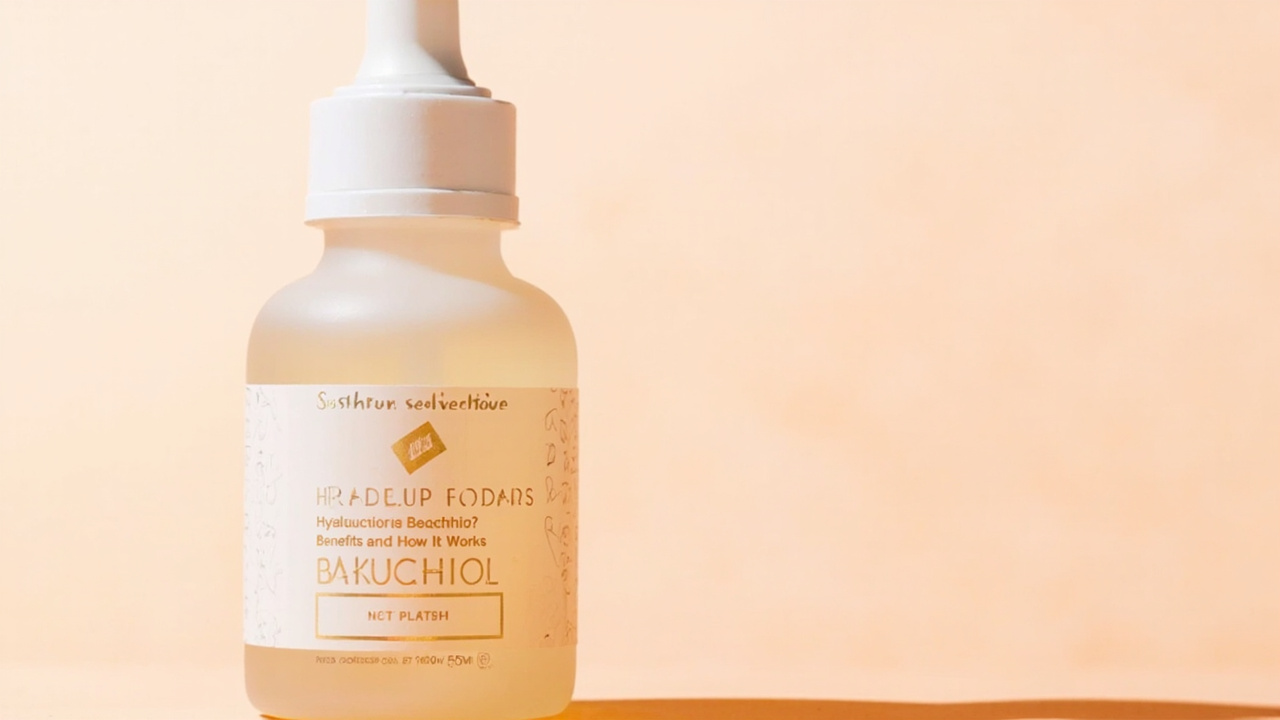
Bakuchiol is a plant-based retinol alternative. It comes from the babchi plant. It has been used in Ayurvedic medicine for centuries. Bakuchiol is known for anti-aging benefits without harsh side effects.
How it works: Bakuchiol activates retinoic acid receptors. This boosts collagen and cell turnover. It fights signs of aging like retinol. But it is gentler. It also has antioxidant and anti-inflammatory properties. Key benefits:- Reduces fine lines and wrinkles
- Improves skin firmness and elasticity
- Fades dark spots and hyperpigmentation
- Minimizes acne and breakouts
- Less irritation than retinol
- Safe for sensitive skin
- Serums, creams, oils
- Often combined with other ingredients
Hyaluronic Acid vs Bakuchiol: Key Differences
| Feature | Hyaluronic Acid | Bakuchiol |
|---------|-----------------|-----------|
| Primary function | Hydration | Anti-aging, cell turnover |
| Mechanism | Retains water | Boosts collagen, regulates cell cycle |
| Skin type | All types | All, especially sensitive |
| Irritation risk | Very low | Low (much lower than retinol) |
| Sun sensitivity | No | No (but use sunscreen anyway) |
| Use time | Day or night | Usually night |
| Results | Immediate hydration | 4-12 weeks for visible changes |
Key takeaway: HA hydrates. Bakuchiol renews. They target different concerns.Pros and Cons of Hyaluronic Acid
Pros:- Immediate plumping effect
- Very gentle, rarely causes reactions
- Works with almost any ingredient
- Boosts hydration for all skin types
- Non-irritating, even for eczema-prone skin
- Only hydrates; does not treat pigmentation or aging
- Can dry out skin in low-humidity environments (draws moisture from deeper layers if not layered properly)
- Needs a moisturizer to seal in water
- Results are temporary (hydration lasts until next wash)
Pros and Cons of Bakuchiol
Pros:- Anti-aging benefits similar to retinol
- Fades hyperpigmentation
- Reduces acne and inflammation
- Gentle enough for sensitive skin
- Can be used during pregnancy (always consult a doctor)
- Antioxidant protection
- Slower results than retinol (4-12 weeks)
- May still cause mild irritation for some
- Less researched than retinol (but growing evidence)
- Can be more expensive than retinol alternatives
- May not be as potent for severe aging
How to Choose Between Hyaluronic Acid and Bakuchiol
Choose hyaluronic acid if:- Your main concern is dryness or dehydration
- You want immediate hydration
- You have oily or acne-prone skin (non-comedogenic)
- You need a gentle ingredient for sensitive skin
- You already use retinol or other actives
- You want anti-aging benefits without irritation
- You have hyperpigmentation or uneven skin tone
- You are new to retinol-like ingredients
- You have sensitive skin that reacts to retinol
- You prefer natural, plant-based ingredients
- Dry skin: Both can help. HA hydrates, bakuchiol boosts turnover.
- Oily skin: HA is lightweight. Bakuchiol can reduce acne.
- Combination: Use HA all over, bakuchiol on problem areas.
- Sensitive: Both are safe. Start slowly with bakuchiol.
- If you have persistent acne or pigmentation
- If you experience severe irritation from any product
- If you are pregnant or nursing (bakuchiol is generally safe, but get medical advice)
- If you have a skin condition like eczema or rosacea
Can You Use Hyaluronic Acid and Bakuchiol Together?
Yes! They complement each other perfectly. HA hydrates. Bakuchiol renews. Use them in the same routine.
How to layer:- AM: Cleanse → HA serum → Moisturizer → Sunscreen
- PM: Cleanse → Bakuchiol serum → HA serum → Moisturizer
- Start bakuchiol 2-3 times per week, then increase.
- Use a moisturizer after HA to lock in hydration.
- Always wear sunscreen with bakuchiol (though it doesn't cause photosensitivity).
Conclusion
You May Also Like
Explore more articles in our Health collection:
- How to Get Rid of Smile Lines: Nasolabial Fold Treatments That Actually Work
- How to Layer Skincare Products: The Correct Order Morning and Night
- How to Prevent Dark Circles: A Complete Step-by-Step Guide to Brighter, Youthful Eyes: Which One Is Right for Your Skin?
Both hyaluronic acid and bakuchiol are excellent. HA is a hydration hero. Bakuchiol is a gentle anti-ager. For most people, using both gives the best results. If you must choose one, pick HA for hydration, bakuchiol for anti-aging. Always patch test new products. Consult a dermatologist for personalized advice.
Key Takeaways
- Hyaluronic acid hydrates and plumps skin instantly.
- Bakuchiol reduces wrinkles, pigmentation, and acne gradually.
- HA is safe for all skin types; bakuchiol is gentle but may cause mild irritation.
- Use them together for hydration and renewal.
- Always apply sunscreen daily.
- See a dermatologist if you have concerns.
Frequently Asked Questions
Q: Can I use hyaluronic acid and bakuchiol at the same time?A: Yes, they work well together. Apply bakuchiol first, then HA, then moisturizer.
Q: Which is better for anti-aging: hyaluronic acid or bakuchiol?A: Bakuchiol targets aging by boosting collagen. HA only plumps wrinkles temporarily. For long-term anti-aging, bakuchiol is better.
Q: Is bakuchiol safe for sensitive skin?A: Yes, it is much gentler than retinol. Start with a low concentration and test on a small area.
Q: Can I use bakuchiol while pregnant?A: Many dermatologists consider it safe, but always consult your doctor first.
Q: Does hyaluronic acid cause breakouts?A: No, it is non-comedogenic and unlikely to clog pores. It can actually help acne-prone skin by hydrating without oil.
Citations
Related Tools
Try these free calculators and quizzes to personalize your routine: