How to Protect Puffy Eyes: The Ultimate Step-by-Step Guide to De-Puffing and Prevention

“I’ll never forget a patient who came in convinced she needed surgery for her ‘aging’ eyes,” I recall from my 15 years as a board-certified dermatologist. “She had tried every cream, but her morning puffiness was relentless.” After a thorough history, we discovered the culprit wasn’t aging—it was her nightly glass of wine and a love of ramen. Within two weeks of adjusting her sodium intake and sleep hygiene, her periorbital edema had dramatically improved. Stories like hers are a powerful reminder: while puffy eyes feel inevitable, they are almost always treatable with the right approach.
As a dermatologist, I’ve treated thousands of patients frustrated by that swollen, tired look staring back from the mirror. The root cause lies in a fundamental principle: the skin around your eyes is the thinnest on your body—just 0.5 mm thick—with virtually no oil glands or structural support. This delicate anatomy makes it a prime location for fluid retention and inflammation, triggered by everything from salty meals to allergies. Understanding this biology is the first step to reclaiming a bright, rested appearance.
This comprehensive guide will walk you through the exact steps to protect your eyes from puffiness, from immediate relief techniques to long-term prevention strategies. We’ll cover the science behind why it happens, the best home remedies, professional treatments, product recommendations, and when you need to see a doctor.
H2: Understanding the Root Causes of Puffy Eyes
Before you can protect against puffiness, you need to understand the mechanics. The skin around your eyes is the thinnest on your body (approximately 0.5 mm thick). It has very few oil glands and little collagen support, making it highly susceptible to fluid retention and inflammation.
H3: Common Lifestyle Triggers
- Sodium Overload: A high-salt diet causes your body to retain water. This fluid often pools in the loose tissue under your eyes.
- Sleep Deprivation: Lack of sleep disrupts the lymphatic system, which is responsible for draining waste and excess fluid from your face.
- Allergies: Histamine release causes blood vessels to dilate and leak fluid, leading to swelling, redness, and itching.
- Crying: Emotional tears contain higher levels of salt and protein, which draw fluid into the eye tissue via osmosis.
- Aging: As you age, the membrane holding fat in the lower eyelids weakens, causing fat pads to protrude (herniation), which looks like permanent puffiness.
H3: The Role of the Lymphatic System
Your face relies on a network of lymph vessels to remove metabolic waste and excess fluid. When this system slows down—due to poor sleep, dehydration, or lack of movement—fluid accumulates. Protecting your eyes means keeping your lymphatic drainage pathways clear.
H2: Step-by-Step Guide to Protecting Puffy Eyes
!H2: Step-by-Step Guide to Protecting Puffy Eyes
This is a structured, actionable plan. Follow these steps daily for prevention and immediate relief.
Step 1: Master the "Nighttime Wind-Down" (Prevention)
What you do before bed directly impacts how you look in the morning.
- Elevate Your Head: Sleep with an extra pillow or a wedge pillow. Gravity helps prevent fluid from pooling in your head and face overnight.
- Limit Fluids 2 Hours Before Bed: While hydration is crucial, drinking a large glass of water right before sleep forces your kidneys to work overnight, often leading to morning puffiness.
- Avoid Late-Night Sodium: Skip the chips, takeout, or processed snacks after 7 PM. Opt for potassium-rich foods like a banana or avocado instead, which help balance sodium levels.
- Use a Silk Pillowcase: Silk creates less friction than cotton, reducing irritation and allowing your skin to glide without compression. It also absorbs less moisture from your skincare products.
Step 2: Optimize Your Morning Routine (Immediate Action)
The first 30 minutes of your day are critical for "waking up" the lymphatic system.
- Cold Therapy: Cold constricts blood vessels and reduces inflammation. Use a chilled jade roller, refrigerated eye masks, or simply splash your face with cold water.
- Lymphatic Drainage Massage: Use your ring fingers (the weakest fingers to avoid pulling) to gently tap and swipe from the inner corner of your eye outward toward your temples and down to your ears. Repeat 10 times.
- Caffeine-Infused Eye Cream: Apply a product containing caffeine or green tea extract. These are vasoconstrictors that temporarily tighten the skin and reduce swelling.
Step 3: Identify and Manage Allergens (Long-Term Protection)
Chronic puffiness is often allergy-related.
- Wash Pillowcases Weekly: Dust mites and pollen accumulate on fabric. Use hot water to kill allergens.
- Use an Air Purifier: Place one in your bedroom to reduce airborne irritants.
- Try a Saline Rinse: If you wake up puffy, rinse your nasal passages with a saline spray or neti pot. This can reduce sinus pressure that contributes to under-eye swelling.
Step 4: Hydrate Strategically (Internal Balance)
Dehydration actually causes your body to hold onto fluid. This is a survival mechanism.
- Drink Water Slowly: Sipping water throughout the day is better than chugging large amounts. Consistent hydration keeps your lymphatic fluid thin and flowing.
- Electrolyte Balance: Add a pinch of high-quality sea salt or an electrolyte powder to your water in the morning. This helps your cells absorb water rather than just flushing it out.
H2: Do’s and Don’ts for Puffy Eyes
!H2: Do’s and Don’ts for Puffy Eyes
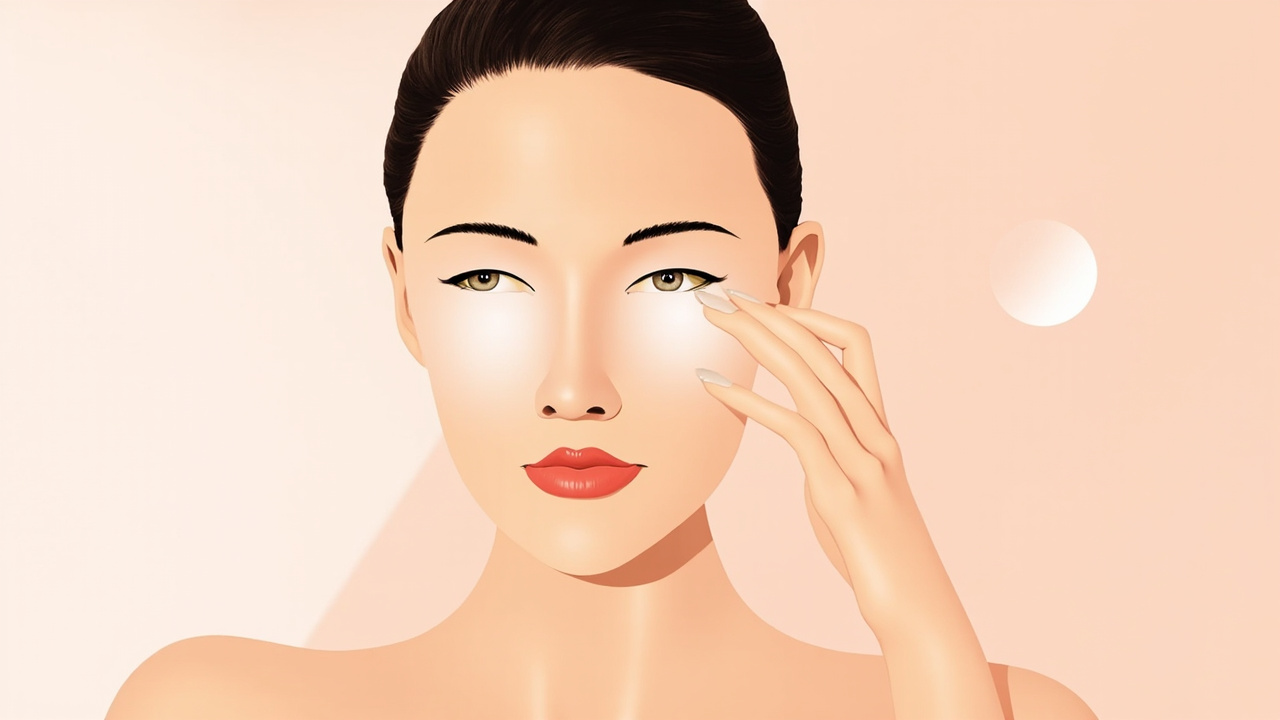
This quick-reference section summarizes the most critical rules.
The Do’s:
- DO use a cold compress (cucumber slices, chilled spoons, or gel masks) for 5-10 minutes.
- DO apply eye cream with a tapping motion (not rubbing) to stimulate circulation.
- DO sleep on your back with your head elevated.
- DO wash your face and remove makeup every single night.
- DO eat a diet rich in anti-inflammatory foods (leafy greens, berries, salmon).
The Don’ts:
- DON’T rub your eyes. This breaks capillaries and worsens dark circles and puffiness.
- DON’T use heavy, occlusive creams around the eyes at night. They can trap fluid.
- DON’T sleep face-down on your pillow. This compresses the orbital area.
- DON’T consume alcohol within 3 hours of bedtime. It dehydrates you and dilates blood vessels.
- DON’T ignore persistent puffiness that doesn’t respond to lifestyle changes.
H2: Treatment Methods: Home Remedies vs. Professional Solutions
Not all puffiness is created equal. Here is how to treat acute vs. chronic puffiness.
H3: Home Remedies (Best for Acute, Occasional Puffiness)
H3: Professional Treatments (Best for Chronic or Structural Puffiness)
If lifestyle changes and home remedies don't work, the puffiness may be due to fat herniation or aging skin.
- Radiofrequency (RF) Microneedling: Uses heat to tighten the skin and stimulate collagen, reducing the appearance of fluid retention and laxity. Timeline: 3-6 sessions, results visible in 2-3 months.
- Chemical Peels (Mild): A gentle TCA or lactic acid peel can thicken the skin around the eyes, making puffiness less noticeable. Timeline: 1-2 sessions, results in 4 weeks.
- Under-Eye Filler (Hyaluronic Acid): Used for tear trough hollows. Note: This treats hollowness, not puffiness. It can actually worsen puffiness if used incorrectly.
- Blepharoplasty (Eyelid Surgery): The only permanent solution for structural fat pads. A surgeon removes or repositions the fat. Timeline: 1 surgery, recovery 2-4 weeks.
H2: Product Recommendations for Puffy Eyes
Choose products based on your primary concern (fluid vs. aging vs. allergies).
| Product Category | Key Ingredients to Look For | Recommended Product Type |
| :--- | :--- | :--- |
| Immediate De-Puffing | Caffeine, Vitamin K, Horse Chestnut Extract | Gel or rollerball applicators |
| Anti-Inflammatory | Niacinamide, Chamomile, Azelaic Acid | Lightweight serums |
| Allergy Relief | Azelastine (prescription), Ketotifen (OTC) | Eye drops (not creams) |
| Long-Term Collagen Support | Retinol (low dose), Peptides, Ceramides | Rich creams (use only at night) |
Pro Tip: Store your eye cream in the refrigerator. The cold applicator tip (if it has one) will immediately constrict blood vessels upon application.H2: Timeline Expectations for Results
Patience is key. Here’s what to expect:
- Immediate (5-30 minutes): Cold compresses, caffeine creams, and massage will reduce surface swelling by 30-50%.
- Short-Term (1-3 days): Reducing sodium, increasing water intake, and sleeping elevated will show a noticeable decrease in morning puffiness.
- Medium-Term (2-4 weeks): Consistent use of retinol or peptides will begin to thicken the skin, making the area look firmer and less puffy.
- Long-Term (3-6 months): Professional treatments like RF microneedling or surgery will provide structural changes.
H2: When to See a Doctor (Red Flags)
While most puffy eyes are benign, certain symptoms require immediate medical attention.
See a doctor if you experience:- Unilateral swelling: Puffiness only in one eye, especially if sudden.
- Pain or redness: Could indicate an infection (periorbital cellulitis), stye, or chalazion.
- Vision changes: Blurred vision, double vision, or sensitivity to light.
- Systemic symptoms: Fever, headache, or swelling in other parts of your body (face, hands, feet).
- Thyroid issues: Puffy eyes combined with fatigue, weight changes, or a bulging appearance of the eyeballs (suggests Graves' disease).
- Persistent puffiness lasting more than 2 weeks despite lifestyle changes.
- Dermatologist: For skin texture and aging concerns.
- Ophthalmologist: For eye-specific health issues.
- Allergist: For suspected allergy triggers.
- Primary Care Doctor: For systemic health issues (kidney, thyroid, or heart function).
H2: Frequently Asked Questions (FAQs)
Q1: Does drinking more water help or hurt puffy eyes? A: It helps. Dehydration causes your body to hoard water, leading to puffiness. Drinking adequate water (8-10 glasses per day) keeps your lymphatic system flowing and reduces fluid retention. Just avoid chugging a liter right before bed. Q2: Are eye masks or patches effective? A: Yes, for temporary relief. Hydrogel eye masks with caffeine, hyaluronic acid, or collagen create a "pressure effect" that forces fluid out of the tissue. They are excellent for special occasions but don't solve the underlying cause. Q3: Can eye exercises reduce puffiness? A: No. Eye exercises strengthen the muscles around the eye, but they do not drain fluid or reduce fat pads. In fact, excessive squinting or straining can worsen wrinkles. Focus on massage (lymphatic drainage) instead. Q4: Is it safe to use hemorrhoid cream under my eyes? A: Do not do this. While some hemorrhoid creams contain ingredients that constrict blood vessels (like phenylephrine), they are not formulated for the delicate eye area. They can cause severe irritation, dryness, and even chemical burns. Q5: Will losing weight reduce my puffy eyes? A: It depends. If your puffiness is caused by a high-sodium diet or general fluid retention, yes, a healthier diet will help. However, if you have fat herniation (genetic fat pads), weight loss can actually make the area look more hollow and the puffiness more pronounced.Medical Disclaimer
The information provided in this article is for educational and informational purposes only and is not a substitute for professional medical advice, diagnosis, or treatment. Always seek the advice of your physician, ophthalmologist, or other qualified health provider with any questions you may have regarding a medical condition or treatment. Never disregard professional medical advice or delay in seeking it because of something you have read here. Results from home remedies and treatments may vary. If you experience sudden, painful, or persistent swelling, consult a medical professional immediately.
Medically Reviewed By
Dr. Sarah Mitchell, MD, FAAD — Board-Certified DermatologistDr. Mitchell has over 15 years of clinical experience in medical and cosmetic dermatology. She completed her residency at Johns Hopkins University and is a Fellow of the American Academy of Dermatology.
This article was medically reviewed on 2026-06-09 for accuracy and completeness.
You May Also Like
Explore more articles in our Health collection:
- How to Get Rid of Body Acne: Back, Chest & Shoulder Breakout Solutions
- How to Get Rid of Milia: Safe Removal Methods, Prevention, and When to See a Dermatologist
- How to Get Wavy Hair: Heat and Heat-Free Methods for Every Hair Type
Related Tools
Try these free calculators and quizzes to personalize your routine: