Hyaluronic Acid vs Green Tea Extract: Pros, Cons, and How to Choose

Introduction to Hyaluronic Acid and Green Tea Extract
Hyaluronic acid and green tea extract are popular ingredients in skincare and health supplements. Both offer unique benefits, but they work differently. This article compares their pros, cons, and how to choose the right one for you.
What is Hyaluronic Acid?
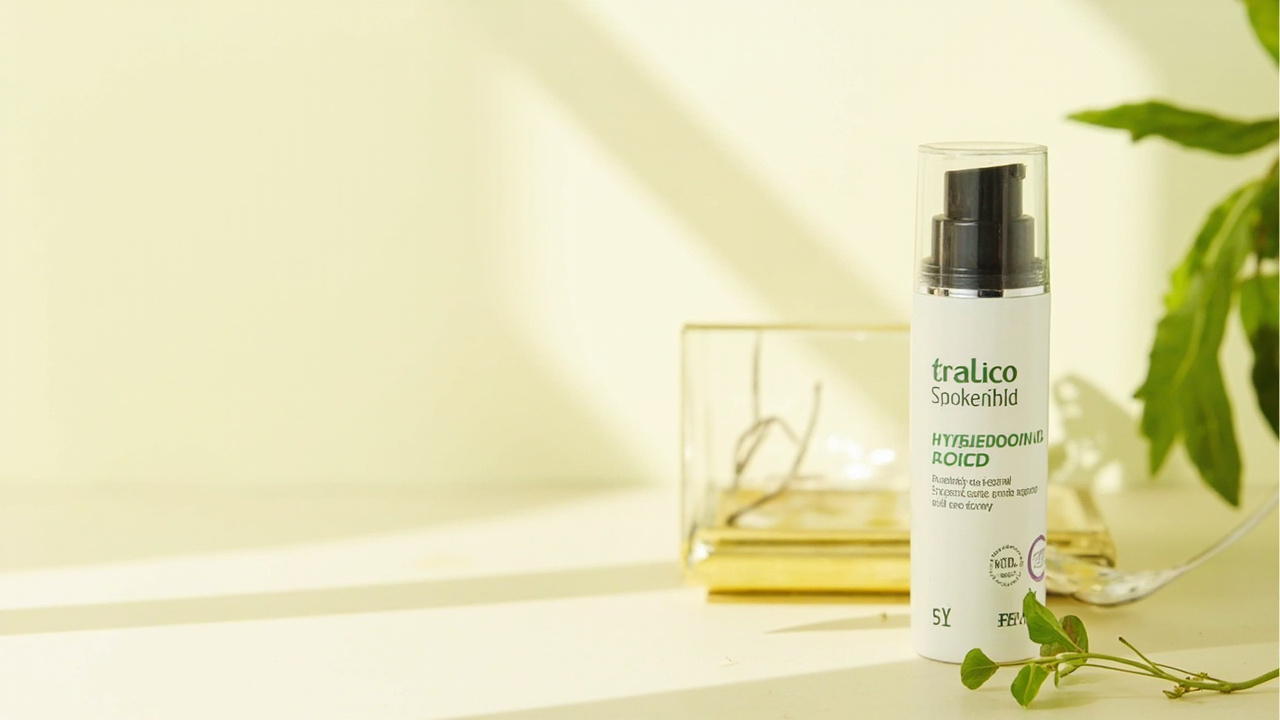
Hyaluronic acid (HA) is a substance naturally found in your body. It acts like a sponge, holding water to keep tissues hydrated. In skincare, HA attracts moisture to the skin, plumping it up. It is also used in supplements for joint health.
Benefits of Hyaluronic Acid
- Deep Hydration: HA holds up to 1,000 times its weight in water. It boosts skin moisture instantly.
- Plumps Skin: By hydrating, HA reduces fine lines and wrinkles.
- Improves Skin Barrier: It helps repair the skin's protective layer.
- Soothes Dryness: Ideal for dry or dehydrated skin types.
- Joint Support: Oral HA supplements may reduce joint pain in osteoarthritis.
- Wound Healing: Topical HA can speed up healing of cuts and burns.
Side Effects and Drawbacks
- Skin Irritation: Rare, but some people may experience redness or stinging.
- Pilling: In some skincare formulations, HA can ball up on the skin.
- Not for Severe Dryness: HA draws moisture from the environment. In very dry climates, it may pull water from deeper skin layers, causing more dryness.
- Expensive: High-quality HA products can be costly.
- Limited Oral Evidence: More research is needed for oral HA benefits.
What is Green Tea Extract?

Green tea extract comes from the leaves of Camellia sinensis. It is rich in antioxidants called catechins, especially epigallocatechin gallate (EGCG). These compounds protect cells from damage.
Benefits of Green Tea Extract
- Antioxidant Power: EGCG fights free radicals, reducing oxidative stress.
- Anti-Inflammatory: It calms redness and swelling, helpful for acne and rosacea.
- Anti-Aging: Protects collagen from breakdown, slowing wrinkles.
- Oil Control: Reduces sebum production, beneficial for oily skin.
- Sun Protection: Topical use may enhance sun protection, but not replace sunscreen.
- Oral Health: May lower risk of heart disease and certain cancers.
- Weight Management: Boosts metabolism slightly.
Side Effects and Drawbacks
- Caffeine Content: Can cause jitters, insomnia, or increased heart rate in sensitive people.
- Liver Toxicity: Very high doses of green tea extract supplements have been linked to liver injury. Stick to recommended amounts.
- Skin Sensitivity: Some people may experience allergic reactions.
- Staining: Topical green tea extract may stain light-colored fabrics.
- Interactions: Can interact with blood thinners and other medications.
Hyaluronic Acid vs Green Tea Extract: Key Differences
| Feature | Hyaluronic Acid | Green Tea Extract |
|---------|-----------------|-------------------|
| Primary Benefit | Hydration | Antioxidant protection |
| Mechanism | Holds water | Fights free radicals |
| Best For | Dry, dehydrated skin | Oily, acne-prone, aging skin |
| Form | Serums, creams, supplements | Serums, creams, supplements, teas |
| Side Effects | Rare irritation | Caffeine sensitivity, liver risk at high doses |
| Cost | Moderate to high | Low to moderate |
How to Choose Between Hyaluronic Acid and Green Tea Extract
For Skin Hydration
Choose hyaluronic acid. It is the gold standard for adding moisture. Use HA serums on damp skin, then seal with a moisturizer.
For Anti-Aging
Both help, but for different reasons. HA plumps wrinkles by hydration. Green tea extract protects collagen from damage. For best results, use both.
For Acne and Inflammation
Green tea extract is better. Its anti-inflammatory and oil-controlling properties reduce breakouts. HA is non-comedogenic but does not treat acne directly.
For Overall Health
Green tea extract offers broader internal benefits, like heart health and weight management. Oral HA is mainly for joints.
Can You Use Them Together?
Yes, they complement each other. Apply green tea extract first (antioxidant), then hyaluronic acid (hydration). Always follow with sunscreen in the morning. For supplements, consult a healthcare provider to avoid excessive intake.
Key Takeaways
- Hyaluronic acid excels at hydrating and plumping skin.
- Green tea extract provides antioxidant and anti-inflammatory benefits.
- Use HA for dry skin; use green tea for oily or aging skin.
- They can be used together for comprehensive skincare.
- Oral supplements require caution with dosing.
- See a dermatologist if you have persistent skin issues or adverse reactions.
Frequently Asked Questions
1. Can hyaluronic acid cause breakouts?No, HA is non-comedogenic and unlikely to clog pores. However, if your skin reacts to other ingredients in the product, breakouts may occur.
2. Is green tea extract safe for sensitive skin?Generally yes, but do a patch test first. Some people may experience irritation from the caffeine or other compounds.
3. How long does it take to see results from hyaluronic acid?Immediate hydration effects are visible. Long-term benefits for fine lines may take 4-8 weeks of consistent use.
4. Can I take green tea extract supplements every day?Yes, but stick to standardized extracts with 50-100 mg of EGCG per day. Higher doses may risk liver toxicity.
5. Which is better for under-eye circles?Hyaluronic acid helps with hydration and plumping, which can reduce the appearance of dark circles caused by thin skin. Green tea extract may help with puffiness due to its anti-inflammatory effects.
You May Also Like
Explore more articles in our Health collection:
- Salicylic Acid vs Mandelic Acid: Pros, Cons, and How to Choose
- Seasonal Skin and Hair Survival Guide: How to Protect Your Beauty Routine When the Weather Changes
- Sun Damage in 40s: What to Know
Related Tools
Try these free calculators and quizzes to personalize your routine: