Best Sleep Techniques for Dandruff

Understanding the Link Between Sleep and Dandruff
Dandruff affects up to 50% of people worldwide. While many focus on shampoos, sleep quality plays a key role. Poor sleep can worsen dandruff by increasing stress hormones and inflammation.
How Poor Sleep Affects Scalp Health
- Increases cortisol: Lack of sleep raises cortisol levels. High cortisol triggers oil production. Excess oil feeds Malassezia yeast, a common dandruff cause.
- Weakens immune function: Sleep deprivation reduces immune response. The scalp becomes more prone to inflammation and flaking.
- Disrupts skin barrier: During deep sleep, skin repairs itself. Poor sleep impairs barrier function, leading to dryness and irritation.
A 2020 study in Skin Appendage Disorders found that sleep quality significantly correlated with seborrheic dermatitis severity.
Best Sleep Positions to Minimize Dandruff
!Best Sleep Positions to Minimize Dandruff
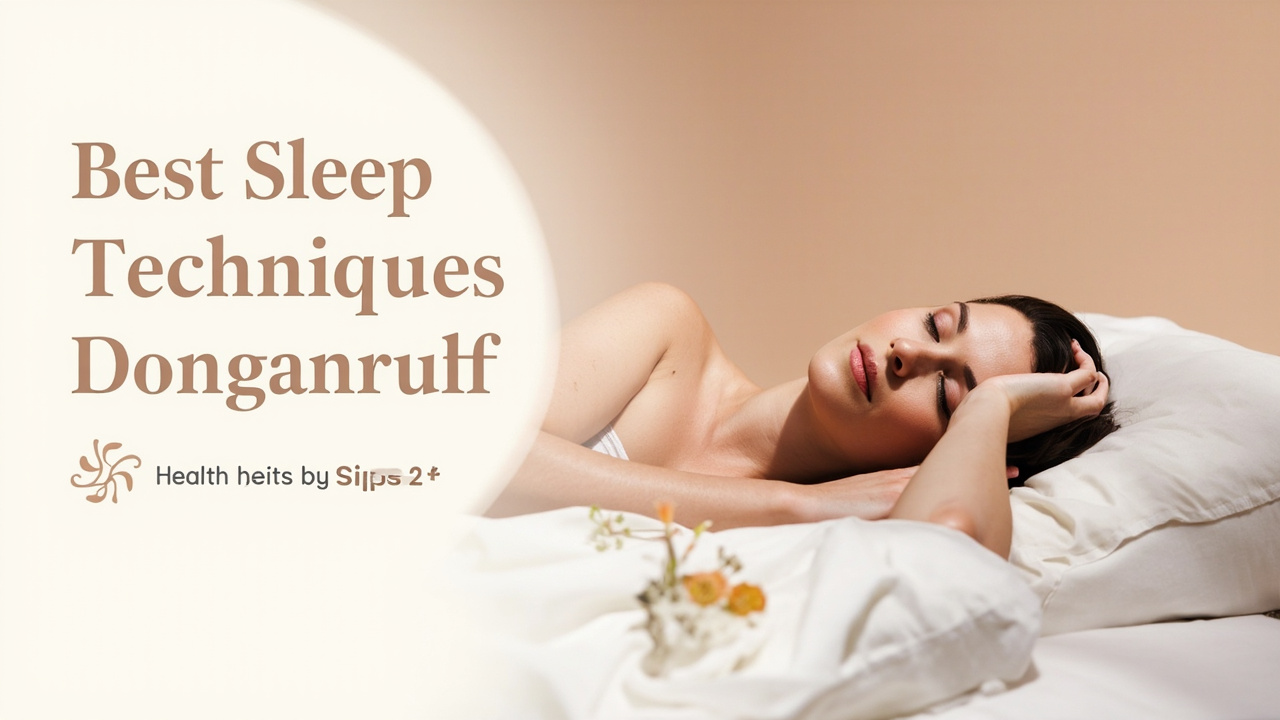
Your sleep position affects oil distribution and friction on the scalp.
Sleeping on Your Back vs. Side vs. Stomach
- Back sleeping (best): Minimizes contact between scalp and pillow. Reduces friction and oil transfer. Keeps hair off the face.
- Side sleeping: Can trap oil and sweat against the scalp. May cause friction on one side, worsening flakes.
- Stomach sleeping (worst): Presses face and scalp into pillow. Increases heat and moisture, promoting yeast growth.
Pillow and Bedding Tips for Dandruff Control
!Pillow and Bedding Tips for Dandruff Control

Pillowcases collect oil, dead skin, and product residue. Change them weekly.
Choosing the Right Pillowcase Material
- Silk or satin: Smooth fibers reduce friction. Less absorbent than cotton, so they don't wick away moisture. Best for dandruff.
- Cotton: Highly absorbent. Can trap oil and bacteria. Wash in hot water weekly.
- Bamboo: Breathable and antimicrobial. Good alternative to silk.
Nighttime Hair Care Routine for Dandruff
A consistent pre-bed routine can calm the scalp overnight.
Applying Scalp Treatments Before Bed
- Medicated shampoos: Use ketoconazole, selenium sulfide, or zinc pyrithione. Leave on for 5 minutes before rinsing. Apply 2-3 times per week.
- Scalp oils: Tea tree oil (diluted) or jojoba oil can reduce inflammation. Apply to dry scalp 30 minutes before washing.
- Overnight masks: Use a gentle moisturizing mask. Avoid heavy products that clog pores.
Creating a Sleep Environment That Reduces Dandruff Triggers
Your bedroom conditions affect scalp moisture and inflammation.
Humidity and Temperature Considerations
- Ideal humidity: 40-50%. Low humidity dries the scalp, causing flakes. High humidity promotes yeast growth. Use a humidifier in dry climates.
- Temperature: Keep bedroom cool (60-67°F). Heat increases sweating and oil production.
- Air purifier: Reduces dust and allergens that can irritate the scalp.
Lifestyle Adjustments for Better Sleep and Scalp Health
Improving sleep quality directly benefits your scalp.
Stress Management Techniques
- Meditation: 10 minutes before bed lowers cortisol.
- Exercise: Regular activity improves sleep depth. Avoid intense workouts within 2 hours of bedtime.
- Limit screen time: Blue light disrupts melatonin. Turn off devices 1 hour before sleep.
- Consistent schedule: Go to bed and wake up at the same time daily.
Key Takeaways
- Poor sleep increases dandruff through stress hormones and inflammation.
- Sleep on your back with a silk pillowcase to minimize friction and oil buildup.
- Wash pillowcases weekly and replace pillows regularly.
- Use medicated treatments before bed and maintain a consistent routine.
- Keep bedroom humidity at 40-50% and temperature cool.
- Manage stress with meditation, exercise, and good sleep hygiene.
- See a dermatologist if symptoms worsen or don't improve.
Frequently Asked Questions
Can sleeping with wet hair cause dandruff?
Yes. Damp hair creates a moist environment that promotes fungal growth. Always dry hair before bed.
How often should I wash my pillowcase for dandruff?
At least once a week. Use hot water and hypoallergenic detergent.
Does sleeping on your back really help dandruff?
Yes. It reduces friction and oil transfer to the scalp, which can decrease flaking.
Can stress cause dandruff even if I sleep well?
Yes. Stress increases cortisol, which can trigger oil production and inflammation. Manage stress for best results.
Should I use a humidifier for dandruff?
If your environment is dry, a humidifier can prevent scalp dryness and flaking. Keep humidity at 40-50%.
You May Also Like
Explore more articles in our Wellness collection:
- Simple Sleep Practices for Better Skin
- The Link Between Sleep and Dry Skin
- The Link Between Sleep and Large Pores
Related Tools
Try these free calculators and quizzes to personalize your routine: